Boeing 747-8 Intercontinental: Technical Specifications
The 747-8 Intercontinental was the last passenger 747. Lufthansa remains its largest operator.

| Manufacturer | Boeing |
|---|---|
| Variant | 747-8 Intercontinental |
| Introduced | 1 June 2012 (Lufthansa) |
| Status | In service; out of production |
| Typical capacity | 467 passengers in the source planning layout; airline layouts vary |
| Length | 250 ft 2 in (76.25 m) |
| Wingspan | 224 ft 5 in (68.40 m) |
| Max takeoff weight | 987,000 lb (447,696 kg) |
| Max landing weight | 688,000 lb (312,072 kg) |
| Max zero-fuel weight | 651,000 lb (295,289 kg) |
| Representative operating empty weight | 485,300 lb (220,128 kg) |
| Representative structural payload | 167,700 lb (76,067 kg) - published figure; see source discrepancy below |
| Usable fuel capacity | 63,034 US gal (238,609 L) |
| Lower-deck cargo volume | 5,705 cu ft (161.5 m³) container space + 640 cu ft (18.1 m³) bulk |
| Number built | 48 |
| Configuration and assumptions | Passenger planning example with tail fuel. Boeing's page 2-3 lists 63,034 US gal including tail-tank volume, while the same revision's detailed tank table lists 59,734 US gal and no horizontal-stabilizer quantity; both figures and their source context are retained. Boeing's estimated OEW assumes its standard equipment allowances and 467-seat three-class arrangement. Boeing also lists 167,700 lb payload, but its 651,000 lb MZFW minus 485,300 lb OEW gives 165,700 lb; the published payload is retained and flagged. |
| Technical reference | Boeing D6-58326-3, Revision E (January 2026), printed page 2-3. |
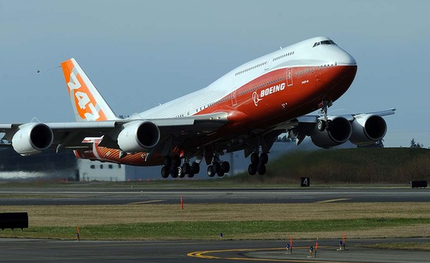
The 747-8 Intercontinental is the passenger version of the 747-8, and the last passenger 747 ever built. 48 were delivered. It is the longest volume-production fixed-wing commercial aircraft in the world; only the single Antonov An-225, built to carry the Soviet Buran shuttle, was longer.
The numbers
The specification table above uses Boeing's January 2026 passenger planning configuration. Its 467 seats are a reference three-class arrangement, not an airline's actual seat map. The 224 ft 5 in (68.40 m) span is shown on Boeing's general-dimensions drawing, printed page 2-5.
Range varies with payload, equipment and flight conditions. See the family comparison for historical published range summaries and the source configuration notes.
At 18 ft 4 in (5.6 m) longer than any earlier 747, the -8 family got its length from a 13 ft 4 in fuselage plug ahead of the wing and a 5 ft plug aft of it.
Designed to fit existing airports
One of the shrewdest decisions on the programme: the Intercontinental was designed to the same height as the 747-400 and to fit existing 747 gates. No airport needed to reconfigure anything to accept it.
That was a pointed contrast with the A380, which required airports to rebuild stands and jetways for a full double-deck aircraft. Boeing's argument was that an airline could introduce the 747-8 into its existing network without capital spending anywhere on the ground.
The extra 18.3 ft of length allowed 51 more seats than a 747-400, and the flight crew rest area was moved to the upper deck, freeing main-deck and lower-hold space. The result was 37,000 lb of cargo capacity - 33 percent more than a 747-400, and 8,600 lb more than an A380.
Boeing claimed the Intercontinental was 10 percent lighter per seat than the A380, with trip costs about 20 percent lower and seat-mile costs about 5 percent lower.
The cabin
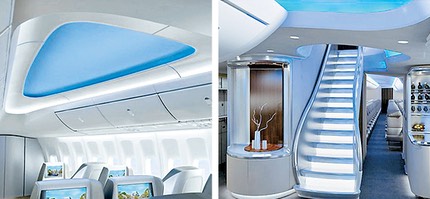
The staircase. On the 747-300 and -400, the stairway to the upper deck is straight and narrow, running from the galley at door 2 to the back of the upper deck on the left-hand side. The 747-8I replaced it with a curved, sweeping staircase. It was originally to be on the right-hand side and was moved back to the left after Lufthansa's order. The window line was extended to where the stairway meets the upper deck.
The crown space. Boeing proposed using the "crown" - the area above the passenger cabin normally occupied by air conditioning ducts and wiring - by moving the services to the sides. The recovered space could take galleys and crew rest areas, freeing main-deck floor for seats. It has no windows.
SkyLoft. During marketing, Boeing proposed a revenue-generating SkyLoft in the crown: SkySuites, small individual compartments with sliding doors or curtains containing beds, seating and entertainment or business equipment, plus a common lounge, reached by a separate stairway at the rear. More modest SkyBunks were also proposed. Passengers would have occupied ordinary economy seats for takeoff and landing and moved upstairs in the cruise.
Pricing feasibility studies could not make it work, and Boeing dropped SkyLoft in 2007 in favour of upper-deck galley storage, which is what the airlines actually wanted.
Interior. The main cabin borrowed heavily from the 787: curved overhead bins, with the centre row designed to appear attached to the curved ceiling rather than integrated into it as on the 777. Windows are the size used on the 777 and 767-400ER - 16 percent larger than the 747-400's. A solid-state LED lighting system could set cabin moods from sunrise to sunset, with lower maintenance cost and longer intervals between unscheduled repairs than fluorescent lighting.
Who bought it
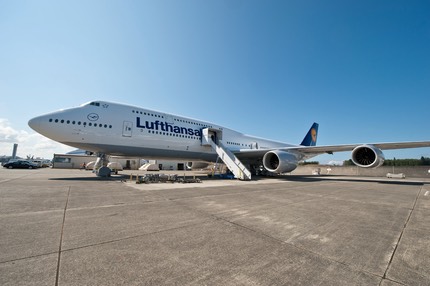
Lufthansa launched the Intercontinental on 6 December 2006 and was for a long time the only airline customer - Boeing publicly reassessed the whole programme in early 2009 for that reason. Arik Air announced an intention to buy at Farnborough in July 2008; that order was never confirmed.
In the end the customer list stayed short. Lufthansa took 19, by far the largest fleet, and Korean Air and Air China took smaller numbers. The remainder went to VIP and head-of-state operators, for whom the aircraft's size, range and four engines were worth more than seat-mile cost.
That last category produced the final chapter. Two 747-8s are being converted into the VC-25B presidential aircraft, and a Qatari 747-8 was gifted to the United States and brought into service as an interim Air Force One in 2026 - meaning the passenger 747-8 will still be flying heads of state long after the last airline retires one.
Why so few
The Intercontinental arrived at the wrong moment. Airlines were moving decisively to twin-engined aircraft - the 777-300ER and later the 787 and A350 - which flew the same routes with two engines instead of four and did not need to be filled with 400-plus passengers to make money.
The 747-8 Freighter had no such competition and outsold it more than two to one.
Video
Sources
Facts on this page are checked against the primary and institutional references below.
Related topics
Launching the 747-8 Intercontinental
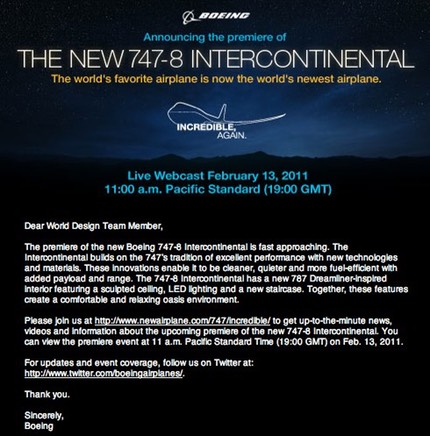
Boeing launched the 747-8 family in November 2005, and Lufthansa became the first airline to order the passenger Intercontinental in December 2006.
Boeing 747-8 Passenger Version: Cabin and Airline Demand
The passenger 747-8 offered 51 more seats and 26 percent more cargo volume than the 747-400, but found only a handful of airline customers.
The Boeing 747-8
A guide to the final 747 - the stretched fuselage, new wing, GEnx-2B engines, 787-derived flight deck and the freighter that closed the production line.

Lufthansa 747-8 seat maps
Lufthansa Boeing 747-8 seat maps for both decks - the launch customer and largest operator of the last passenger 747.
Boeing 747-400 vs 747-8
The 747-8 is bigger, heavier and quieter than the 747-400, with a new wing, GEnx-2B engines and a stretched fuselage - but it sells a fraction as well.
The 747-8 cabin experience
Larger windows, a sculpted 787-style ceiling, LED mood lighting and a quieter cabin than any previous 747.
More in Boeing 747 Family
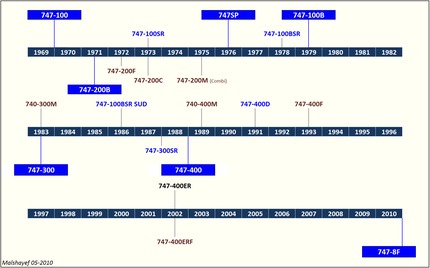
Boeing 747 Family
Every Boeing 747 variant built between 1968 and 2023 - the 747-100, -200, -300, -400 and 747-8, with freighter, combi and short-range models explained.
Boeing 747 Production Data
Download Boeing 747 production totals by generation, with a transparent method and links to Boeing's final programme record and technical documents.
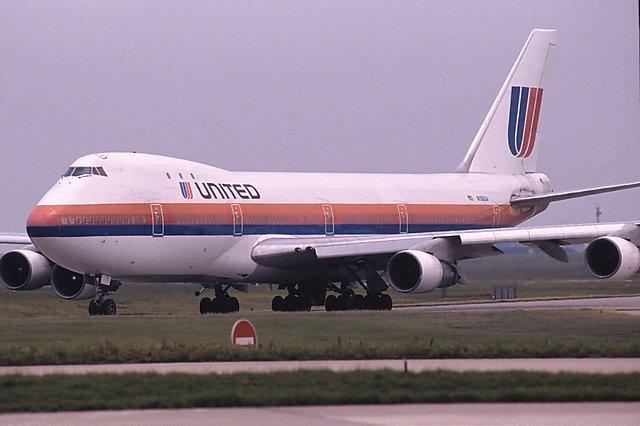
747-100
The original Boeing 747-100 entered service in 1970 with six upper-deck windows and a lounge; later aircraft offered a ten-window upper deck.
747-100B
The 747-100B added a stronger airframe and undercarriage and a 750,000 lb maximum takeoff weight. Only Iran Air and Saudia took delivery.
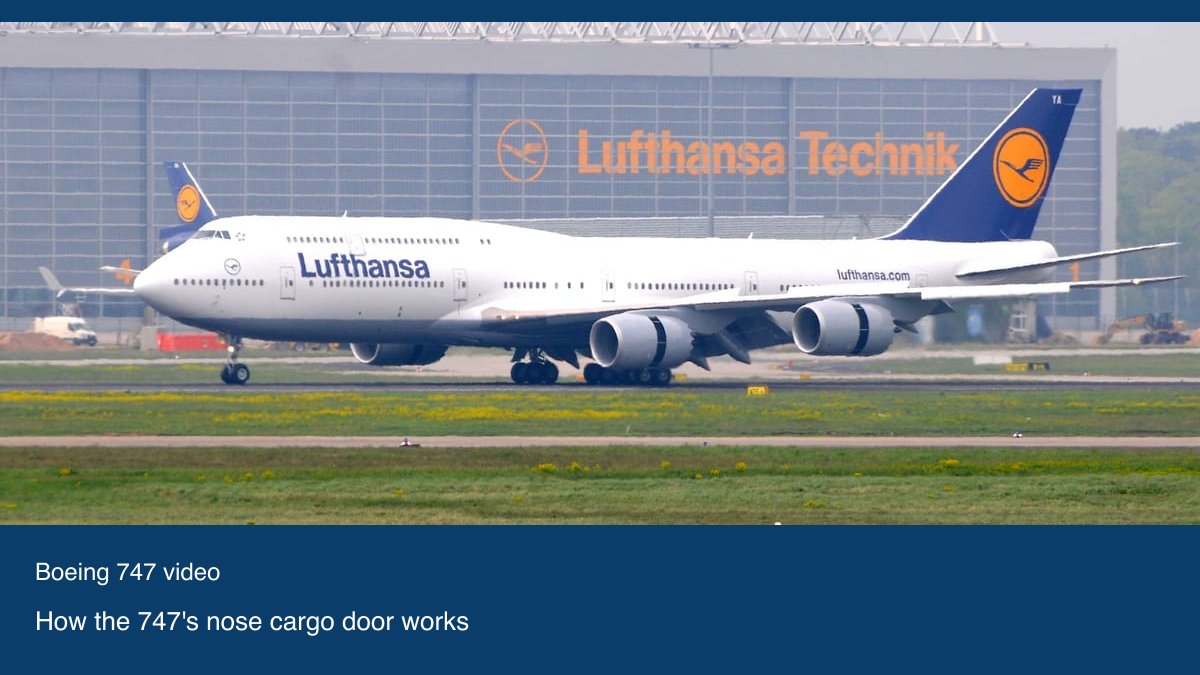
747-100F
Freighter specification for the Boeing 747-100F, covering main-deck and belly cargo volumes, pallet counts and upper-deck crew lounge options.
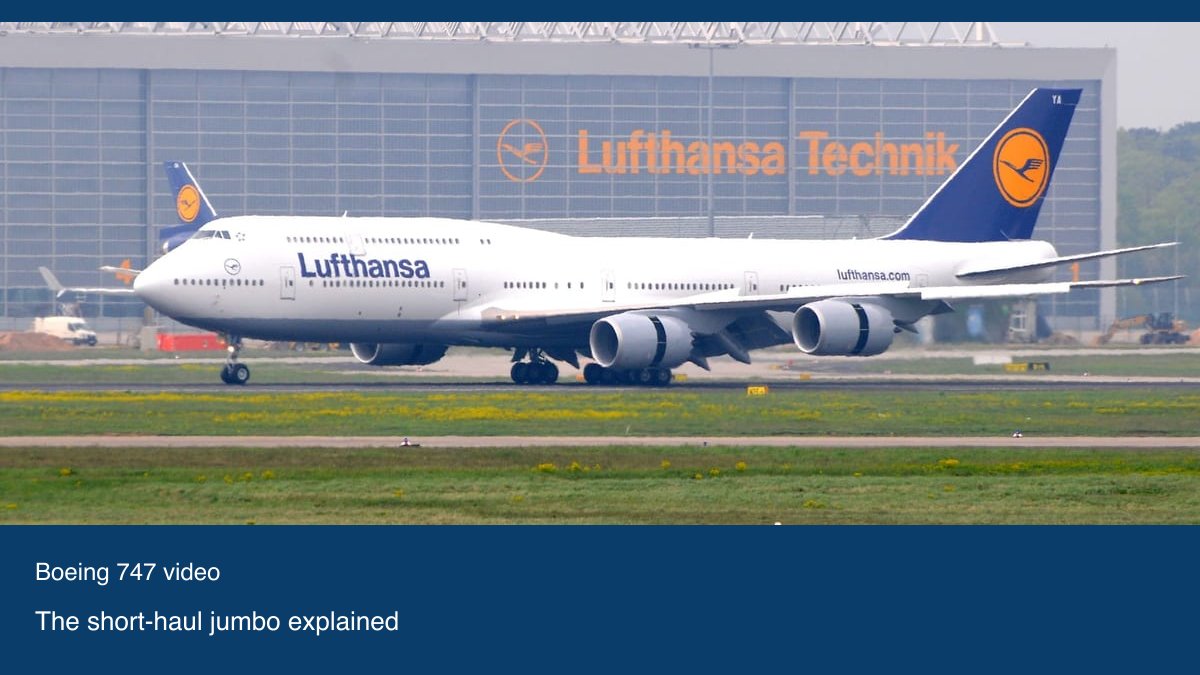
747-100SR
Built for Japanese domestic routes, the 747-100SR traded fuel capacity for seats, carrying up to 550 passengers on short high-frequency sectors.