Boeing 747 accidents and incidents
A chronological guide to 22 selected Boeing 747 accidents and incidents, with a detailed account and image for every entry.
Explore the aircraft, circumstances and investigation findings behind these selected cases, from Nairobi in 1974 to Bagram in 2013. The list includes accidents, deliberate attacks and non-fatal incidents.
Accidents and incidents, in date order
22 selected cases. Each account includes an image, sources and a link back to this list.
Ken Fielding · Source · CC BY-SA 3.0
Lufthansa 540
Nairobi, Kenya Fatalities: 59
Takeoff configuration and leading-edge devices.
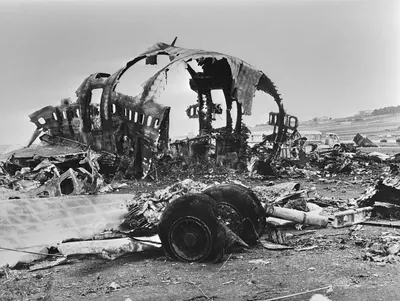
Read the full accountTenerife: KLM 4805 and Pan Am 1736
Tenerife, Canary Islands Fatalities: 583
Runway collision in fog.
Read the full accountIllustrative aircraft photograph. Martin Harrison · Source · CC BY-SA 4.0
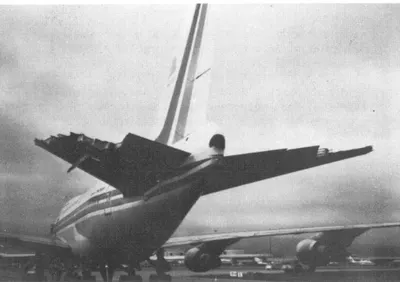
El Al 747 decompression
Over Belgrade, Yugoslavia Fatalities: 1
Loss of cabin pressure.
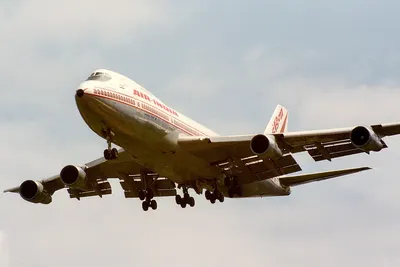
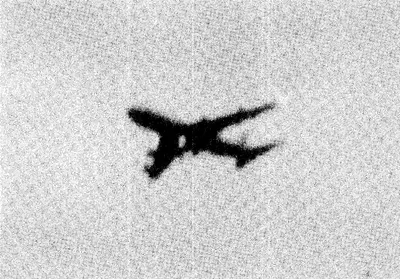
Read the full accountAir India 855
Off Mumbai, India Fatalities: 213
Instrument disagreement and loss of control.
Read the full accountBoeing-747.com · CC BY 4.0
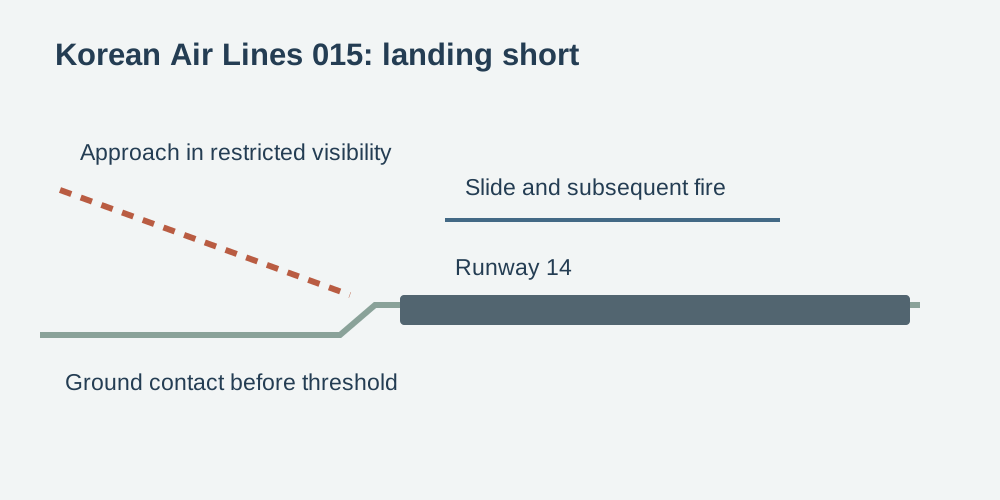
Korean Air Lines 015
Seoul, South Korea Fatalities: 14–15 reported
Landing short of the runway.
Read the full accountG B_NZ · Source · CC BY-SA 2.0
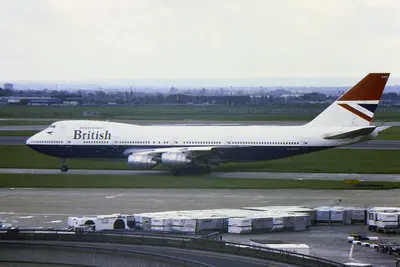
British Airways 9
Near Java, Indonesia Fatalities: 0
Volcanic ash and four-engine flameout.
Read the full accountPan Am 830
Pacific Ocean, near Hawaii Fatalities: 1
Cabin bombing; emergency landing.
Read the full accountKorean Air Lines 007
Near Sakhalin, Soviet Union Fatalities: 269
Navigation deviation and military shootdown.
Read the full accountNTSB · Source · Public domain
China Airlines 006
Pacific Ocean Fatalities: 0
Loss of control; recovery and landing.
Read the full accountIan Kirby · Source · CC BY-SA 3.0
Air India 182
Atlantic Ocean, off Ireland Fatalities: 329
Bombing and in-flight breakup.
Read the full accountJapan Air Lines 123
Mount Osutaka, Japan Fatalities: 520
Pressure bulkhead failure after an improper repair.
Read the full accountLeslie Snelleman · Source · CC BY-SA 4.0
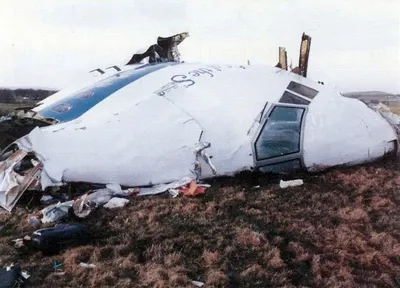
Pan Am 103, Lockerbie
Lockerbie, Scotland Fatalities: 270
Bombing and in-flight breakup.
Read the full accountJos Wiersema; version modified by Simeon87 · Source · CC BY-SA 3.0
El Al 1862, Bijlmermeer
Amsterdam, Netherlands Fatalities: 43
Engine pylon separation and loss of control.
Read the full accountNational Transportation Safety Board · Source · Public domain
TWA 800
Off Long Island, United States Fatalities: 230
Centre fuel tank explosion.
Read the full accountRex B. Cordell, U.S. Navy. · Source · Public domain
Boeing-747.com · CC BY 4.0
Korean Air Cargo 8509
Near Stansted, England Fatalities: 4
Attitude-indicator fault and loss of control.
Read the full accountTaiwan Transportation Safety Board · Source · Public domain
Tom Lo · Source · CC BY-SA 4.0
China Airlines 611
Taiwan Strait Fatalities: 225
Structural failure after an improper repair.
Read the full accountMichael Eaton-Aviation · Source · CC BY-SA 4.0
Korea Aviation Accident Investigation Board · Source · KOGL Type 1
National Transportation Safety Board · Source · Public domain
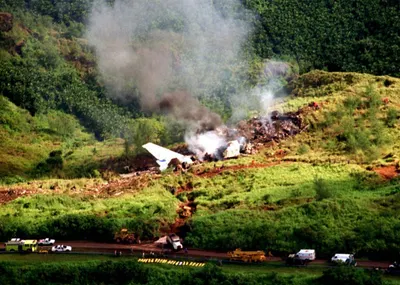
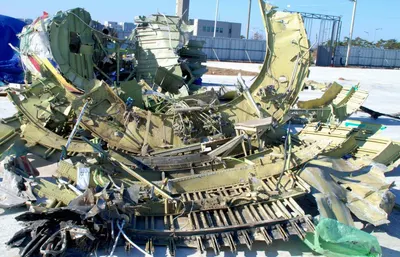
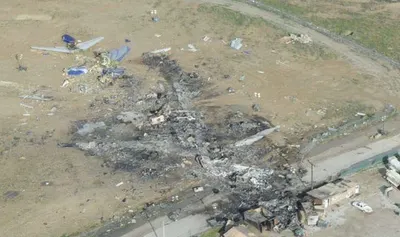
National Airlines 102
Bagram, Afghanistan Fatalities: 7
Cargo restraint failure and flight-control damage.
Read the full account












.jpg)


.jpg)
.jpg)


.png)
.jpg)
Reading the figures: fatalities include people on the ground where applicable. The Korean Air Lines 015 account explains conflicting historical counts. The Pan Am 73 figure follows the U.S. Justice Department chronology; the Amsterdam total follows the City Archives' final count.
Understanding the safety lessons
These events involved different causes: runway operations, navigation, repairs, structural failures, cargo restraint, fire and security. The detail pages distinguish investigation findings from historical context and identify gaps in the available record.
For the equipment behind those findings, explore 747 systems and the 747 family. For a broader event database, visit the Aviation Safety Network.
Frequently asked questions
- What was the worst Boeing 747 accident?
- The Tenerife airport disaster of 27 March 1977, in which two 747s collided on the runway. 583 people died, making it the deadliest accident in aviation history. The deadliest involving a single aircraft was Japan Air Lines Flight 123 in 1985, in which 520 people died.
- Does this list include every Boeing 747 accident?
- No. It covers 22 selected accidents and incidents, including non-fatal events, hijackings and bombings. The Aviation Safety Network database provides broader coverage.
Sources
Facts on this page are checked against the primary and institutional references below.
- List of accidents and incidents involving the Boeing 747 - Wikipedia
- Aviation Safety Network - accident database - Flight Safety Foundation
Related topics
What Boeing 747 accidents taught aviation
Three patterns run through 747 accidents - fuel-tank safety, crew resource management and improper repairs. Each one changed rules that still govern aviation.
What Boeing supplied, and what the airline chose
Almost everything inside a 747-400 cabin was buyer-furnished and fitted under STC, which is why approved cabin modifications run to dozens.

The 747 as a flying testbed
General Electric, Rolls-Royce and Pratt & Whitney all fly engines on 747s - because a four-engined aircraft can carry a strange engine safely.

747 Timeline
A Boeing 747 chronology from the 1963 design study to the final delivery in January 2023, with rollout, first flight and delivery dates.
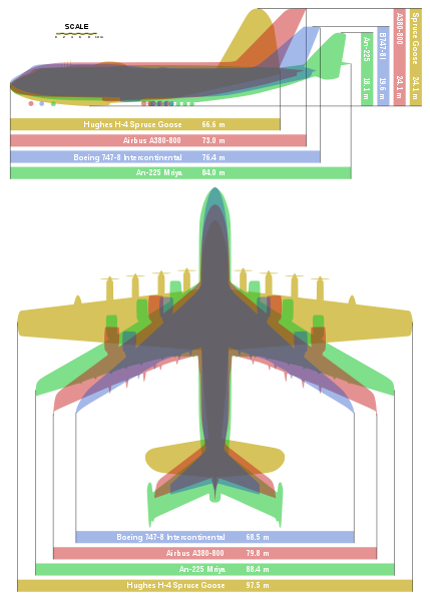
747 versus A380
The two largest airliners ever built, compared - size, capacity, economics, and why both are now out of production.
About Alykhan Virani
Meet Alykhan Virani, the Boeing 747 enthusiast who researches, writes and reviews the independent reference pages on Boeing-747.com.