Asiana 991, 28 July 2011
A cargo fire destroyed a 747-400F over the sea in 18 minutes, killing both crew and contributing to tighter rules on lithium batteries in air cargo.

.png)
On 28 July 2011, Asiana Airlines Flight 991 - a Boeing 747-48EF freighter, registration HL7604 - was destroyed by an in-flight fire and came down in the sea. Both crew members died.
The load
The aircraft was carrying 58 tonnes of cargo, mostly semiconductors and displays. Among it were about 400 kg of lithium batteries, paint and photoresist fluid.
Investigators established that a fire began in or near one of the ULD pallets containing dangerous goods in the rear fuselage. They could not determine exactly what started it.
Eighteen minutes
That is the figure that matters. From the first indication to the loss of the aircraft was around eighteen minutes - not enough time to reach a diversion airfield.
A main-deck fire on a freighter is a fundamentally different problem from a fire in a passenger aircraft's belly hold. Class C cargo holds beneath a passenger cabin are sealed and fitted with suppression. A freighter's main deck is an enormous open volume full of combustible packaging, and suppression at that scale is extremely difficult.
Lithium batteries
This accident, together with the loss of UPS Airlines Flight 6 in 2010, pushed lithium batteries up the agenda quickly. In 2012 ICAO began work on new standards for carrying them by air, and the rules have tightened repeatedly since: restrictions on quantity and state of charge, packaging and segregation requirements, and outright prohibitions on some categories aboard passenger aircraft.
The underlying problem is that a lithium cell in thermal runaway supplies its own oxidiser. Conventional suppression systems, which work by displacing oxygen, do not reliably stop it.
Why freighters carry the risk
Freighters fly the same routes as airliners, but their loads are dense, concentrated and often hazardous - and, as National Airlines 102 showed in a different way, what is in the hold and how it is secured can determine whether the aircraft survives.
That is the recurring theme across the 747 freighter accidents: the aeroplane was fine. The cargo was the problem.
Related
Sources
Facts on this page are checked against the primary and institutional references below.
- Asiana Airlines Flight 991 accident investigation report - Aviation and Railway Accident Investigation Board, Republic of Korea
Related topics
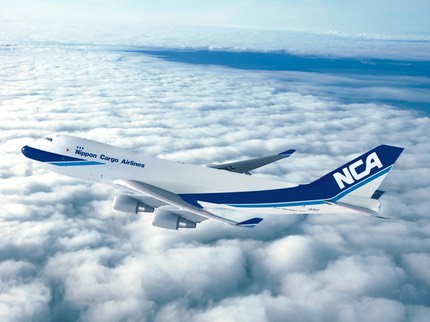
747-400F
The all-freight 747-400F used the 747-200F fuselage. It first flew in May 1993 and entered service with Cargolux that November.
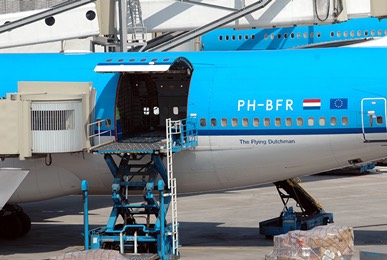
747-400M (Combi)
In service since 1975, the 747 Combi carries passengers and main-deck freight together using a large side cargo door behind the left wing.
Atlas Air
The largest 747 fleet in the world, and the airline that took delivery of the very last 747 ever built.
Boeing 747 Freighter Specifications
Compare Boeing 747-400F, 747-400ERF and 747-8F weights, structural payload, fuel and cargo volumes using identified Boeing planning configurations.

Inside the 747-8 Freighter
The 747-8F is 18.4 ft longer than the 747-400F, carries 16 percent more revenue cargo volume, and keeps the nose door that defines the 747 freighter.
The Boeing C-33
A proposed military 747-400 freighter meant to supplement the C-17 fleet. Congress studied it, then bought more C-17s instead.
More in Accidents
Boeing 747 accidents and incidents
Explore 22 Boeing 747 accidents and incidents in date order, with individual accounts, historical images, investigation findings and sources.
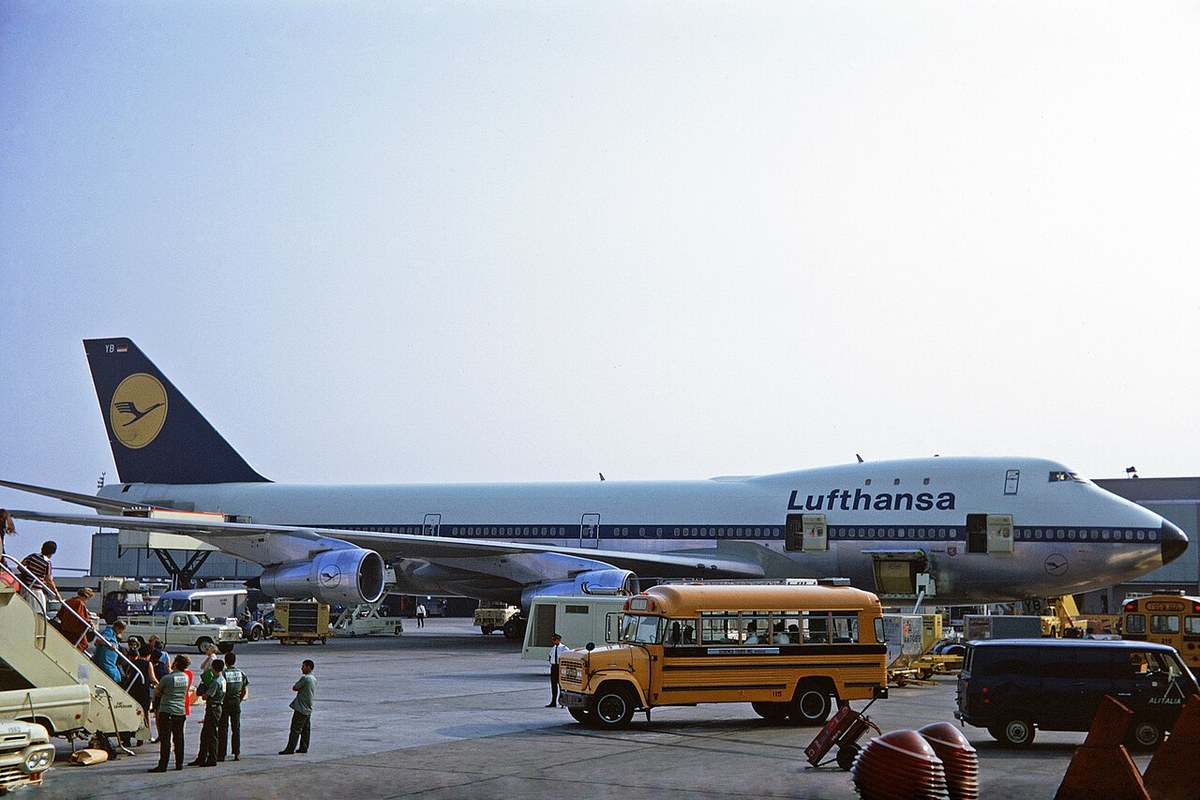
Lufthansa Flight 540
Lufthansa Flight 540 crashed after takeoff at Nairobi in 1974. Read the aircraft details, leading-edge configuration findings and survival figures.
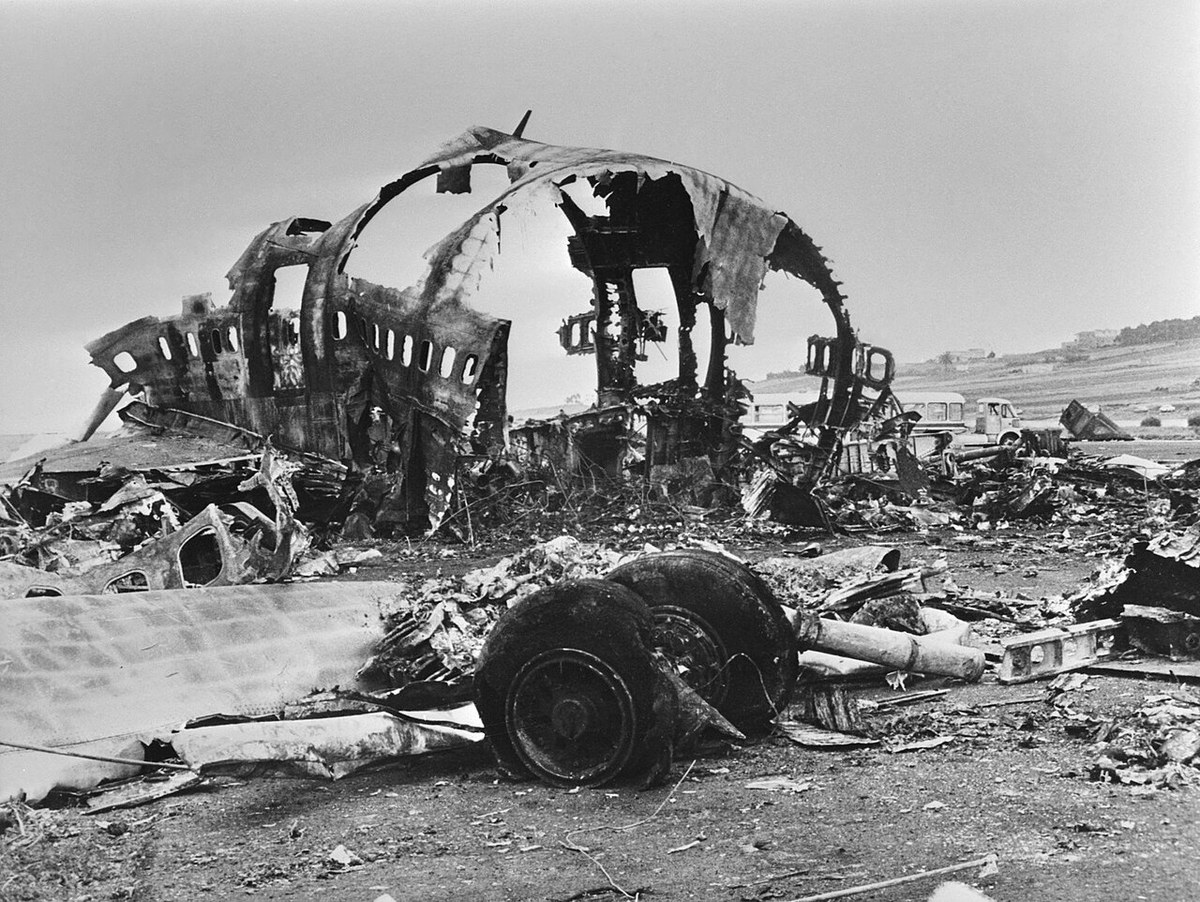
Tenerife, 27 March 1977
Two Boeing 747s collided in fog at Tenerife, killing 583 people. It remains the deadliest accident in aviation history, and it changed how crews talk.
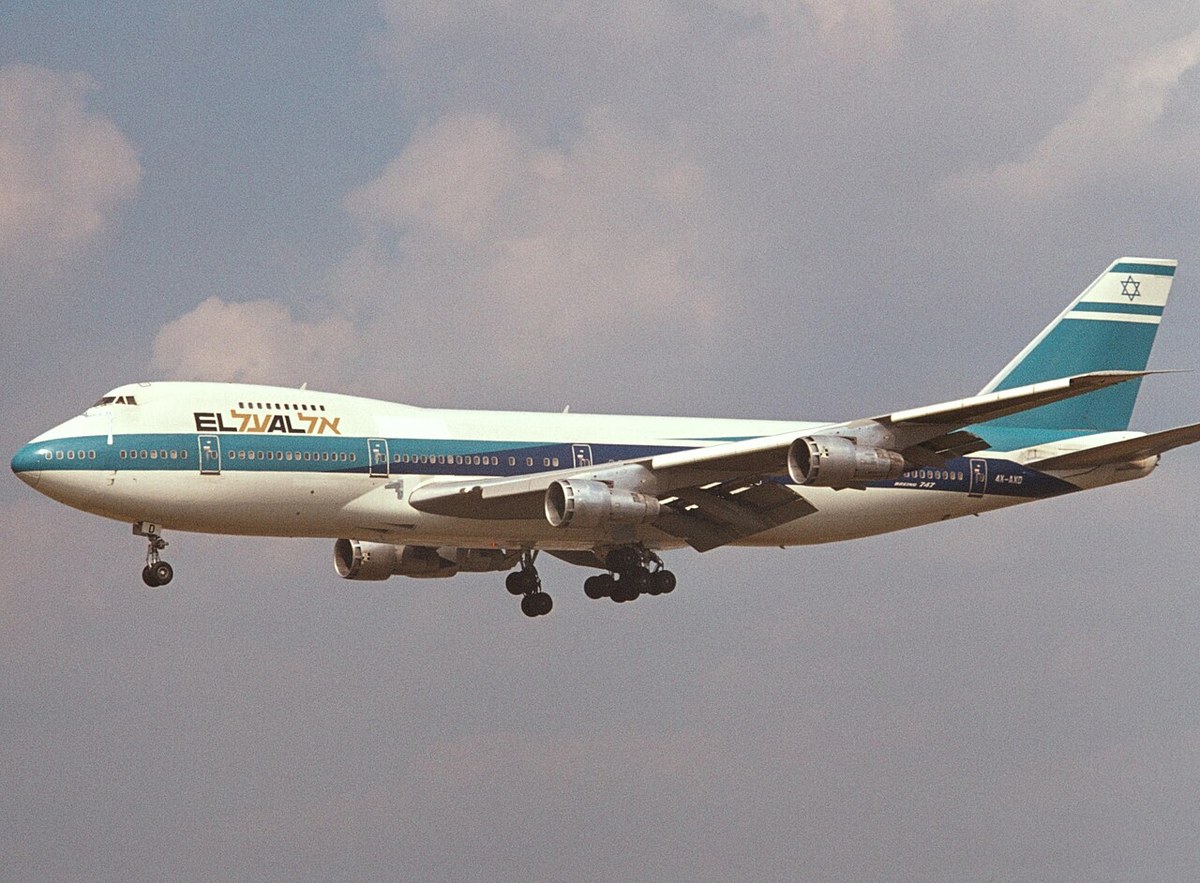
El Al 747 decompression, 1977
An El Al 747 lost cabin pressure over Belgrade in November 1977. Read the documented facts, source limitations and historical context.
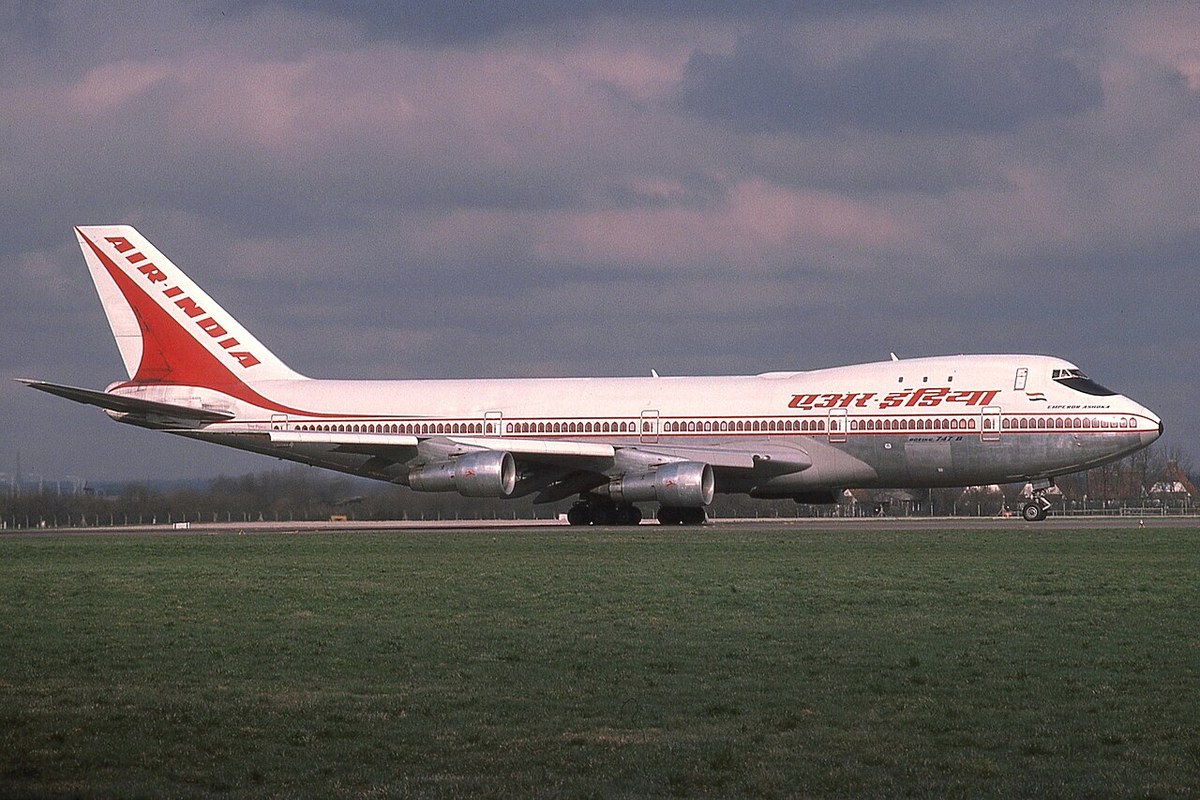
Air India 855, 1 January 1978
A failed attitude indicator disorientated the captain of a 747 over dark sea off Bombay. All 213 aboard died 101 seconds after takeoff.
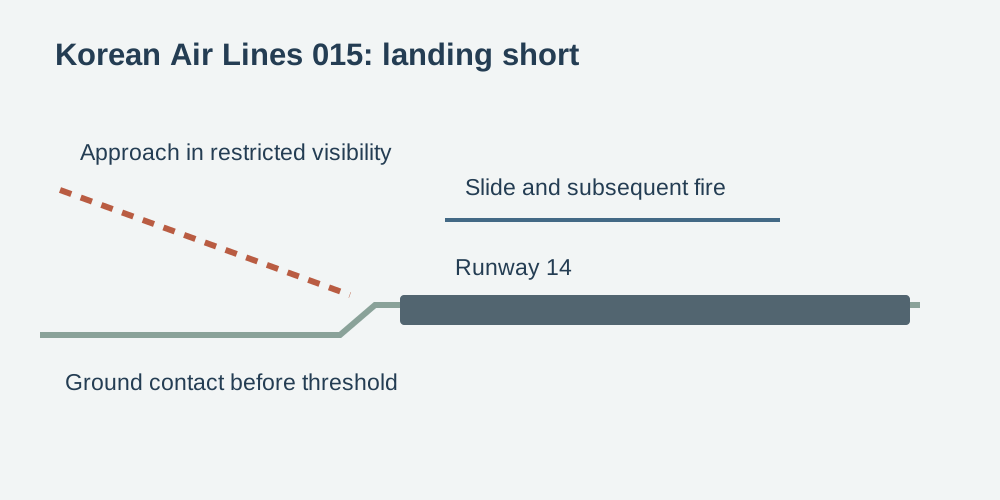
Korean Air Lines Flight 015
Korean Air Lines Flight 015 landed short at Seoul in 1980. Explore the landing and fire, aircraft details and conflicting historical fatality counts.