British Airways 9, 24 June 1982
A 747-236B lost all four engines in volcanic ash at 37,000 ft, glided 91 nmi, restarted three engines and landed at Jakarta. Nobody was hurt.

.jpg)
On 24 June 1982, British Airways Flight 9 flew into a cloud of volcanic ash over Java and lost all four engines. Everybody aboard survived.
The aircraft was G-BDXH, a Boeing 747-236B named City of Edinburgh, flying London to Auckland via Bombay, Kuala Lumpur, Perth and Melbourne. There were 263 people aboard - 248 passengers and 15 crew.
Why nobody saw it coming
The ash came from an eruption of Mount Galunggung. The crucial point is that dry volcanic ash does not show on weather radar, which is designed to detect water droplets. The crew had no indication they were flying into anything at all.
What they saw instead was St Elmo's fire on the windscreen and a glow from the engines. What the ash was doing was sandblasting the windscreen opaque, and melting inside the hot section of each engine, where it fused into a glassy coating and choked the airflow.
All four Rolls-Royce RB211s failed within about a minute, at 37,000 ft.
Twenty-three minutes
A 747 without thrust is a glider with roughly a 15:1 glide ratio. The crew calculated they could stay airborne about 23 minutes and cover 91 nautical miles - which was not enough to reach anywhere with a runway if they could not restart, and meant a ditching in the Indian Ocean.
Captain Eric Moody then made the announcement that made the flight famous:
Ladies and gentlemen, this is your captain speaking. We have a small problem. All four engines have stopped. We are doing our damnedest to get them going again. I trust you are not in too much distress.
The restart
The engines came back because of physics rather than procedure. As the aircraft descended out of the ash and into cooler, denser air, the fused ash cooled, solidified and cracked off the engine internals.
At about 13,500 ft, after repeated attempts, the engines relit. Number two had to be shut down again for heavy vibration, so the aircraft continued on three.
They landed at Halim Perdanakusuma airport, Jakarta - with the windscreen so badly abraded by ash that the crew had to look through a small clear strip at the side to land.
No injuries.
What changed
The accident, and a similar Singapore Airlines encounter weeks later in the same area, established volcanic ash as a serious aviation hazard rather than a curiosity.
The result was the international network of Volcanic Ash Advisory Centres, which track eruption plumes and issue warnings to aircraft, plus procedures for crews who find themselves in ash: reduce thrust, leave the cloud by the shortest route, and expect the engines to fail.
Those procedures are why the 2010 Eyjafjallajökull eruption closed European airspace rather than being flown through. That caution traces directly to this flight.
Related
Frequently asked questions
- Has a Boeing 747 ever lost all four engines?
- Yes. On 24 June 1982, British Airways Flight 9 flew into a volcanic ash cloud over Java and all four engines failed within about a minute. The crew glided for 23 minutes, restarted three engines and landed safely at Jakarta with no injuries among the 263 people aboard.
Sources
Facts on this page are checked against the primary and institutional references below.
- British Airways Flight 9 - Wikipedia
Related topics
Three shafts and a distinctive note
Rolls-Royce RB211-524 engines powered British Airways, Qantas and other 747s from 1977 to the 747-400 and -400ER.
Boeing 747-100 vs 747-200
What the 747-200 added to the original 747-100: more thrust, higher takeoff weights, a ten-window upper deck and freighter, combi and convertible variants.
Boeing 747-200 vs 747-300
The 747-300's stretched upper deck gave it about ten percent more capacity than the 747-200, with quieter engines and no change in length or weight limits.
BOAC and BA classic 747 seat maps
The first British 747 cabins - BOAC's 362-seat 747-100 with its Monarch Lounge, and the 319-seat British Airways -200 that succeeded it.
Boeing 747 engines compared
The three 747 engines - Pratt & Whitney's JT9D, General Electric's CF6 and Rolls-Royce's RB211 - and the multi-engine choice that saved the programme.
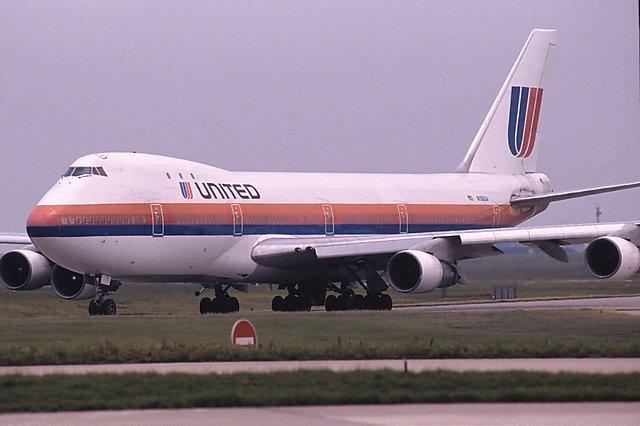
747-100B
The 747-100B added a stronger airframe and undercarriage and a 750,000 lb maximum takeoff weight. Only Iran Air and Saudia took delivery.
More in Accidents
Boeing 747 accidents and incidents
Explore 22 Boeing 747 accidents and incidents in date order, with individual accounts, historical images, investigation findings and sources.
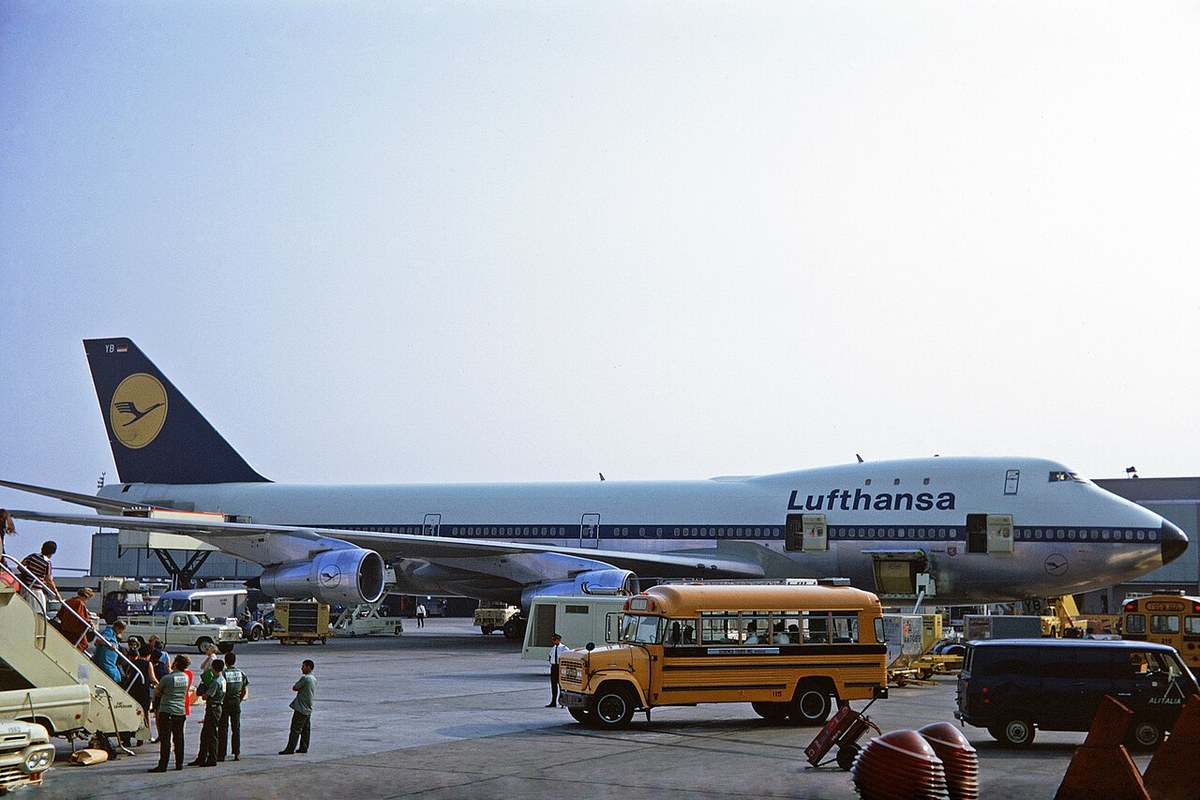
Lufthansa Flight 540
Lufthansa Flight 540 crashed after takeoff at Nairobi in 1974. Read the aircraft details, leading-edge configuration findings and survival figures.
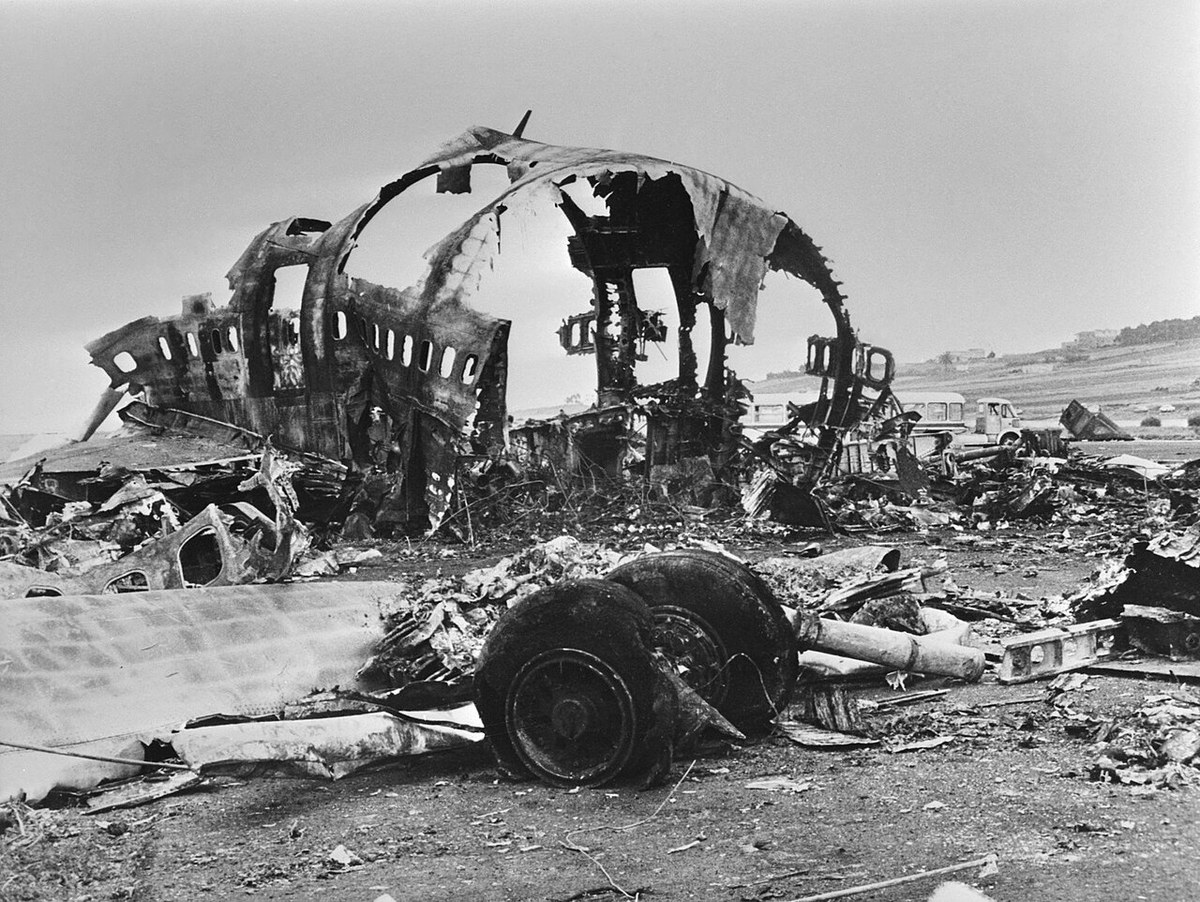
Tenerife, 27 March 1977
Two Boeing 747s collided in fog at Tenerife, killing 583 people. It remains the deadliest accident in aviation history, and it changed how crews talk.
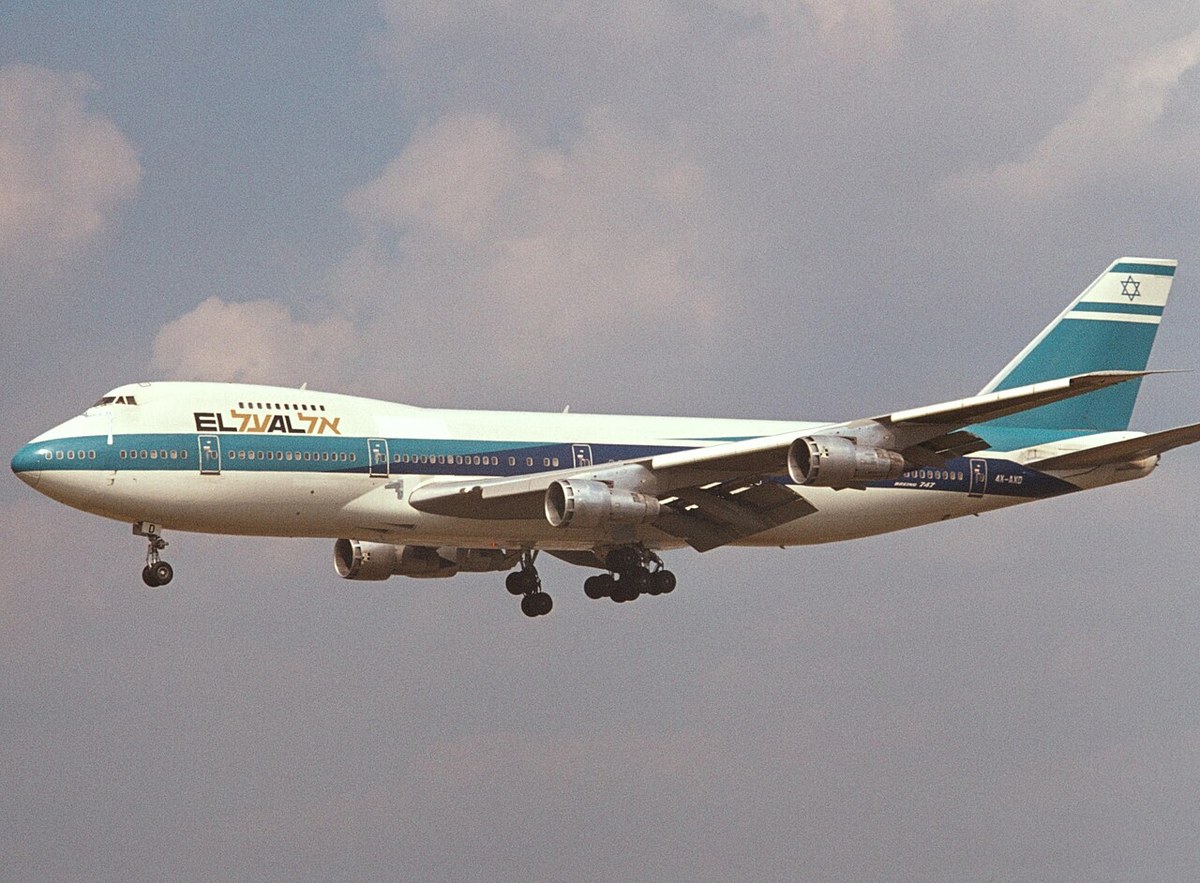
El Al 747 decompression, 1977
An El Al 747 lost cabin pressure over Belgrade in November 1977. Read the documented facts, source limitations and historical context.
Air India 855, 1 January 1978
A failed attitude indicator disorientated the captain of a 747 over dark sea off Bombay. All 213 aboard died 101 seconds after takeoff.
Korean Air Lines Flight 015
Korean Air Lines Flight 015 landed short at Seoul in 1980. Explore the landing and fire, aircraft details and conflicting historical fatality counts.