Boeing 747 engines compared
The JT9D proved the high-bypass turbofan on the 747's first flight, the CF6 and RB211 gave airlines a choice from the 747-200 onwards, and the engine choice saved the programme's commercial case.
A turbofan works by throwing a large mass of air backwards slowly, most of it bypassing the hot core entirely. It is quieter and more efficient than the pure turbojet it replaced, and it is the reason the 747 can cross an ocean economically.
The question this page answers is: what do you get when you put three different turbofans under the same wing?
The engines and the aircraft they powered
| Engine family | Typical thrust | 747 generations |
|---|---|---|
| Pratt & Whitney JT9D | ~46,000–50,000 lbf | 747-100, later -200 and -300 |
| General Electric CF6 | ~53,000–63,300 lbf (later variants) | 747-200, -300, -400 |
| Rolls-Royce RB211 | ~56,500–63,300 lbf (G/H models) | 747-200, -300, -400 |
| Pratt & Whitney PW4000 | ~63,000+ lbf | 747-400 |
| General Electric GEnx-2B | 66,500 lbf | 747-8 only |
The JT9D
The 747-100 had one engine choice, and the choice was the JT9D — the first high-bypass turbofan on a commercial airliner. It was rushed to meet the programme schedule, and its early reliability was bad enough that the first 747s were nearly grounded.
Later models — especially the JT9D-7R4 — fixed the worst of the problems, but the reputational damage was enough that airlines asked for alternatives. The JT9D’s difficult start is the reason the 747-200 offered three engines. It is also the reason Pratt & Whitney needed the PW4000 for the 747-400 generation.
The CF6
General Electric’s high-bypass turbofan arrived in the 1970s and proved reliable and flexible. On the 747 it spanned the entire family from the -200 to the -400, in variants including the CF6-80C2 — a workhorse that powered thousands of 777s and A330s as well.
The RB211
Rolls-Royce’s entry was the three-shaft high-bypass engine: a design that gave it an unusually smooth power delivery and a distinctive high-pitched whine. The RB211-524G and -524H, available from the 747-400, delivered similar thrust to the CF6-80C2.
Why three engines mattered commercially
Three things did the work:
- Risk management. No airline betting a billion dollars on a new aircraft wanted a single-source engine. Three options meant three competing proposals.
- Customisation. Pacific carriers flew different missions from Middle Eastern ones; different engines suited different routes.
- Commercial leverage. Three manufacturers competing kept pricing and delivery honest — and this was the programme’s commercial problem-solver.
The 747-8 reversed this. A GE exclusivity agreement meant the GEnx-2B was the only engine available, for at least ten years — the exact opposite of the strategy that had made the 747-200 a commercial success.
| Manufacturer | Boeing |
|---|---|
| Variant | JT9D vs CF6-80C2 vs RB211-524G/H |
| First flight | 747-100 flew 9 February 1969 with the JT9D; later engine options from the -200 on |
| Engines | Pratt & Whitney JT9D, General Electric CF6-80C2, Rolls-Royce RB211-524G/H |
| Typical capacity | 366 (747-100, 3-class) to 416 (747-400, 3-class) |
| Cruise speed | Mach 0.84–0.855 — airframe, not engine, limited |
Frequently asked questions
- Why did Boeing offer three engines on the 747-200?
- Because no single manufacturer could guarantee enough units to fill a multi-decade production line. Three manufacturers tripled the potential customer base and kept any one supplier from holding the programme hostage on price or schedule.
- Which engine did Boeing use on the 747-8?
- Only the General Electric GEnx-2B, the only engine available under an exclusivity agreement. The switch from an open competition to a single-source arrangement is the exact reverse of the strategy that had made the 747-200 a commercial success.
Sources
Facts on this page are checked against the primary and institutional references below.
Related topics
Air France Boeing 747 fleet history
Air France flew 747s from 1970 to the final passenger flights of January 2016, also operating one of the largest 747 freighter fleets.
All Nippon Airways Boeing 747 fleet history
ANA created the world-first 500+ seat all-economy 747SR in 1979 and flew 45 new-build 747s until the last 747-400D retired.
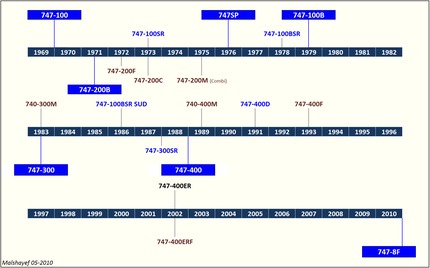
Boeing 747 Family
Every Boeing 747 variant built between 1968 and 2023 — the 747-100, -200, -300, -400 and 747-8, with freighter, combi and short-range models explained.
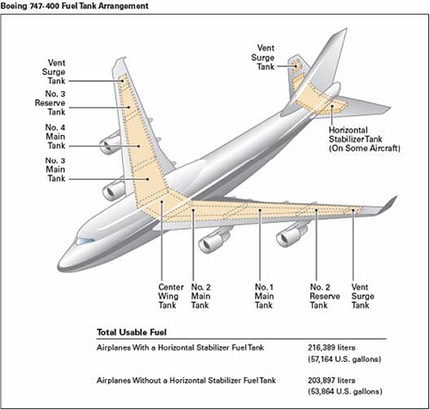
Boeing 747 Fuel System
Detailed Boeing 747 fuel system guide covering tank layout, pumps, transfer, crossfeed, refuelling, jettison, safety and every major 747 variant.
Boeing 747 Production Data
Download Boeing 747 production totals by generation, with a transparent method and links to Boeing's final programme record and technical documents.
El Al Boeing 747 fleet history
El Al flew 26 Boeing 747s across the -100, -200, -300 and -400, retiring its last passenger 747 in November 2019.
More in Features
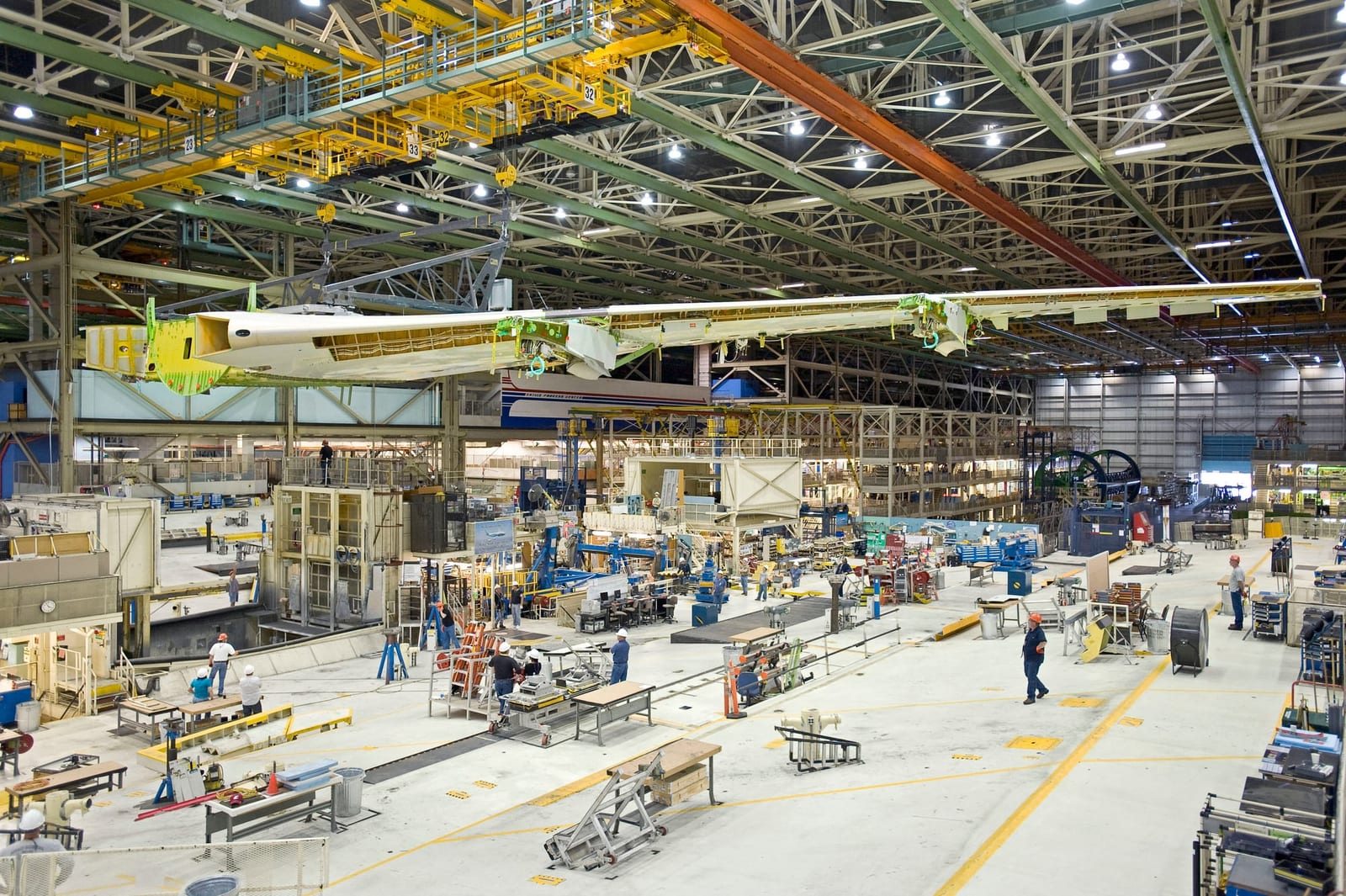
Features
Longer pieces on the Boeing 747 — the factory built to make it, how it compares to the A380, what became of the retired fleet, and what it is like to fly.
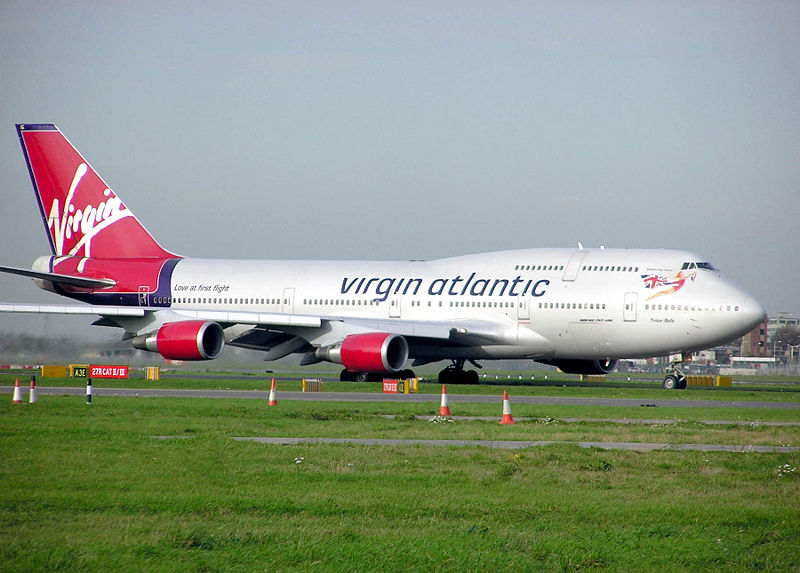
How to Identify Boeing 747 Variants
Identify Boeing 747 variants from photographs using upper-deck length, wingtip shape, fuselage length, engine nacelles and freighter doors.
The building that had to be built first
Boeing had no building big enough for the 747, so it built the largest building in the world by volume — and assembled the aeroplane while it was going up.
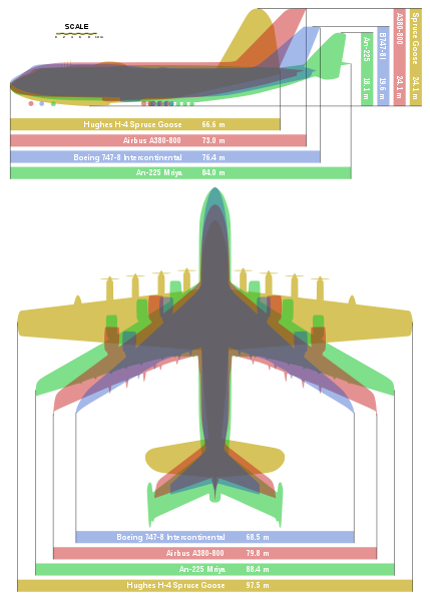
747 versus A380
The two largest airliners ever built, compared — size, capacity, economics, and why both are now out of production.
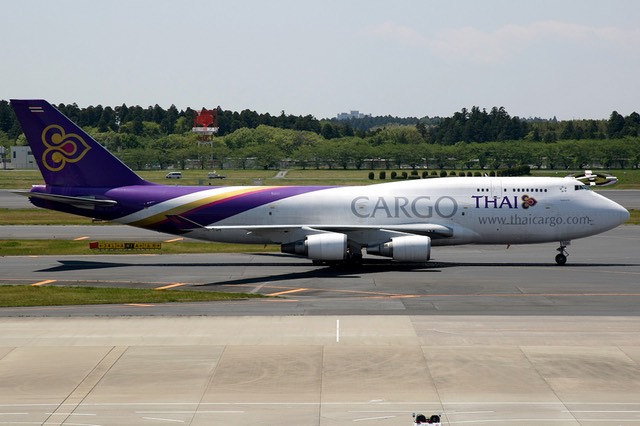
Where the 747s went
Most retired 747s were scrapped. Others became freighters, museum pieces, restaurants, a hotel — and one launched satellites into orbit.
Flying the 747
What the 747 is like to fly — the type rating, the view from 30 feet up, the handling, and why pilots talk about it the way they do.
