Flying the 747
The type rating, the sightline from the upper deck, the handling and the reputation — why 747 pilots talk about the aircraft the way they do.
The 747 has a reputation among pilots that is out of proportion to its performance figures. It is worth setting out where that comes from, because it is not nostalgia alone.
The type rating
A pilot is licensed on a specific type, and converting costs an airline a great deal of money and several weeks of a pilot’s time. That single fact drove more of the 747’s history than any aerodynamic decision.
The 747-400 removed the flight engineer, so its rating covers a two-crew aircraft. The 747-8 was then deliberately designed to share a common type rating with the -400, despite having 787-derived displays — meaning a -400 pilot converts with a short differences course rather than a full type conversion.
That was a real part of the 747-8’s sales case, and it explains why its flight deck looks more like a 1988 aircraft than a 2011 one. Boeing could have made it far more modern and chose not to.
Going the other way, the three-crew 747-300 and earlier aircraft required a flight engineer — a separate qualification for a role that no longer exists at most airlines.
Sitting 30 feet up
The flight deck is roughly three storeys above the ground and well ahead of the nosewheel. Neither is intuitive.
On landing, the wheels touch after the pilot’s eye has already passed the aiming point, and the flare is judged from a sightline quite unlike a narrowbody’s. On the ground, turning requires the pilot to taxi past the turn before beginning it, because the main gear is a long way behind — which is exactly why the aircraft has body gear steering to tighten the geometry.
Pilots converting to the 747 consistently describe the height, not the size, as the thing that takes adjustment.
How it handles
The consistent report is that it flies smaller than it is. The controls are well harmonised, the aircraft is stable, and it responds predictably — helped by the fact that roll control is split between inboard and outboard ailerons and spoilers so that authority stays sensible across the speed range.
It is also a genuinely fast aircraft. Cruise is Mach 0.855 on the -400 and -8, which is quicker than most of what shares the airway, and the 747-8’s wing was designed to cruise as fast as or faster than any other passenger aircraft.
What it demands
Weight. A 747 at maximum takeoff weight is close to a million pounds, and everything follows from that: long runways, high speeds, energy that has to be dissipated on landing, and the most demanding rejected-takeoff certification test of any airliner.
Planning. Fuel, weight and balance on a four-engined aircraft with eight tanks and transfer between them is more work than on a twin.
Respect for the numbers. Tenerife and the Tradewinds overrun are both, in different ways, about the consequences of a decision made a second too late in a very heavy aeroplane.
Why pilots talk about it that way
Partly because it was the aircraft that made long-haul flying ordinary, and flying one meant flying the routes that mattered. Partly because a type rating on it was, for decades, the top of a career.
And partly for the reason most often given: it is a big, fast, honest aeroplane that does what you ask, and there is not going to be another one.
Related
Video
Sources
Facts on this page are checked against the primary and institutional references below.
- Boeing 747 — Wikipedia
- Airplane Flying Handbook — Federal Aviation Administration
Related topics
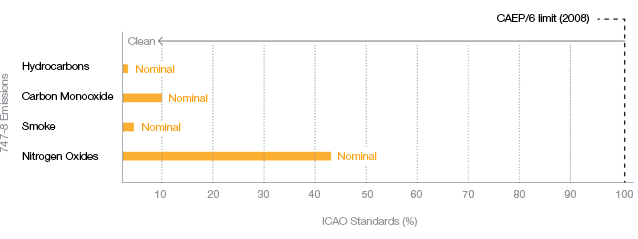
The 747-8 and the environment
The 747-8 meets emissions limits for hydrocarbons, carbon monoxide, smoke and nitrogen oxides, with a noise footprint about 30 percent smaller than the 747-400.
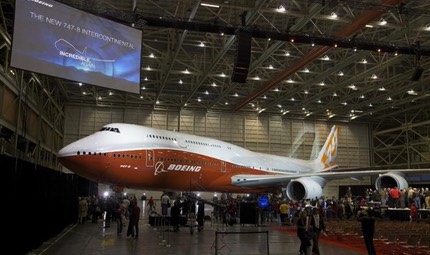
Boeing 747: History, Variants and Legacy
A complete reference to the Boeing 747, built from 1968 to 2023 — every variant from the 747-100 to the 747-8, plus special-mission jumbos and photos.
Boeing 747 auxiliary power unit (APU)
A small gas turbine in the 747’s tail cone supplies bleed air and electricity on the ground and as a backup in flight.
Boeing 747 cargo-loading system
The 747 freighter’s upward-opening nose door and 96×125-inch pallet system grew out of a 1960s US Air Force requirement.
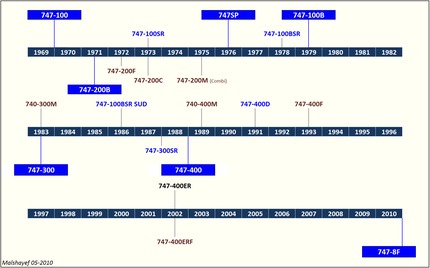
Boeing 747 Family
Every Boeing 747 variant built between 1968 and 2023 — the 747-100, -200, -300, -400 and 747-8, with freighter, combi and short-range models explained.
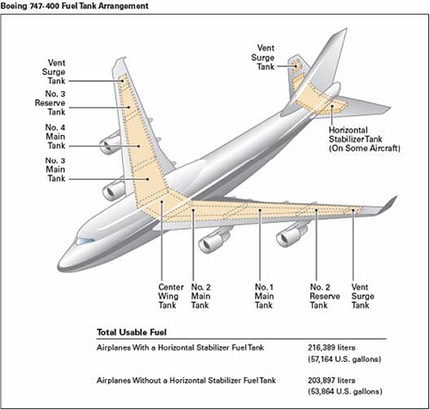
Boeing 747 Fuel System
Detailed Boeing 747 fuel system guide covering tank layout, pumps, transfer, crossfeed, refuelling, jettison, safety and every major 747 variant.
More in Features
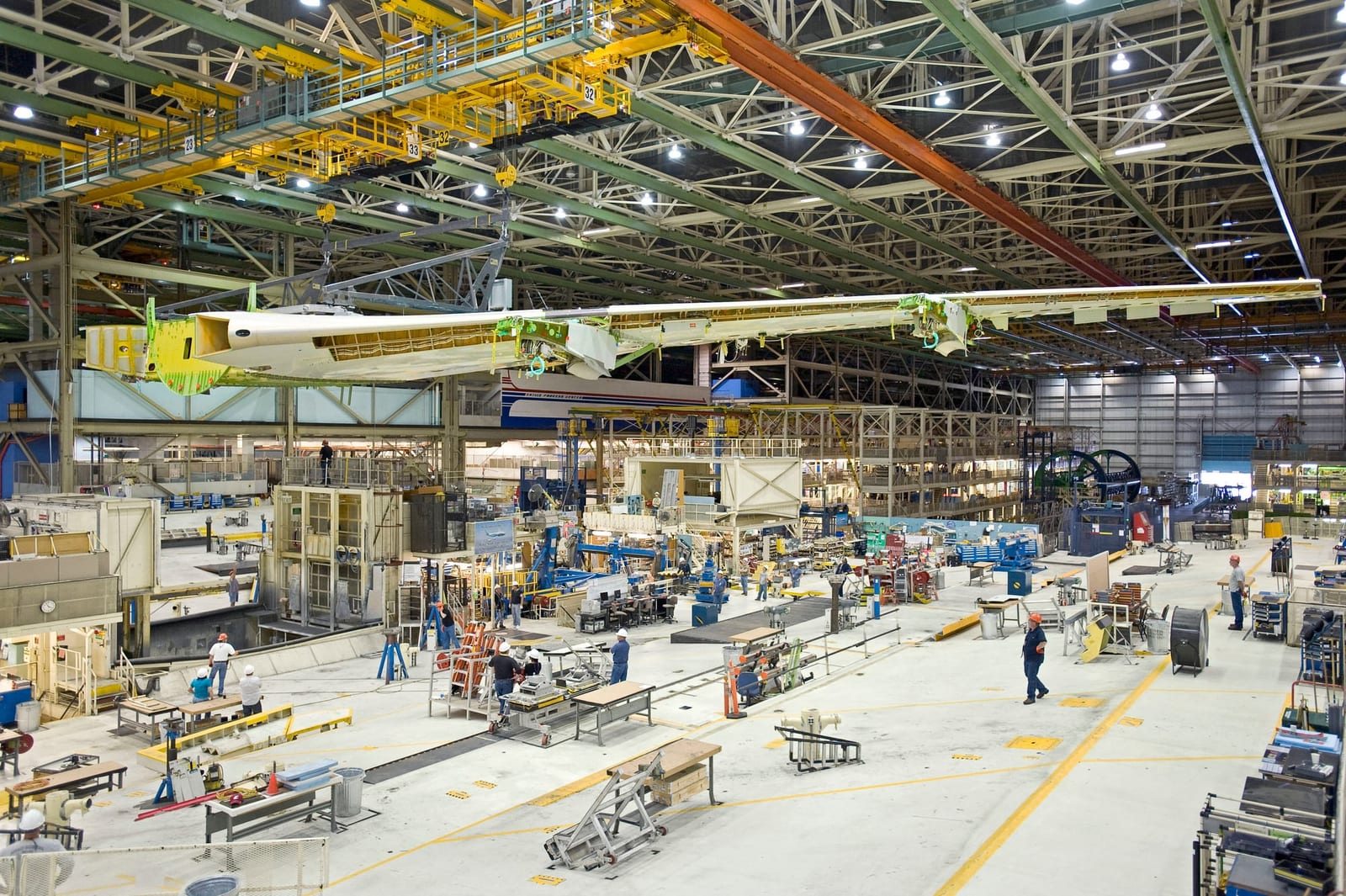
Features
Longer pieces on the Boeing 747 — the factory built to make it, how it compares to the A380, what became of the retired fleet, and what it is like to fly.
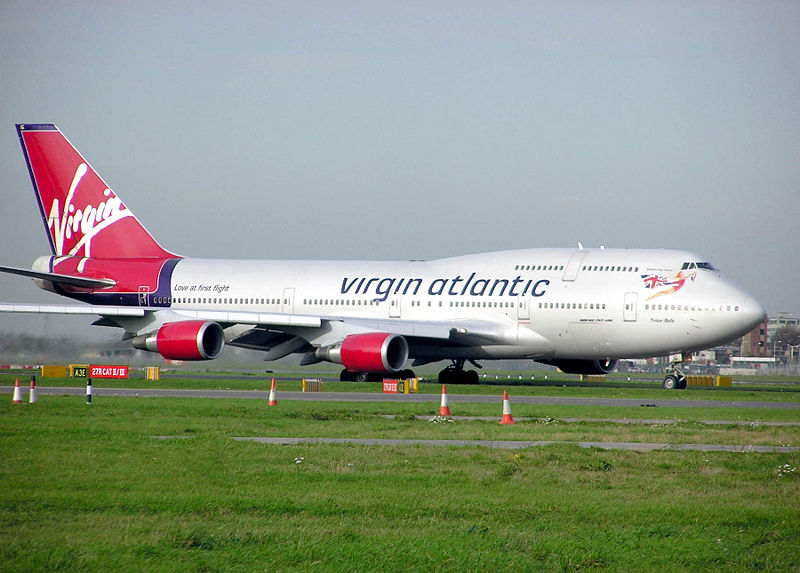
How to Identify Boeing 747 Variants
Identify Boeing 747 variants from photographs using upper-deck length, wingtip shape, fuselage length, engine nacelles and freighter doors.
The building that had to be built first
Boeing had no building big enough for the 747, so it built the largest building in the world by volume — and assembled the aeroplane while it was going up.
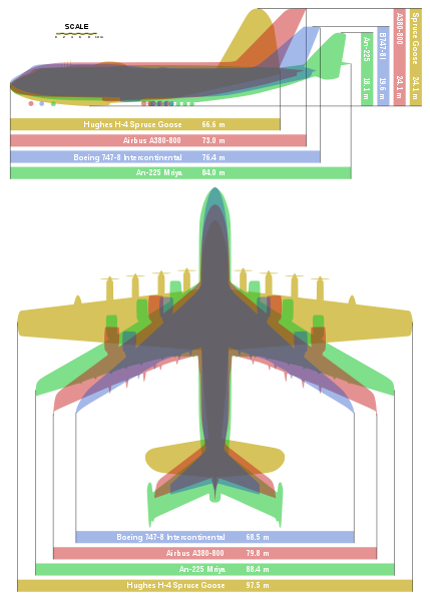
747 versus A380
The two largest airliners ever built, compared — size, capacity, economics, and why both are now out of production.
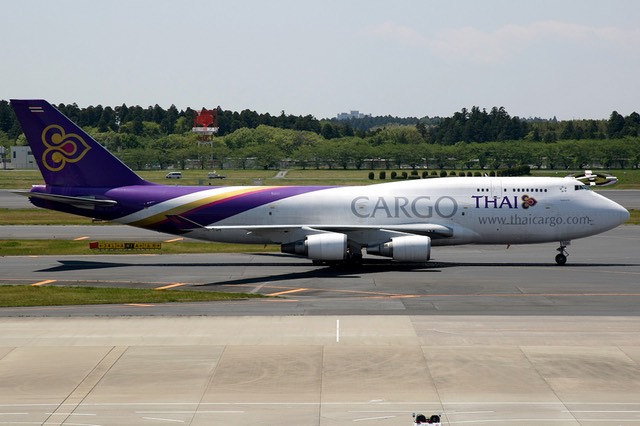
Where the 747s went
Most retired 747s were scrapped. Others became freighters, museum pieces, restaurants, a hotel — and one launched satellites into orbit.
How 747 freight actually works
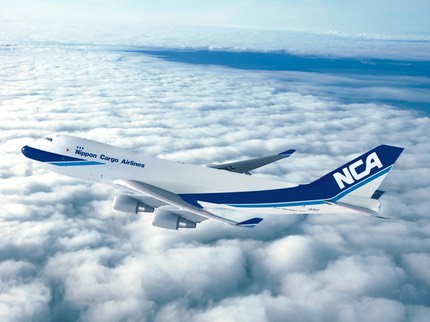
The nose door, motorised floor rollers, 96 by 125 inch pallets and 30 main-deck positions — how a 747 freighter is loaded and why it beat everything else.