Boeing 747 cargo-loading system
The 747’s freighter nose door comes from the 1960s USAF heavy-lift competition: the cockpit sits above the deck so the whole nose can hinge up for drive-in loading. Freighters add a side cargo door and a standard 96×125-in pallet system; the -400F carries 23 such pallets.
Raised above the main deck, the 747 cockpit leaves the entire nose free to hinge upward. That nose door — an idea inherited from the USAF’s 1960s heavy-lift competition — is why a 747 freighter can pull a load straight in the front.
| Key facts | |
|---|---|
| Nose door | Upward-opening, for straight-in loading |
| Side door | 134 × 120-in main-deck side door (left-hand) |
| Pallet system | Standard 96 × 125-in pallets; ~23 on the main deck of a -400F |
| Lower lobe | LD-1/LD-3 containers and smaller pallets |
The same airframe could be built as a factory freighter or converted later: the -200C was the convertible with the nose door and strengthened floor, and today’s -400BCF and -400BDSF conversions compete with factory-built -400Fs on operating economics.
Lower-lobe holds take LD-1/LD-3 containers and smaller pallets through belt-loader doors, giving a three-level loading case that fits modern ramp equipment. For the economics of factory freighters versus conversions, see the factory versus converted freighter comparison.
Sources
- The Boeing 747: queen of the skies — AeroReport
- 747 classic spec guide — Aircraft Commerce
- Boeing 747-400F deliverable — Boeing
- Atlas Air 747-400F one-sheet — Atlas Air
Sources
Facts on this page are checked against the primary and institutional references below.
- The Boeing 747: queen of the skies — AeroReport
- 747 classic spec guide — Aircraft Commerce
- Boeing 747-400F deliverable — Boeing
- Atlas Air 747-400F one-sheet — Atlas Air
Related topics
Cargolux Boeing 747 fleet history
Cargolux launched the 747-400F in 1993 and the 747-8F in 2011, and today runs 26 Boeing 747 freighters.
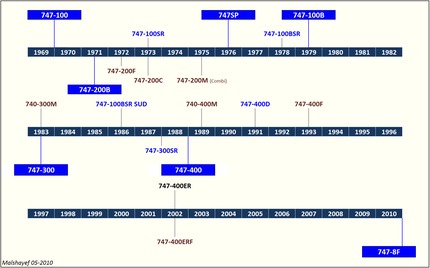
Boeing 747 Family
Every Boeing 747 variant built between 1968 and 2023 — the 747-100, -200, -300, -400 and 747-8, with freighter, combi and short-range models explained.
Boeing 747 Production Data
Download Boeing 747 production totals by generation, with a transparent method and links to Boeing's final programme record and technical documents.
Polar Air Cargo Boeing 747 fleet history
Polar Air Cargo has flown 44 Boeing 747s since 1994 and currently operates two 747-8 freighters for Atlas Air.
Boeing 747 registration and customer-code decoder
Decode a Boeing 747 model designation: the dash number gives the variant, and the final two characters name the airline that first ordered the airframe.
Saudia Boeing 747 fleet history
Saudia flew 63 Boeing 747s including 51 747-400s, and today operates only cargo 747-400 freighters.
More in Aircraft Systems
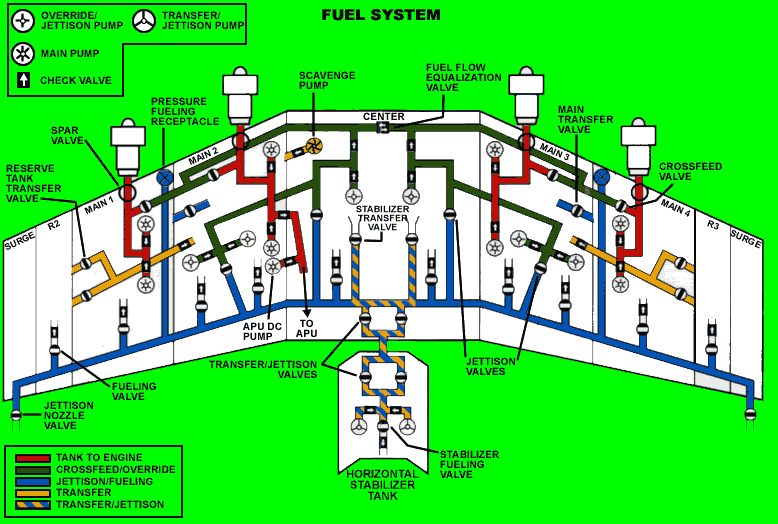
How the 747 works
The systems that make a 747 fly — fuel, hydraulics, landing gear, electrics and pressurisation, explained one at a time.
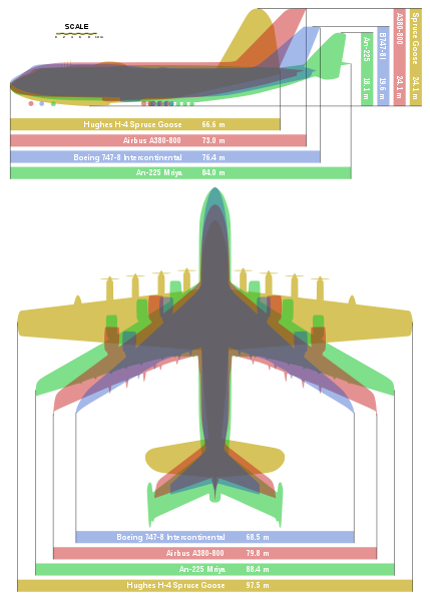
Boeing 747 specifications compared
Every Boeing 747 variant side by side — length, wingspan, weights, capacity, range, cruise speed and engines, with sources noted.
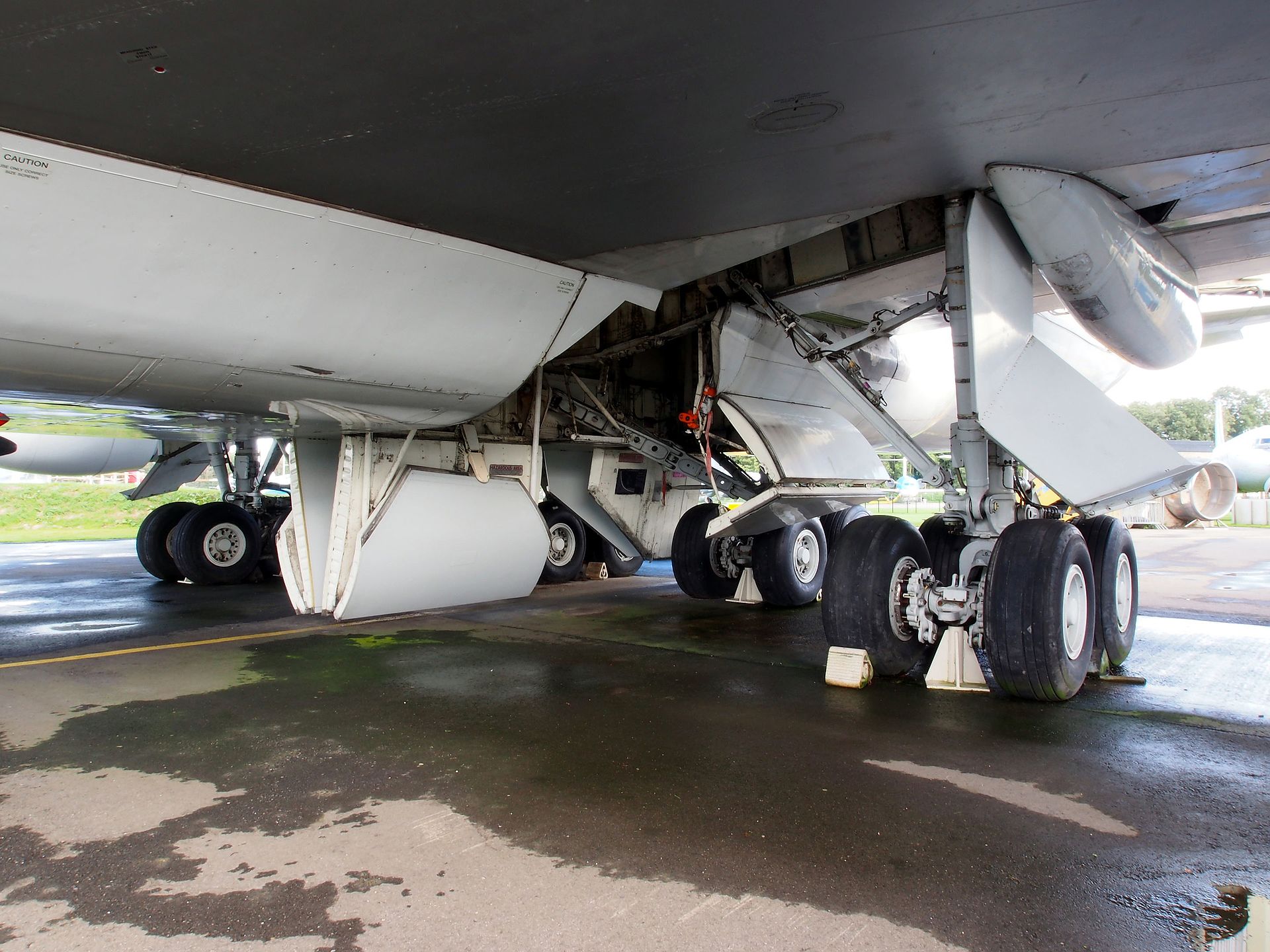
The four hydraulic systems
The 747 has four independent hydraulic systems, one per engine, each with a backup pump — and the reasoning behind splitting them that way.
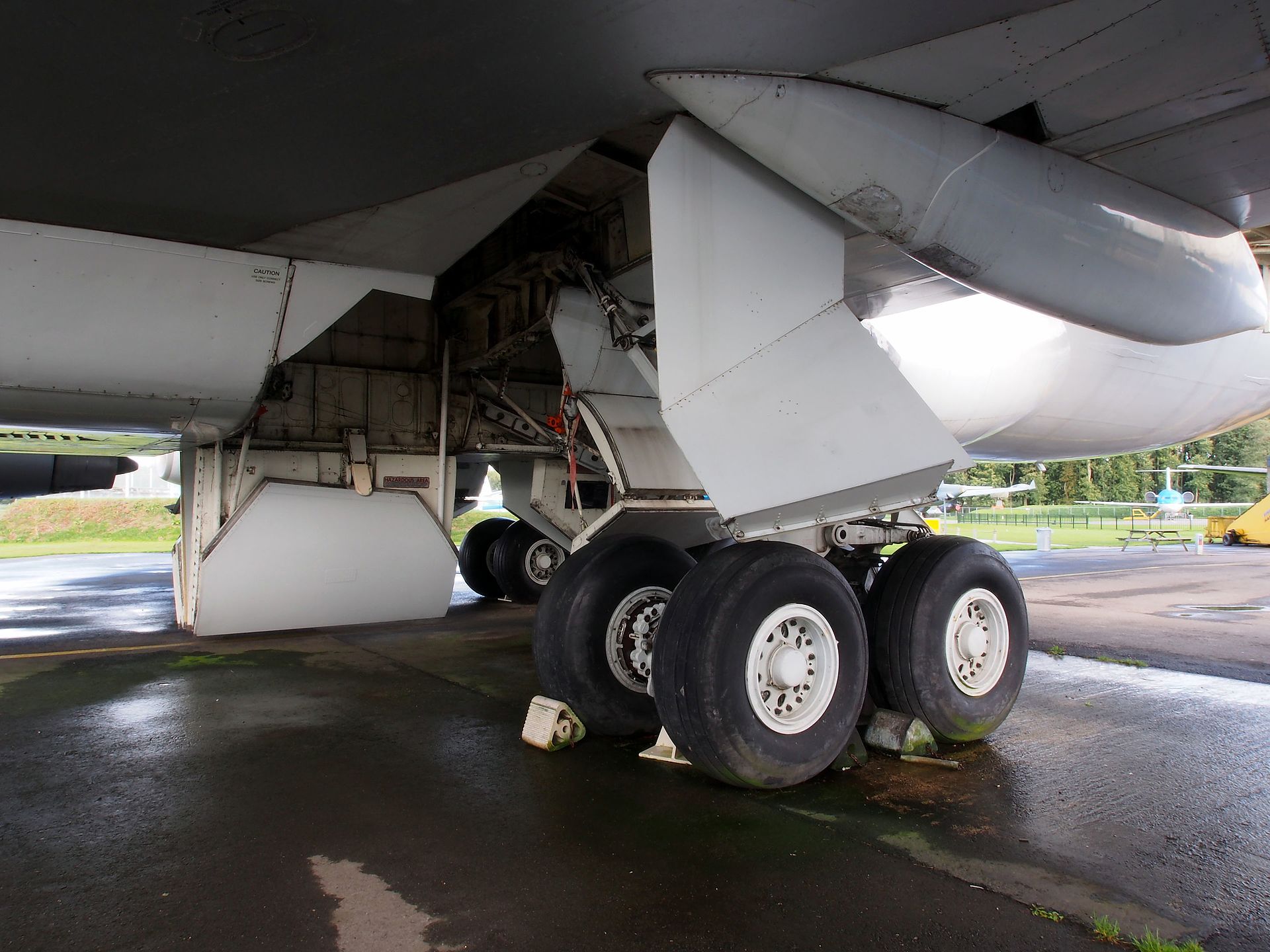
Eighteen wheels
The 747's five landing gear legs and 18 tyres, why the load is spread that way, and the body gear steering that stops it tearing up taxiways.
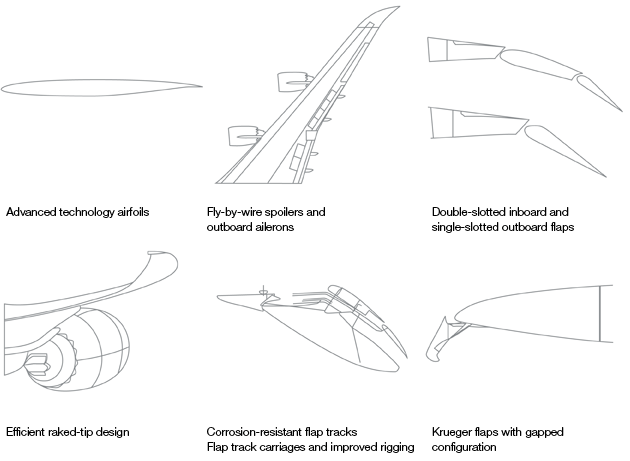
Flight controls and high-lift devices
How a 747 is flown — split ailerons, spoilers, triple-slotted flaps and Krueger leading edge devices, and what the 747-8 changed.
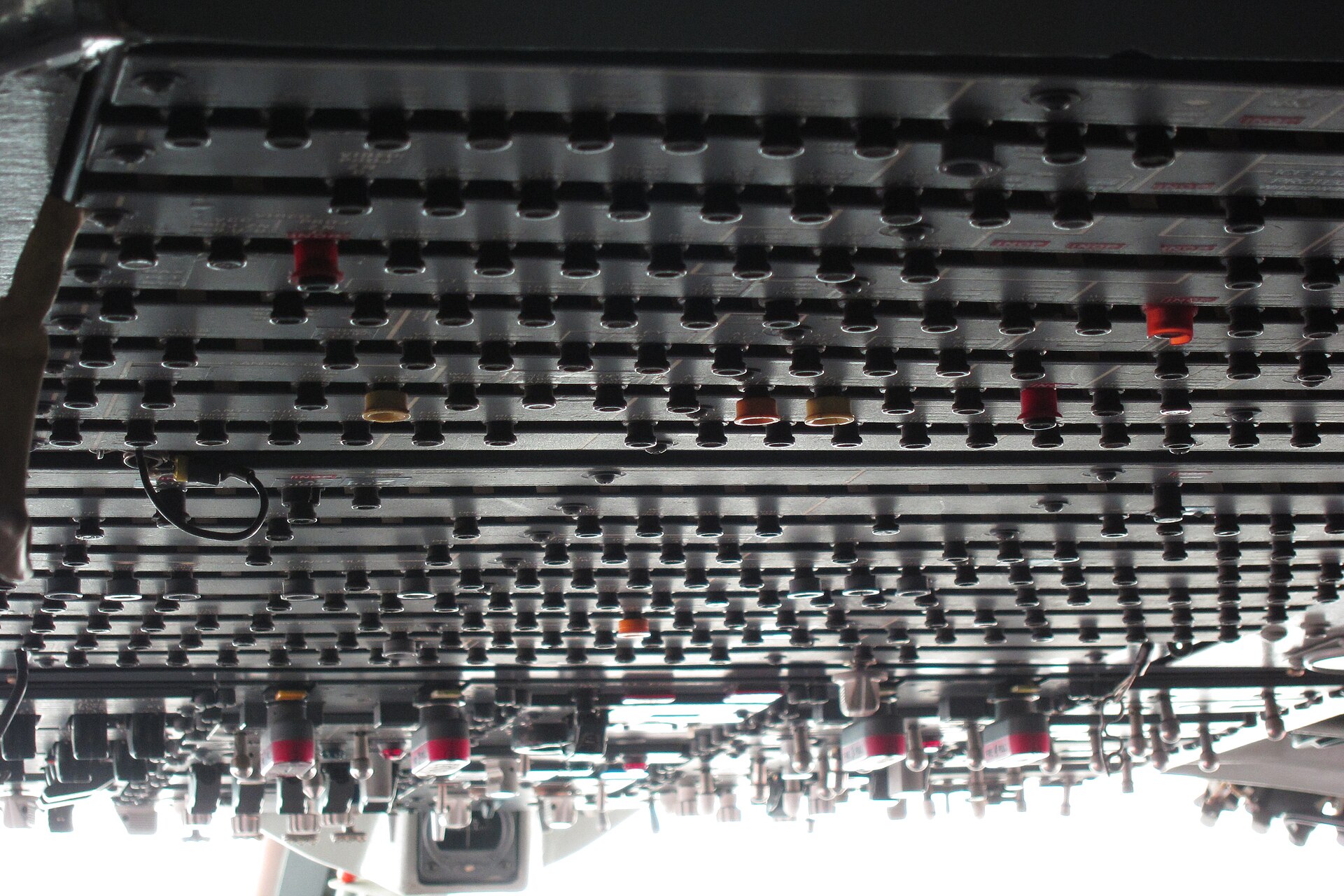
The electrical system
Four 90 kVA generators, one per engine, running in parallel through a tie bus — plus two APU generators for the ground.