Boeing 747 fire detection and extinguishing
The 747 carries fire detection and extinguishing for all four engines, its APU and its cargo compartments, with halon-type bottles controlled from the flight deck. After TWA Flight 800, the fleet also gained fuel-tank inerting systems to prevent centre-tank vapour explosions.
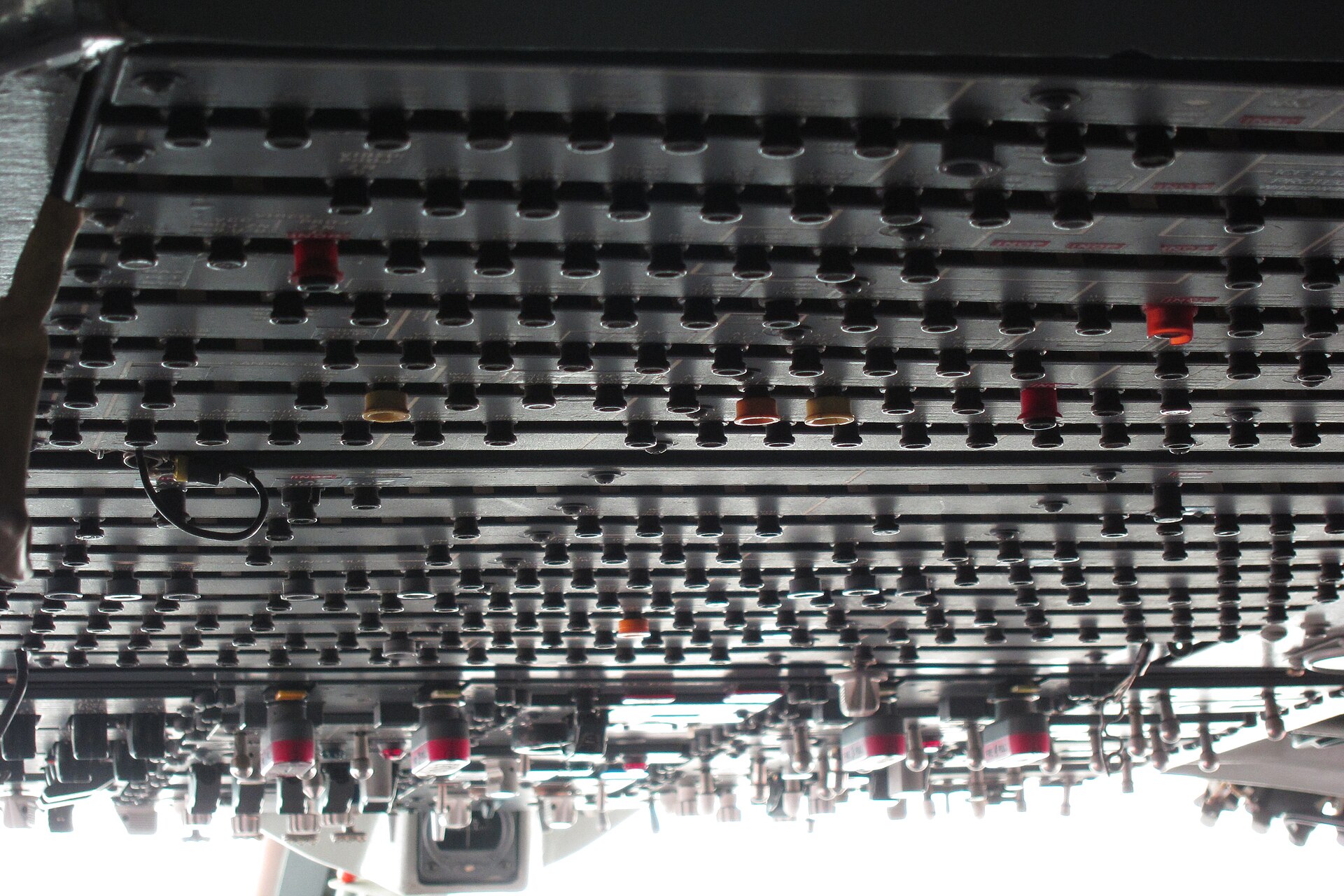
Fire protection on the 747 is divided into zones — each engine, the APU, the cargo holds and the toilets — each with its own detection and extinguishing hardware, all managed from a single fire-control module on the flight deck.
| Key facts | |
|---|---|
| Zones covered | All four engines, the APU, cargo holds, toilets |
| Extinguishing agent | Halon-type bottles discharged from the flight deck |
| Cargo compartments | Classed A/B/C; Class C holds must have detection plus automatic extinguishing |
| Fuel-tank safety | Fleet gained inerting after TWA Flight 800 |
The 747’s integrated fire-control installation covers its four engines, the APU and the main cargo compartment from one module. Cargo compartments are classed by accessibility: a Class C hold, which cannot be reached in flight, must have both fire detection and fully automatic extinguishing.
TWA Flight 800, a 747-100 destroyed in 1996 when fuel vapour in a nearly empty centre-wing tank ignited, transformed the industry’s approach. Subsequent 747s carry fuel-tank inerting hardware to keep oxygen out of tank ullage, and the 747-400’s master minimum equipment list includes a dedicated inert-gas-system page (ATA 47).
Sources
- Fire protection on Boeing 747 aircraft — US EPA (attachment)
- TWA Flight 800 overview — NTSB
- Cargo compartment fire protection — NIST
- Boeing 747-400 Master Minimum Equipment List — Transport Canada
Sources
Facts on this page are checked against the primary and institutional references below.
- Fire protection on Boeing 747 aircraft — US EPA (attachment)
- TWA Flight 800 overview — NTSB
- Cargo compartment fire protection — NIST
- Boeing 747-400 Master Minimum Equipment List — Transport Canada
Related topics
Boeing 747: History, Variants and Legacy
A complete reference to the Boeing 747, built from 1968 to 2023 — every variant from the 747-100 to the 747-8, plus special-mission jumbos and photos.
Boeing 747 Family
Every Boeing 747 variant built between 1968 and 2023 — the 747-100, -200, -300, -400 and 747-8, with freighter, combi and short-range models explained.
Boeing 747 Production Data
Download Boeing 747 production totals by generation, with a transparent method and links to Boeing's final programme record and technical documents.
How to Identify Boeing 747 Variants
Identify Boeing 747 variants from photographs using upper-deck length, wingtip shape, fuselage length, engine nacelles and freighter doors.
Boeing 747 payload and range explorer
Explore the documented range, seat count and maximum takeoff weight of every Boeing 747 variant side by side — no interpolated performance figures.
Polar Air Cargo Boeing 747 fleet history
Polar Air Cargo has flown 44 Boeing 747s since 1994 and currently operates two 747-8 freighters for Atlas Air.
More in Aircraft Systems
How the 747 works
The systems that make a 747 fly — fuel, hydraulics, landing gear, electrics and pressurisation, explained one at a time.
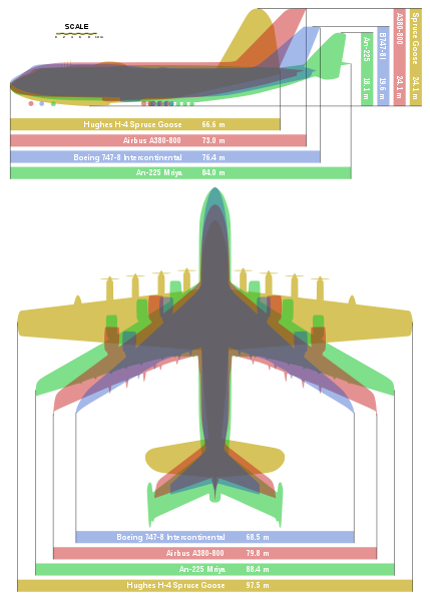
Boeing 747 specifications compared
Every Boeing 747 variant side by side — length, wingspan, weights, capacity, range, cruise speed and engines, with sources noted.
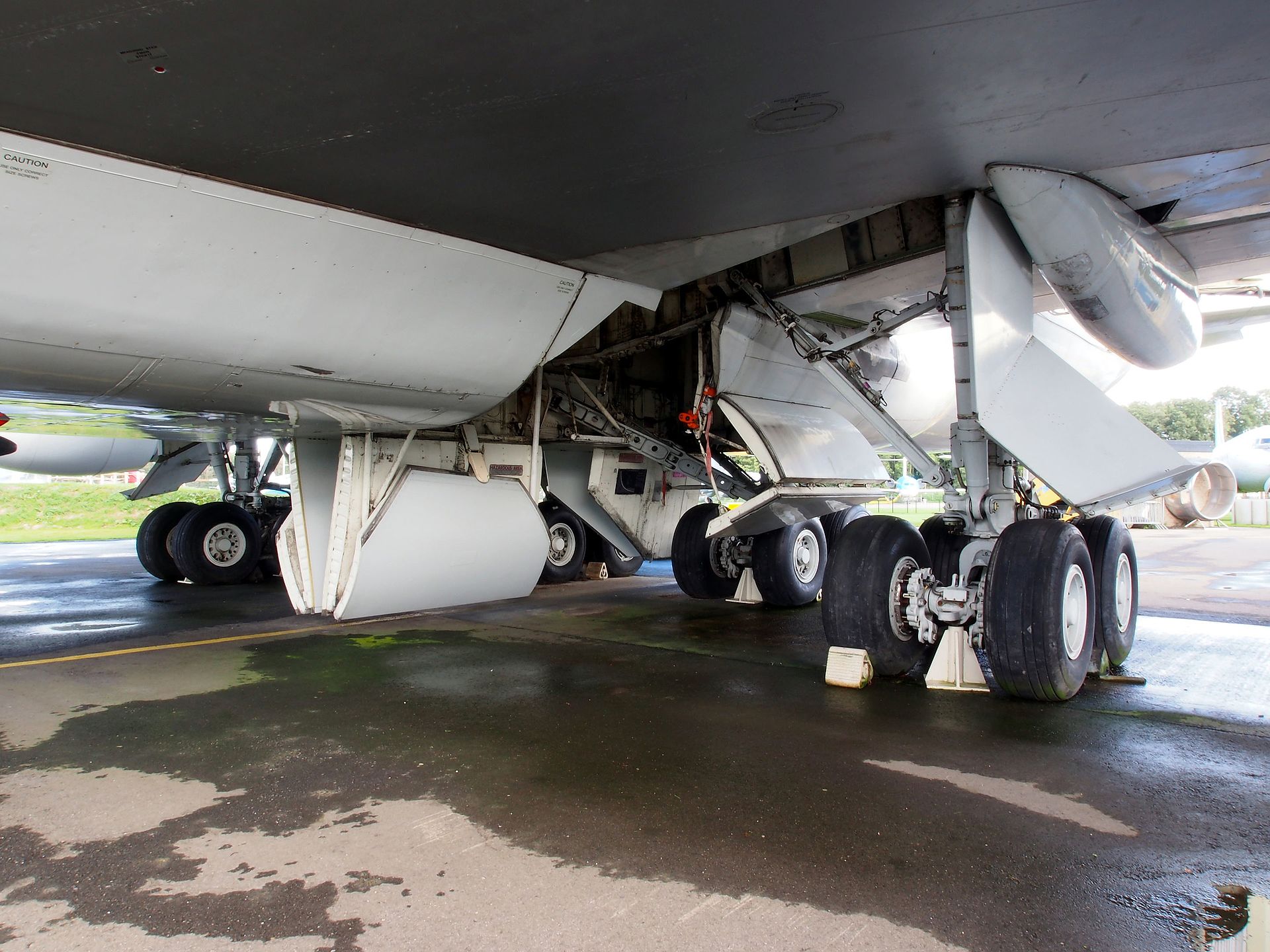
The four hydraulic systems
The 747 has four independent hydraulic systems, one per engine, each with a backup pump — and the reasoning behind splitting them that way.
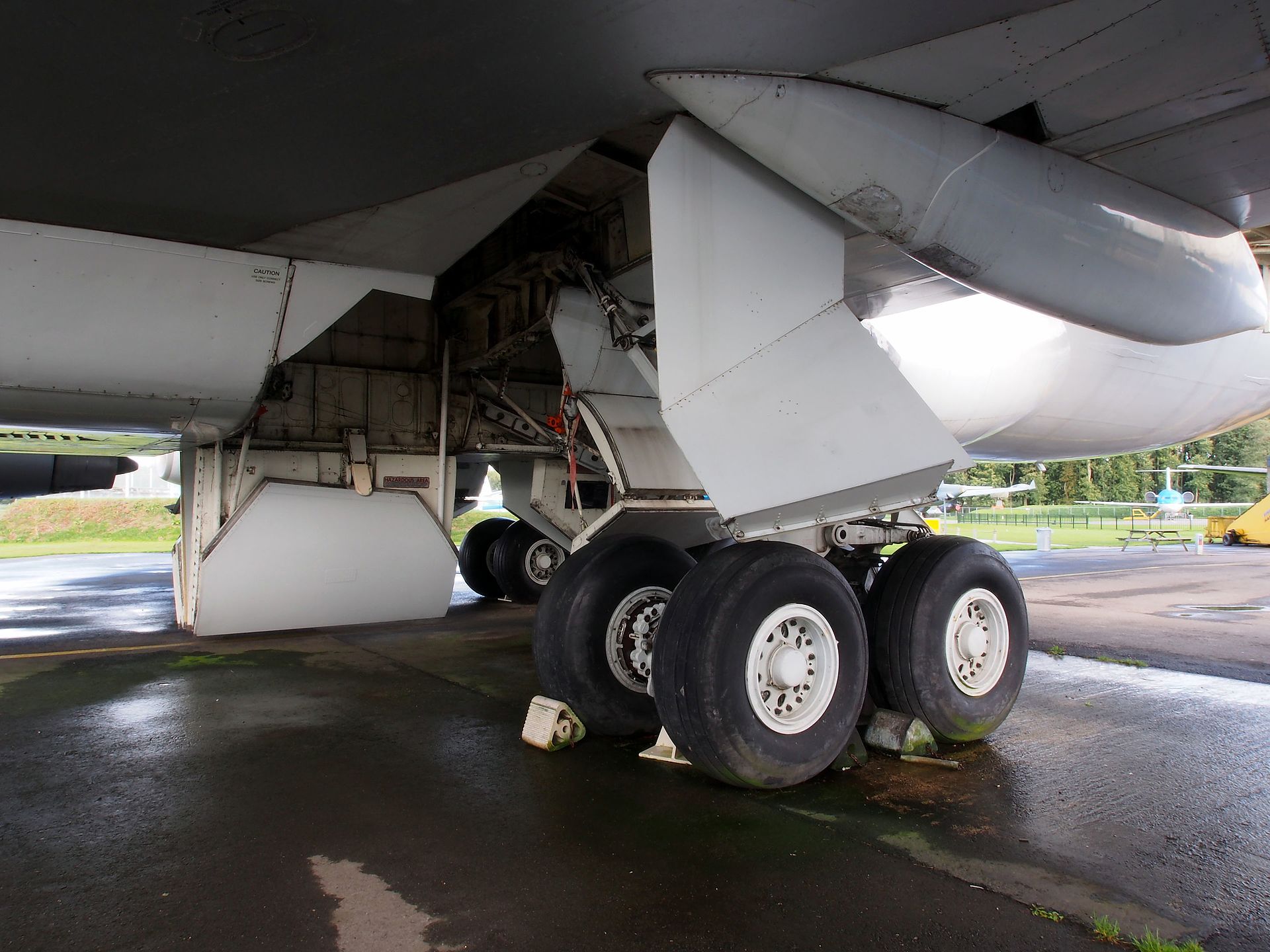
Eighteen wheels
The 747's five landing gear legs and 18 tyres, why the load is spread that way, and the body gear steering that stops it tearing up taxiways.
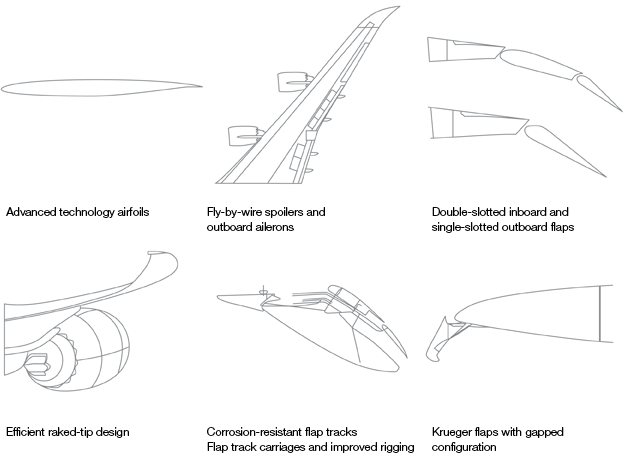
Flight controls and high-lift devices
How a 747 is flown — split ailerons, spoilers, triple-slotted flaps and Krueger leading edge devices, and what the 747-8 changed.
The electrical system
Four 90 kVA generators, one per engine, running in parallel through a tie bus — plus two APU generators for the ground.