Boeing 747 payload and range explorer
An interactive comparison of 747 passenger range, seating and takeoff weight, with representative freighter structural payload shown separately. Sources and configuration assumptions are linked from the specification pages.
Interactive tools can quietly invent data. This one does not: every figure below is taken from the Boeing 747 specifications, which in turn cites Boeing's airport-planning manuals. There is no modelled or interpolated performance curve - only the numbers the manufacturer published.
Pick a variant to see its documented figures, or compare the whole family at a glance. Range is quoted for a typical passenger load; the freighter figures are representative structural weight limits. Nothing here is interpolated.
Passenger range at a glance
Bars show each variant's documented maximum range. Select a bar to load its details above.
Freighters: structural payload
| Variant | Structural payload | MTOW |
|---|---|---|
| 747-400F | 271,046 lb | 875,000 lb |
| 747-400ERF | 248,600 lb | 910,000 lb |
| 747-8F | 292,400 lb | 987,000 lb |
Structural payload depends on the chosen weight option and empty weight. It is not a range guarantee. The freighter specification comparison identifies each configuration and its source.
How to read the chart
The passenger bars show each variant's documented maximum range at a typical passenger load. Two things stand out.
First, the 747SP exceeds the original -100's range despite being the smallest design in the comparison. That was its entire purpose: a shorter fuselage and a lighter airframe meant more fuel per seat, which bought range when range was the hard part.
Second, the gains flatten after the 747-400. The 400ER added body fuel tanks for a modest increase, and the 747-8 added a new wing and new engines for the largest range in the family. Each step cost far more than the one before it.
Why the freighter figures look different
The freighter table shows structural payload, calculated as maximum zero-fuel weight minus representative operating empty weight. It now uses the identified configurations in Boeing's current airport-planning manuals rather than pairing headline payload and range figures from different sources.
The freighter specifications show weight options, fuel and cargo volume. Actual route capability depends on the payload, fuel, engine installation, weather and reserves; structural payload alone does not determine range.
Related
- Full specifications - every dimension and weight
- 747-400 vs 747-8 - the generational jump
- The 747 family - every variant in detail
Frequently asked questions
- Which Boeing 747 has the longest range?
- The 747-8 Intercontinental, at 7,730 nmi (14,310 km), narrowly ahead of the 747-400ER's 7,670 nmi. The short-fuselage 747SP is the outlier of its generation: it carried the fewest passengers but flew furthest, at 5,830 nmi.
- Why do freighters quote a much shorter range?
- Freighter range is quoted with a specified cargo load. More payload usually leaves less takeoff-weight allowance for fuel. This explorer now lists structural payload separately and does not pair it with a range guarantee.
Sources
Facts on this page are checked against the primary and institutional references below.
- 747-8 Airplane Characteristics for Airport Planning - Boeing
- Boeing 747 - Wikipedia
Related topics
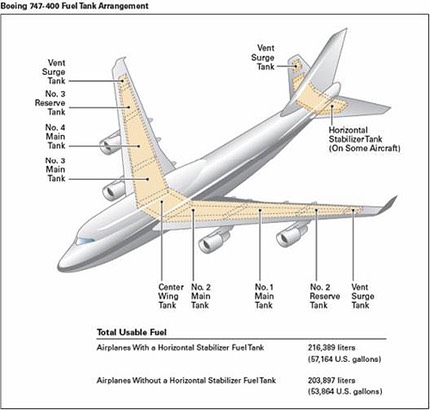
How Much Fuel Does a Boeing 747 Hold?
Boeing 747 fuel capacity varies by model: representative figures span 48,445-63,460 US gallons. Compare variants, tank options and litre equivalents.
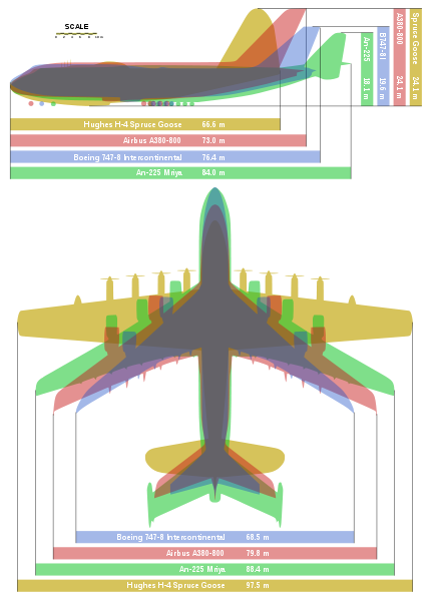
Boeing 747 specifications compared
Compare Boeing 747 dimensions, performance and detailed later-variant weights, fuel and cargo capacities, with Boeing planning configurations identified.
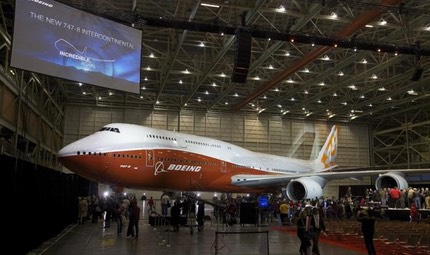
Boeing 747: History, Variants and Legacy
A complete reference to the Boeing 747, built from 1968 to 2023 - every variant from the 747-100 to the 747-8, plus special-mission jumbos and photos.
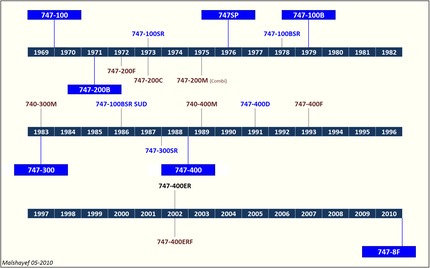
Boeing 747 Family
Every Boeing 747 variant built between 1968 and 2023 - the 747-100, -200, -300, -400 and 747-8, with freighter, combi and short-range models explained.
Boeing 747 Production Data
Download Boeing 747 production totals by generation, with a transparent method and links to Boeing's final programme record and technical documents.
Iran Air
Iran Air flew more than twenty 747s from 1974 to 2018, its 747SPs setting a nonstop Tehran - New York record and serving as the world's last passenger SPs.
More in Features

Features
Explore Boeing 747 stories and interactive tools, including a livery designer, cargo game, cockpit displays, engine audio, spotting guides and memories.
Explore the Boeing 747
Design a 747 livery, load a freighter, explore cockpit instruments, find flights and spotting locations, hear engines and share aircraft memories.
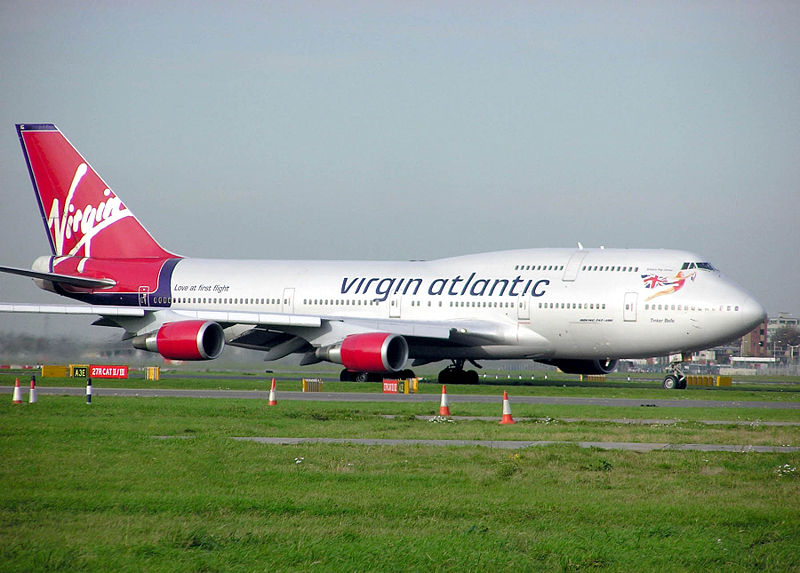
How to Identify Boeing 747 Variants
Identify Boeing 747 variants from photographs using upper-deck length, wingtip shape, fuselage length, engine nacelles and freighter doors.
The building that had to be built first
Boeing had no building big enough for the 747, so it built the largest building in the world by volume - and assembled the aeroplane while it was going up.
747 versus A380
The two largest airliners ever built, compared - size, capacity, economics, and why both are now out of production.
Where Can You Still Fly on a Boeing 747?
Find reported passenger Boeing 747 routes, check schedule dates and aircraft changes, and browse airline seat maps before choosing a flight.