The supersonic airliner that gave the 747 its hump
The Boeing 2707 was to carry 250-300 people at Mach 3. It was cancelled in 1971 — but the 747's whole layout assumes it would have worked.
The most consequential aircraft in the 747’s design history is one that was never built.
What the 2707 was
Boeing’s 2707 was an American supersonic transport: 250 to 300 passengers at around Mach 3 — faster and considerably larger than Concorde, which was designed for about 100 passengers at Mach 2.
The original design used a variable-geometry “swing” wing, sweeping back for supersonic flight and forward for takeoff and landing. It was elegant in principle and impossible in practice: the pivot mechanism kept gaining weight, the pivot section alone reaching 4,600 lb, and the concept was eventually abandoned for a fixed delta.
Airlines believed in it. By October 1969, 122 aircraft had been reserved by 26 airlines.
Why it died
In March 1971 the US Senate rejected further funding, despite support from the Nixon administration, and the programme was cancelled with 115 unfilled orders from 25 airlines and no prototype completed.
The reasons compounded:
- Environmental opposition over sonic booms and, later, ozone depletion — the boom problem alone meant overland supersonic flight was likely to be banned, which removed most of the useful route network.
- Economics the airlines had questioned from the start.
- Weight and range: the design could not achieve sufficient range.
- Rising development cost.
What this has to do with the 747
Everything, structurally.
Boeing genuinely expected supersonic airliners to take over long-haul passenger flying within a decade or two. Promotional material of the era said as much: subsonic jumbo jets like the 747 would be a passing intermediate fad once SSTs arrived.
So the 747 was designed to have a second career as a freighter once passengers moved to supersonic aircraft. A freighter needed the nose to hinge upward for straight-in loading — which meant the flight deck had to go above the main deck.
That is the hump. The most recognisable shape in aviation exists because of an aeroplane that was cancelled.
How the bet turned out
The supersonic transports never took over. Concorde flew, beautifully and uneconomically, and retired in 2003 after 20 aircraft. The 2707 never flew at all.
The freighter, though, was real. 747 freighters outlived the passenger versions by decades, the nose door turned out to be the aircraft’s most valuable single feature, and 107 of the last 155 747s built were freighters.
Boeing hedged against a future that did not happen, and the hedge became the business.
Related
Frequently asked questions
- Why does the Boeing 747 have a hump?
- Because Boeing expected supersonic airliners such as its own 2707 to take over passenger flying, and designed the 747 to convert into a freighter. That required a nose that hinged upward for loading, which meant putting the flight deck above the main deck.
Sources
Facts on this page are checked against the primary and institutional references below.
- Boeing 2707 — Wikipedia
Related topics
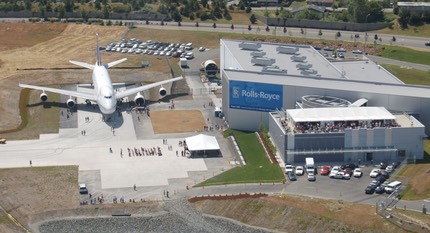
The 747 as a flying testbed
General Electric, Rolls-Royce and Pratt & Whitney all fly engines on 747s — because a four-engined aircraft can carry a strange engine safely.
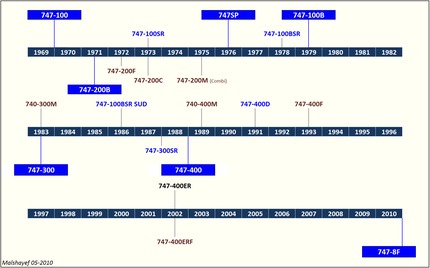
747 Timeline
A Boeing 747 chronology from the 1963 design study to the final delivery in January 2023, with rollout, first flight and delivery dates.
About Alykhan Virani
Meet Alykhan Virani, the Boeing 747 enthusiast who researches, writes and reviews the independent reference pages on Boeing-747.com.
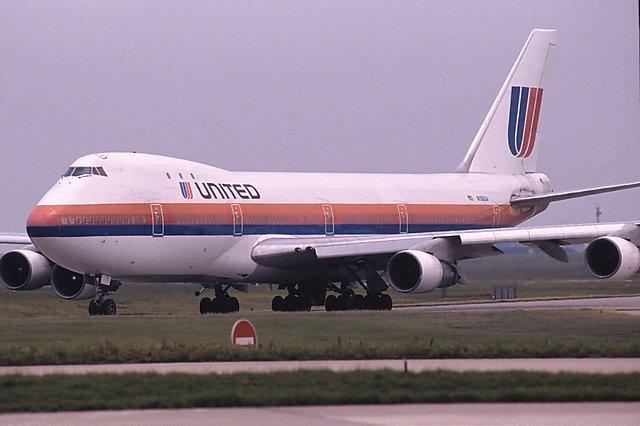
Boeing 747 accidents
The major Boeing 747 accidents, what caused them, and the changes to aviation that followed — from Tenerife to the end of production.
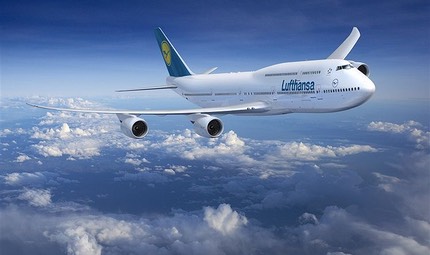
Active Boeing 747 Fleet Tracker
A dated, source-backed tracker of airlines still operating passenger and cargo Boeing 747s, using the latest official fleet disclosures available.
ANA to retire its last two Boeing 747s
All Nippon Airways retired its last two passenger Boeing 747s in 2014, ending decades of jumbo operations in Japan.
More in Features
Features
Longer pieces on the Boeing 747 — the factory built to make it, how it compares to the A380, what became of the retired fleet, and what it is like to fly.
How to Identify Boeing 747 Variants
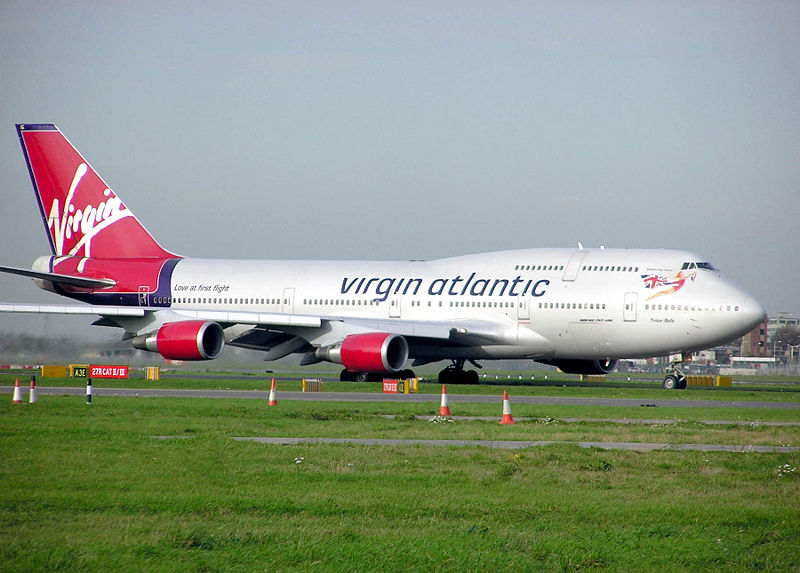
Identify Boeing 747 variants from photographs using upper-deck length, wingtip shape, fuselage length, engine nacelles and freighter doors.
The building that had to be built first
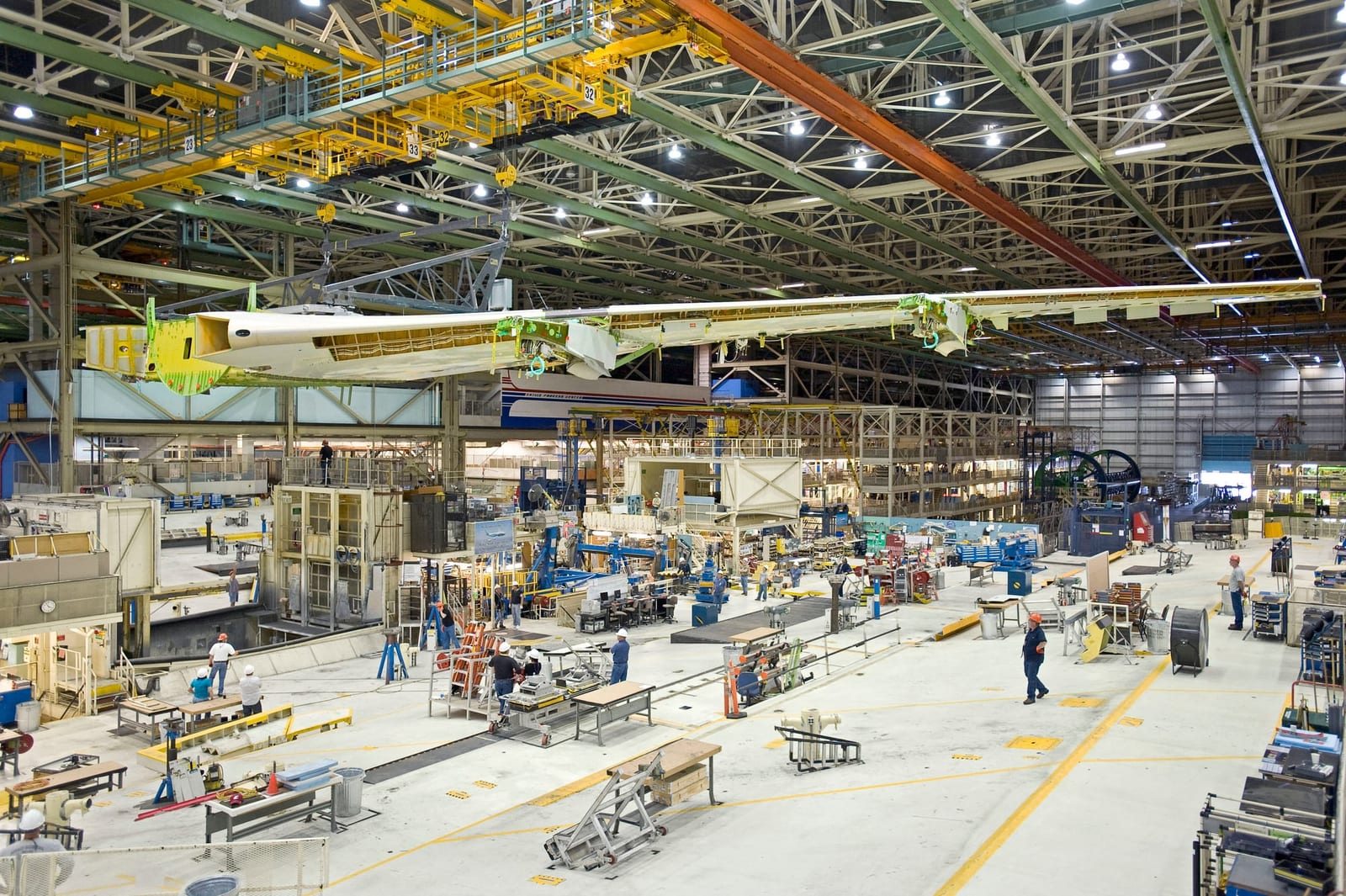
Boeing had no building big enough for the 747, so it built the largest building in the world by volume — and assembled the aeroplane while it was going up.
747 versus A380
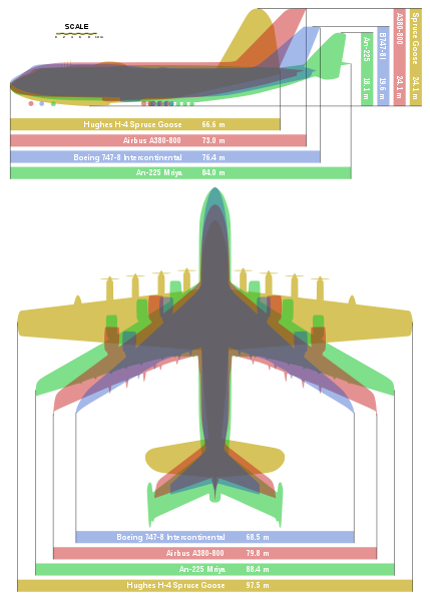
The two largest airliners ever built, compared — size, capacity, economics, and why both are now out of production.
Where the 747s went
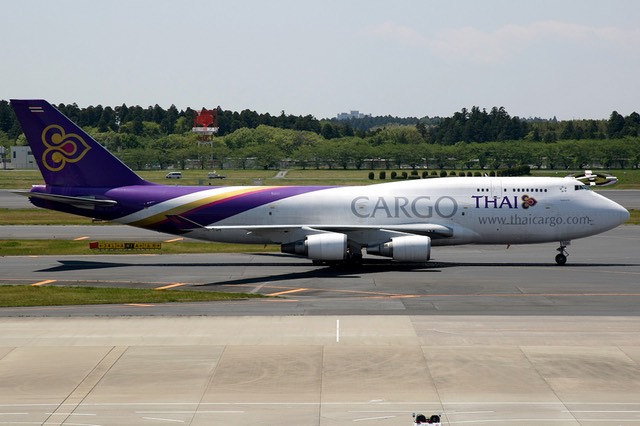
Most retired 747s were scrapped. Others became freighters, museum pieces, restaurants, a hotel — and one launched satellites into orbit.
Flying the 747
What the 747 is like to fly — the type rating, the view from 30 feet up, the handling, and why pilots talk about it the way they do.
