Boeing 747 Family
The Boeing 747 family spans five passenger generations and more than twenty sub-variants. Production ended in 2023 after 1,574 aircraft.

The Boeing 747 was built in five passenger generations and more than twenty distinct sub-variants between 1968 and 2023. 1,574 aircraft were completed before the last one was delivered to Atlas Air on 31 January 2023.
This page is the map. Each variant below has its own page with the detail.
For reusable counts and methodology, see the downloadable production dataset.
Every variant, by generation
First generation - the 747-100
| Variant | Built | What it is |
|---|---|---|
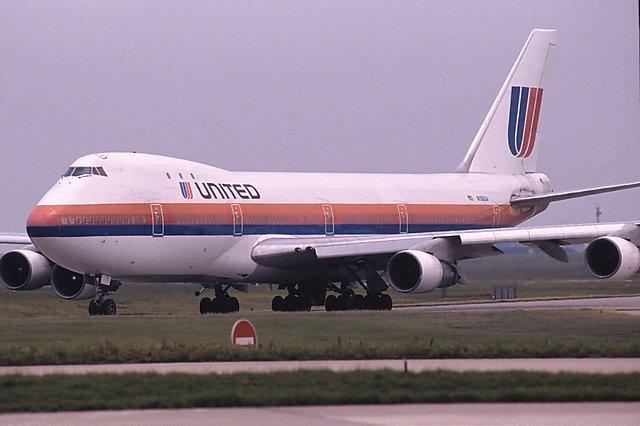
| 747-100 | 168 | The original. First flight 9 February 1969, in service with Pan Am January 1970 |
| 747-100B | 9 | Strengthened airframe and gear, 750,000 lb MTOW. Iran Air and Saudia only |
| 747-100SR | 29 (all SR) | Short range, high density, reinforced for Japanese domestic cycles |
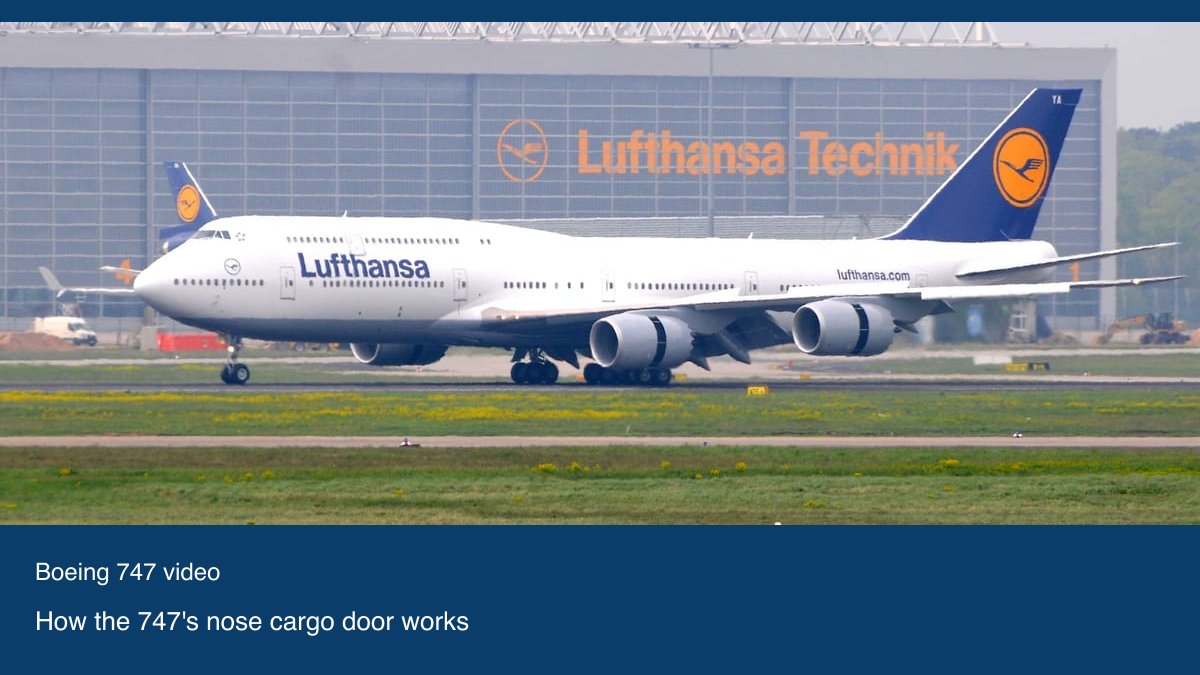
| 747-100F | - | The freighter the hinging nose door was always designed for |
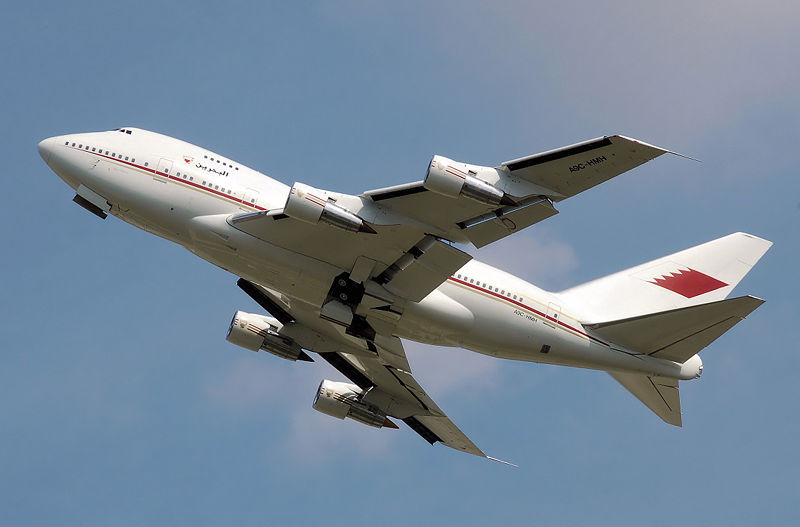
| 747SP | 45 | Nearly 48 ft shorter, for range. The only 747 ever shortened |
Second generation - the 747-200
| Variant | Built | What it is |
|---|---|---|
| 747-200 | 393 total | More thrust, more fuel, and the first 747 offered with all three engine makers |
| 747-200B | 233 | The passenger aircraft. About 6,857 nmi fully loaded |
| 747-200M | 74 | Combi - passengers forward, freight aft on the same deck |
| 747-200C | 13 | Convertible - removable seats, nose cargo door |
| 747-200F | 73 | Freighter. 105 tons, in service with Lufthansa from 1972 |
Third generation - the 747-300
| Variant | Built | What it is |
|---|---|---|
| 747-300 | 81 total | The stretched upper deck arrives, and stays for good |
| 747-300 passenger | 56 | Mach 0.85 cruise, straight staircase, 10 percent more seats |
| 747-300M | 21 | Combi with the stretched upper deck |
| 747-300SR | 4 | Japanese domestic, over 600 seats |
Fourth generation - the 747-400
| Variant | Built | What it is |
|---|---|---|
| 747-400 | 694 total | Winglets, a glass cockpit, and no flight engineer. The most successful 747 |
| 747-400 passenger | 442 | The standard aircraft |
| 747-400M | 61 | The last and most numerous Combi |
| 747-400D | 19 | Japanese domestic - the 747 built without winglets, deliberately |
| 747-400F | 126 | Factory freighter on the -200F fuselage |
| 747-400ER | 6 | Extended range. Qantas was the only passenger customer |
| 747-400ERF | 40 | The extended-range freighter, which sold far better |
| 747-400BCF | ~50 conversions | Retired passenger aircraft rebuilt as freighters |
| 747-400C | 0 | Does not exist - a common mix-up with the -400M Combi |
Fifth generation - the 747-8
| Variant | Built | What it is |
|---|---|---|
| 747-8 | 155 total | Stretched 18 ft 3 in, an entirely new wing, GEnx-2B engines |
| 747-8F | 107 | The freighter, which carried the programme and closed the line |
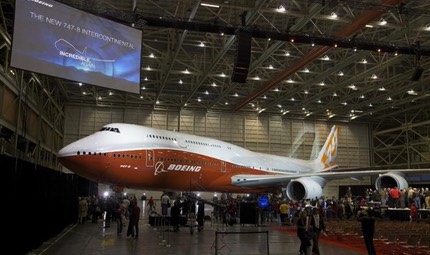
| 747-8I | 48 | The Intercontinental - the last passenger 747 |
There is a full reference section on the 747-8 covering the wing, the engines, the flight deck and the cabin in detail.
The ones never built
| Proposal | Fate |
|---|---|
| 747 trijet | Studied against the L-1011 and DC-10. Killed by the wing redesign it needed |
| 747-500X, -600X, -700X | Announced at Farnborough 1996. Over $5 billion, and no launch customers |
| 747-400XQLR | Quiet Long Range. Cancelled, but its ideas became the 747-8 |
| Yellowstone Y3 | Boeing's planned 747 replacement. Never launched |
The pattern behind the numbers
Read down that table and the same story repeats in each generation.
The freighter always outlives the airliner. A passenger 747 is retired when its fuel burn per seat stops competing with a newer twin. A freighter is retired when the airframe runs out of cycles. That is why the 747-8F outsold the Intercontinental more than two to one, and why the production line stayed open for a decade after passenger orders dried up.
Japan drove the odd variants. The 747-100SR, 747-300SR and 747-400D exist because Japanese trunk routes needed 500-plus seats over one-hour sectors - the opposite of what the 747 was designed for. The stretched upper deck that defines every modern 747 first appeared on two Japanese SR aircraft.
Engine choice sold aeroplanes. The 747-100 was a Pratt & Whitney aircraft. The 747-200 could be had with three manufacturers' engines and sold more than twice as many. The 747-8 was offered with exactly one engine, and sold 155.
The third crew member decided the -300's fate. The 747-300 was the last three-crew 747, and Boeing launched the two-crew 747-400 just two years after it entered service. 81 -300s were built; 694 -400s followed.
How it ended
Boeing's own long-term plan, the Yellowstone Project, had the 747's successor as a 300- to 400-seat aircraft - smaller, with two engines. That aircraft, Y3, was never launched; the 777X took its place.
Meanwhile the routes the 747 had held moved to the 777, the 787 and the A350. Airbus's A380 bet the other way and ended production in 2021. The 747 followed in 2023.
The freighters, though, are young. 747-8Fs delivered into the early 2020s have decades of work ahead of them, which means the 747 will be flying well into the 2040s.
Elsewhere on the site
- Special Boeing 747s - Air Force One, the Dreamlifter, SOFIA, the Shuttle Carrier and the Airborne Laser
- Everything about the Boeing 747-8 - the final generation in detail
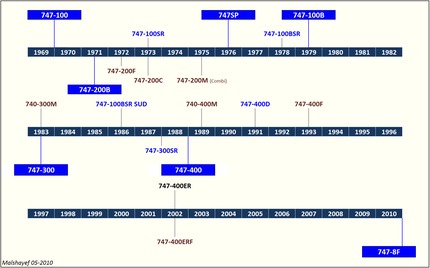
- The 747 timeline - the whole story by date
- Photo album - the aircraft in pictures
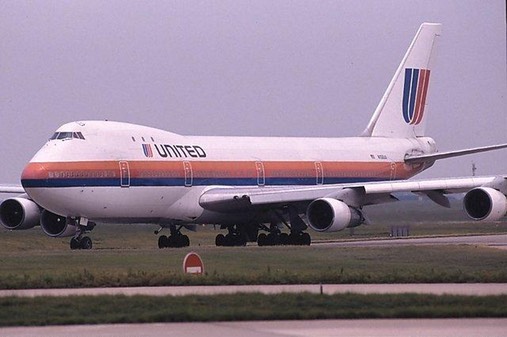
Image courtesy of Wikimedia Commons 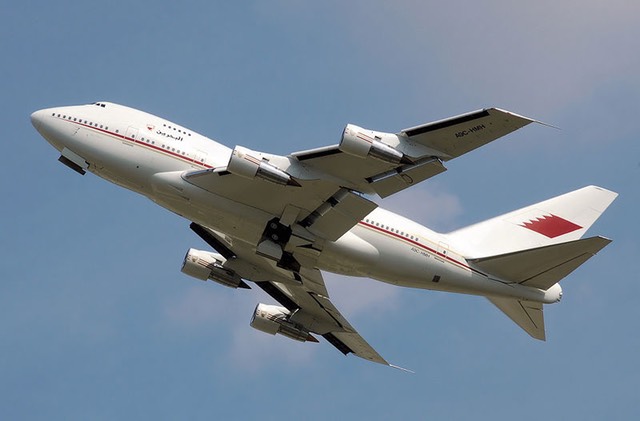
WikiMedia 
Image courtesy of Wikimedia Commons 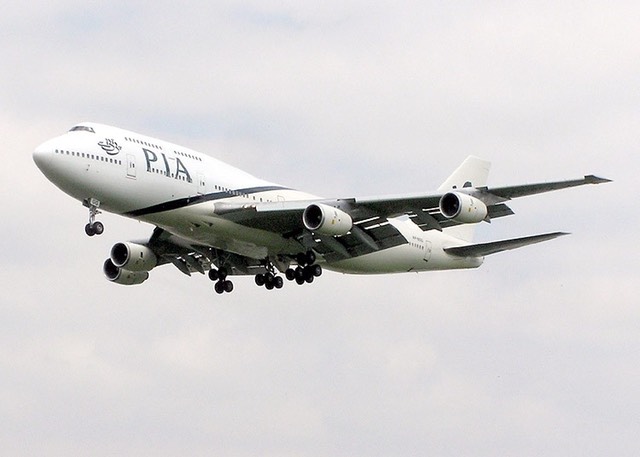
WikiMedia 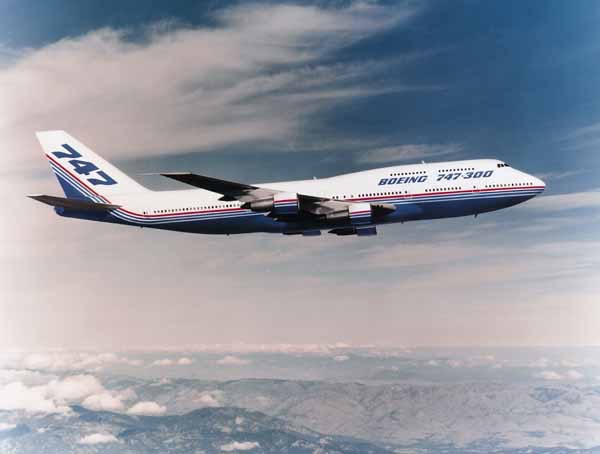
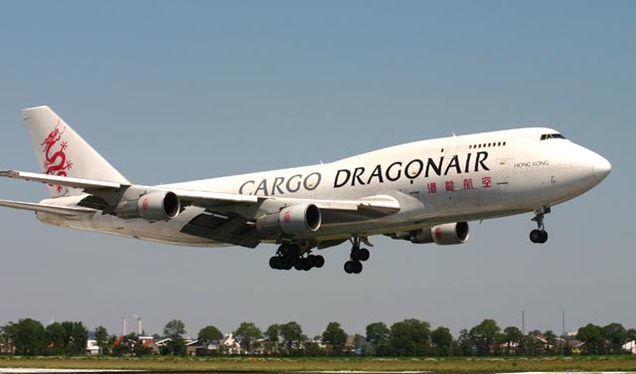
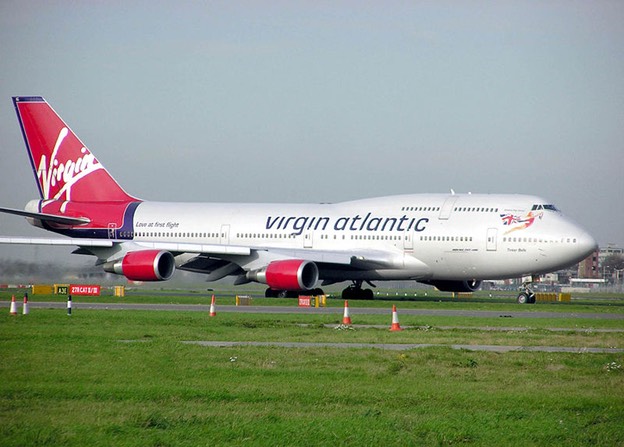
WikiMedia 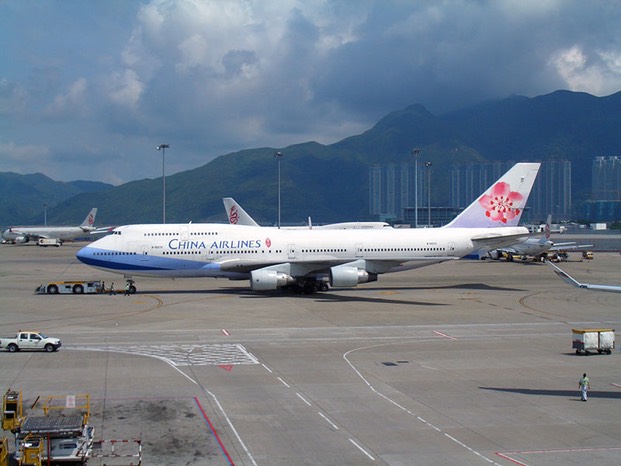
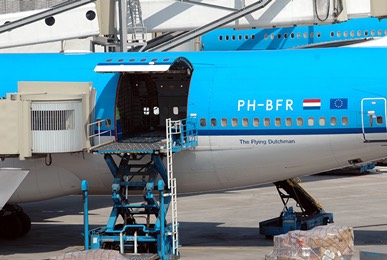

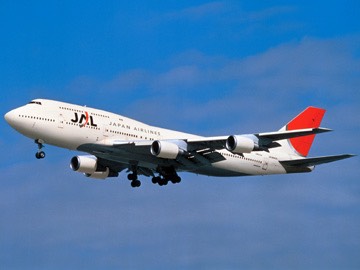
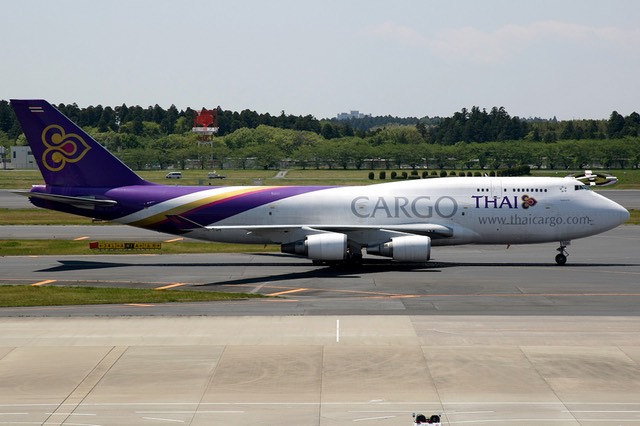
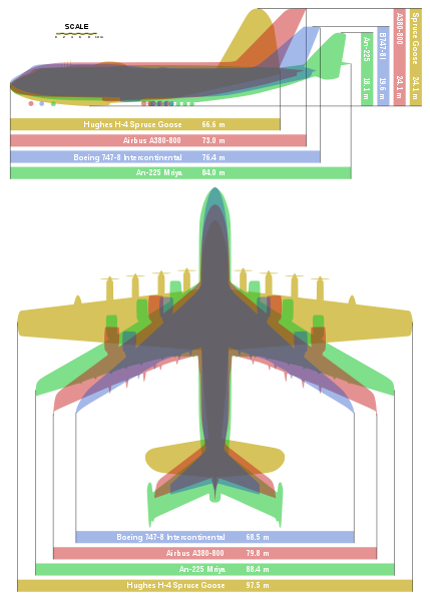
Size of the Boeing 747-8 compared to the Airbus A380 and AN-225. 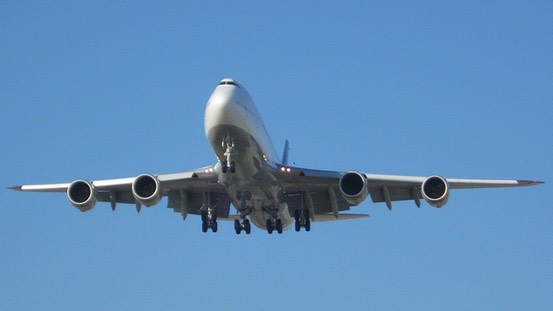
Boeing 747-8i 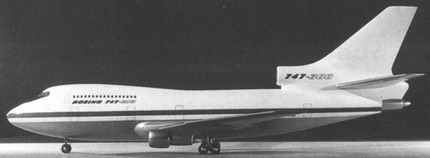
Image courtesy of Wikimedia Commons


Sources
Facts on this page are checked against the primary and institutional references below.
Related topics
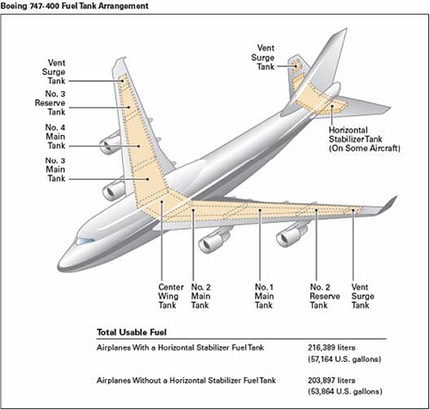
How Much Fuel Does a Boeing 747 Hold?
Boeing 747 fuel capacity varies by model: representative figures span 48,445-63,460 US gallons. Compare variants, tank options and litre equivalents.
Polar Air Cargo Boeing 747 fleet history
Polar Air Cargo has flown 44 Boeing 747s since 1994 and currently operates two 747-8 freighters for Atlas Air.
Boeing 747 specifications compared
Compare Boeing 747 dimensions, performance and detailed later-variant weights, fuel and cargo capacities, with Boeing planning configurations identified.
Boeing 747: History, Variants and Legacy
A complete reference to the Boeing 747, built from 1968 to 2023 - every variant from the 747-100 to the 747-8, plus special-mission jumbos and photos.
El Al Boeing 747 fleet history
El Al flew 26 Boeing 747s across the -100, -200, -300 and -400, retiring its last passenger 747 in November 2019.
The 747 Combi and the fire rule that caught up with it
The 747 Combi carried passengers and freight on one deck under 1940s-era fire rules. After South African Airways Flight 295, those rules were rewritten.
In this section
Boeing 747 Production Data
Download Boeing 747 production totals by generation, with a transparent method and links to Boeing's final programme record and technical documents.
747-100
The original Boeing 747-100 entered service in 1970 with six upper-deck windows and a lounge; later aircraft offered a ten-window upper deck.
747-100B
The 747-100B added a stronger airframe and undercarriage and a 750,000 lb maximum takeoff weight. Only Iran Air and Saudia took delivery.
747-100F
Freighter specification for the Boeing 747-100F, covering main-deck and belly cargo volumes, pallet counts and upper-deck crew lounge options.
747-100SR
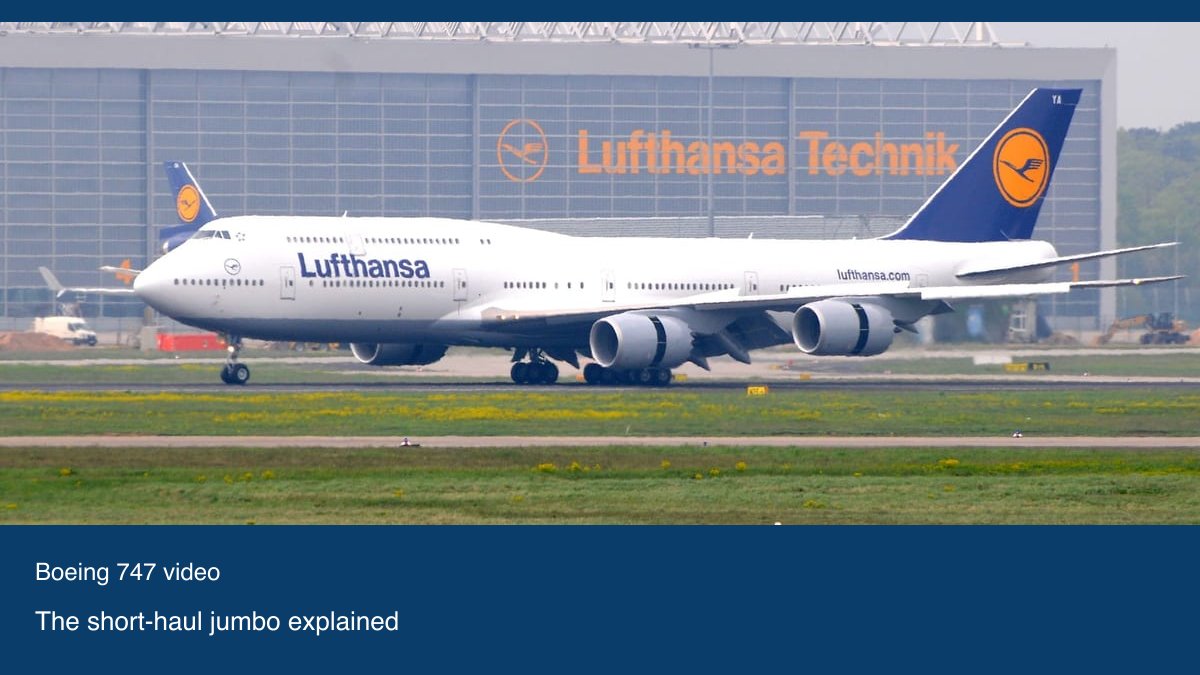
Built for Japanese domestic routes, the 747-100SR traded fuel capacity for seats, carrying up to 550 passengers on short high-frequency sectors.
747-100SP
The shortened 747SP was built for Pan Am and Iran Air to fly ultra-long routes such as Tehran-New York, then the longest nonstop service.
747-200
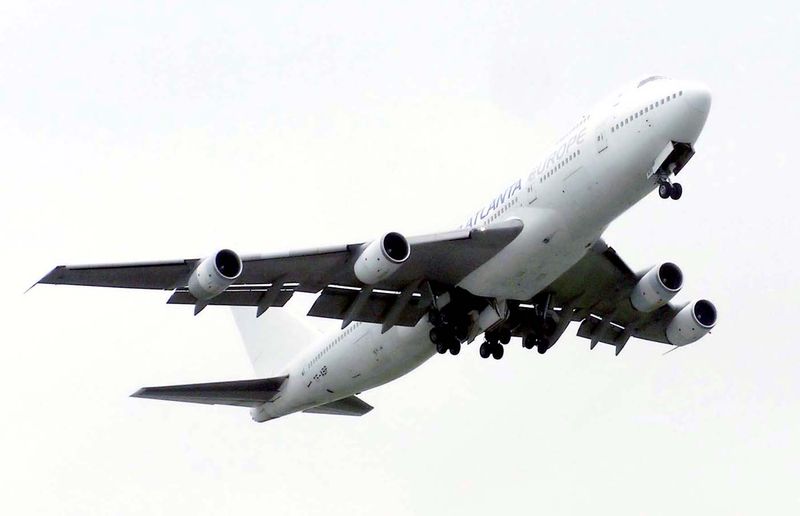
The 747-200 brought more powerful engines, higher takeoff weights and greater range than the -100, and spawned freighter, combi and convertible models.
747-200B
The 747-200B added fuel capacity and more powerful engines from February 1971, giving a full-load range of roughly 6,857 nautical miles.
747-200C
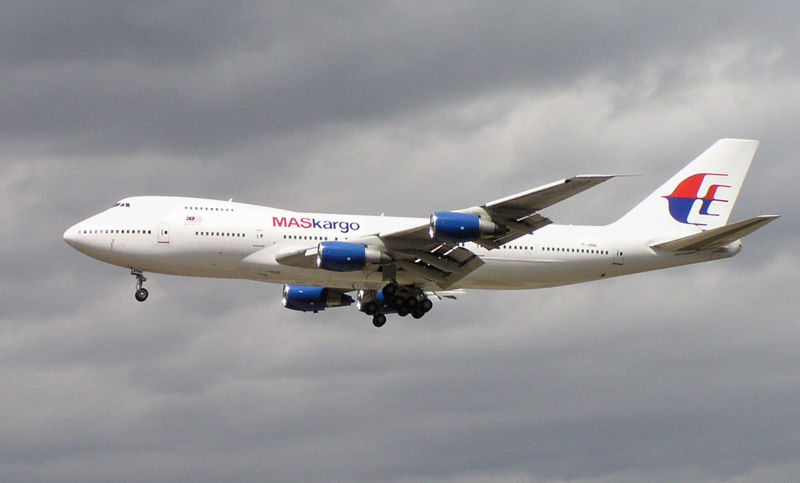
The 747-200C Convertible switched between passenger and freight roles with removable seats, a nose cargo door and an optional side cargo door.
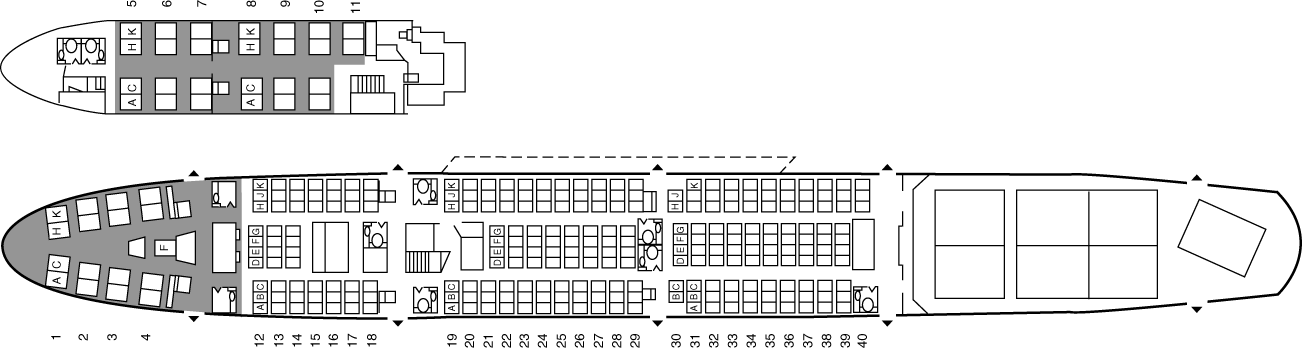
747-200M
The 747-200M combi carried freight in the rear main deck behind a movable partition, seating up to 238 passengers in three classes.
The Boeing 747-200F
Cargo specification for the Boeing 747-200F, listing main-deck and underfloor volumes, LD3 container counts and pallet capacity.
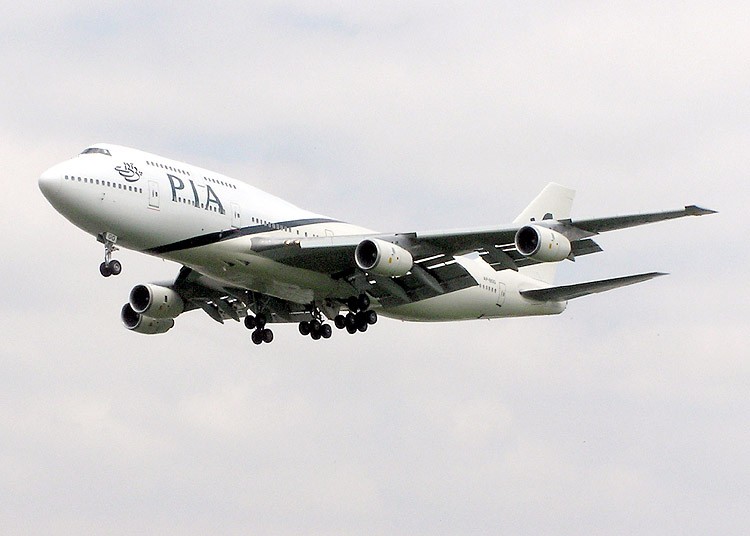
747-300
Entering service in 1983, the 747-300 introduced the stretched upper deck and improved engines, lifting capacity by ten percent.
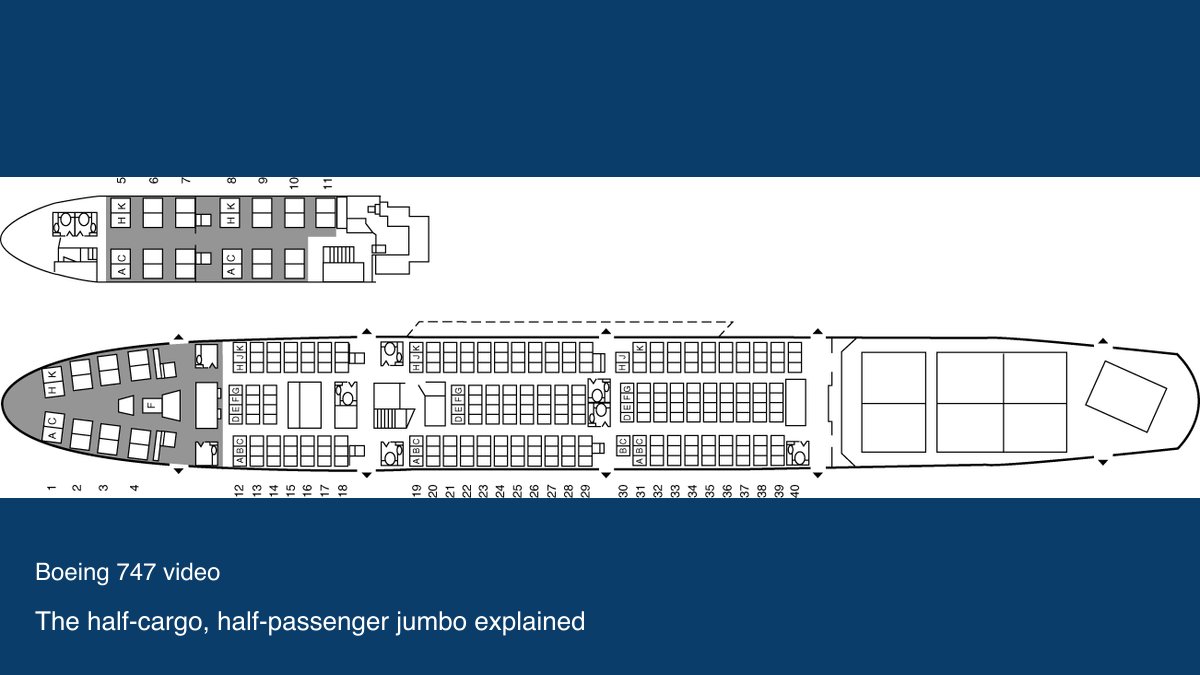
747-300M
The 747-300M carried cargo in the rear main deck like the -200M, but its stretched upper deck allowed more passengers to be seated.
747-300SR
A high-capacity domestic 747-300; Japan Airlines flew the type with more than 600 seats on routes such as Okinawa to Tokyo.
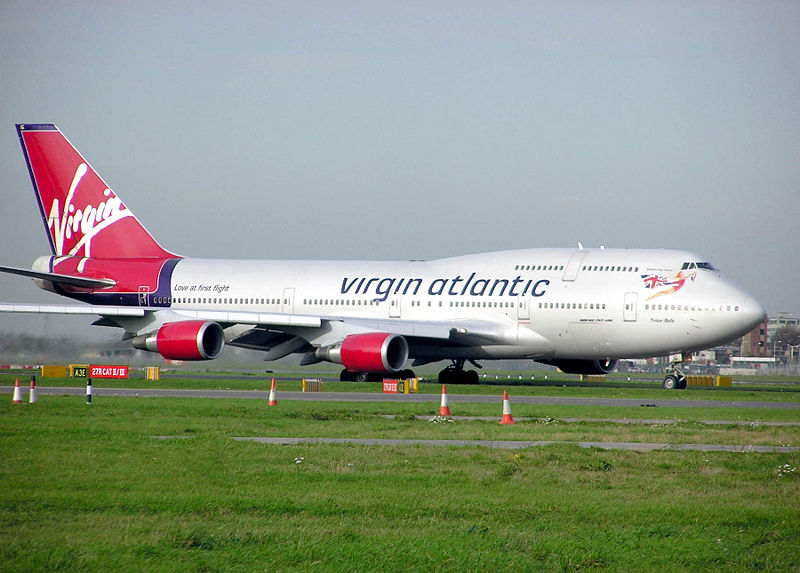
747-400
Announced in 1985, the 747-400 added winglets, a two-crew glass cockpit and a new interior, becoming the best-selling 747 generation.
747-400BCF
The 747-400BCF converts passenger 747-400s into freighters. Launched in 2004, the first went to Cathay Pacific Cargo in December 2005.
747-400C
There is no true 747-400C. The designation is a common mix-up with the 747-400M Combi, whose "M" stands for mixed configuration.
747-400D
The high-density 747-400D was built for short Japanese domestic sectors, seating up to 660 passengers and omitting winglets.
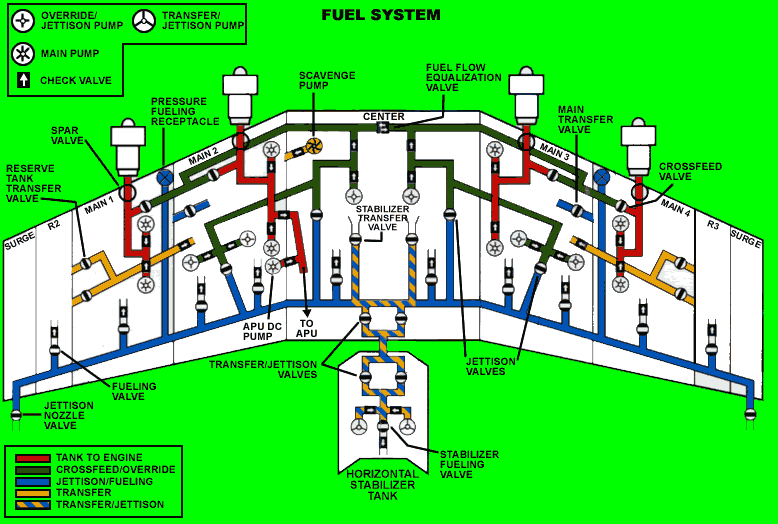
747-400ER
A complete Boeing 747-400ER guide: specifications, range, fuel tanks, engineering changes, Qantas's six-aircraft fleet, service history and FAQs.
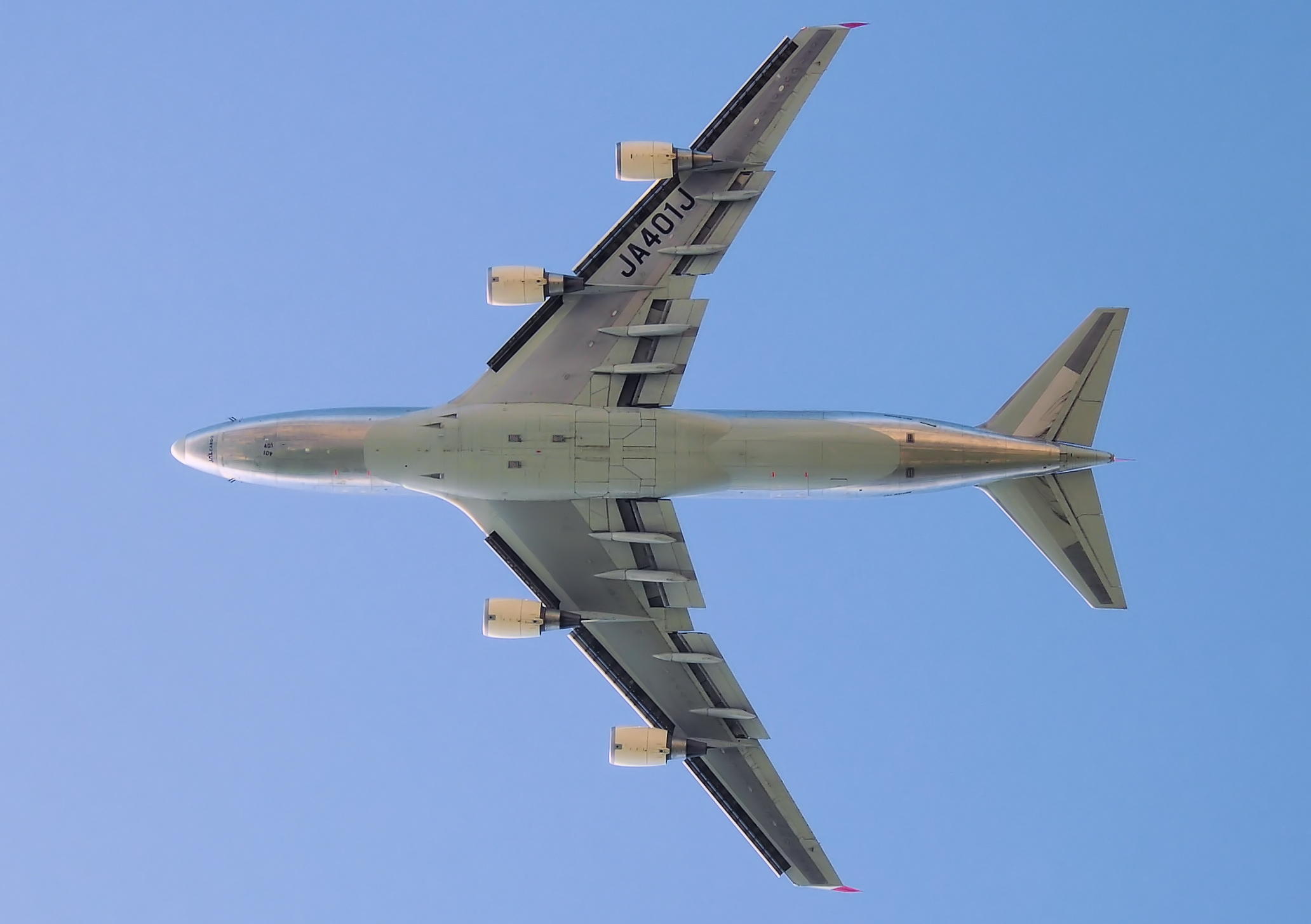
747-400ERF
The 747-400ERF freighter launched in April 2001 and first went to Air France, with a maximum payload of 248,600 lb.
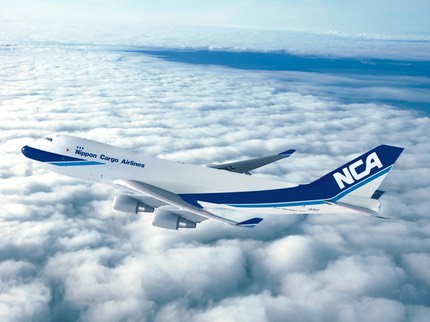
747-400F
The all-freight 747-400F used the 747-200F fuselage. It first flew in May 1993 and entered service with Cargolux that November.
747-400M (Combi)
In service since 1975, the 747 Combi carries passengers and main-deck freight together using a large side cargo door behind the left wing.
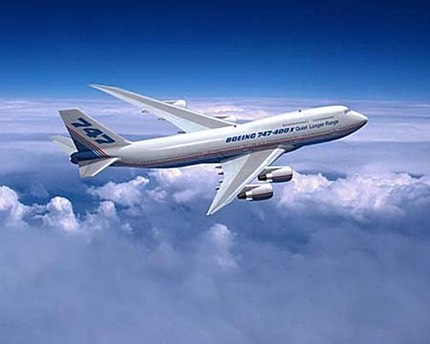
747-400XQLR
Announced at Asian Aerospace 2002, the 747-400XQLR studied quieter, longer-range improvements. It was dropped in favour of the 747-8.
Boeing 747-8: Final Generation Overview
Announced in 2005, the 747-8 was the final 747 generation, with a new wing, GEnx-2B engines and a 987,000 lb maximum takeoff weight.

747-8F
The 747-8 Freighter entered service with Cargolux in 2011 and was the last 747 in production - the final aircraft went to Atlas Air in January 2023.
Boeing 747-8 Intercontinental: Technical Specifications
The 747-8 Intercontinental was the passenger 747-8, with a lengthened fuselage and new wing. Lufthansa was its only major airline customer.
747 Trijet
Boeing studied a shorter three-engined 747 in the late 1960s to rival the L-1011 and DC-10, with an S-duct tail engine.
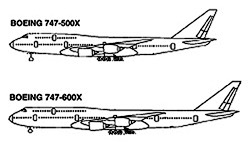
Boeing 747-500X, -600X and -700X (never produced)
Boeing's 1996 Farnborough proposals paired the 747 fuselage with a new 251 ft wing derived from the 777. None were built.
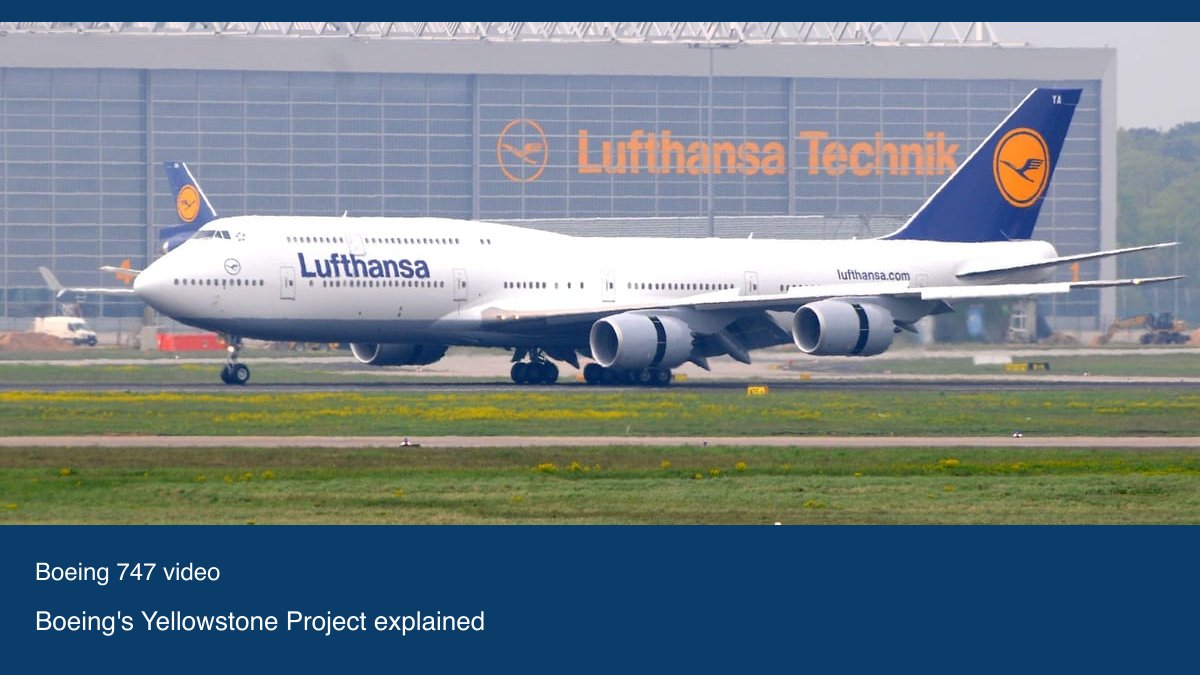
Yellowstone Project
Yellowstone was Boeing's plan to renew its civil fleet with composite airframes and efficient turbofans. The 747's Y3 successor was never launched.