Boeing 747-200
The 747-200 was the second 747 generation, offering more power, weight and range than the original -100.

The 747-200 is the aircraft that turned the 747 from a bold experiment into the backbone of long-haul aviation. It had more thrust, more fuel and higher weights than the 747-100, and - decisively - it could be bought with any of the three major engine makers' products.
393 were built across all versions, and production ran until 1991.
Telling one apart
A few early -200s kept the three-window upper deck of the -100. Most were built with ten windows a side, which is the quickest visual test between an early and a late classic 747.
The stretched upper deck that defines every later 747 had not arrived yet. That came with the 747-300, by way of two Japanese 747-100SR aircraft.
The four versions
| Version | Delivered | What it is |
|---|---|---|
| 747-200B | 233 | The passenger aircraft. More fuel, more thrust, roughly 6,857 nmi of range. In service February 1971. |
| 747-200M | 74 | Combi. Passengers forward, freight aft behind a movable partition, side cargo door. Up to 238 seats with cargo aboard. |
| 747-200C | 13 | Convertible. Removable seats and a nose cargo door, so the aircraft could switch roles. |
| 747-200F | 73 | Freighter. 105 tons of payload, 833,000 lb MTOW, in service with Lufthansa from 1972. |
Those four figures total exactly 393.
The engine choice mattered most
It is easy to read the -200's improvements as a list of numbers, but the commercially decisive change was engine choice. The -100 was a Pratt & Whitney JT9D aircraft. The -200 could be had with the JT9D, the General Electric CF6 or the Rolls-Royce RB211.
Airlines maintain engines, not just airframes. Being able to buy a 747 that shared a powerplant with the rest of the fleet removed a barrier that had kept several carriers out of the market entirely - and it is why the -200 outsold the -100 by more than two to one.
Where they went
Most large carriers had retired their -200s by the mid-2000s. The retirements accelerated after September 2001 and the collapse in demand that followed: airlines scrapped some aircraft, and converted others into freighters under the 747-200BF designation, a passenger-to-freighter conversion that gave many airframes another fifteen years of work.
That pattern - passenger aircraft retired early, freighters flying on - repeated with the 747-400, and is the reason 747 freighters remained in production until January 2023 while the passenger versions had stopped selling long before.
The -200 airframe also became the basis for the most famous 747s ever built: the two VC-25A presidential aircraft and the E-4B airborne command post are all 747-200s.
| Manufacturer | Boeing |
|---|---|
| Variant | 747-200 |
| Number built | 393 (all -200 variants) |
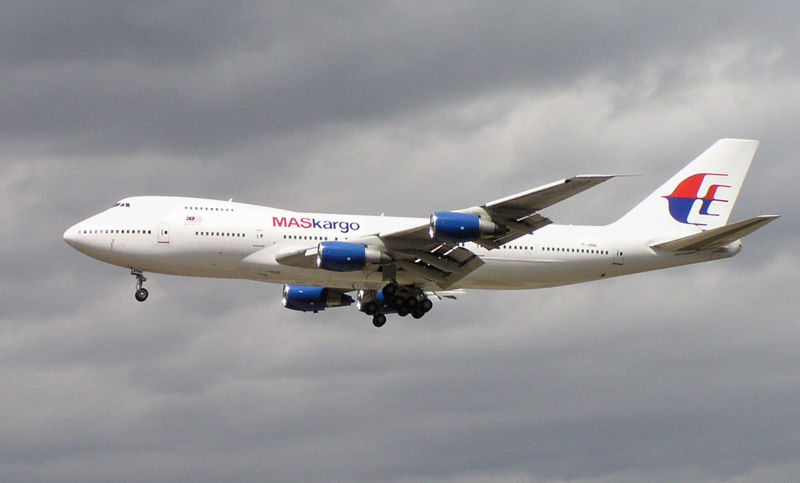
The freighter versions outlived the passenger ones by decades.

Video
Sources
Facts on this page are checked against the primary and institutional references below.
Related topics
Boeing 747-100 vs 747-200
What the 747-200 added to the original 747-100: more thrust, higher takeoff weights, a ten-window upper deck and freighter, combi and convertible variants.
Boeing 747-200 vs 747-300
The 747-300's stretched upper deck gave it about ten percent more capacity than the 747-200, with quieter engines and no change in length or weight limits.
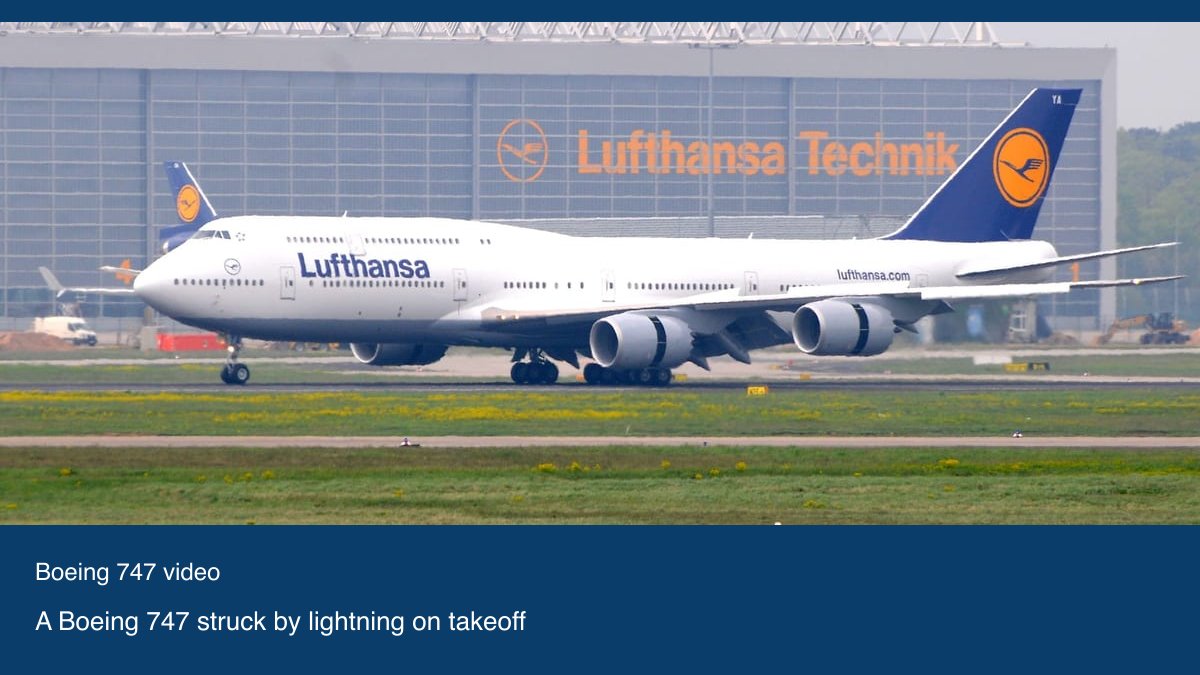
A Boeing 747 struck by lightning on takeoff
An All Nippon Airways Boeing 747-200 is struck by lightning on takeoff, caught on camera from the ground.
Air Canada
Air Canada flew 15 Boeing 747s for 33 years, from 1971 -100s and -200 Combis to a -400 era that ended in October 2004.
Air France Boeing 747 fleet history
Air France flew 747s from 1970 to the final passenger flights of January 2016, also operating one of the largest 747 freighter fleets.
Air India Boeing 747 fleet history
Air India flew its Boeing 747-200B from 1971 through 747-400s until March 2021 - about 50 years of service.
More in Boeing 747 Family
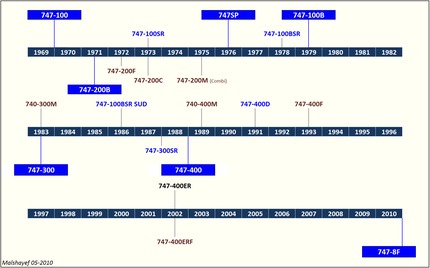
Boeing 747 Family
Every Boeing 747 variant built between 1968 and 2023 - the 747-100, -200, -300, -400 and 747-8, with freighter, combi and short-range models explained.
Boeing 747 Production Data
Download Boeing 747 production totals by generation, with a transparent method and links to Boeing's final programme record and technical documents.
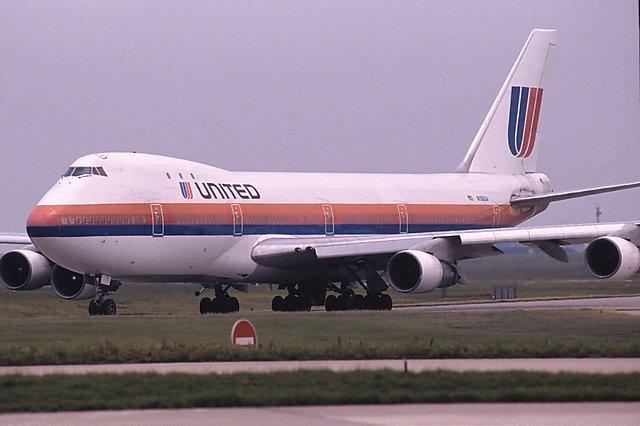
747-100
The original Boeing 747-100 entered service in 1970 with six upper-deck windows and a lounge; later aircraft offered a ten-window upper deck.
747-100B
The 747-100B added a stronger airframe and undercarriage and a 750,000 lb maximum takeoff weight. Only Iran Air and Saudia took delivery.
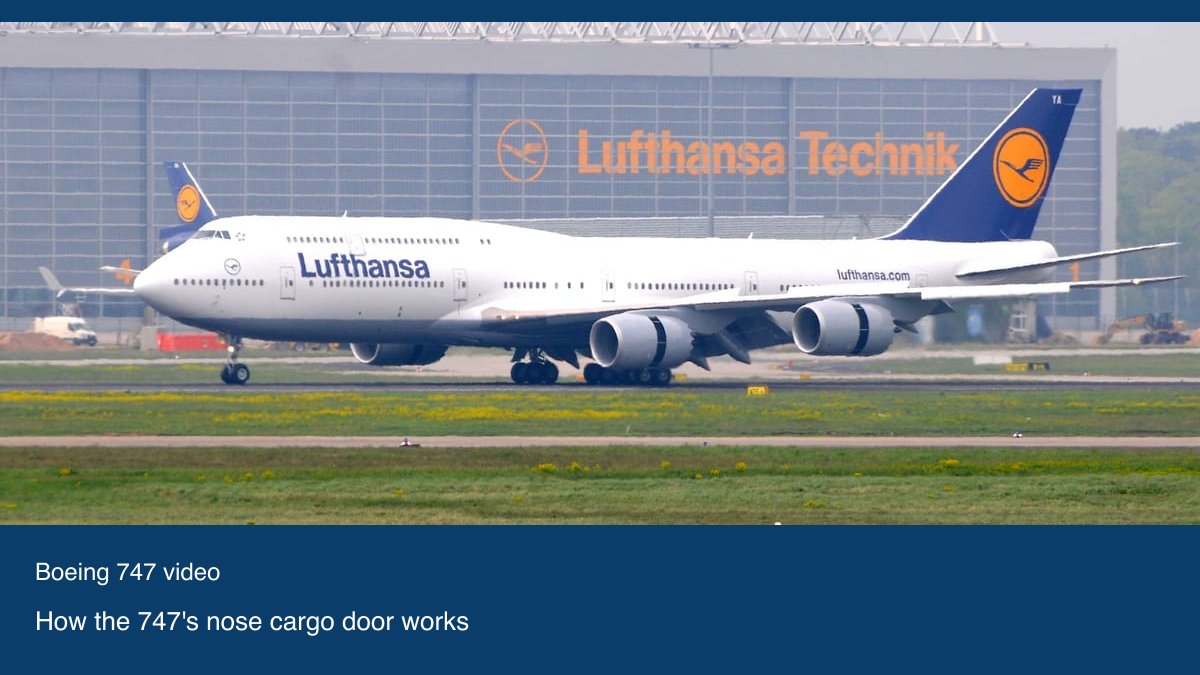
747-100F
Freighter specification for the Boeing 747-100F, covering main-deck and belly cargo volumes, pallet counts and upper-deck crew lounge options.
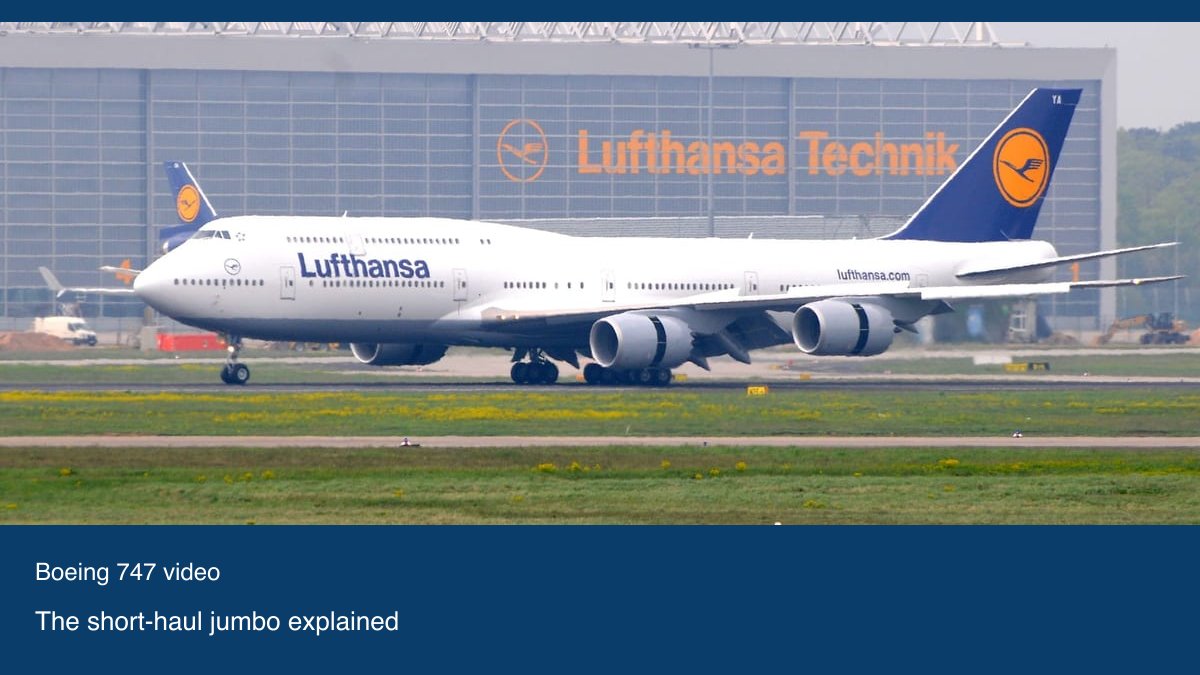
747-100SR
Built for Japanese domestic routes, the 747-100SR traded fuel capacity for seats, carrying up to 550 passengers on short high-frequency sectors.