Air Canada
Air Canada operated about 15 Boeing 747s between 1971 and 2004 — five -100s, several -200 Combis built specially for mixed passenger and freight service, and -400s including those inherited from Canadian Airlines.
Air Canada flew the 747 for 33 years, almost from the start of the type’s airline career to the mid-2000s, and it was one of the operators that leaned hardest on the Combi.
The 747-100 years
The first aircraft, a 747-133, arrived in February 1971 and went to work on transatlantic and transcontinental services. Five -100s served through the 1970s and into the mid-1980s before being phased out; some moved on to Iberia and Royal Air Maroc.
Built for the Combi
Air Canada took three 747-200 Combis with side cargo doors, the first in 1975, for routes that needed both passengers and airfreight on the same aircraft — a sensible fit for Canadian transatlantic services where cargo demand was strong but not enough to justify a full freighter. A third Combi came second-hand from Qantas in 1987; the aircraft later finished their working lives on lease to Garuda Indonesia.
In 1991 the airline took three new 747-433M Combis with sealed-deck cargo holds, continuing the concept into the -400 generation.
The -400 and the end
From 2001 Air Canada’s -400 fleet grew through the absorption of Canadian Airlines, bringing four more aircraft. The final 747-400 revenue flight, Frankfurt to Toronto, was on 31 October 2004, after which Airbus A340s and A330s took over the long-haul network. No Air Canada 747 was lost in an accident.
Related
Sources
Facts on this page are checked against the primary and institutional references below.
- 33 years of service — Air Canada's Boeing 747 operations — Simple Flying
- Air Canada 747 history — Airfleets
- Air Canada 747 operations — Widebody Aircraft
Related topics
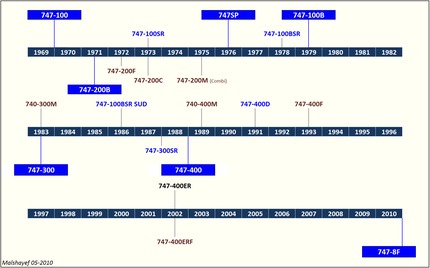
Boeing 747 Family
Every Boeing 747 variant built between 1968 and 2023 — the 747-100, -200, -300, -400 and 747-8, with freighter, combi and short-range models explained.
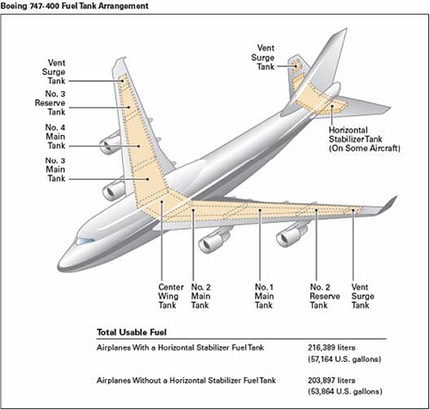
Boeing 747 Fuel System
Detailed Boeing 747 fuel system guide covering tank layout, pumps, transfer, crossfeed, refuelling, jettison, safety and every major 747 variant.
Boeing 747 Production Data
Download Boeing 747 production totals by generation, with a transparent method and links to Boeing's final programme record and technical documents.
Boeing 747 engines compared
The three 747 engines — Pratt & Whitney's JT9D, General Electric's CF6 and Rolls-Royce's RB211 — and the multi-engine choice that saved the programme.
Northwest 747 Seat Maps
Northwest's Boeing 747 cabins — the 400-seat Regal Imperial layout of the 1980s and the 403-seat World Business Class configuration of its 747-400s.
Boeing 747 registration and customer-code decoder
Decode a Boeing 747 model designation: the dash number gives the variant, and the final two characters name the airline that first ordered the airframe.
More in Airlines
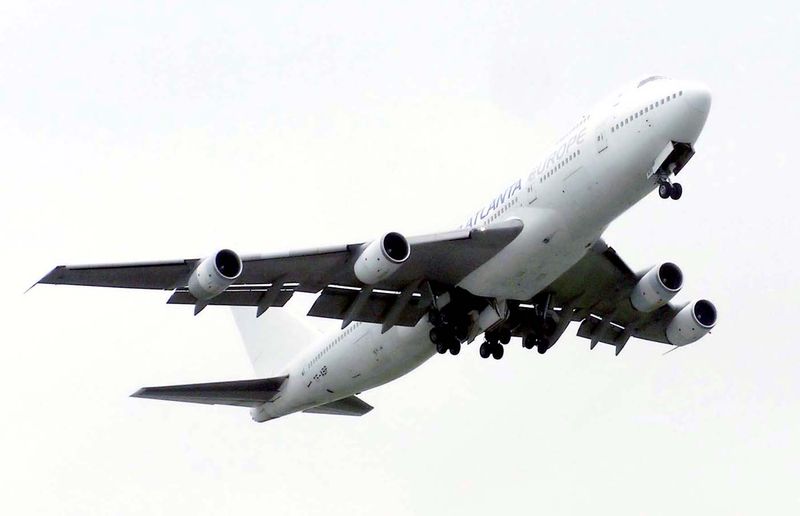
Airlines that flew the 747
Every major Boeing 747 operator — the launch customer, the biggest fleets ever flown, who still flies the 747 in 2026, and when the rest said goodbye.
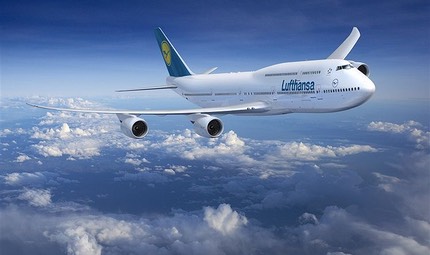
Active Boeing 747 Fleet Tracker
A dated, source-backed tracker of airlines still operating passenger and cargo Boeing 747s, using the latest official fleet disclosures available.
Pan American World Airways
The airline that ordered the 747 into existence, flew the first service in 1970, took 65 aircraft, and was gone by 1991.
Japan Airlines
The largest 747 operator in history at 108 aircraft, and the airline Boeing built three special high-density variants for.
British Airways
94 Boeing 747s, the largest 747-400 fleet in the world, and a retirement brought forward four years by COVID-19.
Singapore Airlines
93 Boeing 747s, the Megatop 747-400s, and a retirement in 2012 in favour of the 777 and A380.