Seating layouts
Airline seat maps and original historical reconstructions reveal how 747 cabins changed across five decades.
Seat maps as the airlines actually configured them. A 747 is not one cabin but two, and where you sat mattered more on this aircraft than on most. This collection now includes both airline-issued maps and original, source-linked historical reconstructions.
In this section
- Air France - the 1970 salons and the 432-seat final -400
- Air India - a 423-seat -400 with business across the whole upper deck
- ANA - the 569-seat domestic -400D and the 287-seat long-haul cabin
- BOAC and British Airways classic - the Monarch Lounge and the -200
- British Airways 747-400 - 747-400 maps by cabin
- Cathay Pacific - the -200, -300 and the final 359-seat -400
- El Al - the 408-seat original and 403-seat refurbished -400
- Japan Airlines - the 563-seat 747SR and Executive Express
- KLM - the -200, the -400 and the Combi
- Korean Air 747-8 - 368 seats with Prestige on both decks
- Lufthansa classic - the first European 747 and the -200
- Lufthansa 747-8 - both decks of the last passenger 747
- Northwest - Regal Imperial Service and World Business Class
- Pan Am - the launch cabin, Clipper Class and the 747SP
- Qantas 747-400 and 747-400ER - four documented configurations from 307 to 371 seats
- Saudia - a 424-seat -300 with the whole upper deck as economy
- Singapore Airlines - the 747-412 across both decks
- South African Airways - the 331-seat "Millennium" -400
- Thai Airways - the 389-seat original and 374-seat final -400
- TWA - the Penthouse lounge and Ambassador Class
- United Airlines - international layout with lie-flat first class
- Virgin Atlantic - 394, 424 and 455-seat Upper Class layouts
- Vintage 747 seat maps - Pan Am and United in 1970, plus Qantas 747-200B and 747SP layouts from 1986
Why the upper deck was different
Downstairs a 747 is a wide-body: usually 3-4-3 in economy, ten abreast, with two aisles.
Upstairs it is narrow and quiet - typically 3-3 in economy or 2-2 in first, in a cabin holding a few dozen people with its own galley and its own stair. Airlines used it for first or business class from the 747-300 onwards, and frequent flyers went out of their way to be in it.
On the earliest aircraft it was not a cabin at all but a lounge.
Where the seat count came from
The 747-8 Intercontinental seats 467 in three classes. The high-density Japanese domestic variants went far further: the 747-400D was certified for up to 660 passengers in a single-class layout, and the 747-300SR flew with more than 600.
Related
Sources
Facts on this page are checked against the primary and institutional references below.
- 747-8 Airplane Characteristics for Airport Planning - Boeing
- Boeing 747 - Wikipedia
Related topics
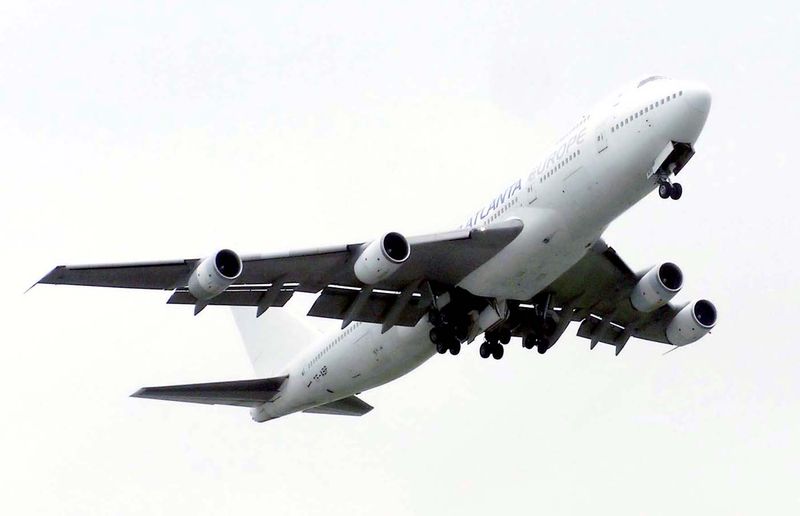
Boeing 747 Airlines: Launch Customers and Retirements
Explore Boeing 747 airline history, from Pan Am and the largest fleets to retirement milestones, with links to current operator evidence.
How the airlines said goodbye
Kangaroos drawn in the sky, retro liveries and sold-out seats - the 747's retirements were unlike any other aircraft's.
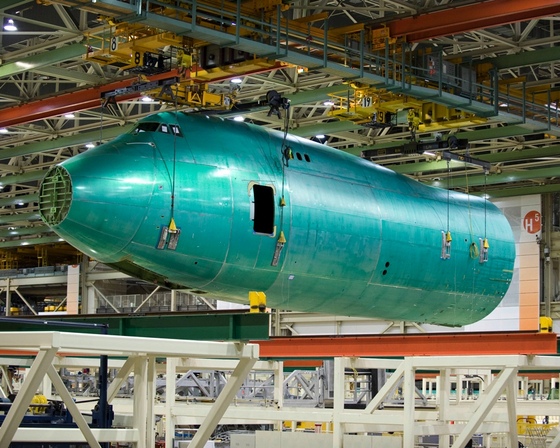
Fun Facts from Boeing
Boeing 747 facts and figures - six million parts, the largest building on Earth, 1,088 people on one flight, and 1,574 aircraft built over 54 years.
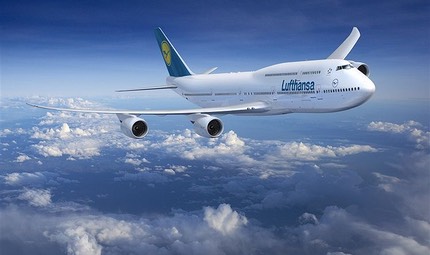
Active Boeing 747 Fleet Tracker
Track confirmed passenger and cargo Boeing 747 operators with dated fleet counts, primary sources, methodology and downloadable records.
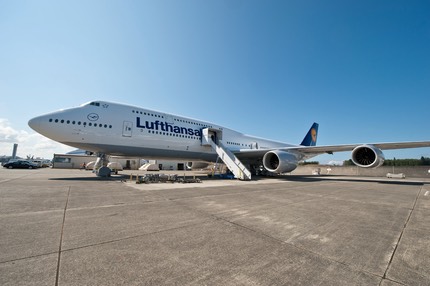
Boeing 747-8 Passenger Version: Cabin and Airline Demand
The passenger 747-8 offered 51 more seats and 26 percent more cargo volume than the 747-400, but found only a handful of airline customers.
Designing a 747 to wear out: the high-cycle problem
Japan's domestic 747s were built to survive far more take-off and landing cycles than any long-haul jumbo - and one fatigue failure changed repair rules worldwide.
In this section
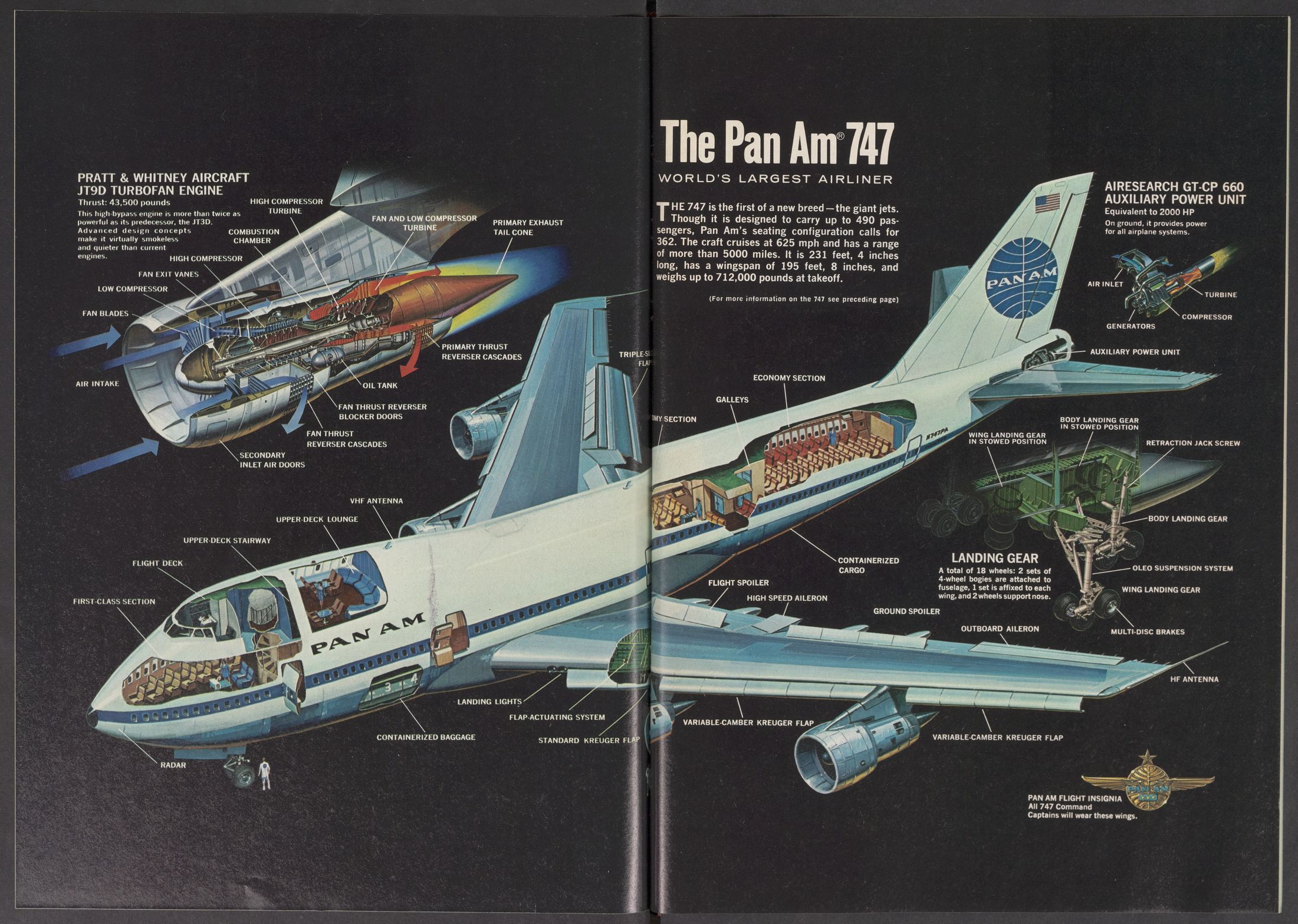
Vintage Boeing 747 Seat Maps
View original Pan Am, United and Qantas Boeing 747 cabin maps from 1970 to 1986, including upper-deck lounges and high-density seating.
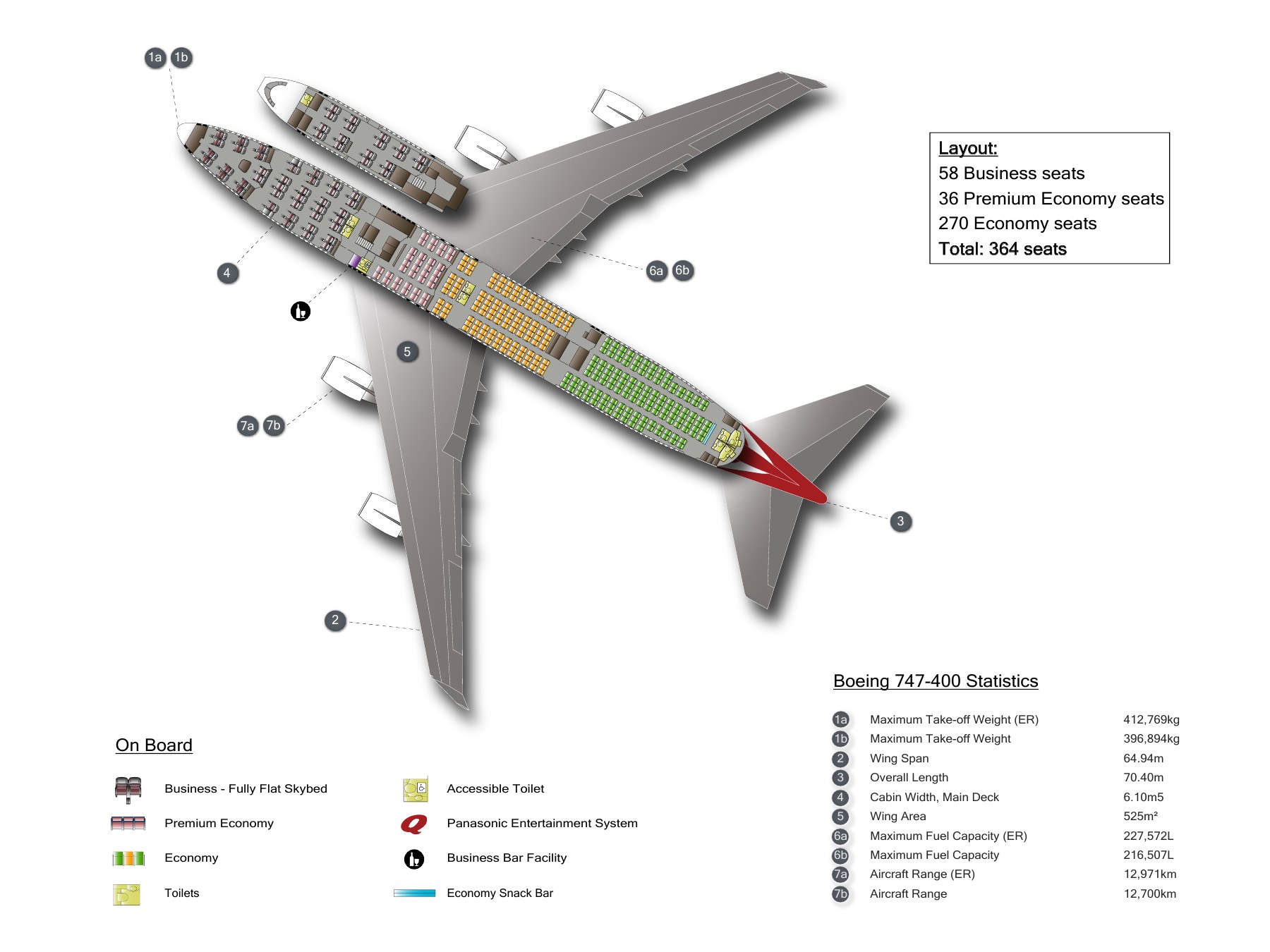
Qantas Boeing 747 Seat Maps
Compare four documented Qantas Boeing 747-400 and 747-400ER cabin layouts, including 307-, 353-, 364- and 371-seat configurations.
British Airways 747-400 seat maps
British Airways Boeing 747-400 seat maps by cabin - First, Club World, World Traveller Plus and World Traveller.

Lufthansa 747-8 seat maps
Lufthansa Boeing 747-8 seat maps for both decks - the launch customer and largest operator of the last passenger 747.
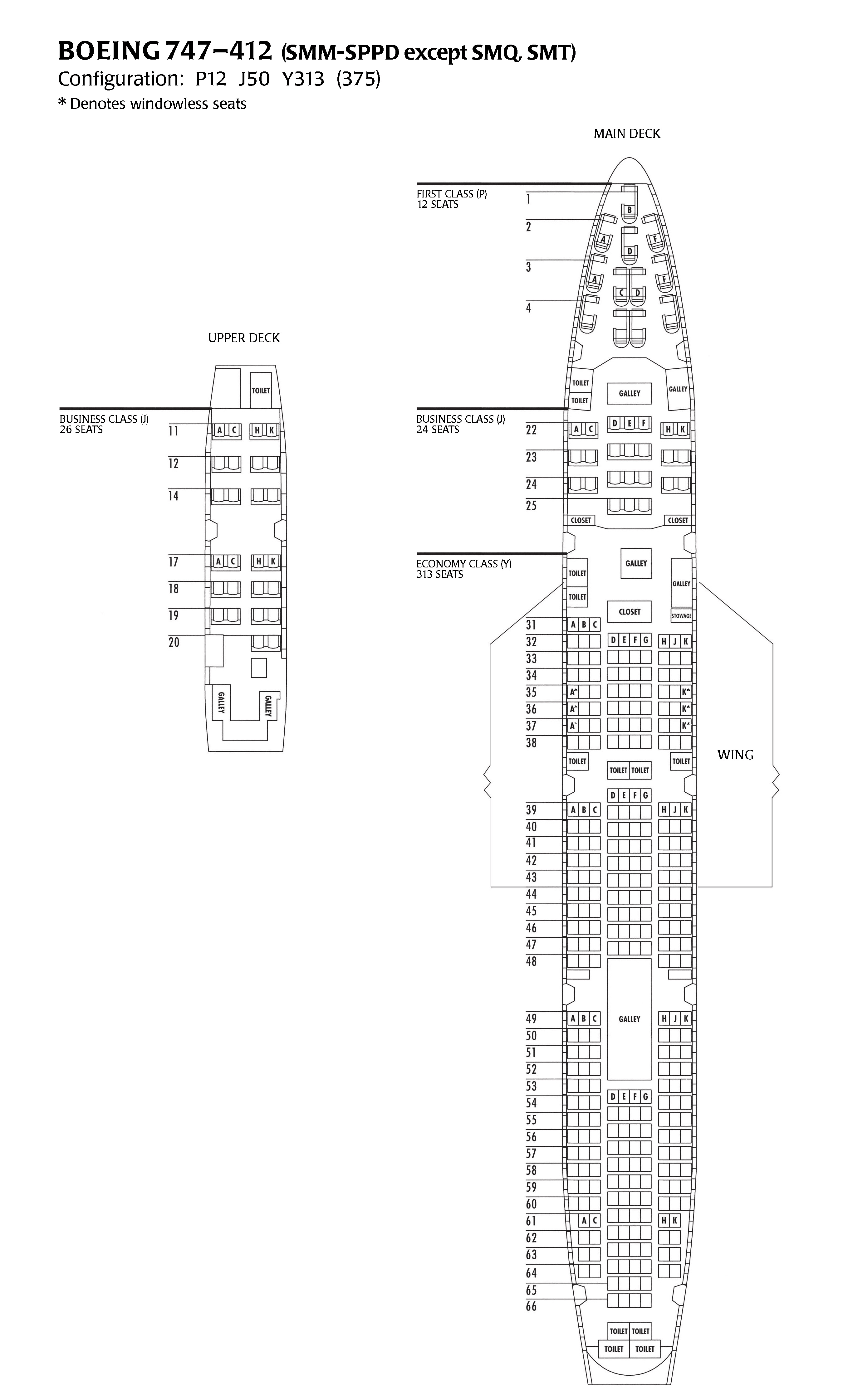
Singapore Airlines 747-412 seat map
Singapore Airlines Boeing 747-412 seat map across both decks, from a fleet of 93 - the third largest 747 operator ever.
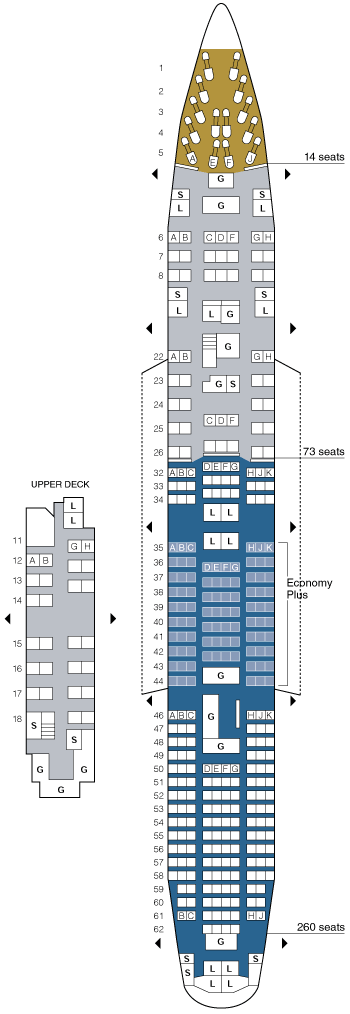
United Airlines 747-400 seat map
United Airlines Boeing 747-400 international seat map, with a key to the symbols and the lie-flat first class bed.
Korean Air 747-8 seat map
Korean Air's Boeing 747-8I cabin: 368 seats across both decks, with First, Prestige business and economy, and Prestige on the upper deck.
Pan Am 747 Seat Maps
How Pan Am configured its Boeing 747s - the 362-seat 1970 launch cabin with its upper-deck lounge, the later eras, and the 233-seat 747SP.
TWA 747 Seat Maps
TWA's Boeing 747 cabins over three decades - the 346-seat 1970 layout with its Penthouse lounge, the 432-seat Ambassador Class era and the 747SP.
Northwest 747 Seat Maps
Northwest's Boeing 747 cabins - the 400-seat Regal Imperial layout of the 1980s and the 403-seat World Business Class configuration of its 747-400s.
KLM 747 Seat Maps
KLM's Boeing 747 cabins - the 353-seat 1971 -200, the 408-seat -400 and the 268-seat -400M Combi that closed the airline's jumbo era in 2020.
Air France 747 Seat Maps
Air France's Boeing 747 cabins - the 1970 three-class flagship and the 436- and 432-seat two-class 747-400 layouts that closed the airline's jumbo era.
BOAC and BA classic 747 seat maps
The first British 747 cabins - BOAC's 362-seat 747-100 with its Monarch Lounge, and the 319-seat British Airways -200 that succeeded it.
Lufthansa classic 747 seat maps
Lufthansa's classic Boeing 747 cabins - the 361-seat -100 that flew the first European 747 service, and the 389-seat three-class -200.
Japan Airlines 747 seat maps
JAL's Boeing 747 cabins - the 563-seat domestic 747SR, the 568-seat 747-400D and the 286-seat Executive Express business shuttle.
ANA 747 seat maps
ANA's Boeing 747 cabins - the 528-seat domestic 747SR, the 569-seat 747-400D and the 287-seat long-haul 747-400.
Cathay Pacific 747 seat maps
Cathay Pacific's Boeing 747 cabins - the 363-seat 1980s -200, the 415-seat -300 and the 359-seat final -400 retired in 2016.
Thai Airways 747 seat maps
Thai Airways' Boeing 747-400 cabins - the 389-seat 1990 layout, the 375-seat 2011 retrofit and the 374-seat final configuration retired in 2024.
Virgin Atlantic 747 Seat Maps
Virgin Atlantic's Boeing 747-400s flew three documented layouts - a 394-seat original, a 424-seat version and the 455-seat final refit.
Air India Boeing 747 Seat Maps
Air India's Boeing 747-400 kept a 423-seat layout for nearly three decades, with the entire upper deck given over to business class.
South African Airways 747 Seat Maps
South African Airways' refitted Boeing 747-400 carried 331 seats, with First Class in the nose and economy on the quiet upper deck.
El Al Boeing 747 Seat Maps
El Al's Boeing 747-400 flew two documented cabins - a 408-seat original and a 403-seat refurbishment, both with business class on the upper deck.
Saudia Boeing 747 Seat Maps
Saudia's Boeing 747-300 seated 424 with the entire upper deck as economy, while its later 747-400s carried 434 in business and economy.
Delta Air Lines 747 Seat Maps
Delta's Boeing 747-400s, inherited from Northwest, flew one documented 376-seat layout: 48 Delta One suites, 42 Comfort+ and 286 main cabin seats.
Air New Zealand 747 Seat Maps
Air New Zealand's Boeing 747-400 flew two documented cabins - a 380-seat two-class layout and a refit seating 379 with Business Premier.
Swissair 747 Seat Maps
Swissair's 747-300s and -300M Combis seated up to 396, with first class on the extended upper deck and combi freight behind the main cabin.
SAS 747 Seat Maps
SAS's 'Viking' 747-200Bs seated 353, with a first-class lounge on the upper deck; its Combis carried 209 - 281 with main-deck freight.
Braniff 747 Seat Maps
Braniff's three orange 747SPs were configured to seat 192 passengers in three classes - the most luxurious cabins the airline ever fielded.