Japan Airlines
JAL took 108 Boeing 747s, more than any other airline, including variants built specifically for Japanese domestic routes. It retired the type in 2011.
Japan Airlines operated more 747s than any airline in history.
The fleet
108 delivered - the highest total of any customer. Some accounts give 112, which counts second-hand aircraft acquired later; 108 is the delivery figure and the one used across this site.
The 747-400 was the largest component at 44 aircraft: 34 standard, 2 freighters and 8 747-400Ds.
Boeing built variants for them
This is what makes JAL unusual. It was not simply a large customer - it was a customer Boeing designed aircraft for.
JAL was launch customer for the 747SR, a short-range, high-density 747 with reduced fuel capacity and reinforced structure, built because Japanese trunk routes were short, extremely busy and flown many times a day. Cycles, not hours, were the constraint.
That idea ran through three generations:
| Variant | For |
|---|---|
| 747-100SR | 1973 onward; up to 550 seats |
| 747-300SR | 600-plus seats |
| 747-400D | Up to 660; winglets deleted |
The -400D's missing winglets are the clearest illustration: on a one-hour sector they never repay the weight they add, so Boeing left them off.
JAL configured some aircraft for as many as 624 passengers.
The stretched upper deck started here
Two JAL 747-100B/SR aircraft were the first delivered with the stretched upper deck - the modification that became standard on the 747-300 and every 747 afterwards.
The most recognisable change in the aircraft's history began as a way of fitting more people onto Japanese domestic flights.
The end
JAL retired its last 747-400s in 2011.
The fleet's history also includes Japan Air Lines 123 in 1985 - a 747SR, and the deadliest accident involving a single aircraft in history.
Related
Sources
Facts on this page are checked against the primary and institutional references below.
- Japan Airlines - Wikipedia
- Japan Airlines retires its entire fleet of Boeing 747-400s - Aviator / Aviation Week
Related topics
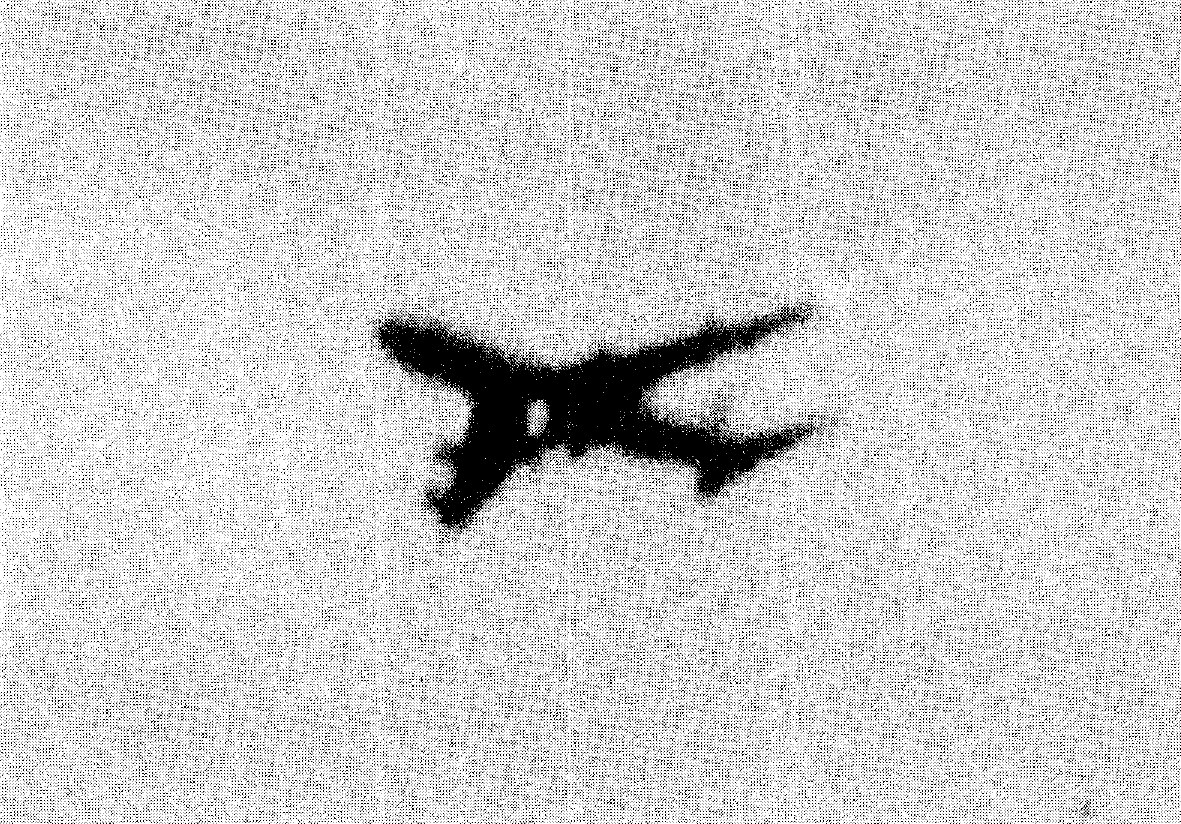
Japan Air Lines 123, 12 August 1985
A faulty repair failed seven years later, destroying the tail and all four hydraulic systems. 520 died; four survived. The deadliest single-aircraft crash.
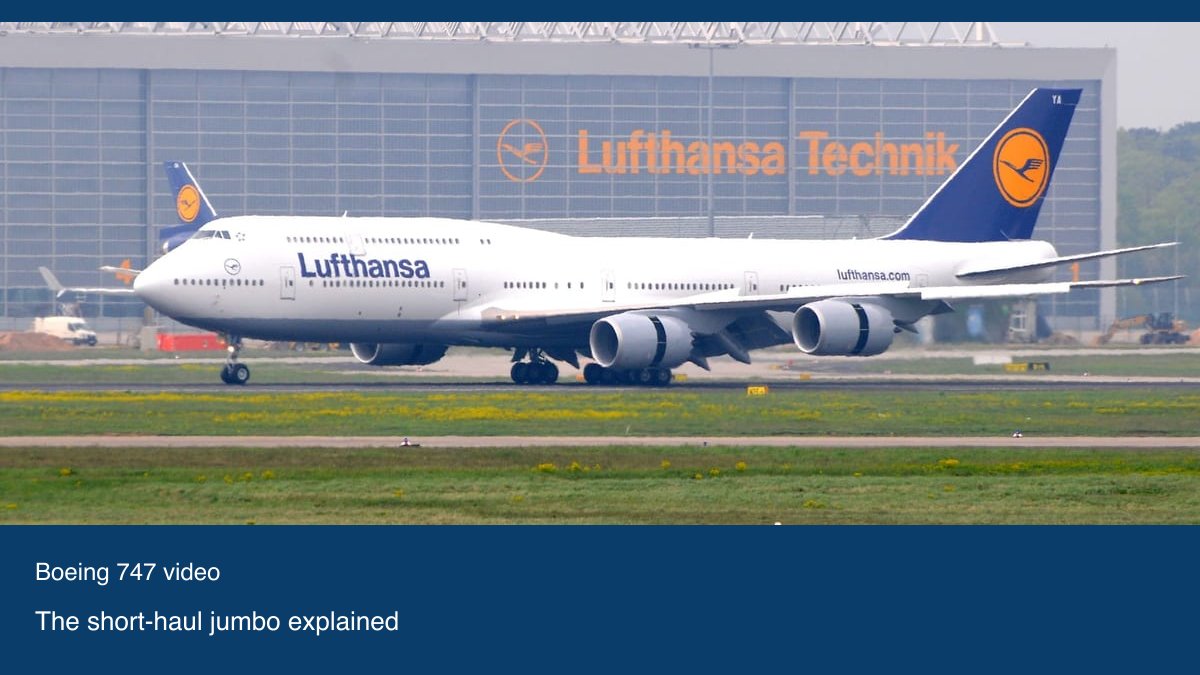
747-100SR
Built for Japanese domestic routes, the 747-100SR traded fuel capacity for seats, carrying up to 550 passengers on short high-frequency sectors.
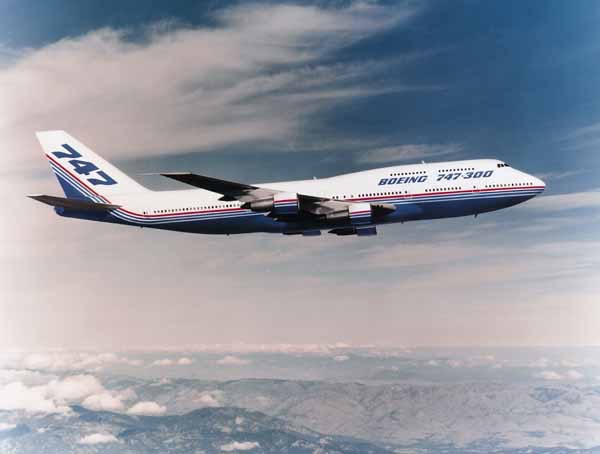
747-300SR
A high-capacity domestic 747-300; Japan Airlines flew the type with more than 600 seats on routes such as Okinawa to Tokyo.
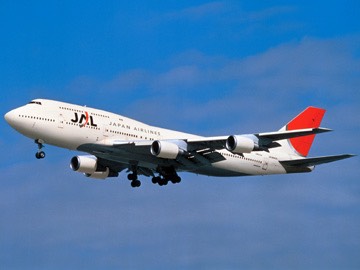
747-400D
The high-density 747-400D was built for short Japanese domestic sectors, seating up to 660 passengers and omitting winglets.
ANA 747 seat maps
ANA's Boeing 747 cabins - the 528-seat domestic 747SR, the 569-seat 747-400D and the 287-seat long-haul 747-400.
Designing a 747 to wear out: the high-cycle problem
Japan's domestic 747s were built to survive far more take-off and landing cycles than any long-haul jumbo - and one fatigue failure changed repair rules worldwide.
More in Airlines
Boeing 747 Airlines: Launch Customers and Retirements
Explore Boeing 747 airline history, from Pan Am and the largest fleets to retirement milestones, with links to current operator evidence.
Active Boeing 747 Fleet Tracker
Track confirmed passenger and cargo Boeing 747 operators with dated fleet counts, primary sources, methodology and downloadable records.
Pan American World Airways
The airline that ordered the 747 into existence, flew the first service in 1970, took 65 aircraft, and was gone by 1991.
British Airways
94 Boeing 747s, the largest 747-400 fleet in the world, and a retirement brought forward four years by COVID-19.
Singapore Airlines
93 Boeing 747s, the Megatop 747-400s, and a retirement in 2012 in favour of the 777 and A380.

Lufthansa
81 Boeing 747s, the launch customer for the 747-8 Intercontinental, and the last major airline still flying the type.