Boeing 747-8F
The 747-8F was the freighter version of the 747-8, and the last 747 variant in production.

| Manufacturer | Boeing |
|---|---|
| Variant | 747-8F |
| Introduced | October 2011 (Cargolux) |
| Status | In service; production ended January 2023 |
| Length | 250 ft 2 in (76.25 m) |
| Wingspan | 224 ft 5 in (68.40 m) |
| Max takeoff weight | 987,000 lb (447,696 kg) |
| Max landing weight | 763,000 lb (346,091 kg) |
| Max zero-fuel weight | 727,000 lb (329,762 kg) |
| Representative operating empty weight | 434,600 lb (197,131 kg) |
| Representative structural payload | 292,400 lb (132,630 kg) |
| Usable fuel capacity | 59,734 US gal (226,117 L) |
| Main-deck container volume | 24,462 cu ft (692.7 m³) |
| Lower-deck cargo volume | 5,850 cu ft (165.7 m³) container space + 520 cu ft (14.7 m³) bulk |
| Number built | 107 |
| Configuration and assumptions | 987,000 lb MTOW planning option. Boeing's estimated OEW and structural payload depend on equipment and operator configuration. The freighter has no tail fuel tank. |
| Technical reference | Boeing D6-58326-3, Revision E (January 2026), printed page 2-2. |
The 747-8 Freighter is the aircraft that carried the whole 747-8 programme, and the last 747 ever built. 107 were delivered - more than twice the Intercontinental - and the final one went to Atlas Air on 31 January 2023, closing the production line after 54 years and 1,574 aircraft.
It was also the first version of the 747-8 to fly and to enter service, going to Cargolux in October 2011.
Why Boeing built it first
By the mid-2000s the 747 was carrying roughly half the world's air freight. That was the franchise worth defending, and it was under no real threat from twin-engined aircraft - because nothing else had a nose door.
So Boeing built the freighter first and the airliner second. It was the right call: the freighter outsold the passenger version more than two to one and kept the line open for a decade after passenger orders dried up.
What it carries
The technical table above uses Boeing's January 2026 planning example at 987,000 lb maximum takeoff weight. Its 292,400 lb (132,630 kg) structural payload follows from 727,000 lb maximum zero-fuel weight minus an estimated 434,600 lb operating empty weight. Equipment and operator configuration change empty weight and therefore payload; this is not a universal value for every -8F.
Compare the factory freighters for the weight options and container volumes.
The 18 ft 3½ in stretch over the 747-400F - split just before and just aft of the wing - created four extra pallet positions on the main deck, plus either two extra containers and two extra pallets, or three extra pallets, in the lower hold.
As on the -400F, the upper deck is short, not stretched. A freighter has no use for an upper-deck cabin, and the structure would be payload given away.
It achieves about 16 percent lower ton-mile operating cost than the 747-400F.
Payload versus range: the design choice
The 747-8F carries more than the 747-400ERF but does not fly as far, and the reason is a deliberate decision about where to spend the extra weight.
When Boeing launched the -400ERF, the entire 35,000 lb increase in maximum takeoff weight over the -400F (875,000 to 910,000 lb) was made available as extra fuel - burned off in flight so the aircraft landed at the standard -400F weight. That bought range.
Boeing's 987,000 lb planning option has a 727,000 lb zero-fuel limit, compared with 611,000 lb in the -400ERF planning table. That higher structural limit provides more payload capacity, while actual range still depends on loading and mission assumptions.
Which is better depends entirely on the operator. Carriers such as Cargolux frequently move machinery or indivisible loads - single items that cannot be split between two flights - where maximum payload and landing weight are hard limits and range is not. On trips where the payload is below maximum, the aircraft simply takes more fuel and flies further.
This is also why cargo range figures are quoted at maximum payload rather than at maximum fuel. A freighter's useful range is the range it has when full.
Operators
UPS Airlines became the largest operator, with orders totalling 30 aircraft by 2016. Cargolux, Cathay Pacific Cargo, AirBridgeCargo, Korean Air and Atlas Air all flew substantial fleets.
Those aircraft are young by freighter standards. The 747-8Fs delivered in the 2010s and early 2020s have decades of work ahead of them - which means the 747 will be flying freight well into the 2040s, long after the last passenger example is gone.
Related
- 747-8 - the family overview
- 747-8 Intercontinental - the passenger version
- 747-400F - the previous generation
- The 747-8 Freighter interior
Video
Sources
Facts on this page are checked against the primary and institutional references below.
Related topics

Inside the 747-8 Freighter
The 747-8F is 18.4 ft longer than the 747-400F, carries 16 percent more revenue cargo volume, and keeps the nose door that defines the 747 freighter.
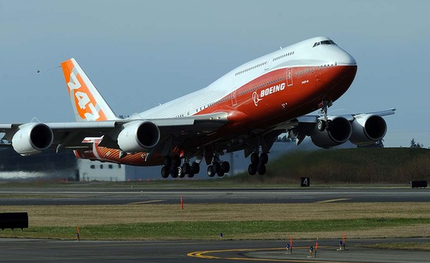
The Boeing 747-8
A guide to the final 747 - the stretched fuselage, new wing, GEnx-2B engines, 787-derived flight deck and the freighter that closed the production line.
Factory freighters vs converted 747 freighters
A factory 747 freighter is built for cargo from the start - nose door, no windows, a short upper deck. A conversion re-engineers a retired passenger 747 instead.
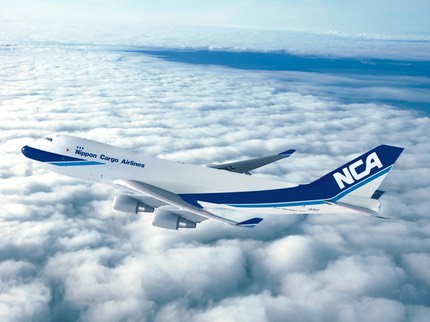
How 747 freight actually works
The nose door, motorised floor rollers, 96 by 125 inch pallets and 30 main-deck positions - how a 747 freighter is loaded and why it beat everything else.
Boeing 747-8 Intercontinental vs 747-8F
The 747-8I and 747-8F share an engine, a wing and a weight, but split on the upper deck, the nose door and what they are built to haul.
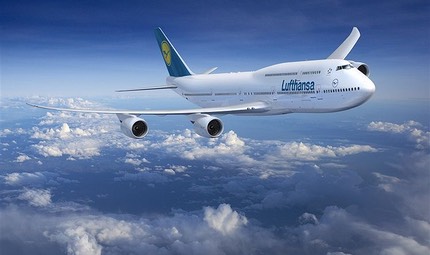
Active Boeing 747 Fleet Tracker
Track confirmed passenger and cargo Boeing 747 operators with dated fleet counts, primary sources, methodology and downloadable records.
More in Boeing 747 Family
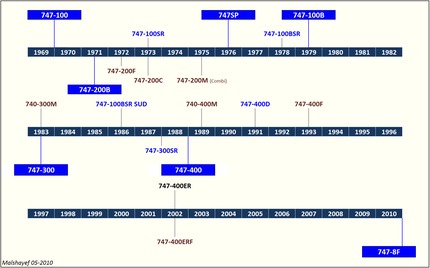
Boeing 747 Family
Every Boeing 747 variant built between 1968 and 2023 - the 747-100, -200, -300, -400 and 747-8, with freighter, combi and short-range models explained.
Boeing 747 Production Data
Download Boeing 747 production totals by generation, with a transparent method and links to Boeing's final programme record and technical documents.
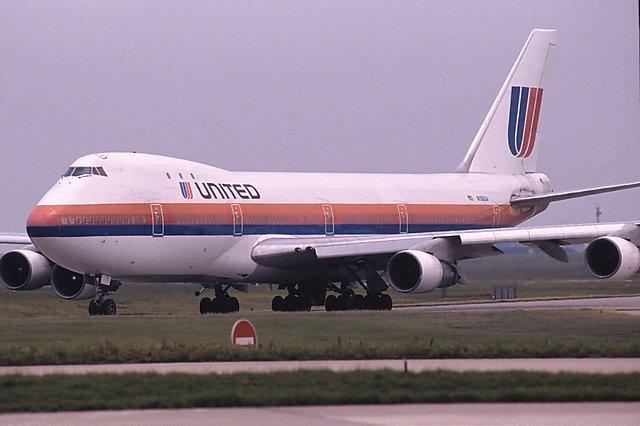
747-100
The original Boeing 747-100 entered service in 1970 with six upper-deck windows and a lounge; later aircraft offered a ten-window upper deck.
747-100B
The 747-100B added a stronger airframe and undercarriage and a 750,000 lb maximum takeoff weight. Only Iran Air and Saudia took delivery.
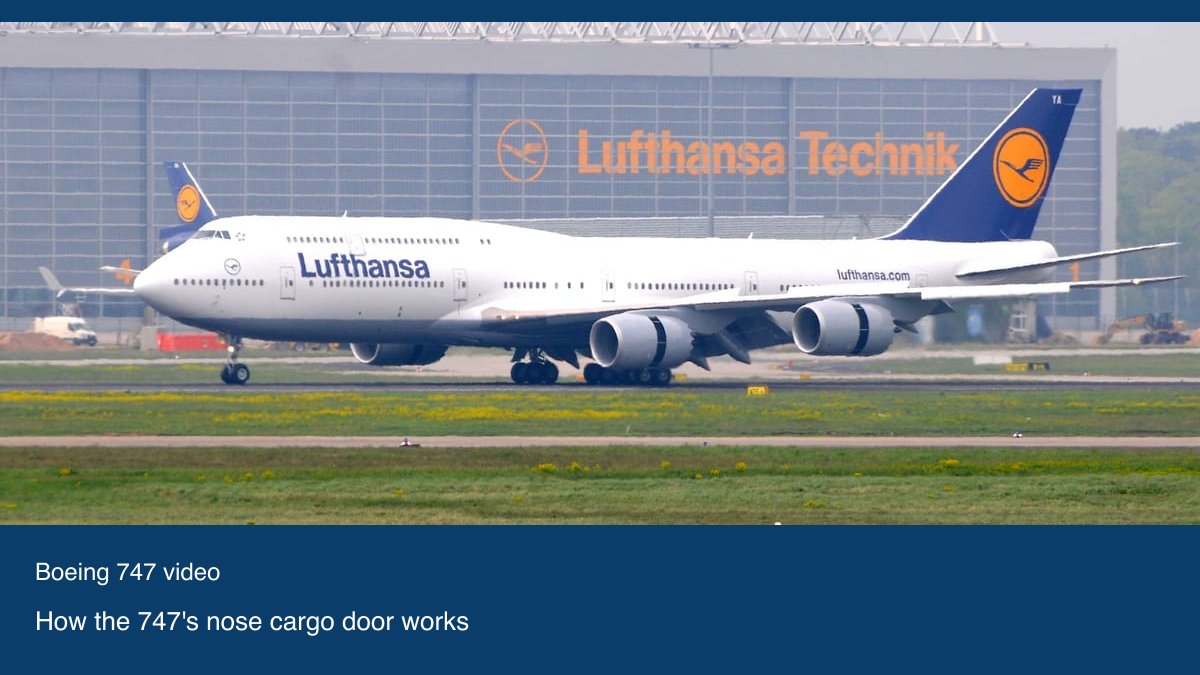
747-100F
Freighter specification for the Boeing 747-100F, covering main-deck and belly cargo volumes, pallet counts and upper-deck crew lounge options.
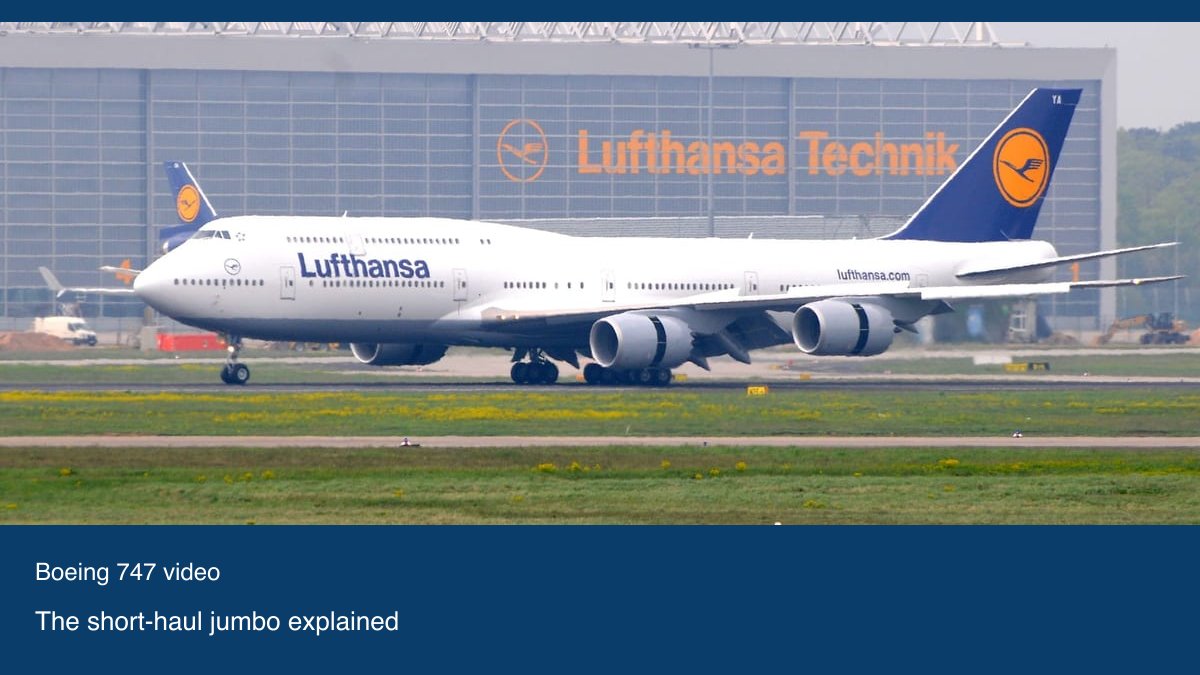
747-100SR
Built for Japanese domestic routes, the 747-100SR traded fuel capacity for seats, carrying up to 550 passengers on short high-frequency sectors.