Where the 747s went
Scrapping, freighter conversion, preservation and a few genuinely strange afterlives — what became of 1,574 aircraft.

1,574 were built and most are gone. A four-engined widebody has very little value once no airline wants it, and the parts are usually worth more than the airframe. But not all of them ended the same way.
Scrapped
The commonest outcome, and it is not sentimental. A retired 747 is stripped of everything with a serial number and a certificate — engines, avionics, landing gear, actuators — which go back into the spares pool keeping other aircraft flying. What is left is aluminium, and aluminium is recycled.
The 2020 retirements accelerated this enormously: British Airways, Qantas, KLM and Virgin Atlantic all withdrew their fleets within months, and the market for used 747 parts was briefly flooded.
Converted to freighters
The best outcome, and a common one. A passenger 747 is retired when its fuel burn per seat stops competing; a freighter is retired when the airframe runs out of cycles. Those are very different thresholds.
The 747-400BCF programme rebuilt around 50 aircraft: interior stripped, a main-deck side cargo door cut in, floor reinforced, windows plugged. Third parties such as IAI Bedek did more under the 747-400BDSF designation.
A converted aircraft cannot get a nose door — that is designed in from the start — so it loads through the side only and cannot take the outsize loads a factory 747-400F can. It still flies freight for another fifteen or twenty years.
Preserved
A small number are in museums and can be visited. The most significant is the first 747 ever built — RA001, City of Everett — at the Museum of Flight in Seattle, restored over nearly two years and reopened to visitors in 2014.
Others include the Qantas 747-400 VH-OJA at HARS in Australia, which flew London to Sydney nonstop in 1989, and the two Shuttle Carrier Aircraft — NASA 905 at Space Center Houston and NASA 911 at Palmdale.
Converted to something else entirely
A handful found afterlives nobody designed for.
Cosmic Girl is the standout. A former Virgin Atlantic 747-400 became Virgin Orbit’s satellite launcher, carrying a rocket under its left wing and releasing it at 35,000 ft. It reached orbit six times. After Virgin Orbit’s bankruptcy in 2023 it was bought by Stratolaunch, renamed Spirit of Mojave, and is being converted again as a hypersonic testbed carrier — a third career.
Others became restaurants, hotels and homes. A former Pan Am 747 has been a hostel at Stockholm Arlanda. One sits in a field in Oregon as a house. The Evergreen Supertanker went the other way and became a firefighting aircraft.
Still flying
Not everything retired. Four airlines still advertise scheduled passenger 747 fleets. Atlas Air Worldwide reported 60 747s in March 2026, including four Dreamlifters operated for Boeing.
The 747-8Fs delivered in the 2010s and early 2020s are young aircraft with decades ahead of them, which means the 747 will still be working into the 2040s. And two 747-8s are becoming the next Air Force One.
Related
Sources
Facts on this page are checked against the primary and institutional references below.
- Atlas Air fleet composition, March 2026 — Atlas Air Worldwide
- Boeing 747-121 RA001 collection record — The Museum of Flight
- Independence Plaza and NASA 905 — Space Center Houston
Related topics
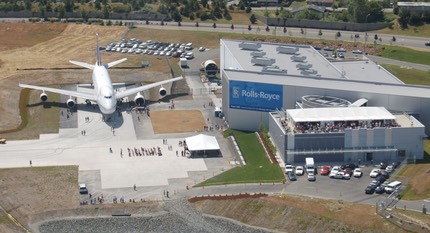
The 747 as a flying testbed
General Electric, Rolls-Royce and Pratt & Whitney all fly engines on 747s — because a four-engined aircraft can carry a strange engine safely.
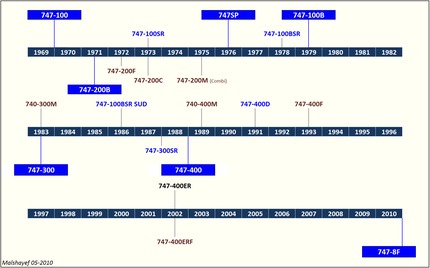
747 Timeline
A Boeing 747 chronology from the 1963 design study to the final delivery in January 2023, with rollout, first flight and delivery dates.
About Alykhan Virani
Meet Alykhan Virani, the Boeing 747 enthusiast who researches, writes and reviews the independent reference pages on Boeing-747.com.
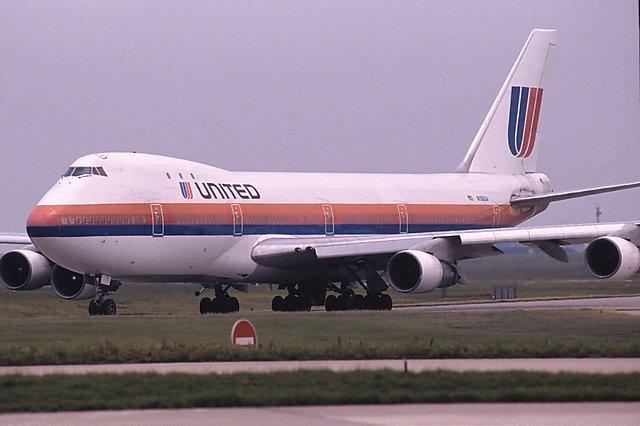
Boeing 747 accidents
The major Boeing 747 accidents, what caused them, and the changes to aviation that followed — from Tenerife to the end of production.
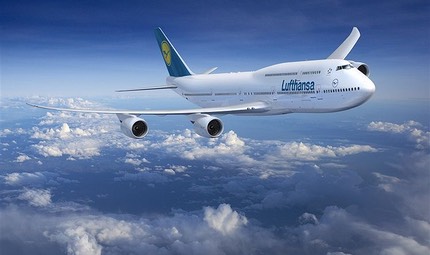
Active Boeing 747 Fleet Tracker
A dated, source-backed tracker of airlines still operating passenger and cargo Boeing 747s, using the latest official fleet disclosures available.
ANA to retire its last two Boeing 747s
All Nippon Airways retired its last two passenger Boeing 747s in 2014, ending decades of jumbo operations in Japan.
More in Features
Features
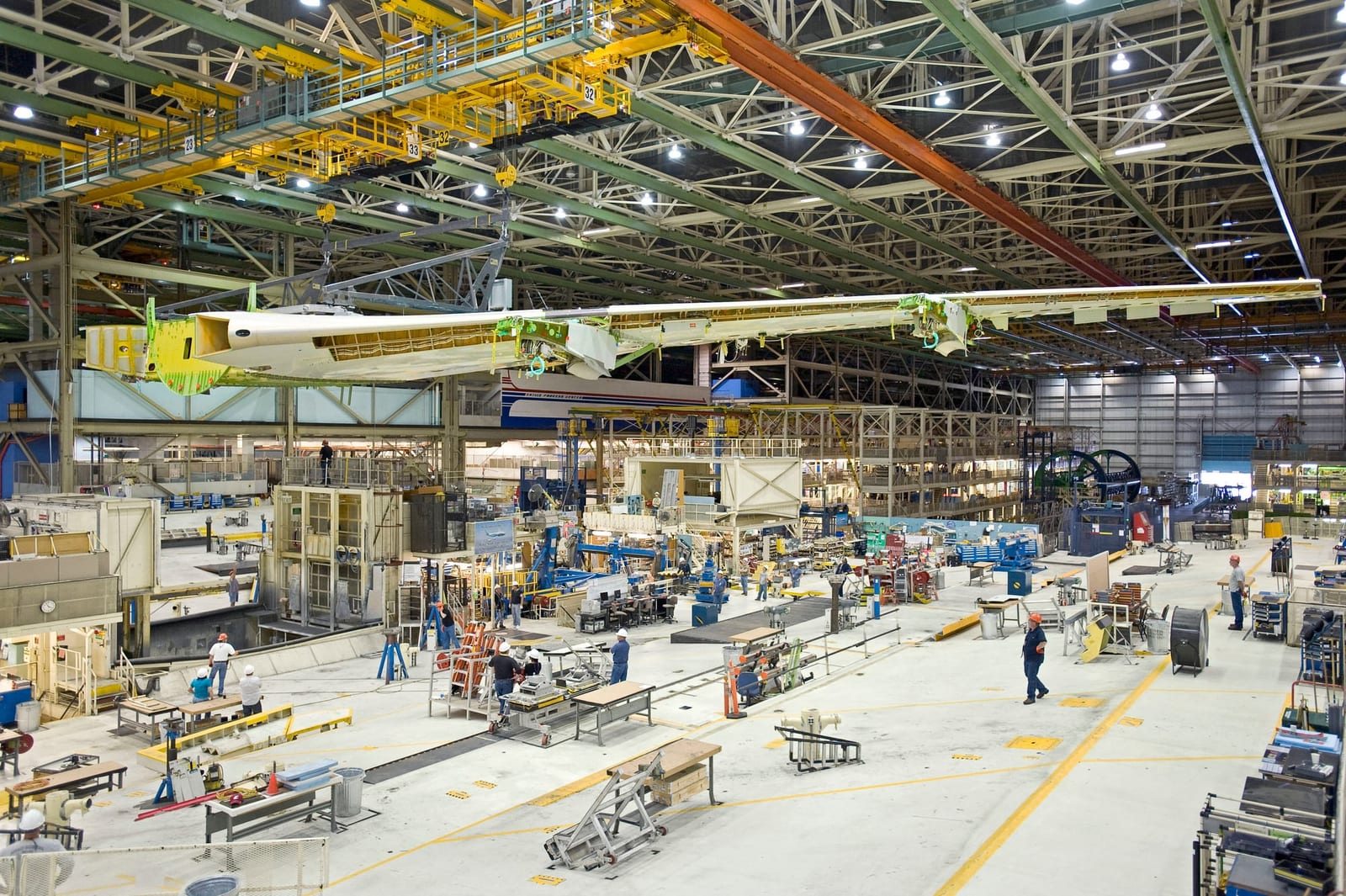
Longer pieces on the Boeing 747 — the factory built to make it, how it compares to the A380, what became of the retired fleet, and what it is like to fly.
How to Identify Boeing 747 Variants
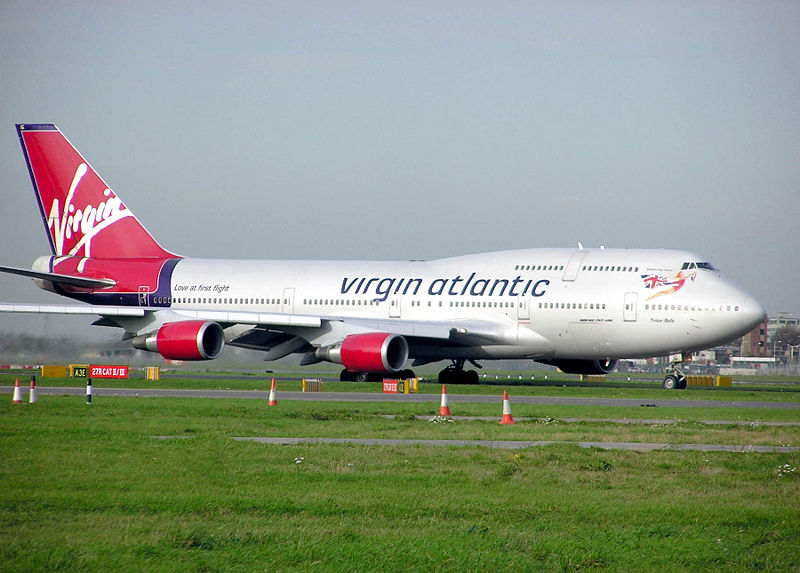
Identify Boeing 747 variants from photographs using upper-deck length, wingtip shape, fuselage length, engine nacelles and freighter doors.
The building that had to be built first
Boeing had no building big enough for the 747, so it built the largest building in the world by volume — and assembled the aeroplane while it was going up.
747 versus A380
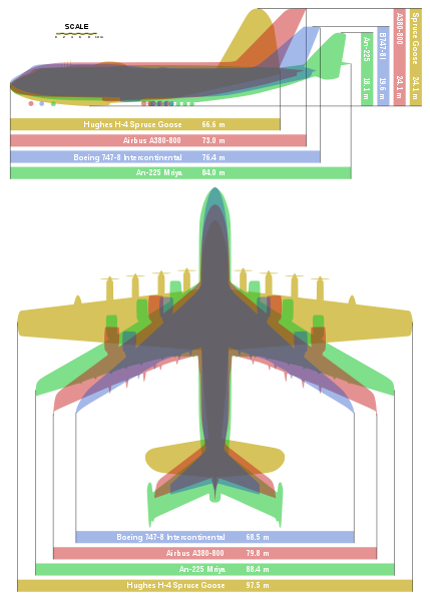
The two largest airliners ever built, compared — size, capacity, economics, and why both are now out of production.
Flying the 747
What the 747 is like to fly — the type rating, the view from 30 feet up, the handling, and why pilots talk about it the way they do.
How 747 freight actually works
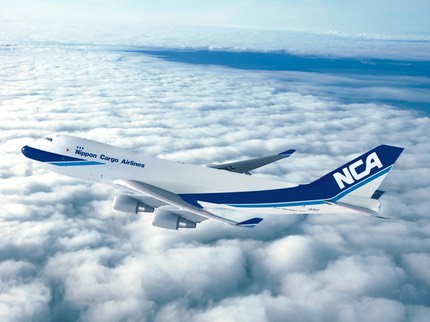
The nose door, motorised floor rollers, 96 by 125 inch pallets and 30 main-deck positions — how a 747 freighter is loaded and why it beat everything else.
