Boeing 747 Freighter Specifications
Factory freighter weights and cargo volumes compared, with engine, equipment and weight-option assumptions stated.
The figures below come from Boeing's airport-planning manuals. They describe particular configurations: comparing the variant name alone hides engine, equipment and weight-option differences.
Weights and cargo space
Scroll the table horizontally on smaller screens. Metric weights and volumes are converted from pounds and cubic feet; rounding may differ slightly from the manual.
| Specification | 747-400F | 747-400ERF | 747-8F |
|---|---|---|---|
| Maximum takeoff weight | 875,000 lb (396,893 kg) | 910,000 lb (412,769 kg) | 987,000 lb (447,696 kg) |
| Maximum landing weight | 666,000 lb (302,093 kg) | 666,000 lb (302,093 kg) | 763,000 lb (346,091 kg) |
| Maximum zero-fuel weight | 635,000 lb (288,031 kg) | 611,000 lb (277,145 kg) | 727,000 lb (329,762 kg) |
| Representative operating empty weight | 363,954 lb (165,087 kg) | 362,400 lb (164,382 kg) | 434,600 lb (197,131 kg) |
| Representative structural payload | 271,046 lb (122,944 kg) | 248,600 lb (112,763 kg) | 292,400 lb (132,630 kg) |
| Usable fuel | 57,065 US gal (216,014 L) | 53,765 US gal (203,522 L) | 59,734 US gal (226,117 L) |
| Main-deck container volume | 18,720 cu ft (530.1 m³) | 18,720 cu ft (530.1 m³) | 24,462 cu ft (692.7 m³) |
| Lower-deck container volume | 5,536 cu ft (156.8 m³) | 5,600 cu ft (158.6 m³) | 5,850 cu ft (165.7 m³) |
| Lower-deck bulk volume | 520 cu ft (14.7 m³) | 520 cu ft (14.7 m³) | 520 cu ft (14.7 m³) |
Configuration and sources
747-400F
GE CF6-80C2B1 planning example at 875,000 lb MTOW, with optional 666,000 lb MLW, 635,000 lb MZFW and tail fuel. Main-deck volume uses 29 ten-foot containers.
Source: Boeing D6-58326-1, Revision F (December 2024), printed page 2-8.
747-400ERF
GE CF6-80C2B5-F planning example. Main-deck volume uses 29 ten-foot containers; lower-deck container volume uses LD-2s. OEW varies with equipment and operator.
Source: Boeing D6-58326-1, Revision F (December 2024), printed page 2-12.
747-8F
987,000 lb MTOW planning option. Boeing's estimated OEW and structural payload depend on equipment and operator configuration. The freighter has no tail fuel tank.
Source: Boeing D6-58326-3, Revision E (January 2026), printed page 2-2.
Why the ERF can show less payload than the F
The selected -400F example includes the optional 635,000 lb maximum zero-fuel weight. The -400ERF table uses 611,000 lb. A higher takeoff-weight limit does not automatically mean more structural payload: the selected zero-fuel limit and empty weight determine it. These are comparisons of documented configurations, not universal rankings of all aircraft.
The -8F has more main-deck container volume, but usable load also depends on cargo density, floor limits, restraint, loading sequence and centre of gravity. Volume and payload cannot be treated as interchangeable measures.
Payload is not range
Structural payload is MZFW minus OEW. Fuel must fit within takeoff weight after the aircraft and payload are accounted for. Actual route capability also depends on weather, engine installation, cruise strategy and reserves. Consult the manual's section 3 payload-range charts for the chosen configuration rather than pairing unrelated headline figures.
Factory and converted freighters
Factory freighters have a nose cargo door and a short upper deck. Passenger conversions retain their original fuselage arrangement and use an added main-deck side cargo door. Their empty weight, cargo volume and approved loading limits depend on the conversion programme; factory figures above should not be applied to them.
Sources
Facts on this page are checked against the primary and institutional references below.
Related topics
Factory freighters vs converted 747 freighters
A factory 747 freighter is built for cargo from the start - nose door, no windows, a short upper deck. A conversion re-engineers a retired passenger 747 instead.
Atlas Air
The largest 747 fleet in the world, and the airline that took delivery of the very last 747 ever built.

Inside the 747-8 Freighter
The 747-8F is 18.4 ft longer than the 747-400F, carries 16 percent more revenue cargo volume, and keeps the nose door that defines the 747 freighter.
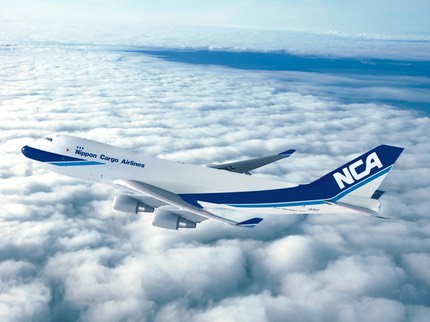
How 747 freight actually works
The nose door, motorised floor rollers, 96 by 125 inch pallets and 30 main-deck positions - how a 747 freighter is loaded and why it beat everything else.
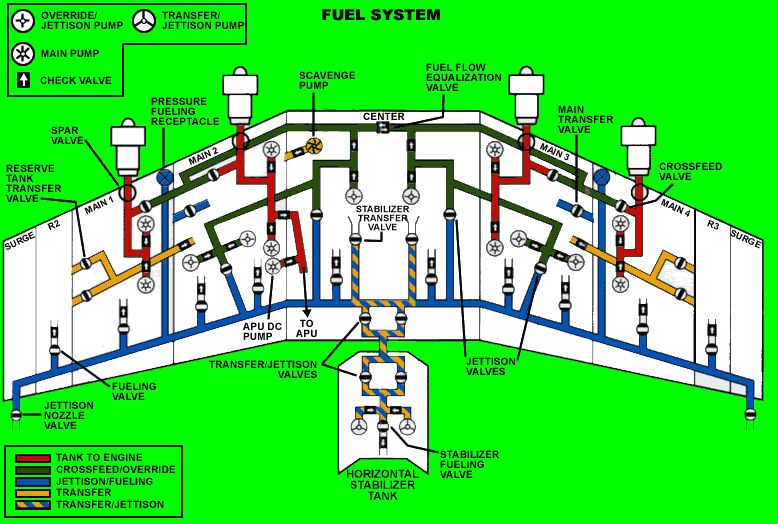
747-400ER
A complete Boeing 747-400ER guide: specifications, range, fuel tanks, engineering changes, Qantas's six-aircraft fleet, service history and FAQs.
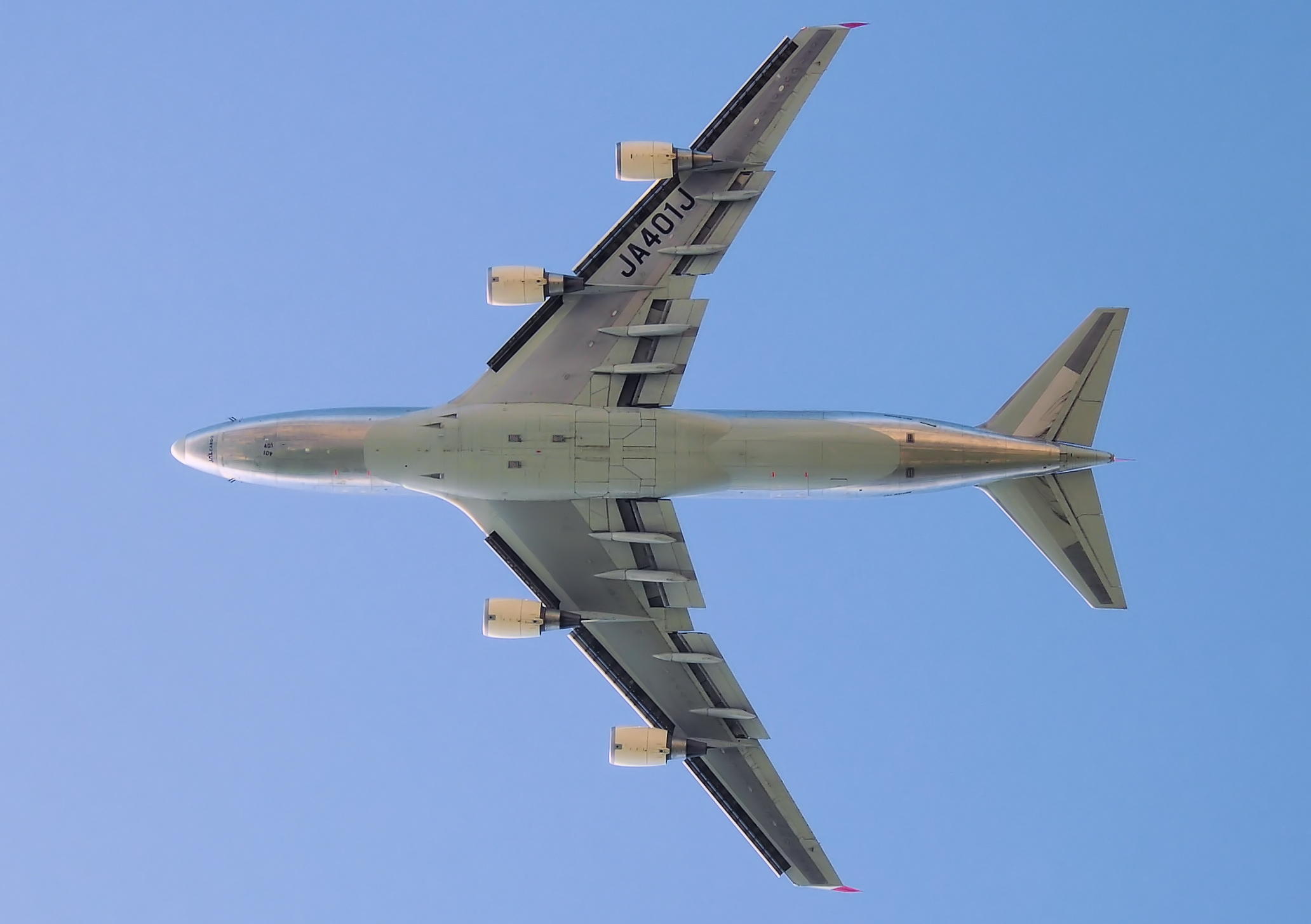
747-400ERF
The 747-400ERF freighter launched in April 2001 and first went to Air France, with a maximum payload of 248,600 lb.
More in Aircraft Systems
How the 747 works
The systems that make a 747 fly - fuel, hydraulics, landing gear, electrics and pressurisation, explained one at a time.
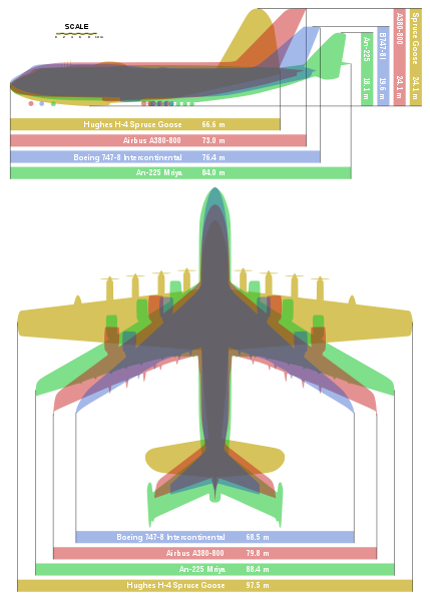
Boeing 747 specifications compared
Compare Boeing 747 dimensions, performance and detailed later-variant weights, fuel and cargo capacities, with Boeing planning configurations identified.
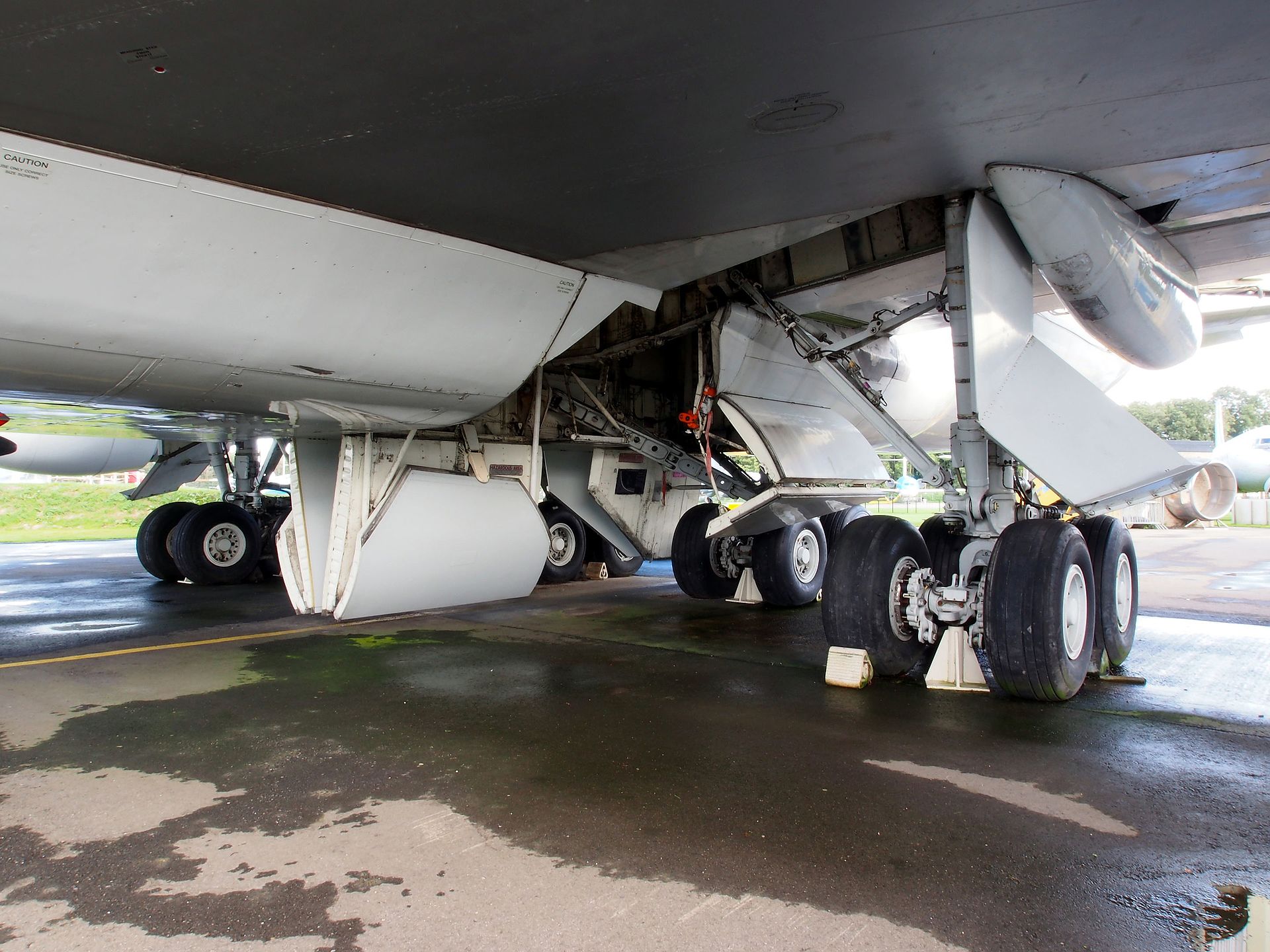
The four hydraulic systems
The 747 has four independent hydraulic systems, one per engine, each with a backup pump - and the reasoning behind splitting them that way.
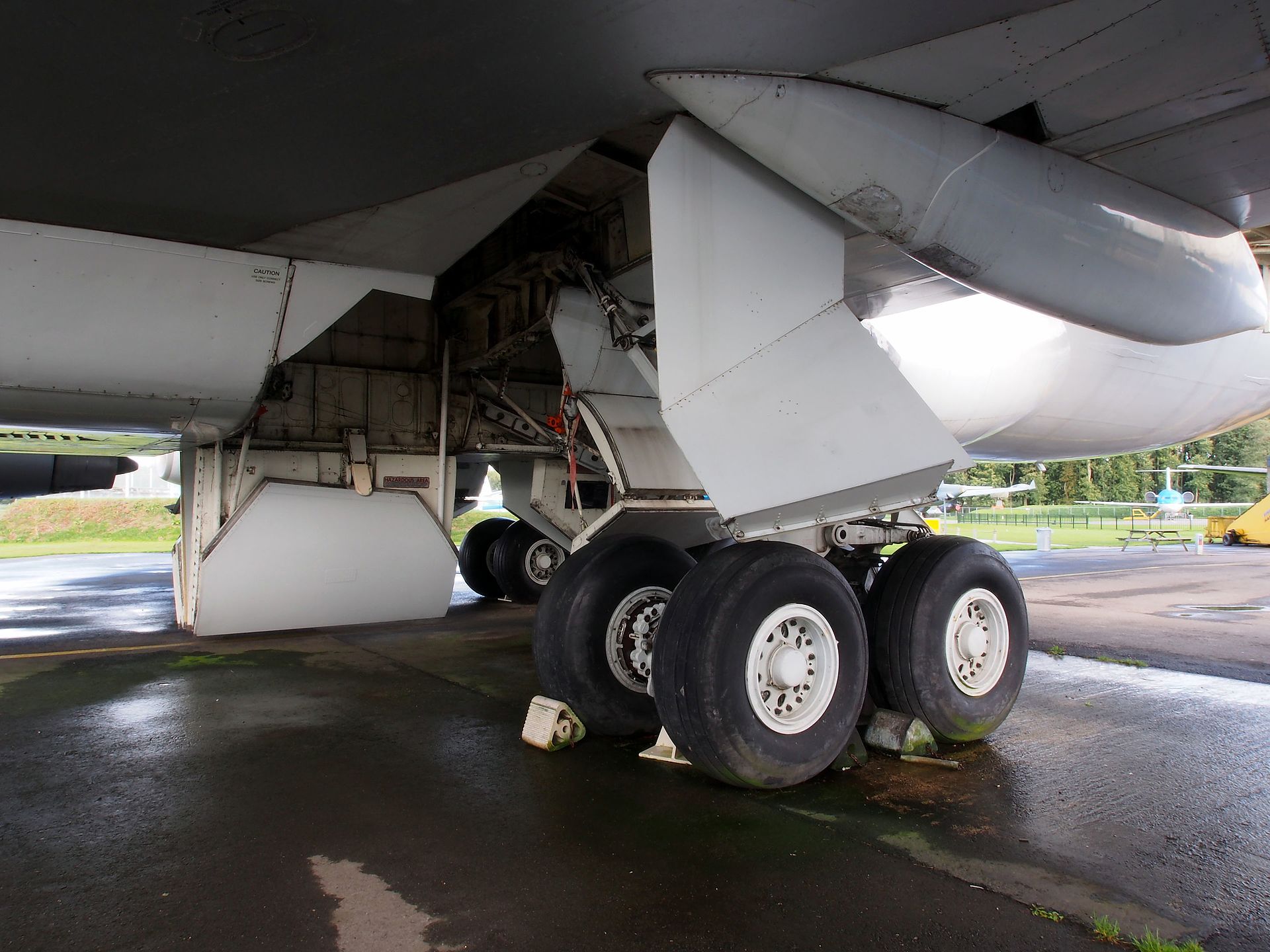
Eighteen wheels
The 747's five landing gear legs and 18 tyres, why the load is spread that way, and the body gear steering that stops it tearing up taxiways.
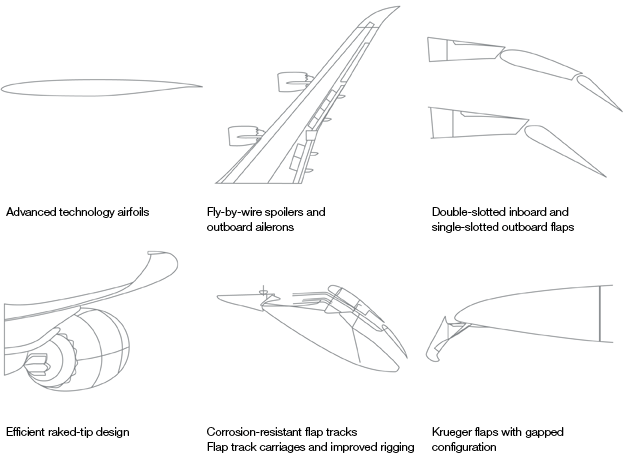
Flight controls and high-lift devices
How a 747 is flown - split ailerons, spoilers, triple-slotted flaps and Krueger leading edge devices, and what the 747-8 changed.
The electrical system
Four 90 kVA generators, one per engine, running in parallel through a tie bus - plus two APU generators for the ground.