Factory freighters vs converted 747 freighters
Factory freighters are built cargo-ready with a nose door, windowless fuselage and short upper deck. Conversions rebuild passenger 747s with a side door and reinforced floor, at lower cost.
Every 747 freighter in the sky came from one of two places: the factory as a cargo aircraft from the start, or a retirement hangar where a passenger 747 was turned into one. The differences between the two tell you exactly what cargo the operator wants to carry.
What a factory freighter gets that a conversion does not
The nose door. This is the decisive difference, and it is the reason the 747 looks like it does. The flight deck sits above the cargo floor so that the whole nose can hinge upward and cargo can be driven along the fuselage centreline.
| Feature | Factory freighter | Converted freighter |
|---|---|---|
| Nose door | Yes (classic models, -400F, -8F) | No — side cargo door only |
| Main-deck windows | None — built windowless | Stripped and plated over |
| Upper deck | Short hump (no cabin) | Passenger stretched upper deck retained |
| Main-deck floor | Built for cargo loads | Reinforced in conversion |
| Typical loads | Outsize: engines, rotor blades, machinery, satellite sections | Standard pallets and containers |
The rule from the freight-loading guide: a side door lets you load anything that fits through the door; a nose door lets you load anything that fits in the aeroplane.
Why Boeing’s numbers split this way
Boeing built 126 747-400F airframes — the aircraft that came to dominate air freight through the 1990s and 2000s — and added the extended-range -400ERF in 2002. Its whole weight increase went into payload, not fuel.
The converted fleet filled the gap the production line could not. The 747-400BCF programme, launched in 2004, took passenger aircraft that were coming out of airline fleets and rebuilt them for Cathay Pacific Cargo from December 2005.
Not every model had a factory freighter
- The 747-300 was never built as a factory freighter; every -300F is a conversion.
- The 747-100 proved the cargo concept but the production freighter story begins with the -200F.
- The 747-8F was factory-built at the very end of the line — fittingly, given that freight, not passengers, is what kept the 747 selling to the last.
Which one on which route?
Standard pallet-and-container airlines — Atlas Air, Cargolux, UPS — fly both, using factory freighters where the nose door pays, and conversions where it does not. The economics decide: a conversion brings a proven airframe into service for a fraction of the price of new, giving older 747s the cargo career that now outlasted their passenger lives by decades.
| Manufacturer | Boeing |
|---|---|
| Variant | Factory freighter vs converted freighter |
| First flight | 4 May 1993 (747-400F) vs 2005 (747-400BCF programme) |
| Introduced | 17 November 1993 (Cargolux) vs December 2005 (Cathay Pacific Cargo) |
| Status | Both remain in service in cargo fleets |
| Typical capacity | 248,600 lb (112,760 kg) payload (747-400ERF) vs passenger-to-cargo derivative payload |
| Number built | 126 (747-400F) vs dozens of 747-400BCF/SF conversions |
Frequently asked questions
- What is the difference between a factory and a converted 747 freighter?
- A factory freighter is produced in the Boeing plant as a cargo aircraft: no windows, a short upper deck, a strengthened floor and, on most models, a nose door. A conversion is a retired passenger 747 stripped and rebuilt with a side cargo door and reinforced floor.
- Why are passenger 747s converted into freighters?
- The conversion is far cheaper than building new and gives retired passenger airframes a second life. Operators like Atlas Air and Cargolux have mixed factory and converted freighters in the same fleet.
Sources
Facts on this page are checked against the primary and institutional references below.
Related topics

Inside the 747-8 Freighter
The 747-8F is 18.4 ft longer than the 747-400F, carries 16 percent more revenue cargo volume, and keeps the nose door that defines the 747 freighter.
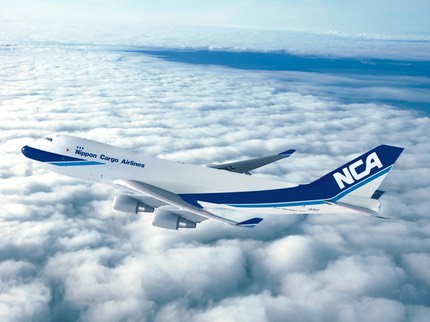
747-400F
The all-freight 747-400F used the 747-200F fuselage. It first flew in May 1993 and entered service with Cargolux that November.
Atlas Air
The largest 747 fleet in the world, and the airline that took delivery of the very last 747 ever built.
747-8F
The 747-8 Freighter entered service with Cargolux in 2011 and was the last 747 in production — the final aircraft went to Atlas Air in January 2023.
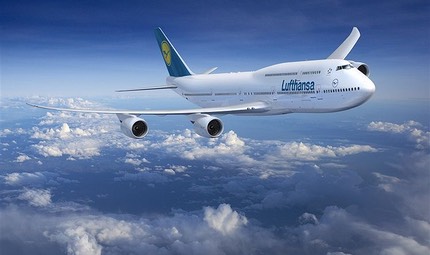
Active Boeing 747 Fleet Tracker
A dated, source-backed tracker of airlines still operating passenger and cargo Boeing 747s, using the latest official fleet disclosures available.
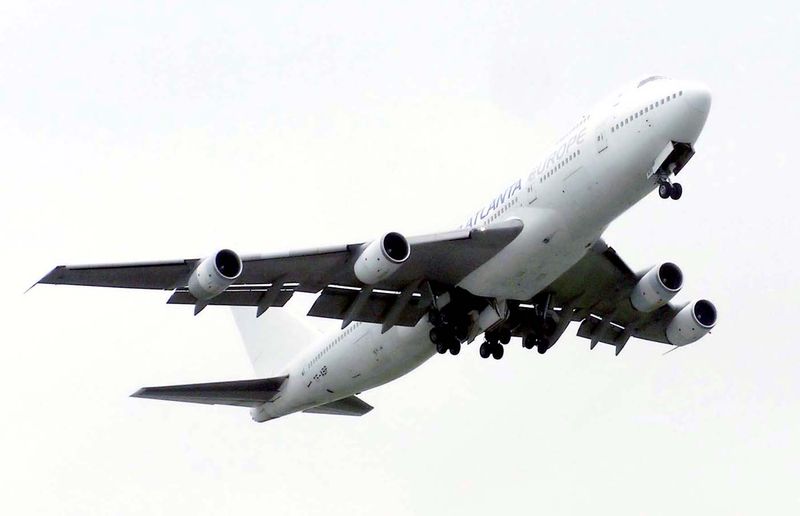
Airlines that flew the 747
Every major Boeing 747 operator — the launch customer, the biggest fleets ever flown, who still flies the 747 in 2026, and when the rest said goodbye.
More in Features
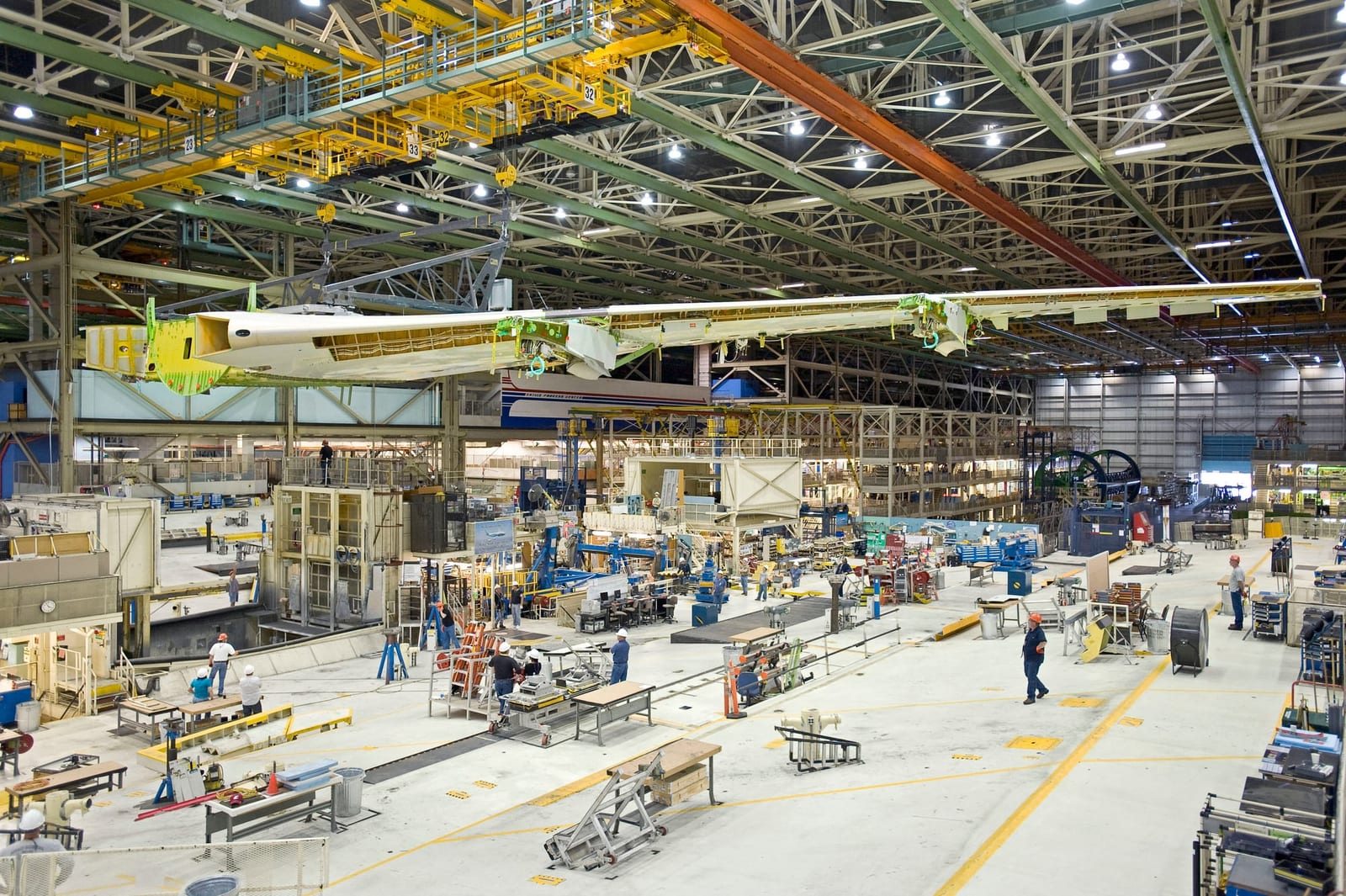
Features
Longer pieces on the Boeing 747 — the factory built to make it, how it compares to the A380, what became of the retired fleet, and what it is like to fly.
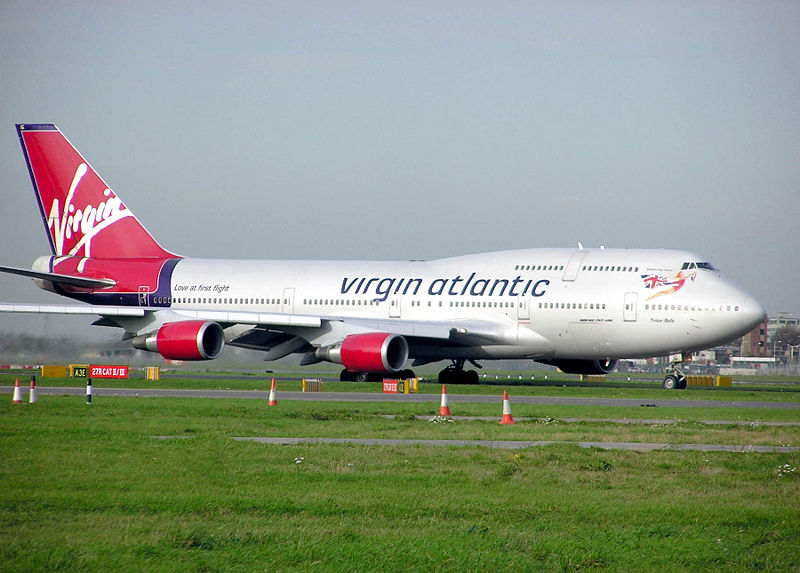
How to Identify Boeing 747 Variants
Identify Boeing 747 variants from photographs using upper-deck length, wingtip shape, fuselage length, engine nacelles and freighter doors.
The building that had to be built first
Boeing had no building big enough for the 747, so it built the largest building in the world by volume — and assembled the aeroplane while it was going up.
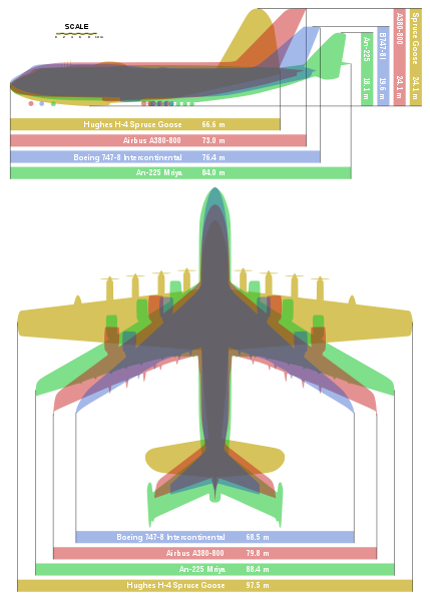
747 versus A380
The two largest airliners ever built, compared — size, capacity, economics, and why both are now out of production.
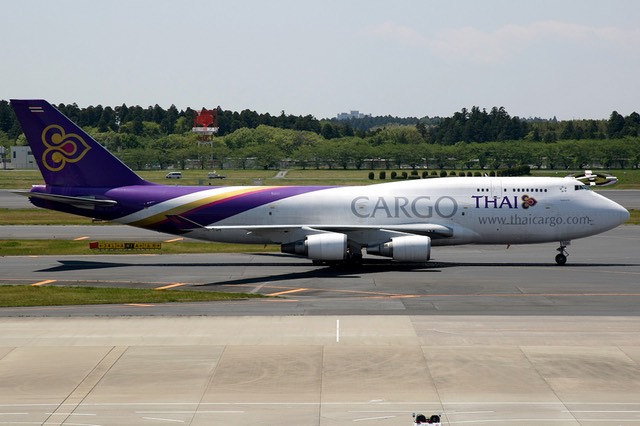
Where the 747s went
Most retired 747s were scrapped. Others became freighters, museum pieces, restaurants, a hotel — and one launched satellites into orbit.
Flying the 747
What the 747 is like to fly — the type rating, the view from 30 feet up, the handling, and why pilots talk about it the way they do.
