Boeing 747 pneumatic and bleed-air system
High-pressure bleed air from the engines and APU is the 747’s working utility supply: it powers air conditioning, cabin pressurisation, engine and APU starting, and wing anti-ice. Only the 787 abandoned bleed air; the 747 kept the conventional architecture.
The 747 “bleeds” high-pressure, high-temperature air from its engine compressors and uses it as a workhorse utility supply: air-conditioning packs, cabin pressurisation, engine and APU starting, and wing and engine anti-ice all depend on it. It is why the 747 belongs to the “conventional” pneumatic generation of airliners.
| Key facts | |
|---|---|
| Source | Engine compressors, plus the APU when engines are off |
| Users | Air conditioning packs, pressurisation, engine/APU starting, wing and engine anti-ice, some pneumatic actuation |
| Ground need | A ground pneumatic (bleed-air) supply heats or cools the cabin while engines are shut down |
| Exception | The Boeing 787 is bleedless; the 747 was not |
Modern turbofans such as the JT9D, CF6, RB211 and PW4000 supplied plenty of hot, high-pressure bleed air, but it carries a small fuel-efficiency penalty — the air is “stolen” from the compressor path.
The 747-400 and 747-8 use the same philosophy: bleed air from the engine fan/core stages is conditioned and distributed to the packs. Boeing documents ground pneumatic power requirements for heating and cooling in the 747-8 airport-planning manual.
Sources
- Bleed air article — Wikipedia
- Aircraft Icing Handbook — FAA
- 747-8 Airplane Characteristics for Airport Planning — Boeing
- Boeing 747-400 Master Minimum Equipment List — Transport Canada
Sources
Facts on this page are checked against the primary and institutional references below.
- Bleed air article — Wikipedia
- Aircraft Icing Handbook — FAA
- 747-8 Airplane Characteristics for Airport Planning — Boeing
- Boeing 747-400 Master Minimum Equipment List — Transport Canada
Related topics
Boeing 747-400 vs 747-8
The 747-8 is bigger, heavier and quieter than the 747-400, with a new wing, GEnx-2B engines and a stretched fuselage — but it sells a fraction as well.
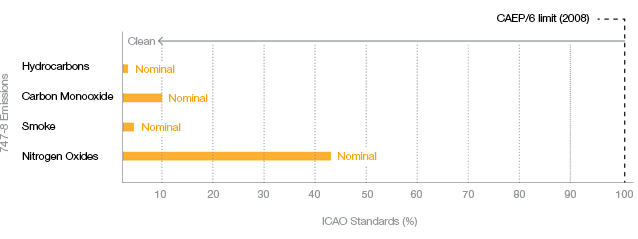
The 747-8 and the environment
The 747-8 meets emissions limits for hydrocarbons, carbon monoxide, smoke and nitrogen oxides, with a noise footprint about 30 percent smaller than the 747-400.
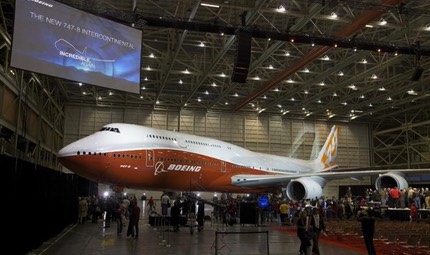
Boeing 747: History, Variants and Legacy
A complete reference to the Boeing 747, built from 1968 to 2023 — every variant from the 747-100 to the 747-8, plus special-mission jumbos and photos.
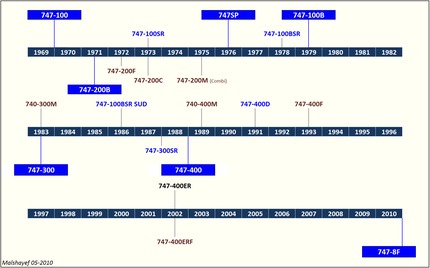
Boeing 747 Family
Every Boeing 747 variant built between 1968 and 2023 — the 747-100, -200, -300, -400 and 747-8, with freighter, combi and short-range models explained.
Boeing 747 Production Data
Download Boeing 747 production totals by generation, with a transparent method and links to Boeing's final programme record and technical documents.

Boeing 747-8 Flight Deck
The 747-8 flight deck adds 787-derived displays, electronic checklists and an airport moving map while keeping a common type rating with the 747-400.
More in Aircraft Systems
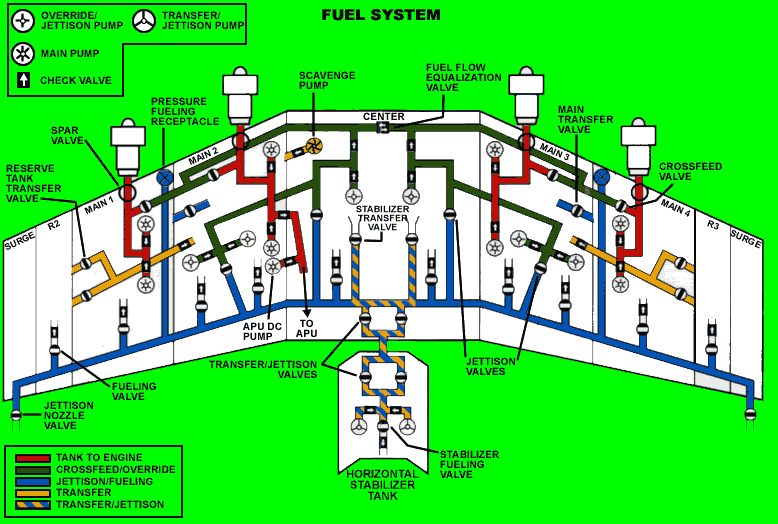
How the 747 works
The systems that make a 747 fly — fuel, hydraulics, landing gear, electrics and pressurisation, explained one at a time.
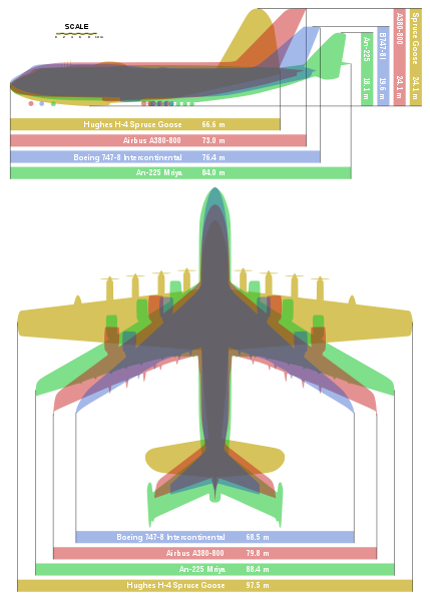
Boeing 747 specifications compared
Every Boeing 747 variant side by side — length, wingspan, weights, capacity, range, cruise speed and engines, with sources noted.
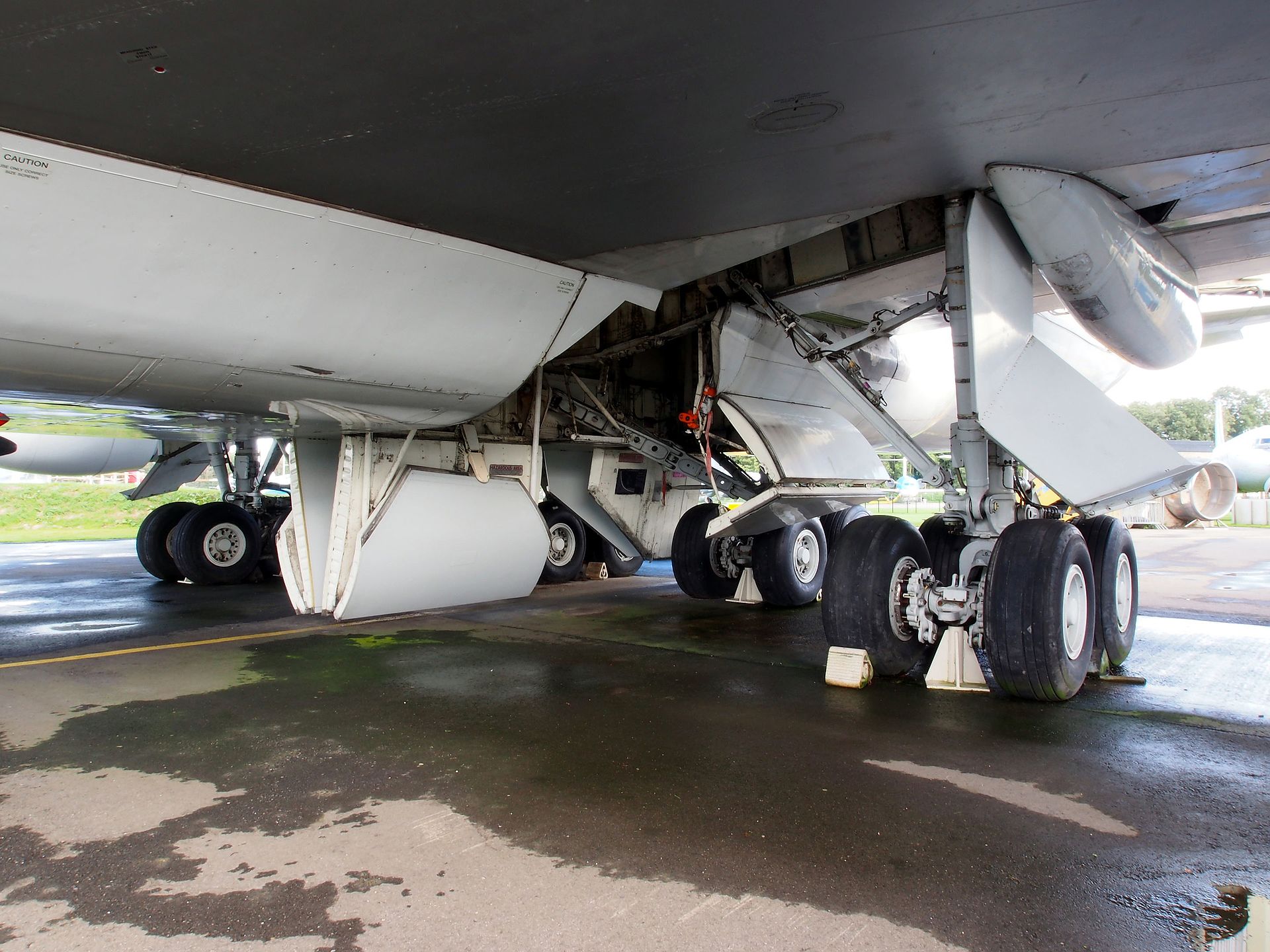
The four hydraulic systems
The 747 has four independent hydraulic systems, one per engine, each with a backup pump — and the reasoning behind splitting them that way.
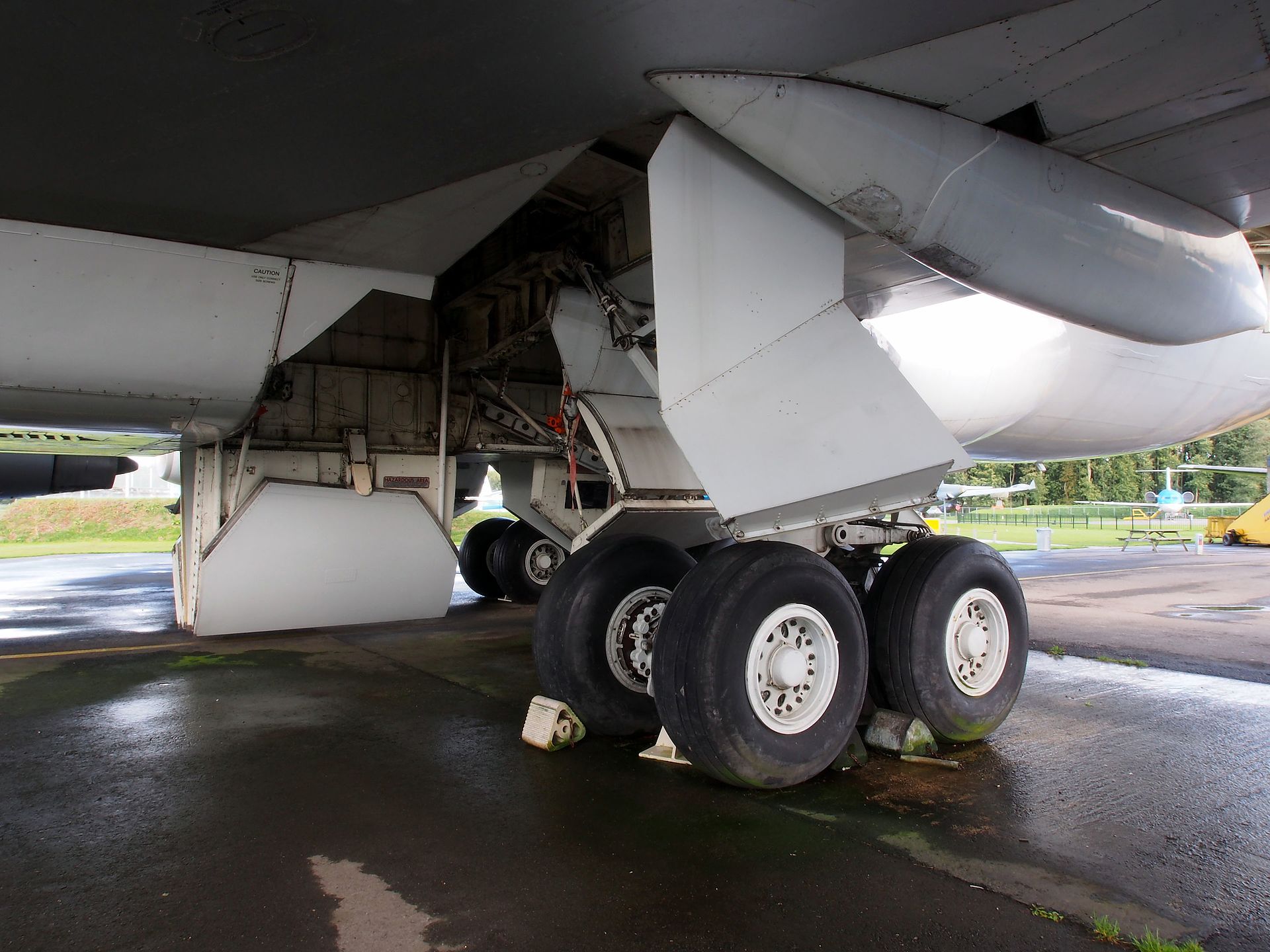
Eighteen wheels
The 747's five landing gear legs and 18 tyres, why the load is spread that way, and the body gear steering that stops it tearing up taxiways.
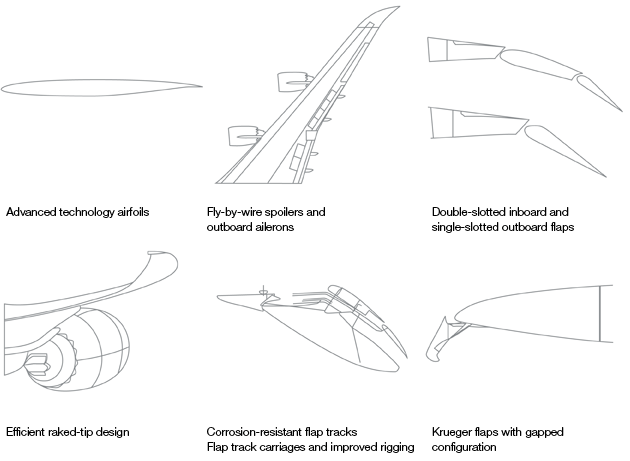
Flight controls and high-lift devices
How a 747 is flown — split ailerons, spoilers, triple-slotted flaps and Krueger leading edge devices, and what the 747-8 changed.
The electrical system
Four 90 kVA generators, one per engine, running in parallel through a tie bus — plus two APU generators for the ground.