Pan Am Flight 830
Pan Am Flight 830 suffered a cabin bombing near Hawaii in 1982. Read about the emergency landing, casualties, aircraft and subsequent prosecution.

.jpg)
On 11 August 1982, a bomb exploded aboard Pan Am Flight 830 during the Tokyo - Honolulu sector of a service continuing to Los Angeles. The aircraft was Boeing 747-121 N754PA, named Clipper Ocean Rover.
What happened
The explosion damaged the passenger cabin over the Pacific Ocean near Hawaii. One passenger was killed and 16 people were injured. The flight crew retained control and landed at Honolulu. Of the 285 people aboard, 284 survived.
This was a deliberate attack on an aircraft, rather than an accident attributed to an aircraft system malfunction.
Investigation and prosecution
The U.S. Department of Justice records the bombing and the subsequent prosecution of Mohammed Rashed. He was prosecuted in Greece, later brought to the United States, and pleaded guilty in the U.S. case in 2002. His U.S. sentencing took place in March 2006.
The Justice Department's account is the primary source for that prosecution history. Aircraft identification and the emergency-landing details are documented in the separate flight account linked below.
Historical context
Unlike the later Pan Am 103 bombing, this aircraft remained controllable after the explosion. Both events belong in the 747's history, but their outcomes and damage should not be conflated.
Related
Sources
Facts on this page are checked against the primary and institutional references below.
- 2006 sentencing in the Pan Am Flight 830 bombing - U.S. Department of Justice
- Pan Am Flight 830: aircraft and emergency landing - Wikipedia
Related topics
What Boeing 747 accidents taught aviation
Three patterns run through 747 accidents - fuel-tank safety, crew resource management and improper repairs. Each one changed rules that still govern aviation.
What Boeing supplied, and what the airline chose
Almost everything inside a 747-400 cabin was buyer-furnished and fitted under STC, which is why approved cabin modifications run to dozens.
The 747 as a flying testbed
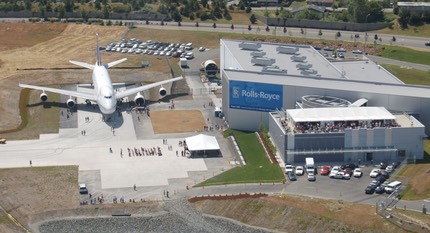
General Electric, Rolls-Royce and Pratt & Whitney all fly engines on 747s - because a four-engined aircraft can carry a strange engine safely.
747 Timeline
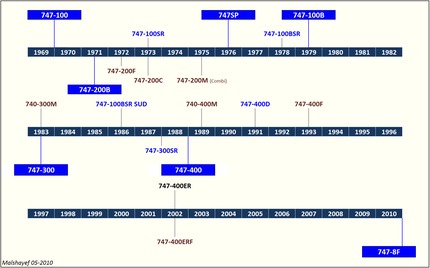
A Boeing 747 chronology from the 1963 design study to the final delivery in January 2023, with rollout, first flight and delivery dates.
747 versus A380
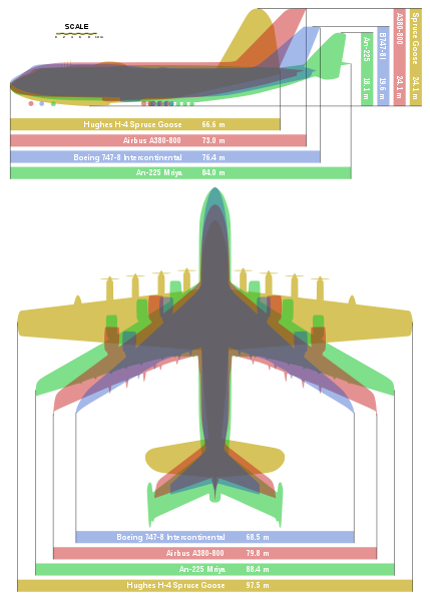
The two largest airliners ever built, compared - size, capacity, economics, and why both are now out of production.
About Alykhan Virani
Meet Alykhan Virani, the Boeing 747 enthusiast who researches, writes and reviews the independent reference pages on Boeing-747.com.
More in Accidents
Boeing 747 accidents and incidents
Explore 22 Boeing 747 accidents and incidents in date order, with individual accounts, historical images, investigation findings and sources.
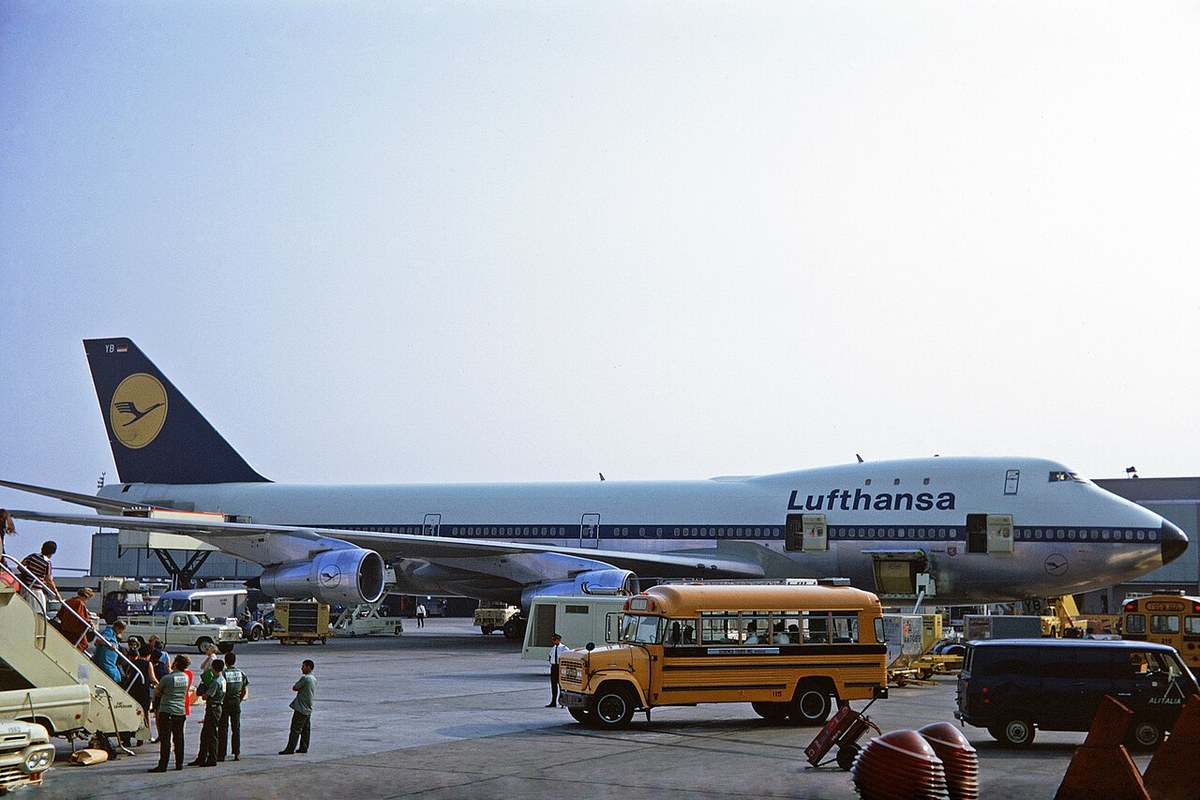
Lufthansa Flight 540
Lufthansa Flight 540 crashed after takeoff at Nairobi in 1974. Read the aircraft details, leading-edge configuration findings and survival figures.
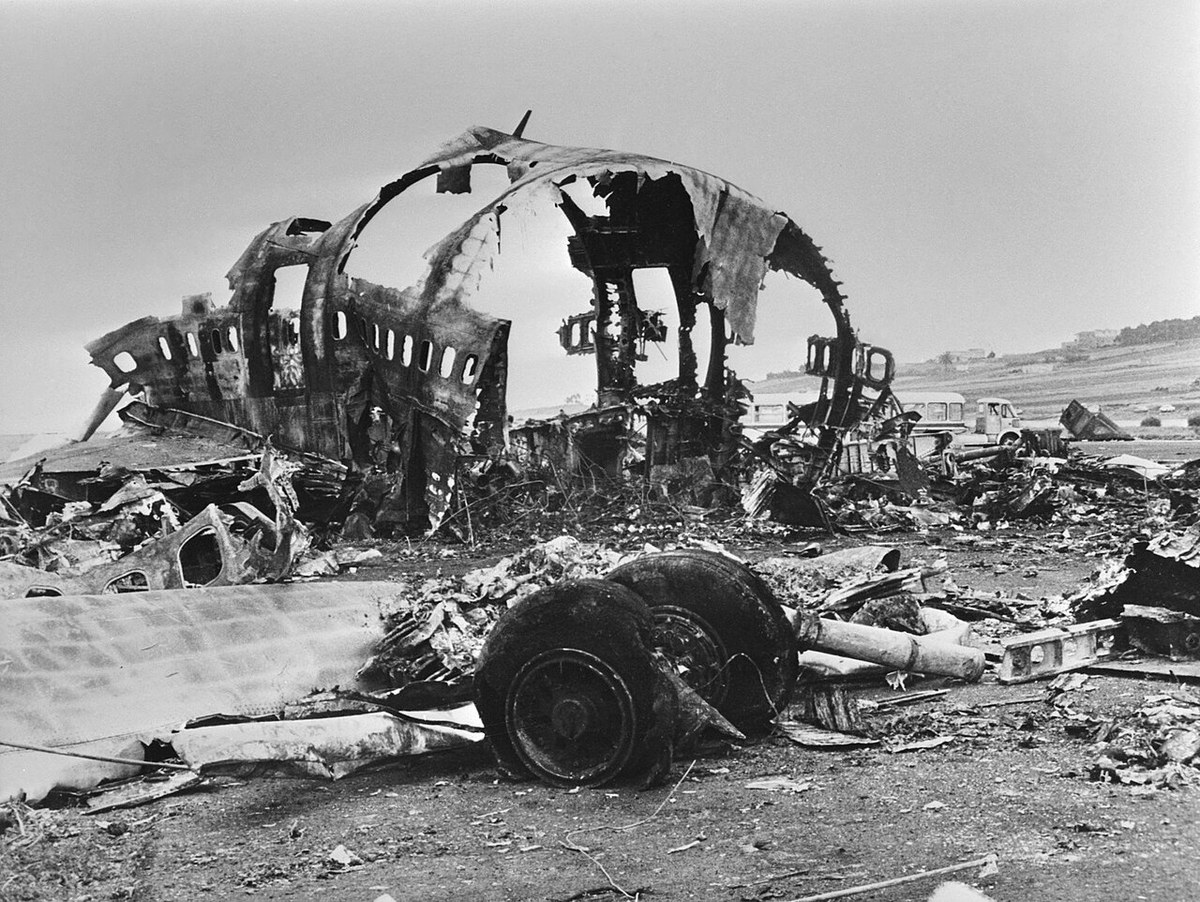
Tenerife, 27 March 1977
Two Boeing 747s collided in fog at Tenerife, killing 583 people. It remains the deadliest accident in aviation history, and it changed how crews talk.
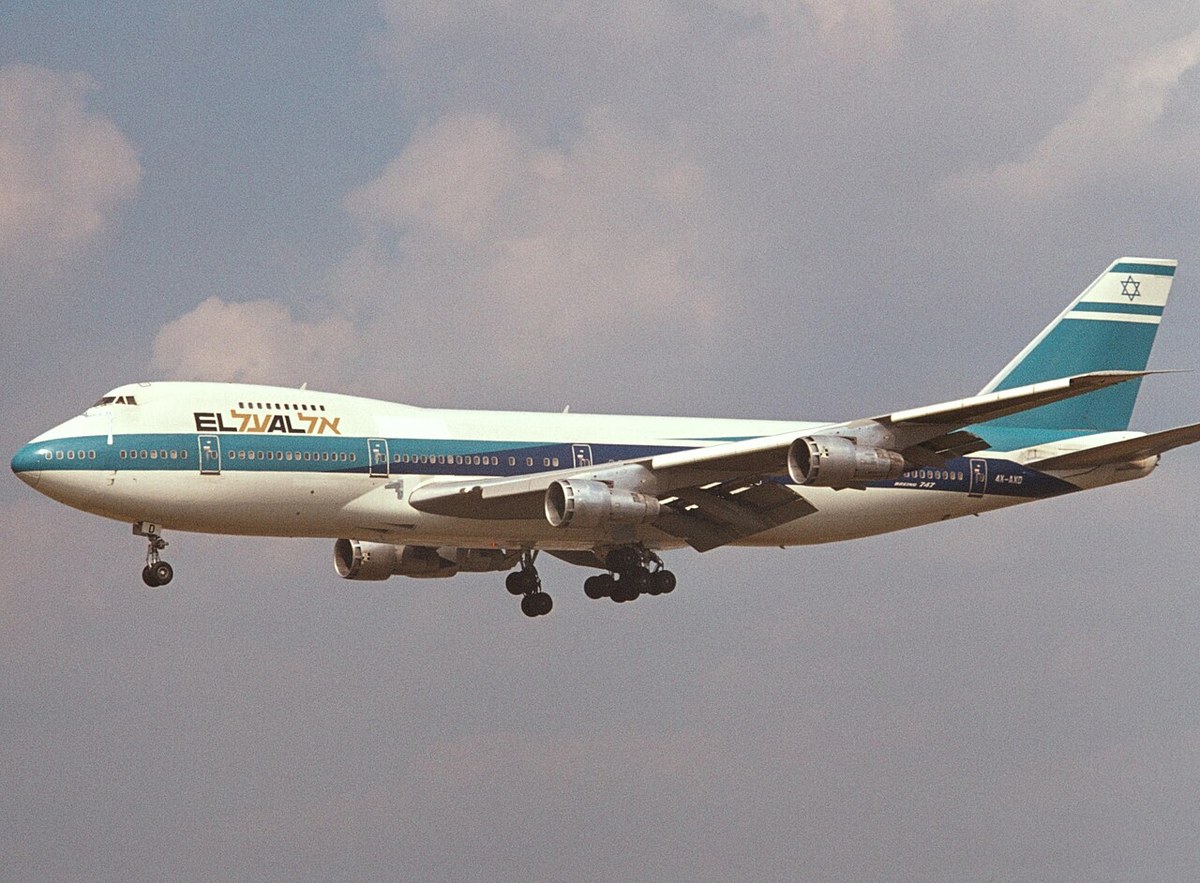
El Al 747 decompression, 1977
An El Al 747 lost cabin pressure over Belgrade in November 1977. Read the documented facts, source limitations and historical context.
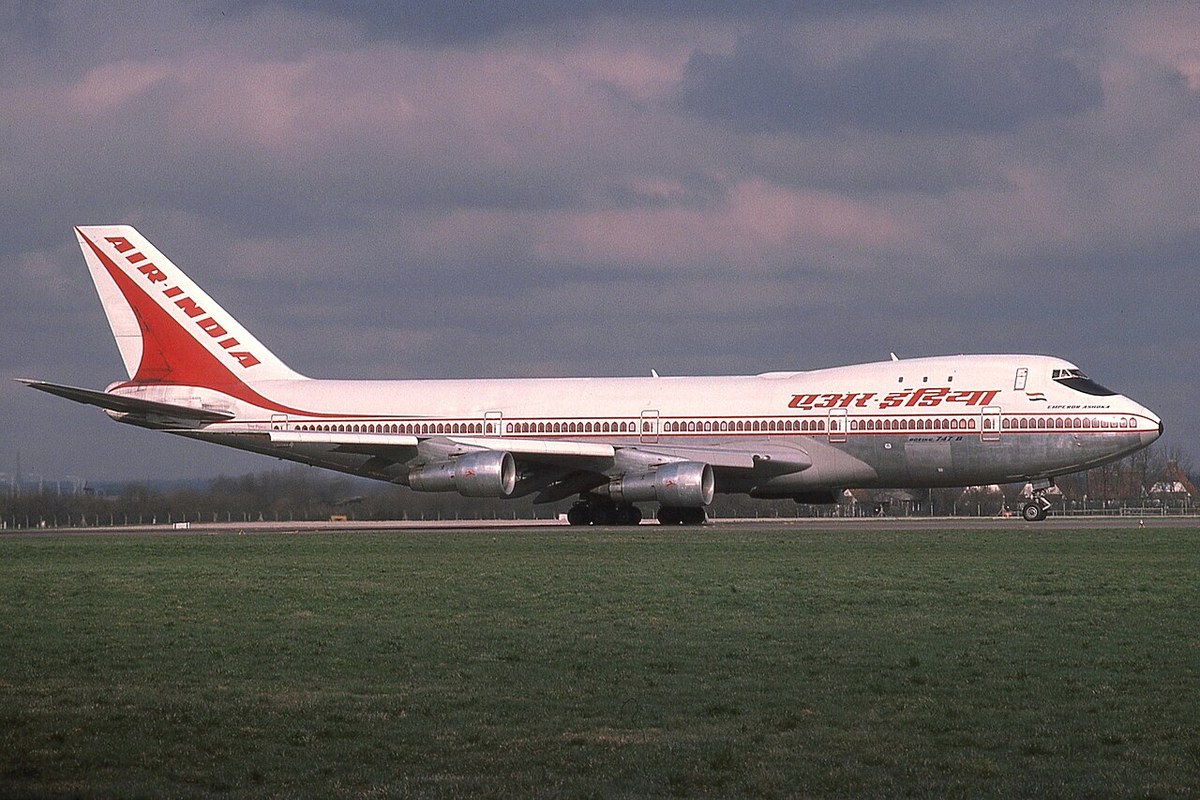
Air India 855, 1 January 1978
A failed attitude indicator disorientated the captain of a 747 over dark sea off Bombay. All 213 aboard died 101 seconds after takeoff.
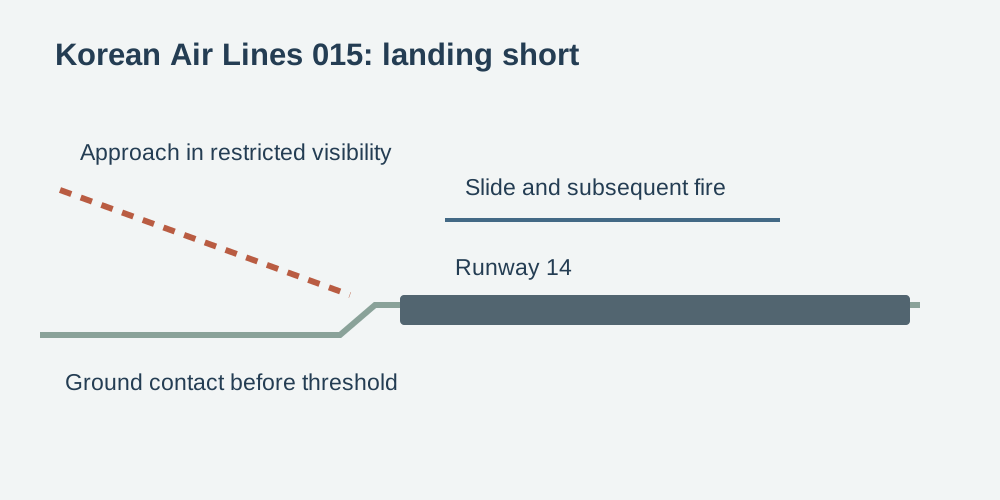
Korean Air Lines Flight 015
Korean Air Lines Flight 015 landed short at Seoul in 1980. Explore the landing and fire, aircraft details and conflicting historical fatality counts.