China Airlines 006, 19 February 1985
A 747SP lost an engine at 41,000 ft, rolled inverted-ward and fell 31,500 ft in under 2.5 minutes. It was recovered and landed with 24 injured.
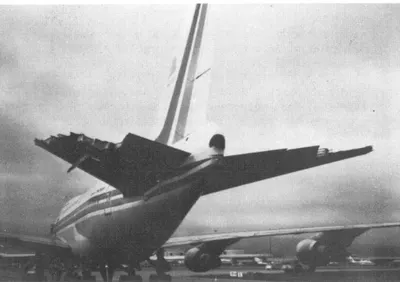

On 19 February 1985, China Airlines Flight 006 - a Boeing 747SP, registration N4522V - lost control at 41,000 feet over the Pacific and fell 31,500 feet in under two and a half minutes.
It was recovered, and it landed. That it did so at all is the remarkable part.
How it started
The number 4 engine failed in the cruise. On a four-engined aircraft that is an inconvenience, not an emergency - but it produces asymmetric thrust, pulling the aircraft towards the dead engine, which the crew must counter with rudder.
The flight engineer attempted a restart but did not close the bleed valve as the checklist required. Meanwhile the captain became absorbed in the engine problem and in the decaying airspeed, and left the autopilot engaged.
That was the trap. The autopilot held the wings level using aileron alone, up to its authority limit - silently absorbing the yaw the captain should have been countering with rudder. It masked the developing problem until it ran out of authority, at which point the aircraft rolled sharply right.
The upset
The 747SP rolled past 60 degrees, entered a steep descent and fell into cloud, where the crew lost outside reference entirely. Passengers experienced up to 5g.
The captain regained control at about 9,500 feet.
What the airframe took
The damage found afterwards is the reason engineers still talk about this flight:
- The wings were bent permanently upward by about two inches.
- Landing gear doors were torn away.
- Large outer sections of the horizontal stabiliser were ripped off.
The aircraft had been loaded far beyond anything it would meet in service, and it held together well enough to fly on and land at San Francisco. Of the 274 aboard, 24 were injured, two seriously - a fractured foot and a back strain.
This is what the structural margins demonstrated in testing - wings pulled to 150 percent of limit load - actually buy.
The NTSB finding
The Board concluded the captain was distracted first by evaluating the engine malfunction and then by the decaying airspeed, and that he over-relied on the autopilot, which concealed the approaching loss of control. He also failed to apply the rudder needed to counter the asymmetry.
Why it still gets taught
Like Korean Air Lines 007, this is an automation accident rather than a mechanical one. In both cases the autopilot did exactly what it was designed to do, and in doing so hid a developing problem from the people responsible for it.
The lesson - that automation can mask a deteriorating situation until it abruptly hands it back - shaped how modern flight decks annunciate what the automation is doing and when it is running out of authority.
Related
Sources
Facts on this page are checked against the primary and institutional references below.
- China Airlines Flight 006 aircraft accident report AAR-86-03 - National Transportation Safety Board
Related topics
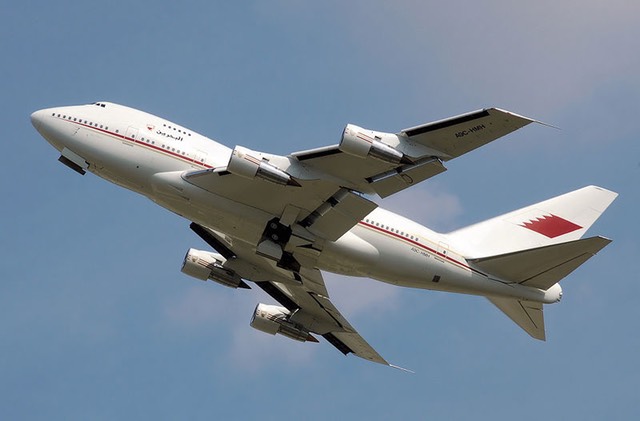
The 747 ASB
Boeing's 1986 answer to the Airbus A340 and MD-11 - a shortened 747 with 747-400 technology. It was never built.
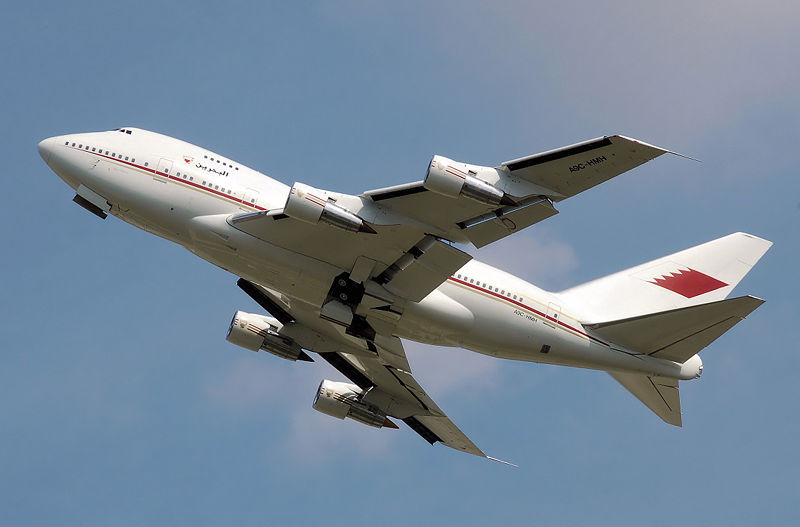
747-100SP
The shortened 747SP was built for Pan Am and Iran Air to fly ultra-long routes such as Tehran-New York, then the longest nonstop service.
Boeing 747SP vs 747-100
The 747SP traded forty-plus seats for nearly 48 ft of fuselage and a 5,830-nautical-mile range - the first 747 built to fly further, not carry more.
Compare aircraft sizes
Compare Boeing 747 variants, the Airbus A380 and Boeing 777 on one scale. Overlay their dimensions, switch views and see lengths and wingspans.
American Airlines
American was among the first US carriers to fly the 747, in March 1970, and one of its 747-100s became NASA's Shuttle Carrier Aircraft.
Individual Boeing 747 aircraft histories
Explore 15 Boeing 747 airframe histories with photographs, dated milestones, former registrations, operators and source-backed status records.
More in Accidents
Boeing 747 accidents and incidents
Explore 22 Boeing 747 accidents and incidents in date order, with individual accounts, historical images, investigation findings and sources.
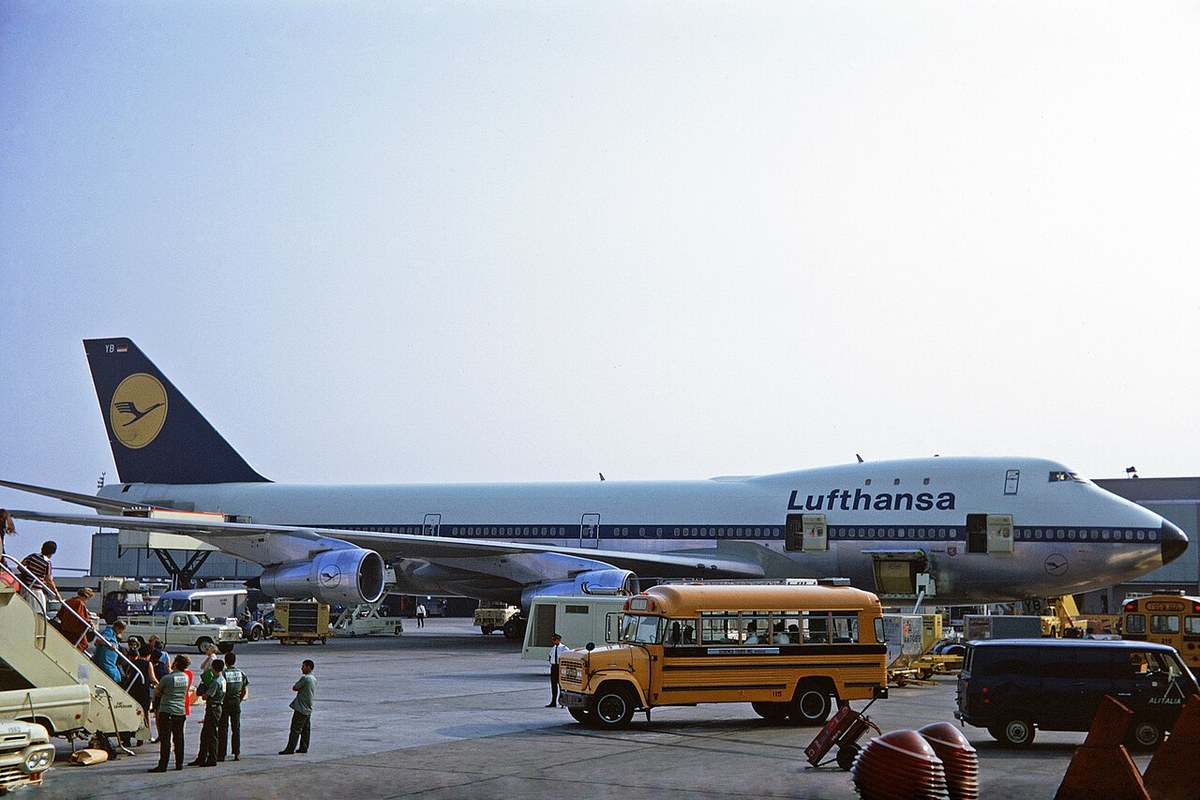
Lufthansa Flight 540
Lufthansa Flight 540 crashed after takeoff at Nairobi in 1974. Read the aircraft details, leading-edge configuration findings and survival figures.
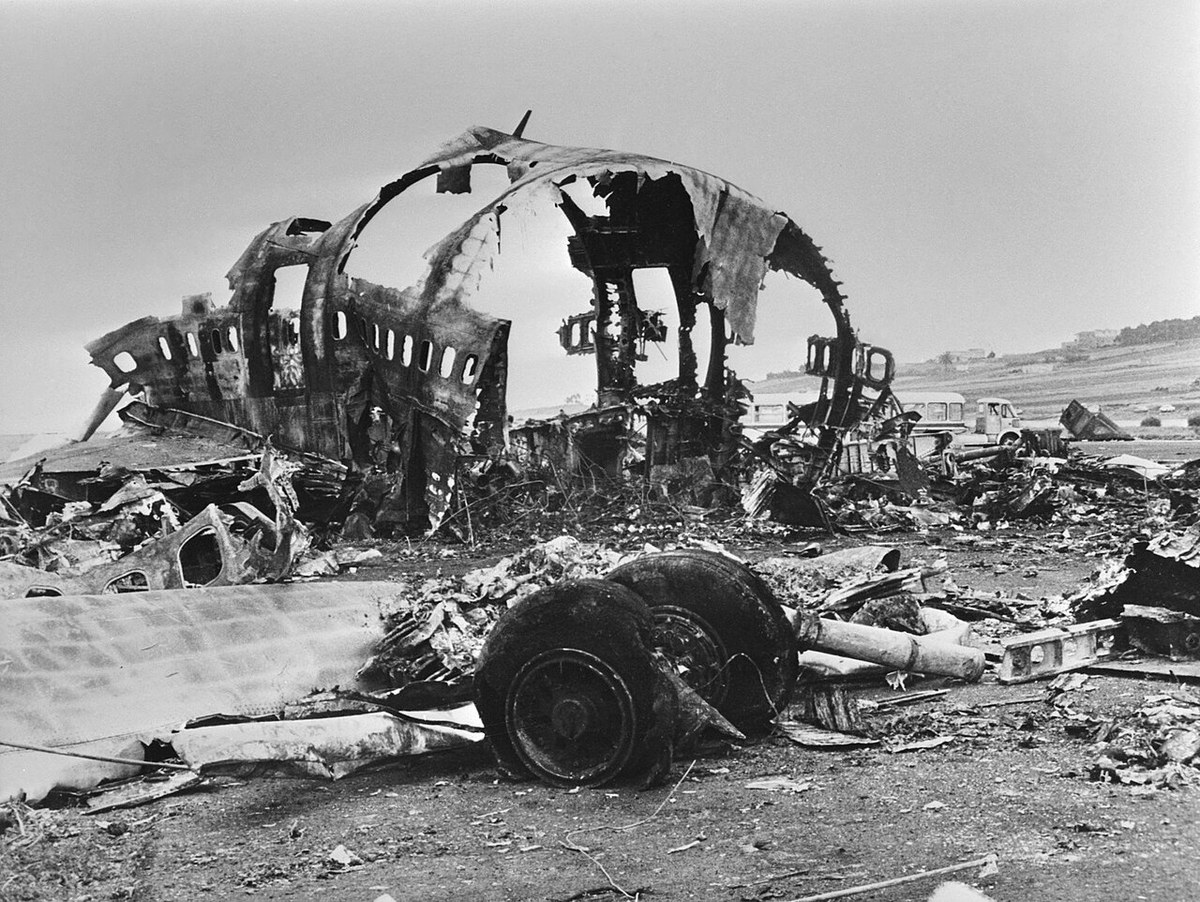
Tenerife, 27 March 1977
Two Boeing 747s collided in fog at Tenerife, killing 583 people. It remains the deadliest accident in aviation history, and it changed how crews talk.
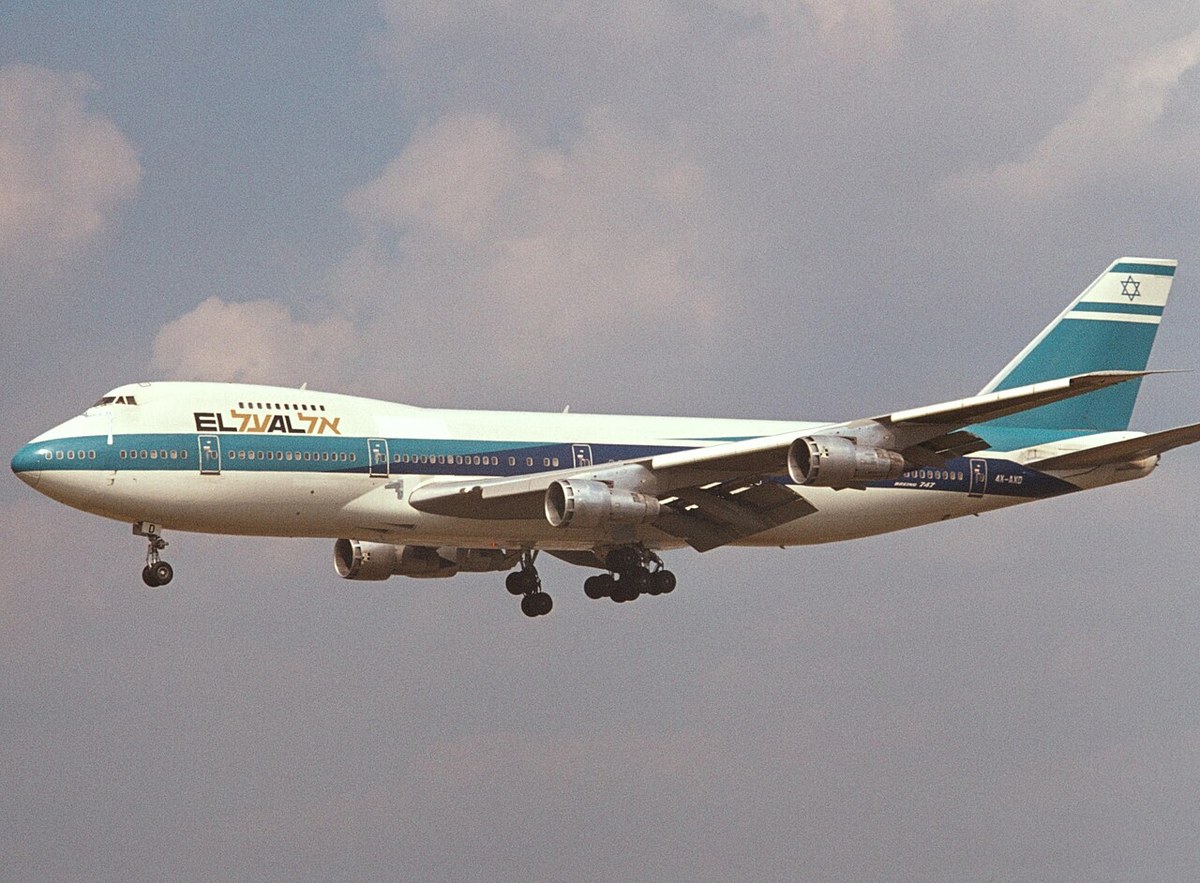
El Al 747 decompression, 1977
An El Al 747 lost cabin pressure over Belgrade in November 1977. Read the documented facts, source limitations and historical context.
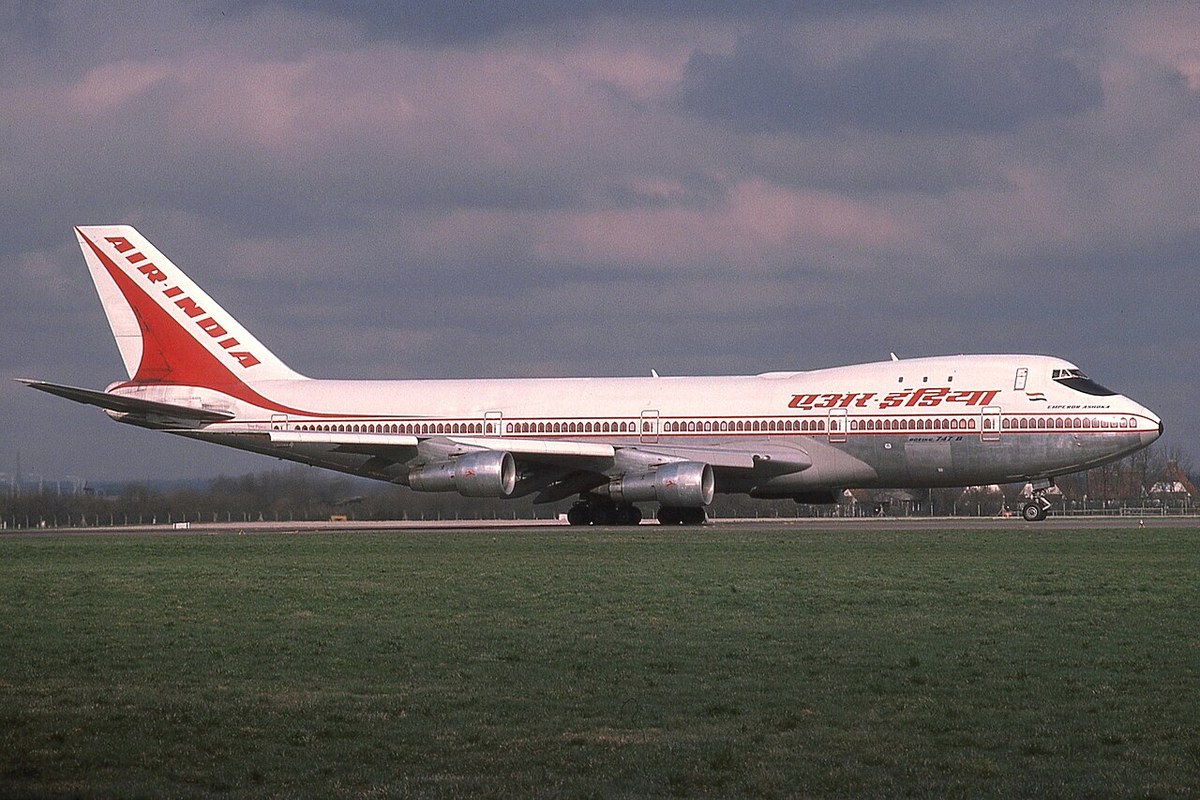
Air India 855, 1 January 1978
A failed attitude indicator disorientated the captain of a 747 over dark sea off Bombay. All 213 aboard died 101 seconds after takeoff.
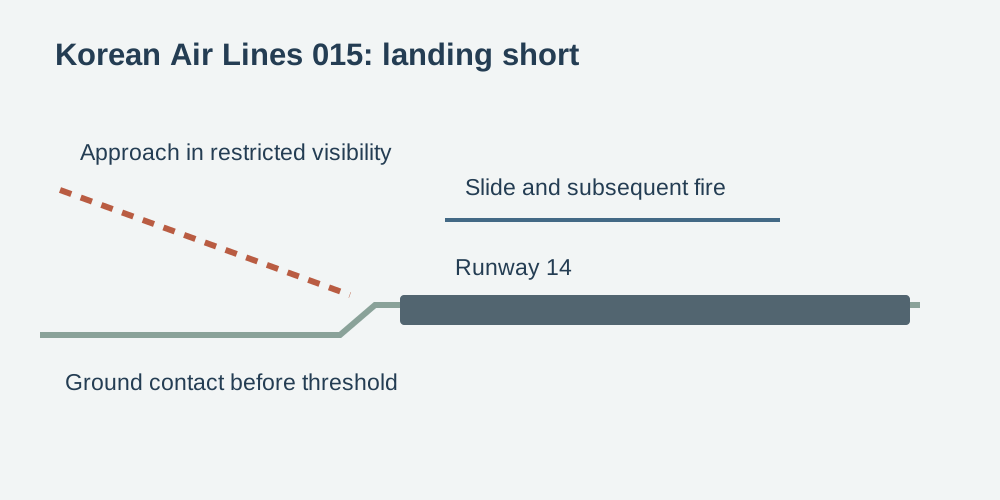
Korean Air Lines Flight 015
Korean Air Lines Flight 015 landed short at Seoul in 1980. Explore the landing and fire, aircraft details and conflicting historical fatality counts.