Air India 182, 23 June 1985
A bomb in checked baggage destroyed Air India 182 off the Irish coast on 23 June 1985. All 329 aboard died - the deadliest aviation terrorism before 9/11.


On 23 June 1985, Air India Flight 182 was destroyed by a bomb off the coast of Ireland. All 329 people aboard died - 307 passengers and 22 crew.
The aircraft was VT-EFO, a Boeing 747-237B named Emperor Kanishka, flying Toronto to Mumbai via Montreal and London.
It remained the deadliest act of aviation terrorism anywhere in the world until 11 September 2001, and it is the worst terrorist attack in Canadian history.
What happened
A bomb, concealed in a Sanyo stereo tuner inside a checked suitcase, detonated in the forward cargo hold at altitude. The aircraft broke up and fell into the Atlantic south-west of Ireland.
The attack was carried out by members of the Khalistani separatist group Babbar Khalsa, in retaliation for the Indian Army's Operation Blue Star at the Golden Temple in 1984 and the anti-Sikh violence that followed.
The failures behind it
This was not a case of an unforeseeable threat. The investigation found a chain of missed opportunities:
- Indian intelligence had warned of bomb threats against Air India.
- Canadian security services had the suspects under surveillance.
- An explosives detector at Toronto airport was not working.
- The suitcase travelled as unaccompanied baggage - checked onto an aircraft its owner did not board.
That last point is the one with the longest reach. The same day, a second bomb from the same plot exploded in baggage at Narita, killing two handlers.
What changed
Baggage reconciliation - the rule that a checked bag flies only if its passenger is aboard - became a foundation of international aviation security, reinforced three years later by Pan Am 103, where the same principle had again failed.
Screening of hold baggage was overhauled, and the case became a long-running study in the cost of intelligence agencies not sharing what they know.
The Canadian inquiry that eventually reported on it was scathing about what it called a cascading series of errors across multiple agencies.
Remembering it
For many years the attack was treated in Canada as a foreign tragedy rather than a Canadian one, despite the great majority of those killed being Canadian citizens. That framing has since been formally acknowledged as wrong.
Related
Sources
Facts on this page are checked against the primary and institutional references below.
- Air India Flight 182 - A Canadian Tragedy - Commission of Inquiry, Government of Canada
Related topics
Air India Boeing 747 fleet history
Air India flew its Boeing 747-200B from 1971 through 747-400s until March 2021 - about 50 years of service.
Air India Boeing 747 Seat Maps
Air India's Boeing 747-400 kept a 423-seat layout for nearly three decades, with the entire upper deck given over to business class.
Boeing 747-100 vs 747-200
What the 747-200 added to the original 747-100: more thrust, higher takeoff weights, a ten-window upper deck and freighter, combi and convertible variants.
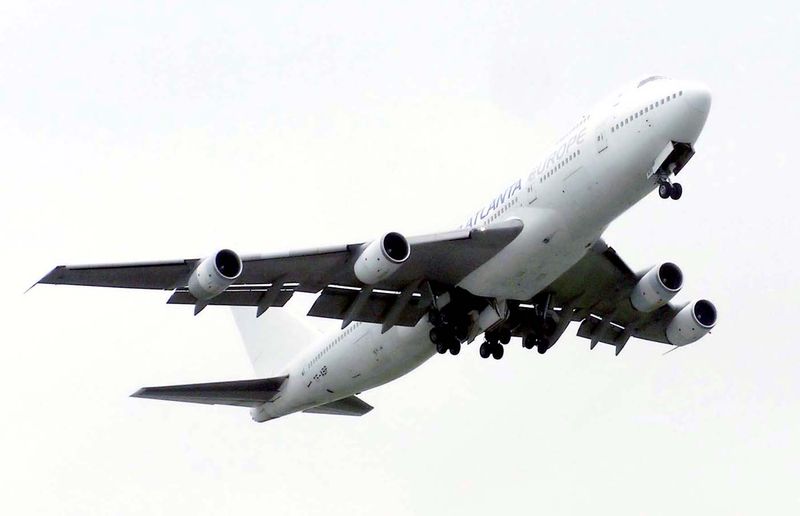
747-200
The 747-200 brought more powerful engines, higher takeoff weights and greater range than the -100, and spawned freighter, combi and convertible models.
Boeing 747-200 vs 747-300
The 747-300's stretched upper deck gave it about ten percent more capacity than the 747-200, with quieter engines and no change in length or weight limits.
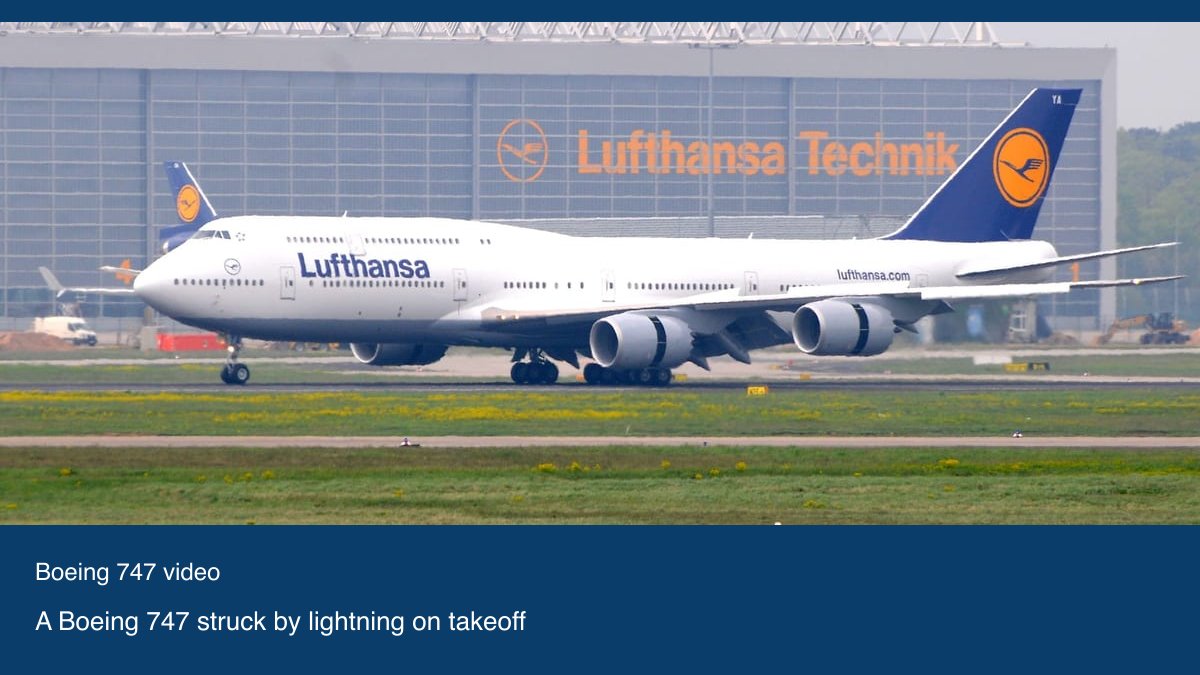
A Boeing 747 struck by lightning on takeoff
An All Nippon Airways Boeing 747-200 is struck by lightning on takeoff, caught on camera from the ground.
More in Accidents
Boeing 747 accidents and incidents
Explore 22 Boeing 747 accidents and incidents in date order, with individual accounts, historical images, investigation findings and sources.
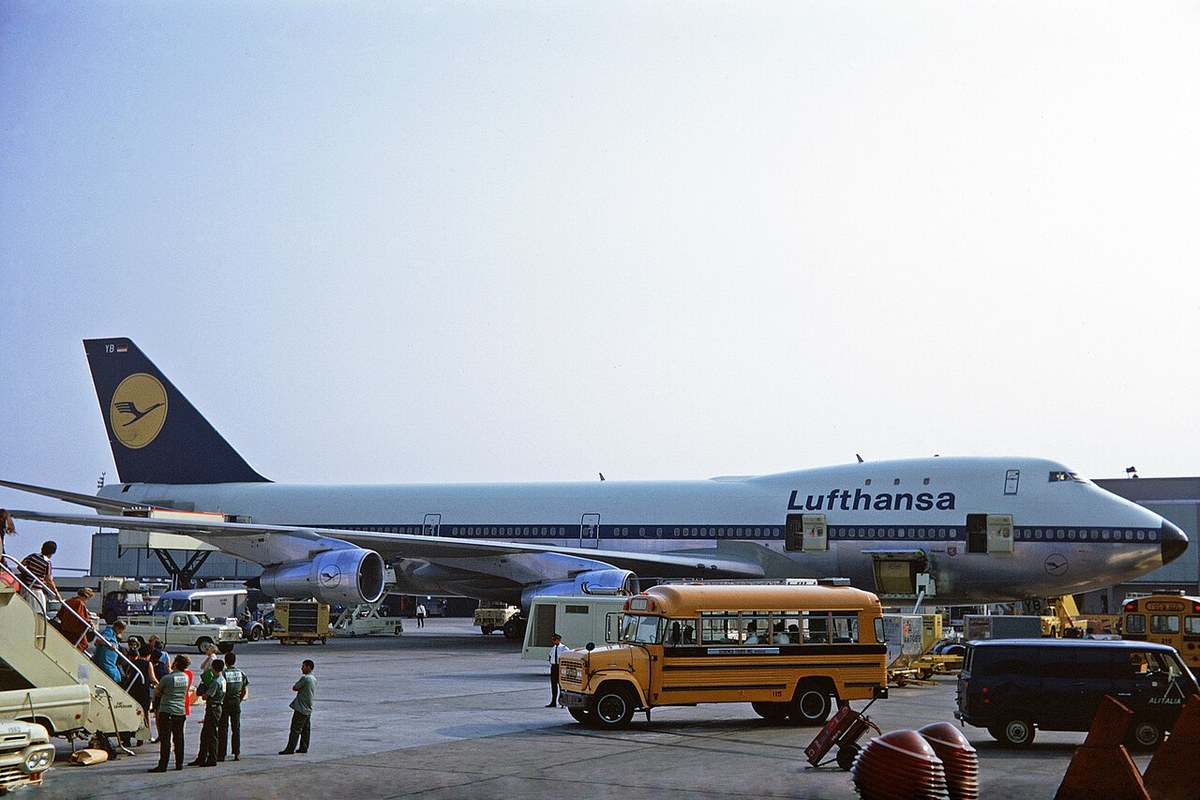
Lufthansa Flight 540
Lufthansa Flight 540 crashed after takeoff at Nairobi in 1974. Read the aircraft details, leading-edge configuration findings and survival figures.
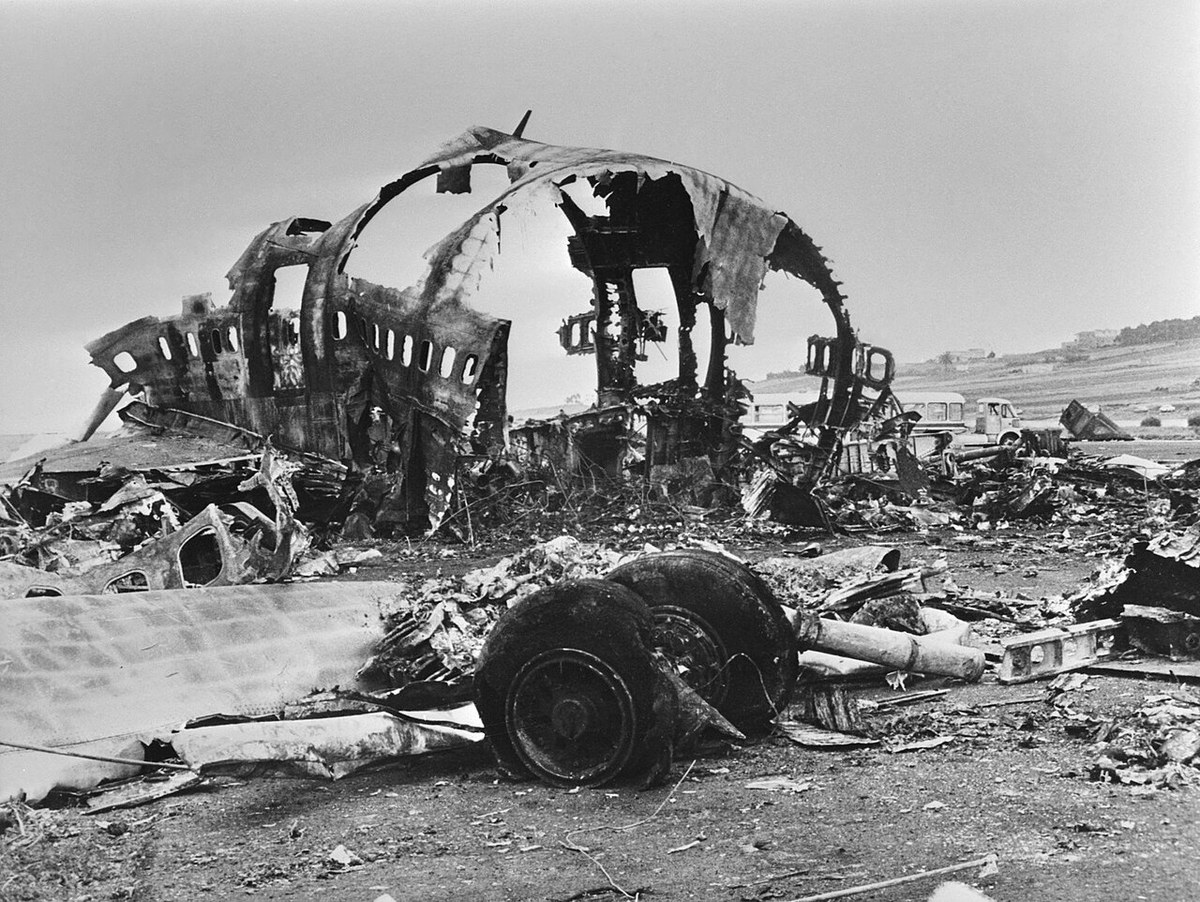
Tenerife, 27 March 1977
Two Boeing 747s collided in fog at Tenerife, killing 583 people. It remains the deadliest accident in aviation history, and it changed how crews talk.
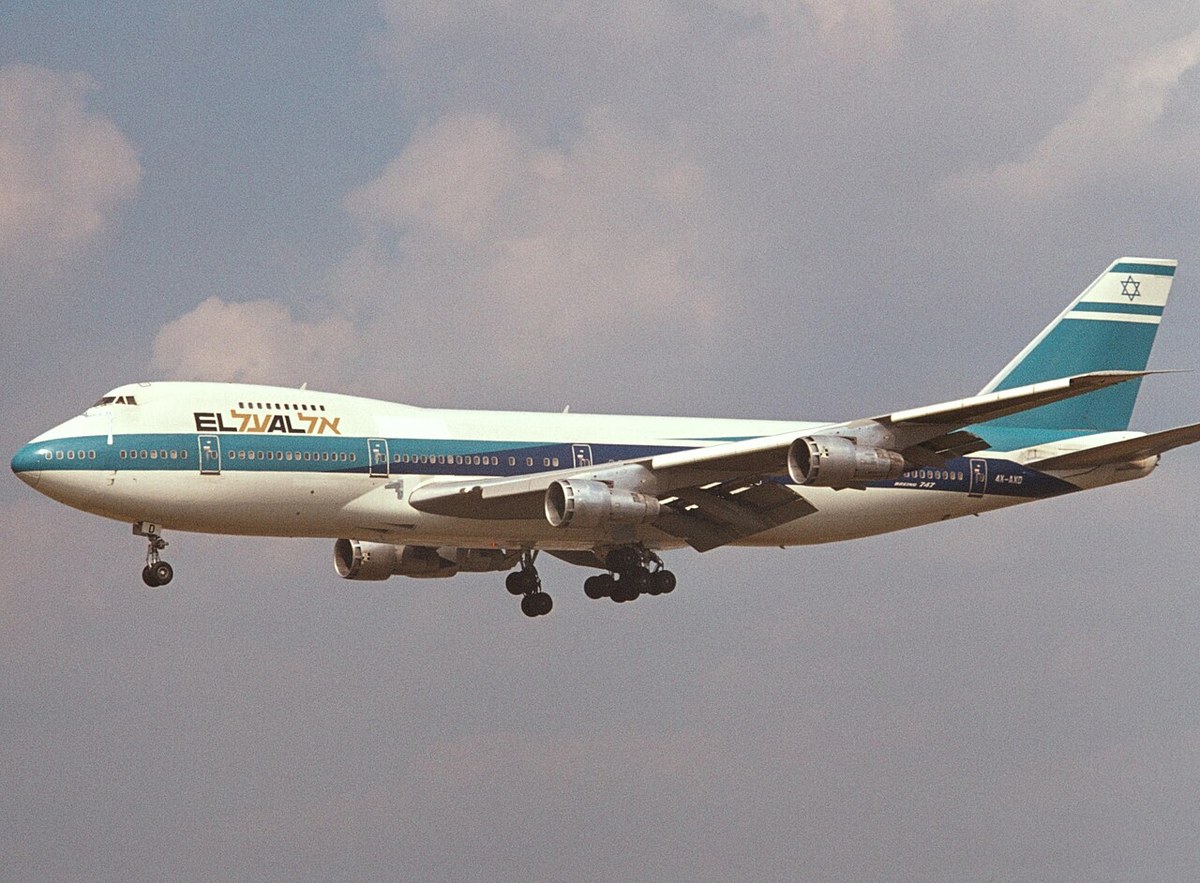
El Al 747 decompression, 1977
An El Al 747 lost cabin pressure over Belgrade in November 1977. Read the documented facts, source limitations and historical context.
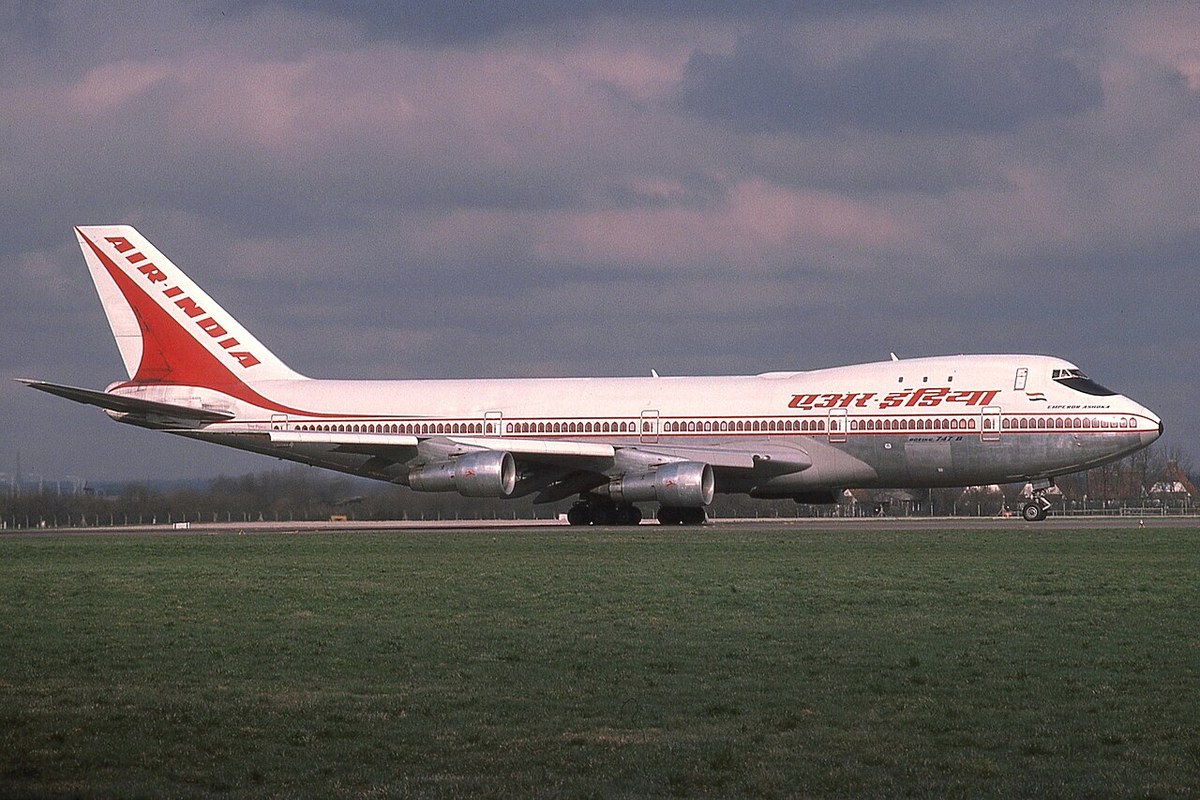
Air India 855, 1 January 1978
A failed attitude indicator disorientated the captain of a 747 over dark sea off Bombay. All 213 aboard died 101 seconds after takeoff.
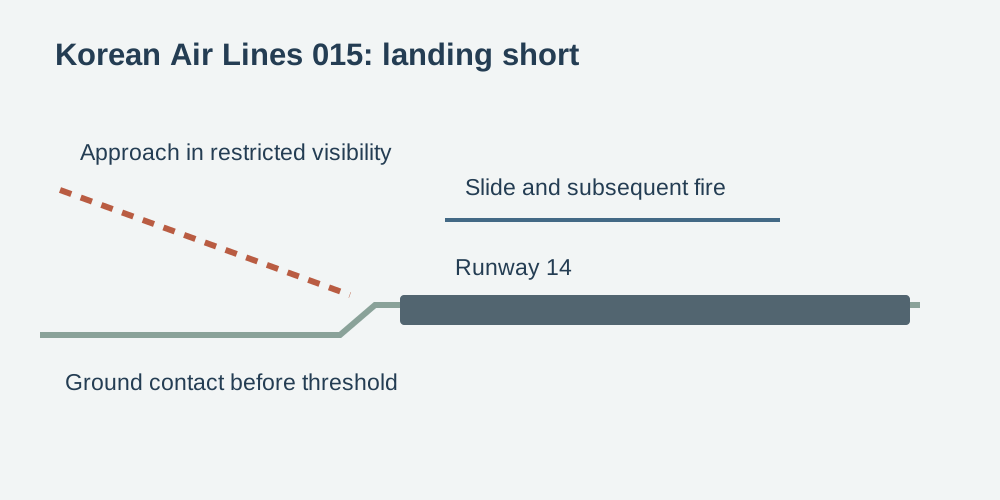
Korean Air Lines Flight 015
Korean Air Lines Flight 015 landed short at Seoul in 1980. Explore the landing and fire, aircraft details and conflicting historical fatality counts.