Korean Air Lines 007, 1 September 1983
Shot down over Soviet airspace on 1 September 1983 after an autopilot mode error. All 269 died, and the US opened GPS to civilian use as a result.


On 1 September 1983, Korean Air Lines Flight 007 was shot down by Soviet Su-15 interceptors after straying into Soviet airspace. All 269 people aboard died - 246 passengers and 23 crew.
The aircraft was HL7442, a Boeing 747-230B, flying New York to Seoul via Anchorage.
What went wrong
The cause was mundane and, once understood, alarmingly easy.
The autopilot was left in HEADING mode rather than being switched to INS mode, which would have made it follow the programmed route from the inertial navigation system. In heading mode the aircraft simply holds a compass heading - so instead of tracking the route, it flew a constant heading and drifted steadily further from it.
Over several hours that drift took the aircraft more than 160 nautical miles off course, across the Kamchatka Peninsula and Sakhalin Island. Soviet air defence tracked it, could not identify it as a civil aircraft, and treated it as a US reconnaissance flight - plausible to them because a US RC-135 had been operating in the same region.
The crew had no idea they were off course. Nothing in the cockpit told them.
Why it mattered beyond aviation
This was the Cold War at its coldest, and the shootdown became a major international incident. But its longest-lasting consequence has nothing to do with politics.
The reason your phone knows where it is traces back to this accident.
At the time the Global Positioning System was a United States military programme, still under development and not intended for public use. In response to KAL 007, President Reagan issued a directive that GPS should be made freely available for civilian use once it was sufficiently developed, as a common good - precisely so that a civil aircraft could never again be uncertain of its own position.
Every satnav, every phone map, every modern airliner's navigation display descends from that decision.
What it says about automation
The accident is still taught as a case study in mode confusion - the crew believing the automation was doing one thing while it did another.
The aircraft behaved perfectly. The autopilot did exactly what it had been set to do. Nobody noticed that what it had been set to do was not what was wanted, and nothing in the design made the discrepancy obvious.
That problem did not go away with better equipment; it is the reason modern flight decks put so much effort into displaying what mode the automation is actually in. The 747-400's glass cockpit, which arrived five years later, made mode annunciation far more prominent than the analogue flight decks it replaced.
Related
Frequently asked questions
- Why is GPS free for civilians?
- Because of Korean Air Lines Flight 007. After the 747 was shot down in 1983 having strayed off course into Soviet airspace, President Reagan directed that the Global Positioning System be made freely available for civilian use once it was sufficiently developed.
Sources
Facts on this page are checked against the primary and institutional references below.
- Korean Air Lines Flight 007 - Wikipedia
Related topics
Boeing 747-100 vs 747-200
What the 747-200 added to the original 747-100: more thrust, higher takeoff weights, a ten-window upper deck and freighter, combi and convertible variants.
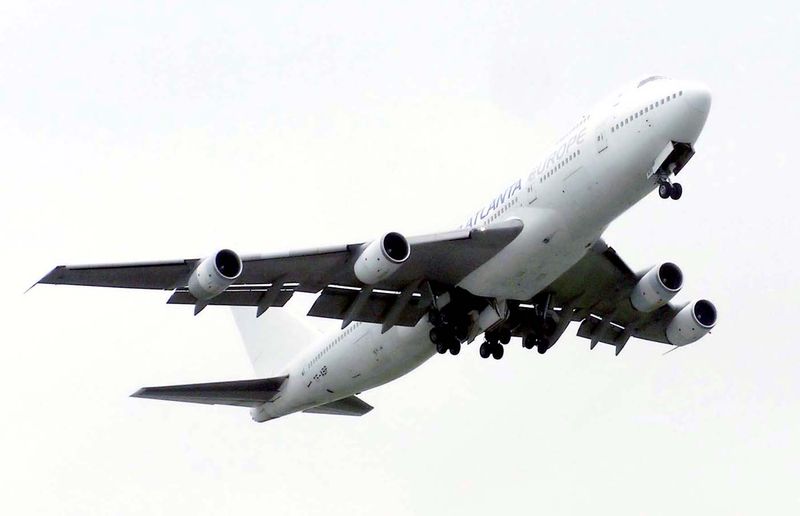
747-200
The 747-200 brought more powerful engines, higher takeoff weights and greater range than the -100, and spawned freighter, combi and convertible models.
Boeing 747-200 vs 747-300
The 747-300's stretched upper deck gave it about ten percent more capacity than the 747-200, with quieter engines and no change in length or weight limits.
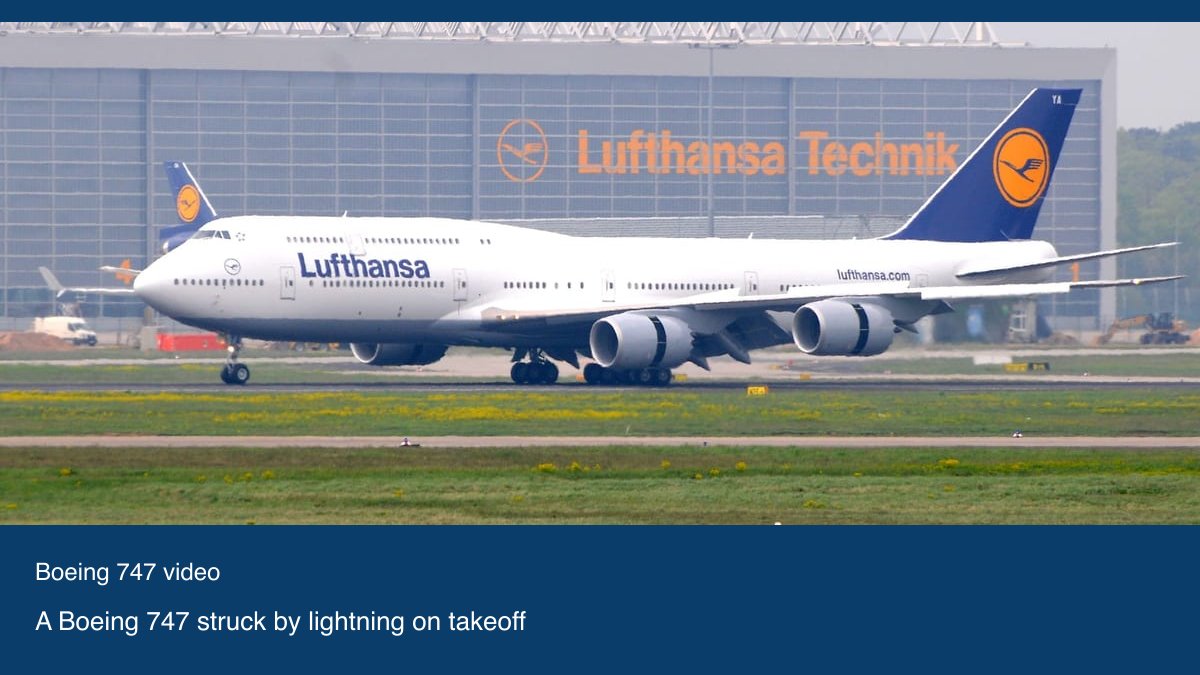
A Boeing 747 struck by lightning on takeoff
An All Nippon Airways Boeing 747-200 is struck by lightning on takeoff, caught on camera from the ground.
Active Boeing 747 Fleet Tracker
Track confirmed passenger and cargo Boeing 747 operators with dated fleet counts, primary sources, methodology and downloadable records.
Air Canada
Air Canada flew 15 Boeing 747s for 33 years, from 1971 -100s and -200 Combis to a -400 era that ended in October 2004.
More in Accidents
Boeing 747 accidents and incidents
Explore 22 Boeing 747 accidents and incidents in date order, with individual accounts, historical images, investigation findings and sources.
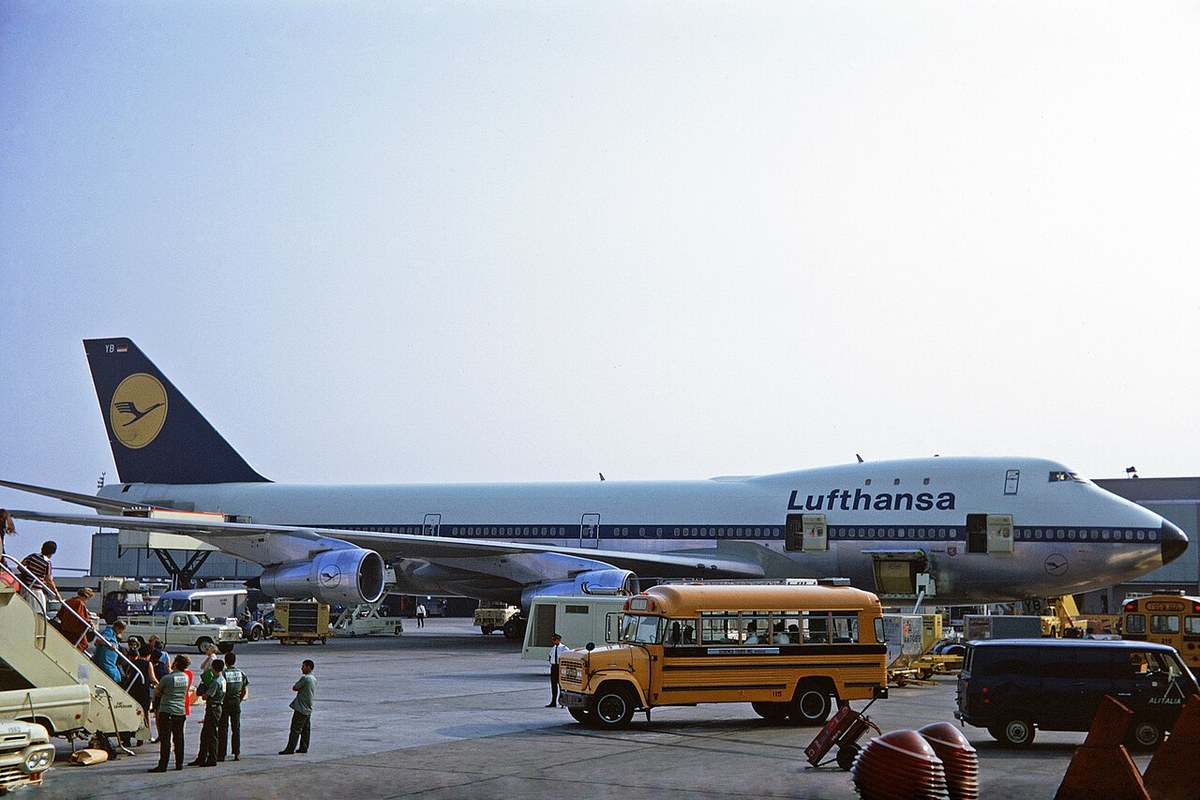
Lufthansa Flight 540
Lufthansa Flight 540 crashed after takeoff at Nairobi in 1974. Read the aircraft details, leading-edge configuration findings and survival figures.
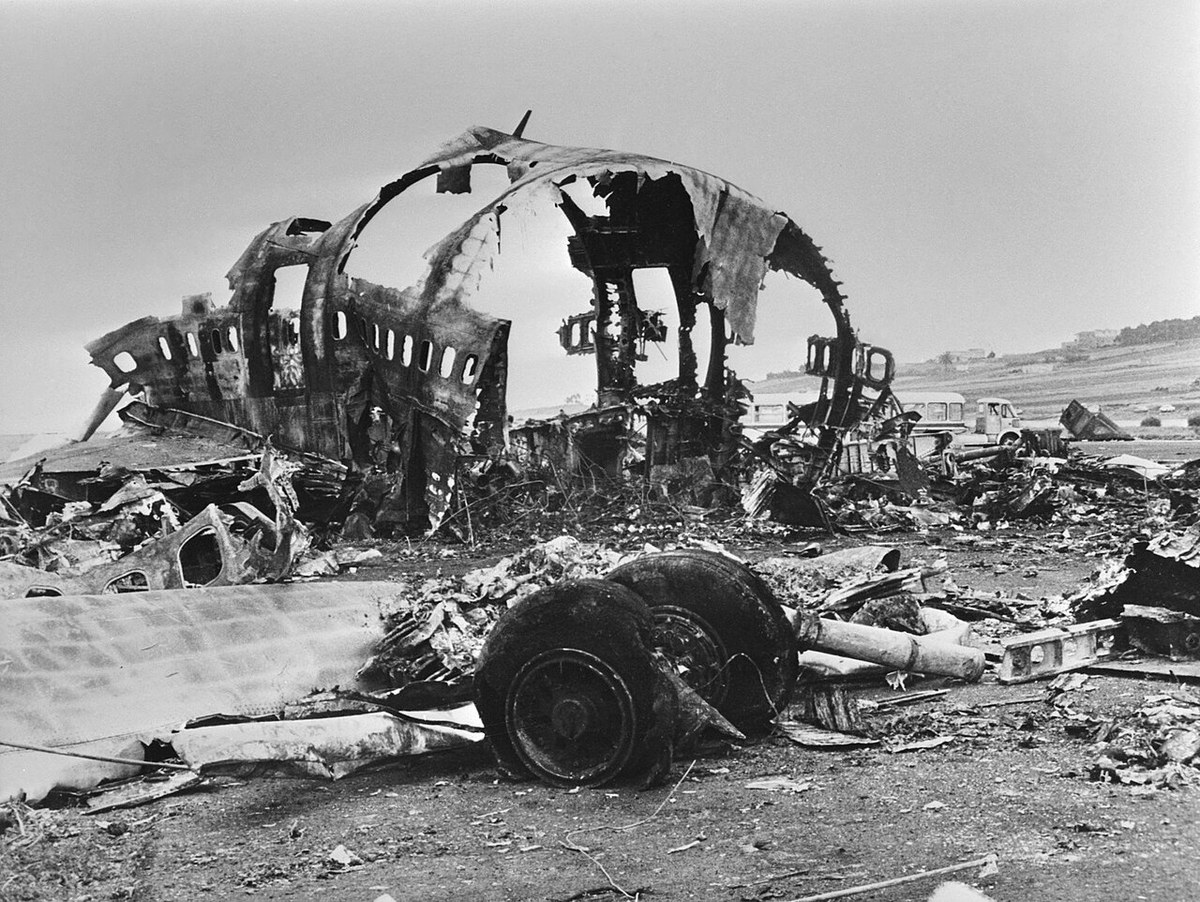
Tenerife, 27 March 1977
Two Boeing 747s collided in fog at Tenerife, killing 583 people. It remains the deadliest accident in aviation history, and it changed how crews talk.
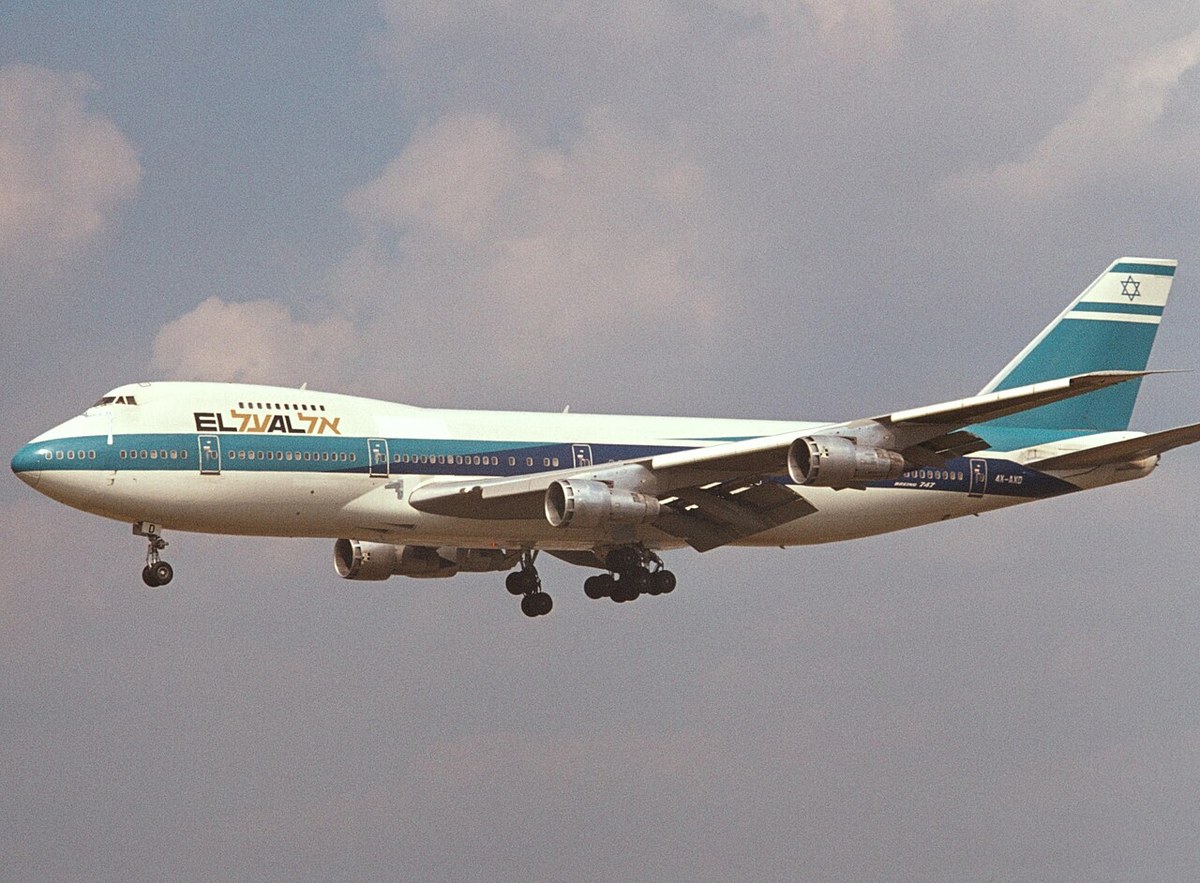
El Al 747 decompression, 1977
An El Al 747 lost cabin pressure over Belgrade in November 1977. Read the documented facts, source limitations and historical context.
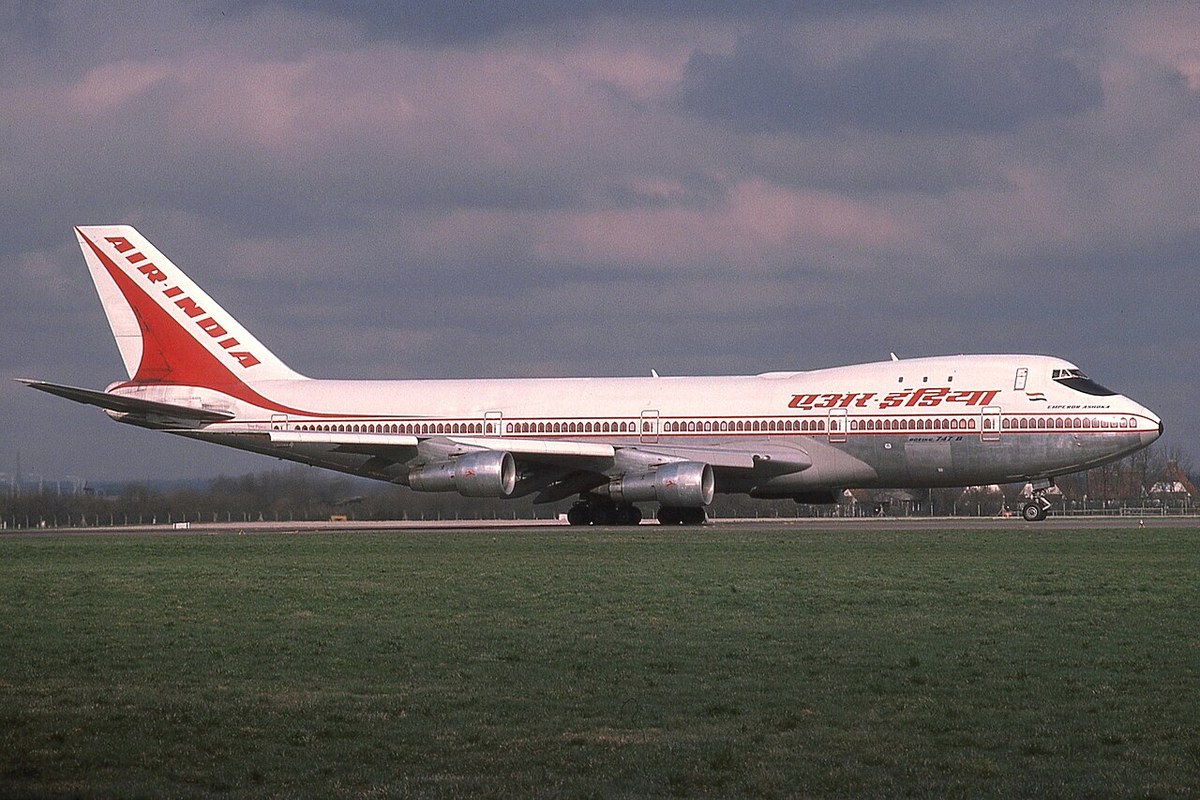
Air India 855, 1 January 1978
A failed attitude indicator disorientated the captain of a 747 over dark sea off Bombay. All 213 aboard died 101 seconds after takeoff.
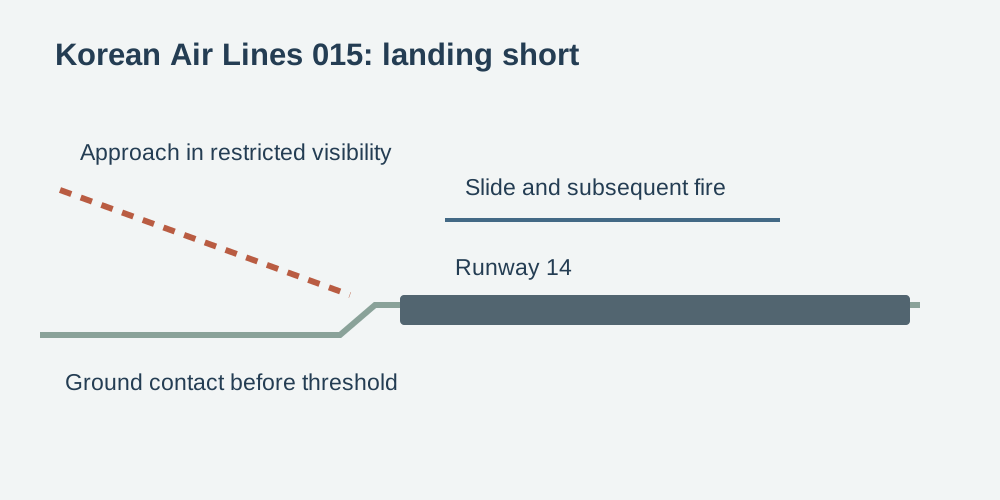
Korean Air Lines Flight 015
Korean Air Lines Flight 015 landed short at Seoul in 1980. Explore the landing and fire, aircraft details and conflicting historical fatality counts.