Rolls-Royce RB211-524 on the Boeing 747
The Rolls-Royce RB211-524, premium by its three-shaft design, entered 747 service with British Airways in 1977, ran on -200s, -200Bs, SPs and -300s, and returned as the -524G/H — the first FADEC RB211s — on the 747-400 and -400ER.
Rolls-Royce’s RB211-524 brought the three-shaft gas generator to the 747, delivering smooth, efficient power and a distinctive high-pitched note that became part of the classic 747 sound.
| Key facts | |
|---|---|
| Applications | 747-200, -200B, -200F, 747SP, -300 (-524B/C/D4); 747-400 and -400ER (-524G/-524H only) |
| Thrust classes | B2 49,120 lbf; C2 50,600 lbf; D4 53,000 lbf; G 58,000 lbf; H 60,600 lbf |
| Bypass / fan | 5.0:1 (B/C/D4), 4.3:1 (G/H); 86.3 in fan |
| First customer | British Airways — ordered June 1975, entered service June 1977 on a 747-200B |
British Airways ordered the RB211-524 for its 747-200Bs in June 1975 and introduced it in service in June 1977. Qantas then had Boeing adopt the higher-thrust -524D4 on its 747-238Bs from 1979, and SAA, Cathay Pacific and others followed on -200s and -300s.
The -524 was never fitted to the 747-100 or the 747-8. Its final 747 application was the -524G (58,000 lbf) and -524H (60,600 lbf) — the first FADEC-equipped RB211s — which entered service with the 747-400’s FAA certification in January 1989. The heavier H/T version served the 747-400ER.
Later hybrid -524G/H builds paired the RB211 core work with technology from the Trent family, extending the engine’s life right up to the end of 747 passenger operations.
Sources
- Rolls-Royce RB211 article — Wikipedia
- 747-400 Airplane Characteristics for Airport Planning — Boeing
- Boeing 747-200 on sdk.aero — Aeropedia
Sources
Facts on this page are checked against the primary and institutional references below.
- Rolls-Royce RB211 article — Wikipedia
- 747-400 Airplane Characteristics for Airport Planning — Boeing
- Boeing 747-200 on sdk.aero — Aeropedia
Related topics
Boeing 747-200 vs 747-300
The 747-300's stretched upper deck gave it about ten percent more capacity than the 747-200, with quieter engines and no change in length or weight limits.
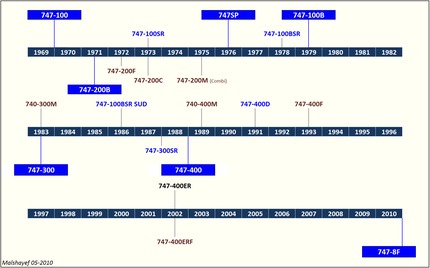
Boeing 747 Family
Every Boeing 747 variant built between 1968 and 2023 — the 747-100, -200, -300, -400 and 747-8, with freighter, combi and short-range models explained.
Boeing 747 Production Data
Download Boeing 747 production totals by generation, with a transparent method and links to Boeing's final programme record and technical documents.
British Airways 9, 24 June 1982
All four engines failed when a 747 flew into volcanic ash over Java. It glided for 23 minutes, restarted three, and landed everyone safely.
Cathay Pacific Boeing 747 fleet history
Cathay Pacific flew passenger 747s from 1979 to October 2016 and now operates 20 Boeing 747 freighters.
El Al Boeing 747 fleet history
El Al flew 26 Boeing 747s across the -100, -200, -300 and -400, retiring its last passenger 747 in November 2019.
More in Aircraft Systems
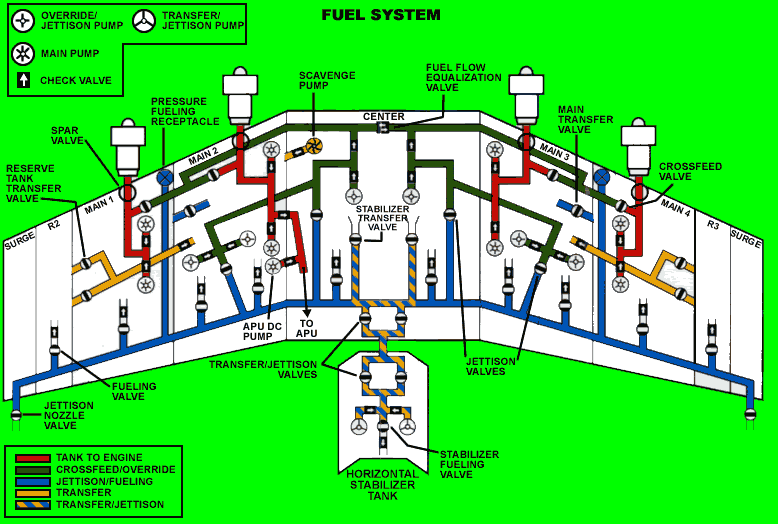
How the 747 works
The systems that make a 747 fly — fuel, hydraulics, landing gear, electrics and pressurisation, explained one at a time.
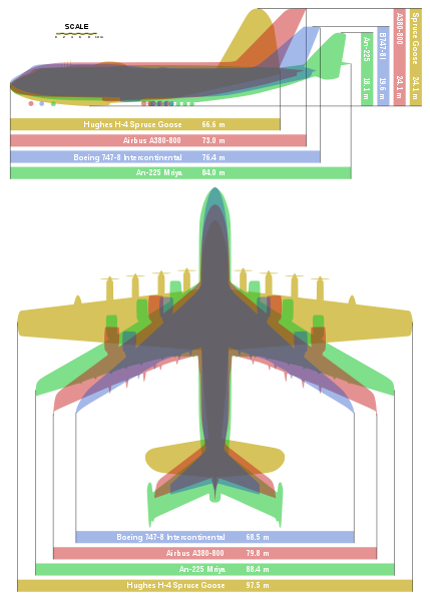
Boeing 747 specifications compared
Every Boeing 747 variant side by side — length, wingspan, weights, capacity, range, cruise speed and engines, with sources noted.
The four hydraulic systems
The 747 has four independent hydraulic systems, one per engine, each with a backup pump — and the reasoning behind splitting them that way.
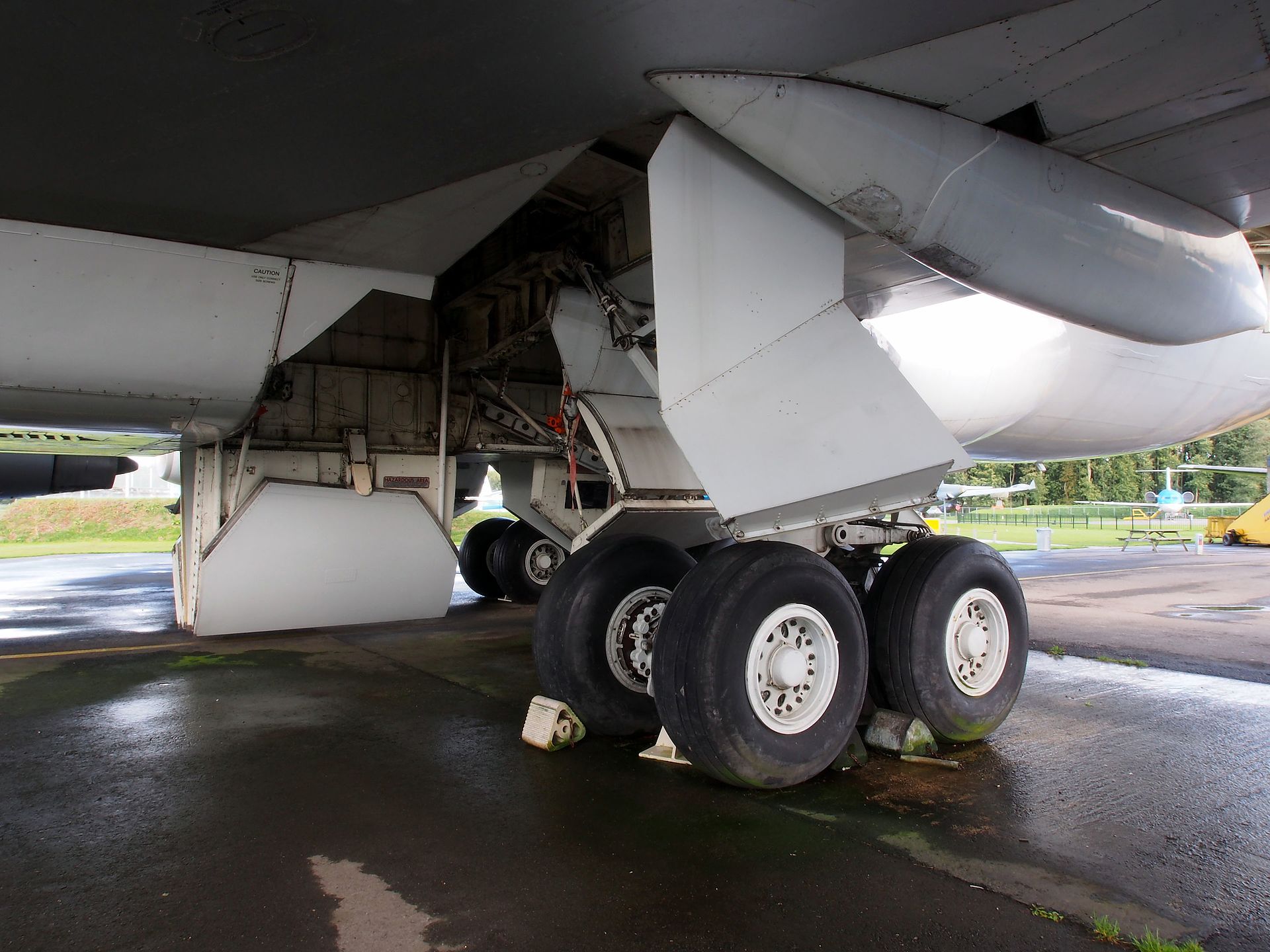
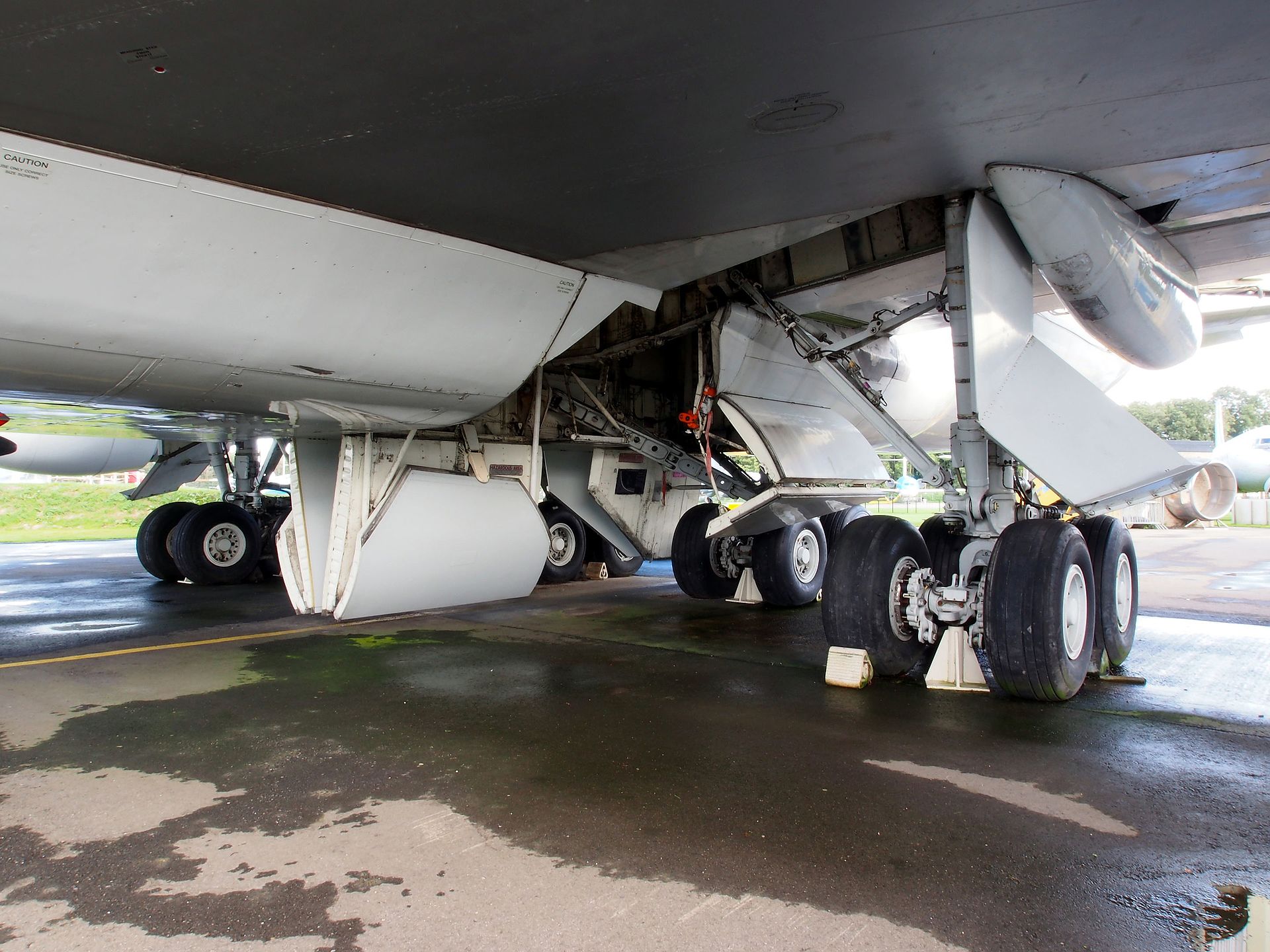
Eighteen wheels
The 747's five landing gear legs and 18 tyres, why the load is spread that way, and the body gear steering that stops it tearing up taxiways.
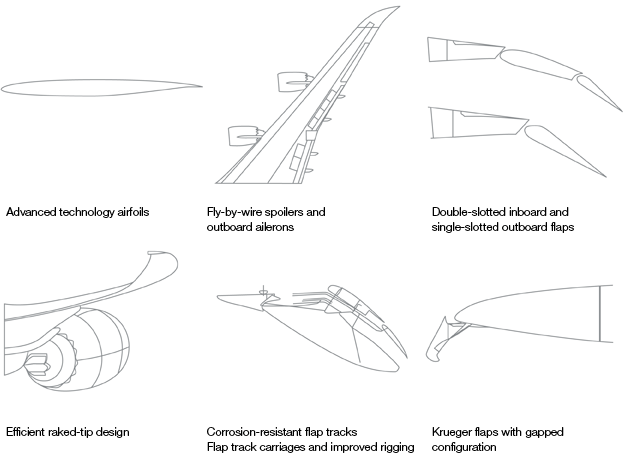
Flight controls and high-lift devices
How a 747 is flown — split ailerons, spoilers, triple-slotted flaps and Krueger leading edge devices, and what the 747-8 changed.
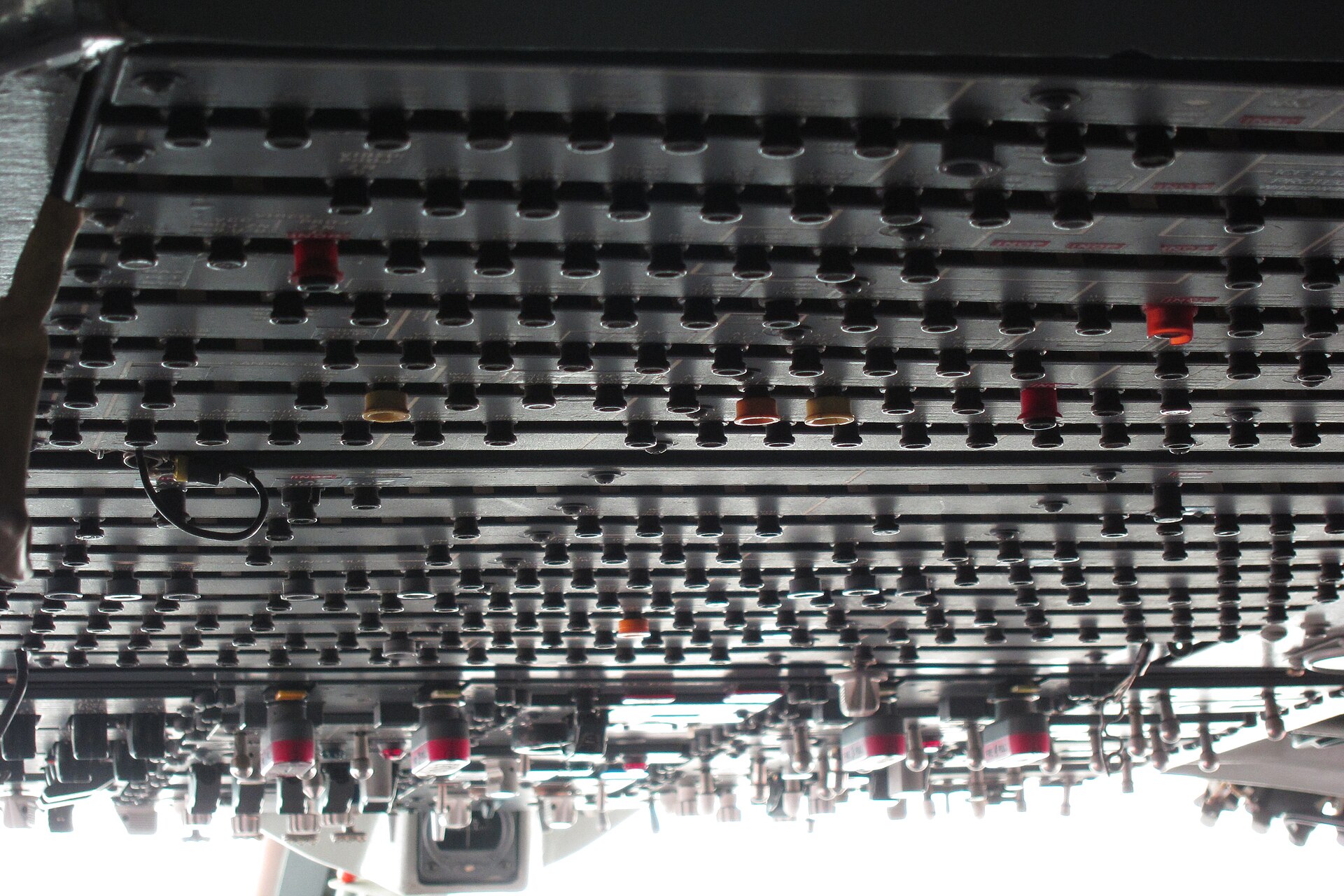
The electrical system
Four 90 kVA generators, one per engine, running in parallel through a tie bus — plus two APU generators for the ground.