UPS 6, Dubai, 3 September 2010
An in-flight cargo fire aboard a 747-400F carrying 81,000 lithium batteries filled the cockpit with smoke and killed both crew near Dubai.


On 3 September 2010, UPS Airlines Flight 6 - a Boeing 747-44AF, registration N571UP - suffered an in-flight cargo fire shortly after departing Dubai for Cologne. Both crew members died.
The cargo
The aircraft was carrying more than 81,000 lithium batteries along with other combustible material.
What happened
Fire broke out in the cargo hold and smoke flooded the cockpit within minutes. That is the detail that made this accident unsurvivable.
Captain Douglas Lampe lost consciousness from hypoxia. First Officer Matthew Bell was left flying an aircraft whose instruments he could not see through the smoke, using radio relay from another aircraft for guidance. The fire also destroyed elevator control, leaving the aircraft unable to be flown accurately in pitch.
It came down near Dubai.
Why smoke, not flame, was the killer
A main-deck freighter fire is a different problem from a fire in a passenger aircraft's belly hold, as the Asiana 991 page sets out. But UPS 6 exposed something more specific: the flight deck of a freighter is not sealed from the main deck the way a passenger cabin is, and once smoke enters it the crew cannot see the instruments.
Lithium cells in thermal runaway supply their own oxidiser, so conventional suppression - which works by displacing oxygen - does not reliably stop them.
What changed
Boeing revised the 747-400F fire checklists, requiring that at least one of the three air conditioning systems be left running during a cargo fire, specifically to keep smoke from accumulating on the flight deck. That is a direct, concrete change traceable to this accident.
The FAA restricted lithium batteries on passenger aircraft and issued cargo alerts. Together with Asiana 991 the following year, this accident pushed ICAO to begin work in 2012 on new standards for carrying lithium batteries by air - rules that have tightened repeatedly since, covering quantity, state of charge, packaging and segregation.
It also reopened a debate that has not fully settled: whether freighter crews should have smoke hoods and vision assurance equipment as standard, and whether main-deck holds need active fire suppression rather than detection alone.
Related
Sources
Facts on this page are checked against the primary and institutional references below.
- UPS Flight 6 final accident report - UAE General Civil Aviation Authority
- Boeing 747-44AF N571UP safety lessons - Federal Aviation Administration
Related topics
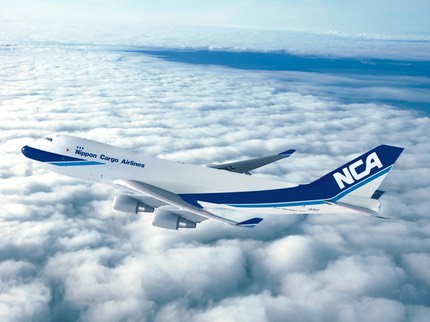
747-400F
The all-freight 747-400F used the 747-200F fuselage. It first flew in May 1993 and entered service with Cargolux that November.
Active Boeing 747 Fleet Tracker
Track confirmed passenger and cargo Boeing 747 operators with dated fleet counts, primary sources, methodology and downloadable records.
Atlas Air
The largest 747 fleet in the world, and the airline that took delivery of the very last 747 ever built.
Boeing 747 Airlines: Launch Customers and Retirements
Explore Boeing 747 airline history, from Pan Am and the largest fleets to retirement milestones, with links to current operator evidence.
Boeing 747 Freighter Specifications
Compare Boeing 747-400F, 747-400ERF and 747-8F weights, structural payload, fuel and cargo volumes using identified Boeing planning configurations.

Inside the 747-8 Freighter
The 747-8F is 18.4 ft longer than the 747-400F, carries 16 percent more revenue cargo volume, and keeps the nose door that defines the 747 freighter.
More in Accidents
Boeing 747 accidents and incidents
Explore 22 Boeing 747 accidents and incidents in date order, with individual accounts, historical images, investigation findings and sources.
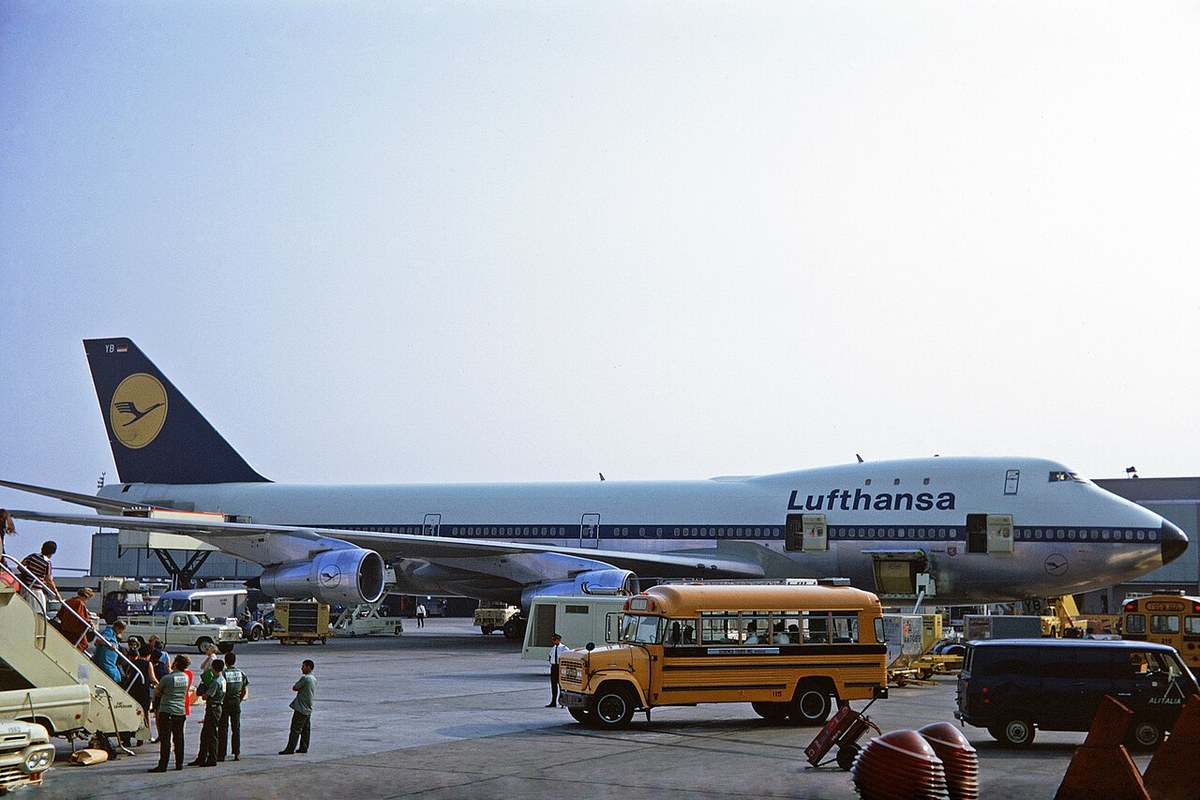
Lufthansa Flight 540
Lufthansa Flight 540 crashed after takeoff at Nairobi in 1974. Read the aircraft details, leading-edge configuration findings and survival figures.
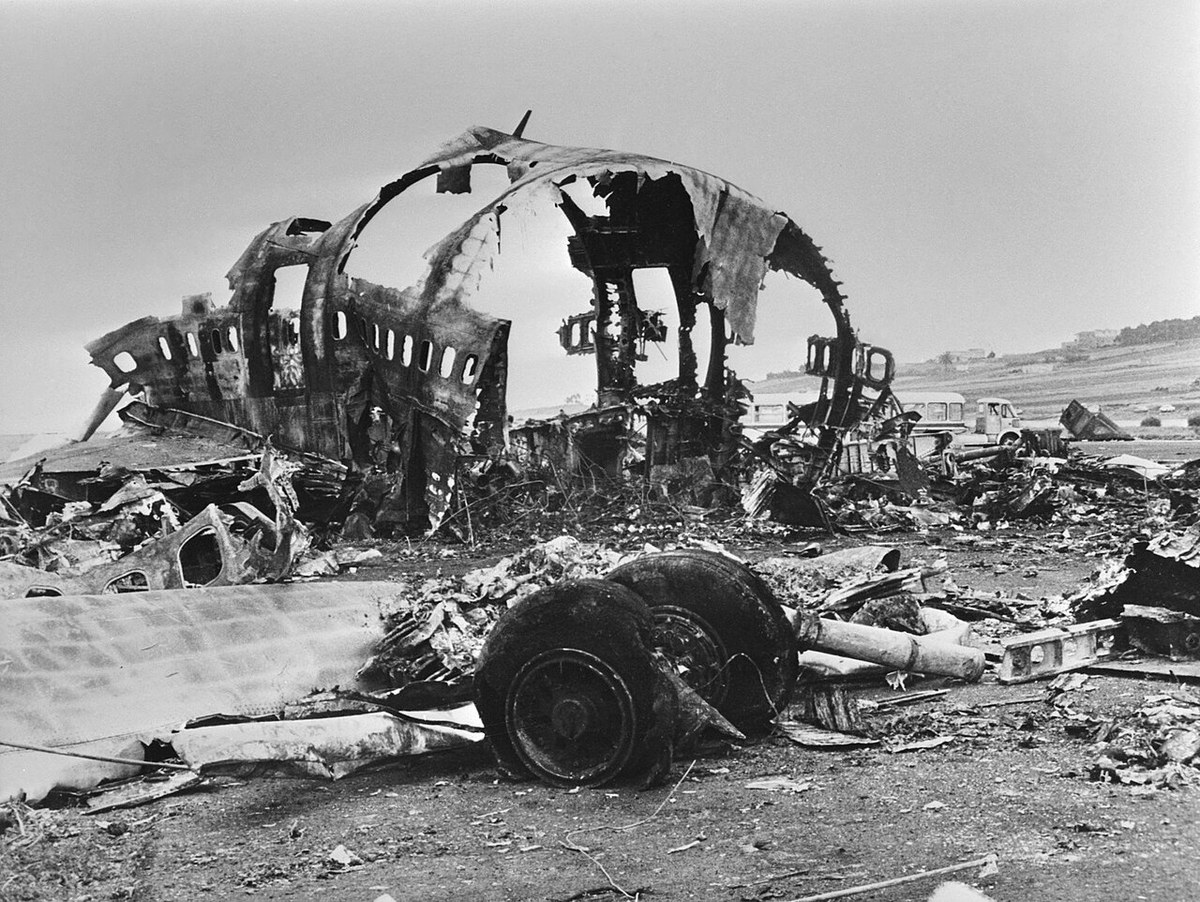
Tenerife, 27 March 1977
Two Boeing 747s collided in fog at Tenerife, killing 583 people. It remains the deadliest accident in aviation history, and it changed how crews talk.
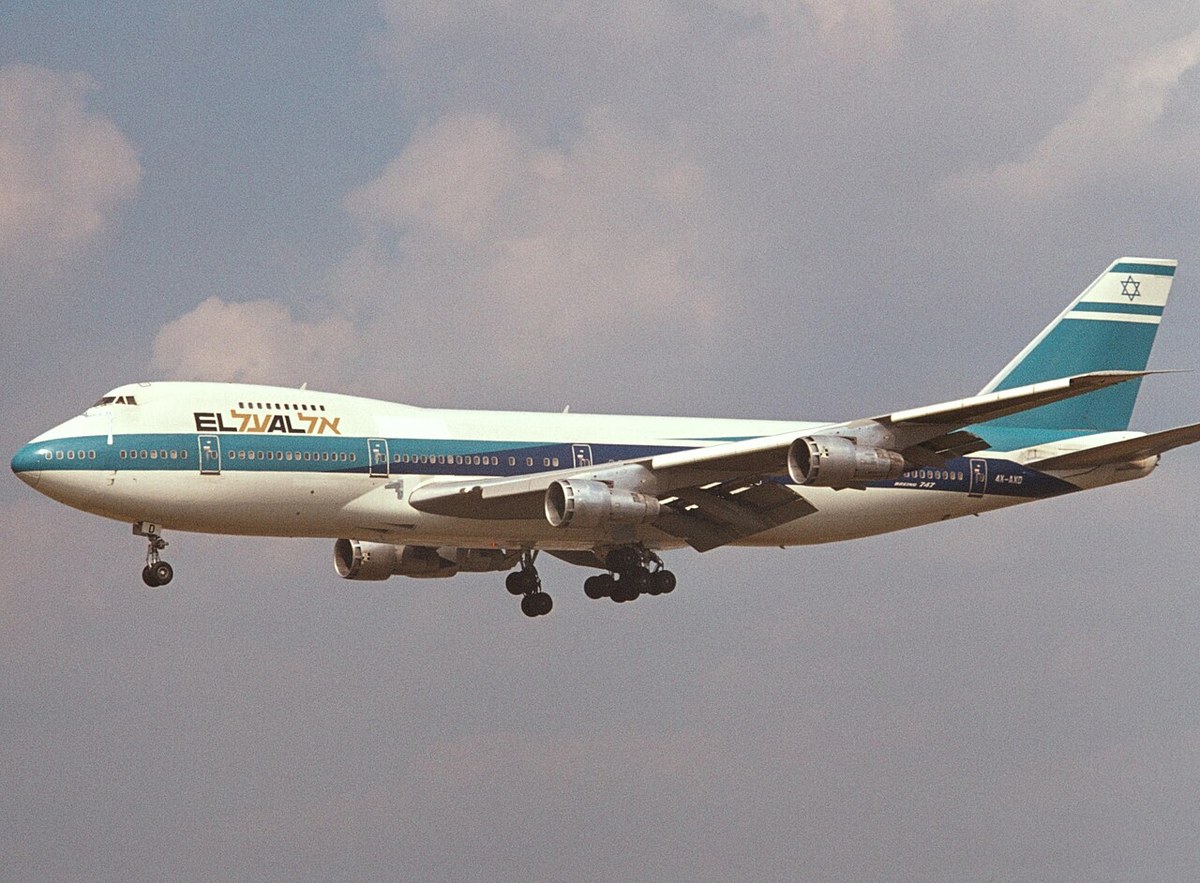
El Al 747 decompression, 1977
An El Al 747 lost cabin pressure over Belgrade in November 1977. Read the documented facts, source limitations and historical context.
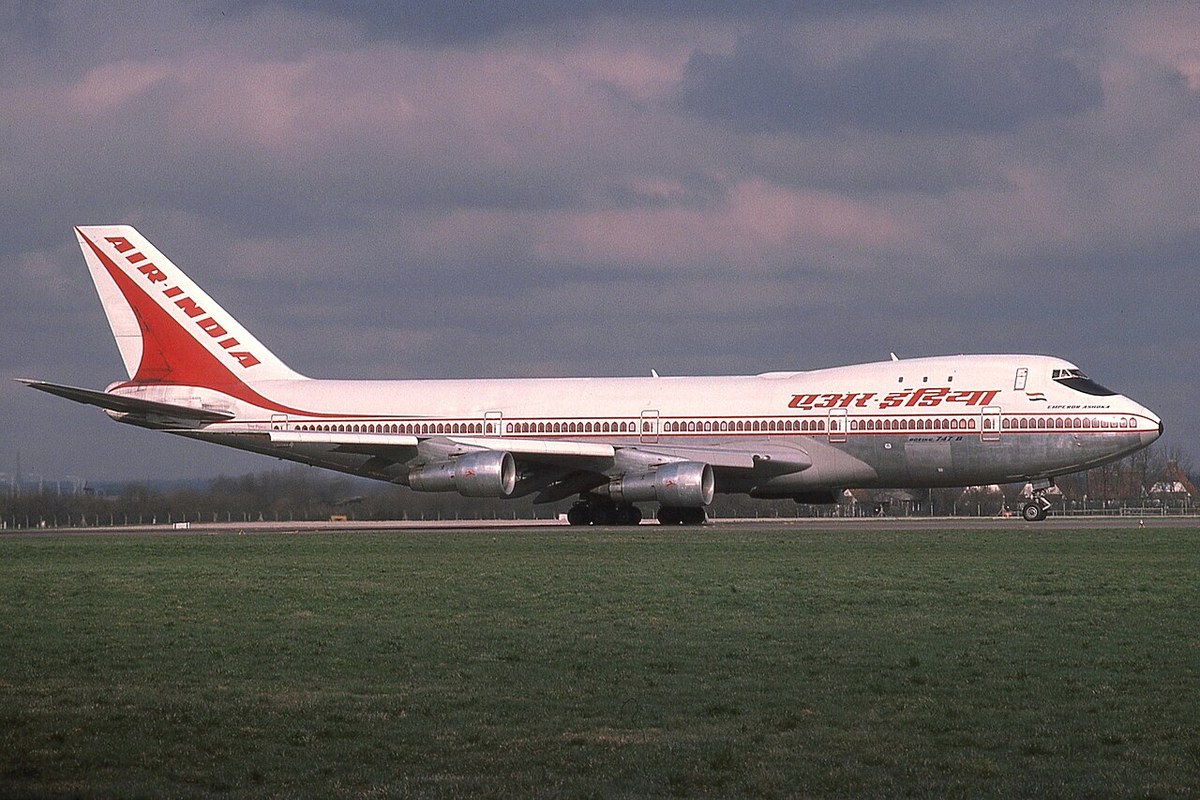
Air India 855, 1 January 1978
A failed attitude indicator disorientated the captain of a 747 over dark sea off Bombay. All 213 aboard died 101 seconds after takeoff.
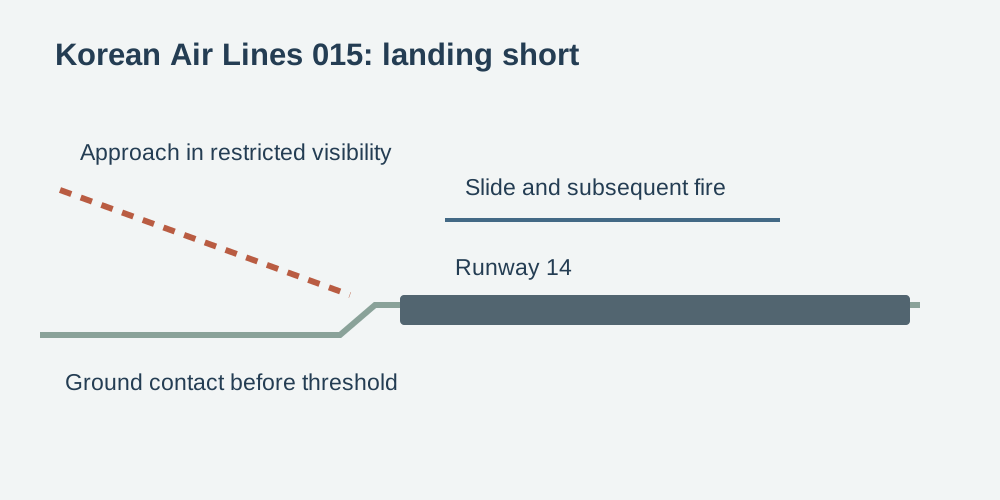
Korean Air Lines Flight 015
Korean Air Lines Flight 015 landed short at Seoul in 1980. Explore the landing and fire, aircraft details and conflicting historical fatality counts.