Korean Air 801, Guam, 6 August 1997
228 of 254 aboard died when a 747-300 struck Nimitz Hill on approach to Guam. The glideslope was out of service and the terrain warning had been modified.


On 6 August 1997, Korean Air Flight 801 struck high ground on Nimitz Hill while approaching Guam. 228 of the 254 people aboard died; 26 survived with serious injuries.
The aircraft was HL7468, a Boeing 747-3B5.
What happened
The glideslope for runway 6L - the part of an ILS that gives vertical guidance - was out of service. That turned an ordinary precision approach into a non-precision approach, which is flown by stepping down through published altitudes rather than following a beam.
The NTSB found that the captain failed to adequately brief and execute that non-precision approach, and that crew communication broke down as the aircraft descended. Captain fatigue and shortcomings in Korean Air's training were contributing factors. The captain appears to have believed the glideslope was working and followed a spurious signal.
Two things that might have caught the error did not:
- The crew's own cross-checking of altitude against distance, which is the whole discipline a non-precision approach demands.
- The Minimum Safe Altitude Warning system on the ground, which had been deliberately modified to reduce nuisance alarms and no longer covered the area where the aircraft descended into terrain.
Why it is instructive
This is a textbook controlled flight into terrain accident: nothing was wrong with the aeroplane. It was flying normally, under control, right up to the impact.
The pattern behind it - a precision approach downgraded to a non-precision one, at night, into unfamiliar terrain, with a tired crew and a steep authority gradient on the flight deck - is precisely what crew resource management was invented to break, and it showed that CRM had not yet taken hold everywhere.
Terrain awareness technology moved on sharply afterwards. Enhanced Ground Proximity Warning Systems, which compare position against a terrain database rather than only looking down, became standard and have made this category of accident far rarer.
What changed on the ground
The accident also exposed how badly airlines could handle the aftermath. The Foreign Air Carrier Family Support Act of 1997 followed directly, requiring international carriers serving the United States to file family-assistance plans meeting the same standards as domestic airlines.
Korean Air suspended its Guam service for more than four years.
Related
Sources
Facts on this page are checked against the primary and institutional references below.
- Korean Air Flight 801 aircraft accident report AAR-00-01 - National Transportation Safety Board
Related topics
What Boeing 747 accidents taught aviation
Three patterns run through 747 accidents - fuel-tank safety, crew resource management and improper repairs. Each one changed rules that still govern aviation.
Boeing 747-200 vs 747-300
The 747-300's stretched upper deck gave it about ten percent more capacity than the 747-200, with quieter engines and no change in length or weight limits.
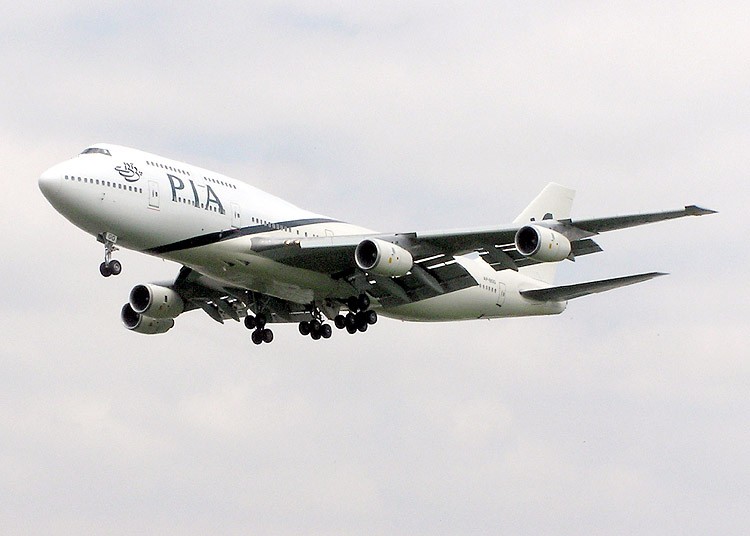
747-300
Entering service in 1983, the 747-300 introduced the stretched upper deck and improved engines, lifting capacity by ten percent.

Active Boeing 747 Fleet Tracker
Track confirmed passenger and cargo Boeing 747 operators with dated fleet counts, primary sources, methodology and downloadable records.
Air India Boeing 747 Seat Maps
Air India's Boeing 747-400 kept a 423-seat layout for nearly three decades, with the entire upper deck given over to business class.
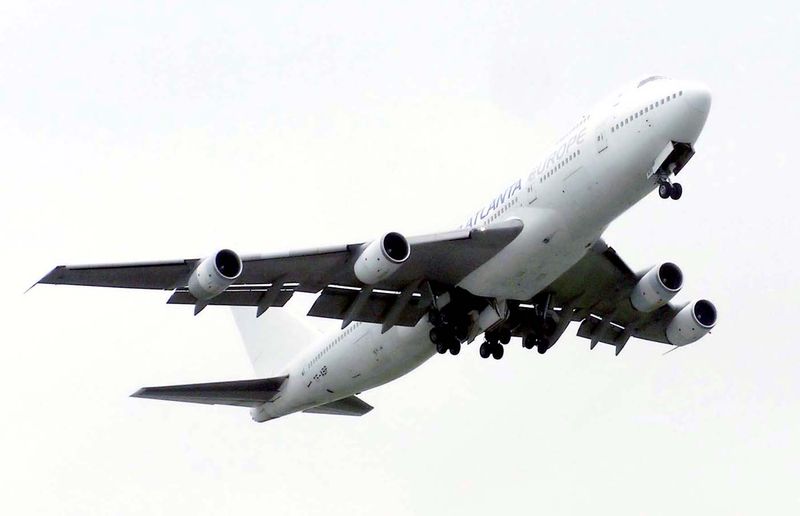
Boeing 747 Airlines: Launch Customers and Retirements
Explore Boeing 747 airline history, from Pan Am and the largest fleets to retirement milestones, with links to current operator evidence.
More in Accidents
Boeing 747 accidents and incidents
Explore 22 Boeing 747 accidents and incidents in date order, with individual accounts, historical images, investigation findings and sources.
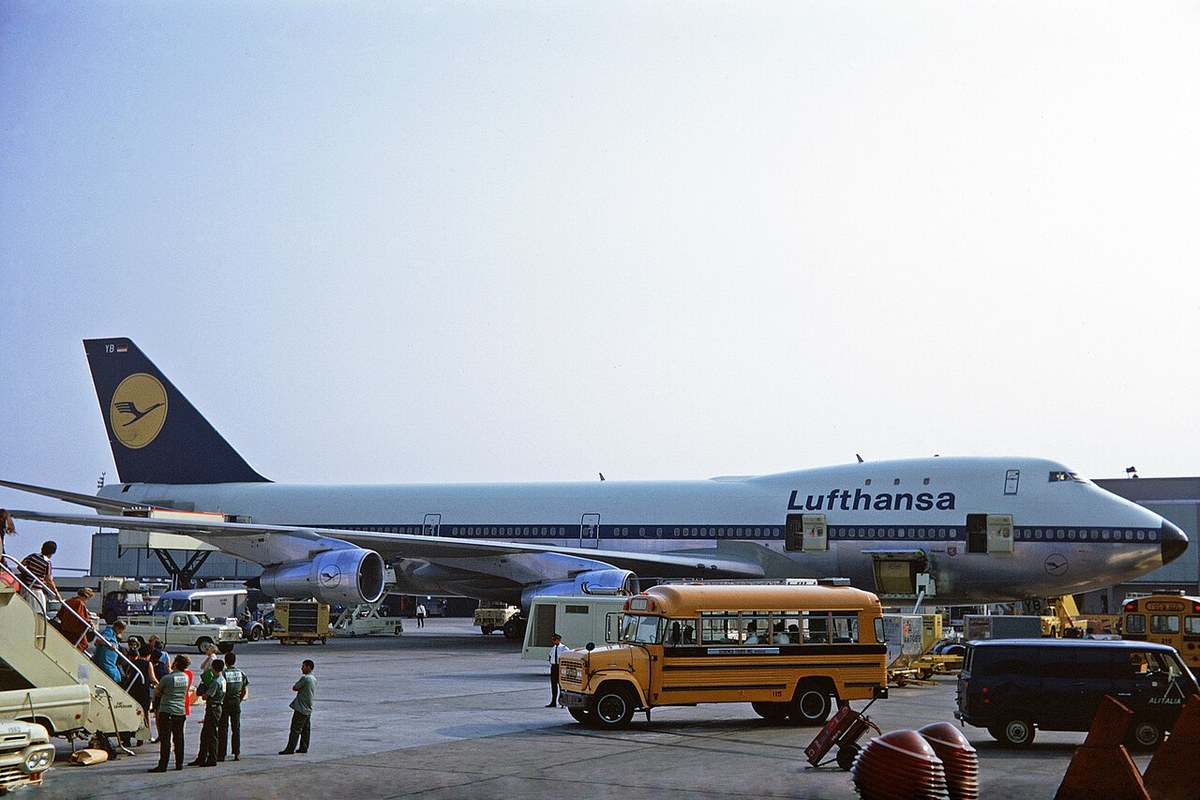
Lufthansa Flight 540
Lufthansa Flight 540 crashed after takeoff at Nairobi in 1974. Read the aircraft details, leading-edge configuration findings and survival figures.
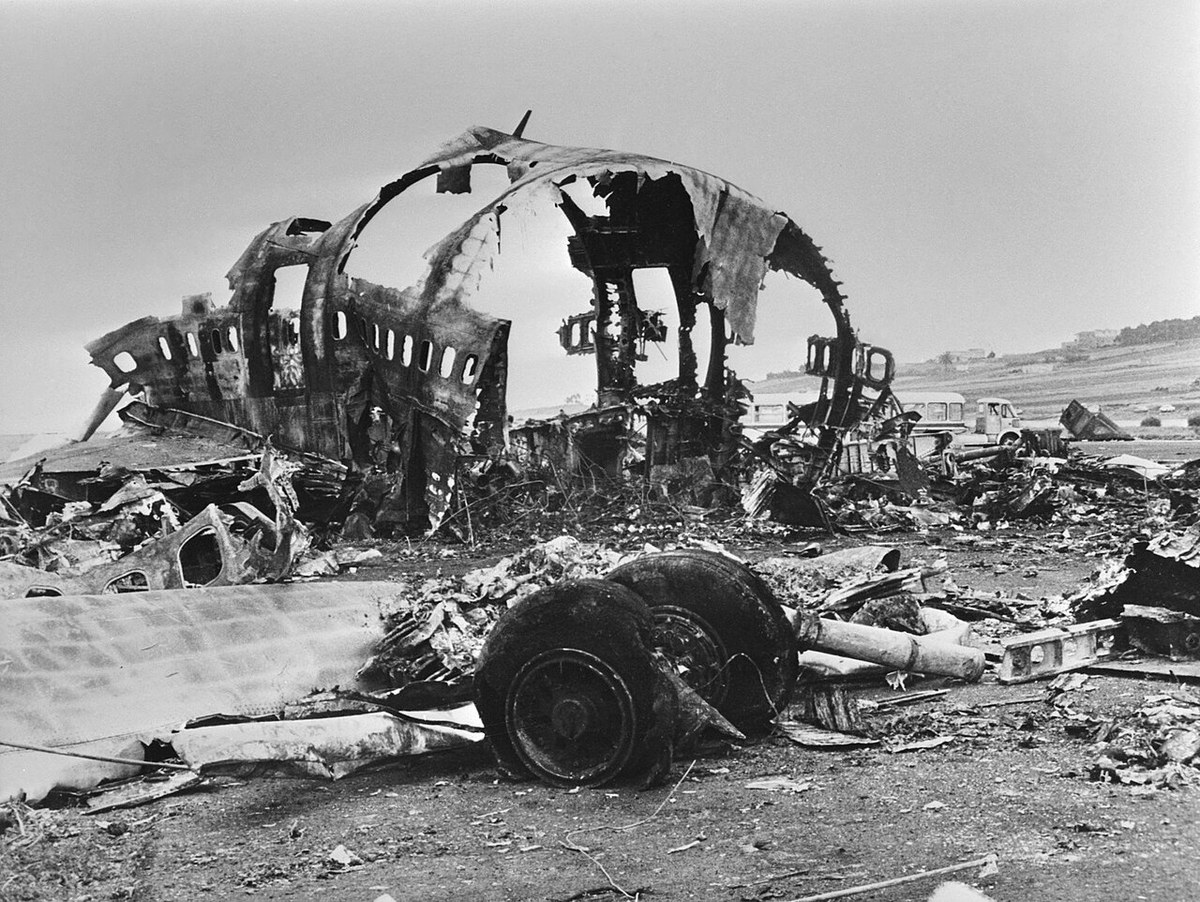
Tenerife, 27 March 1977
Two Boeing 747s collided in fog at Tenerife, killing 583 people. It remains the deadliest accident in aviation history, and it changed how crews talk.
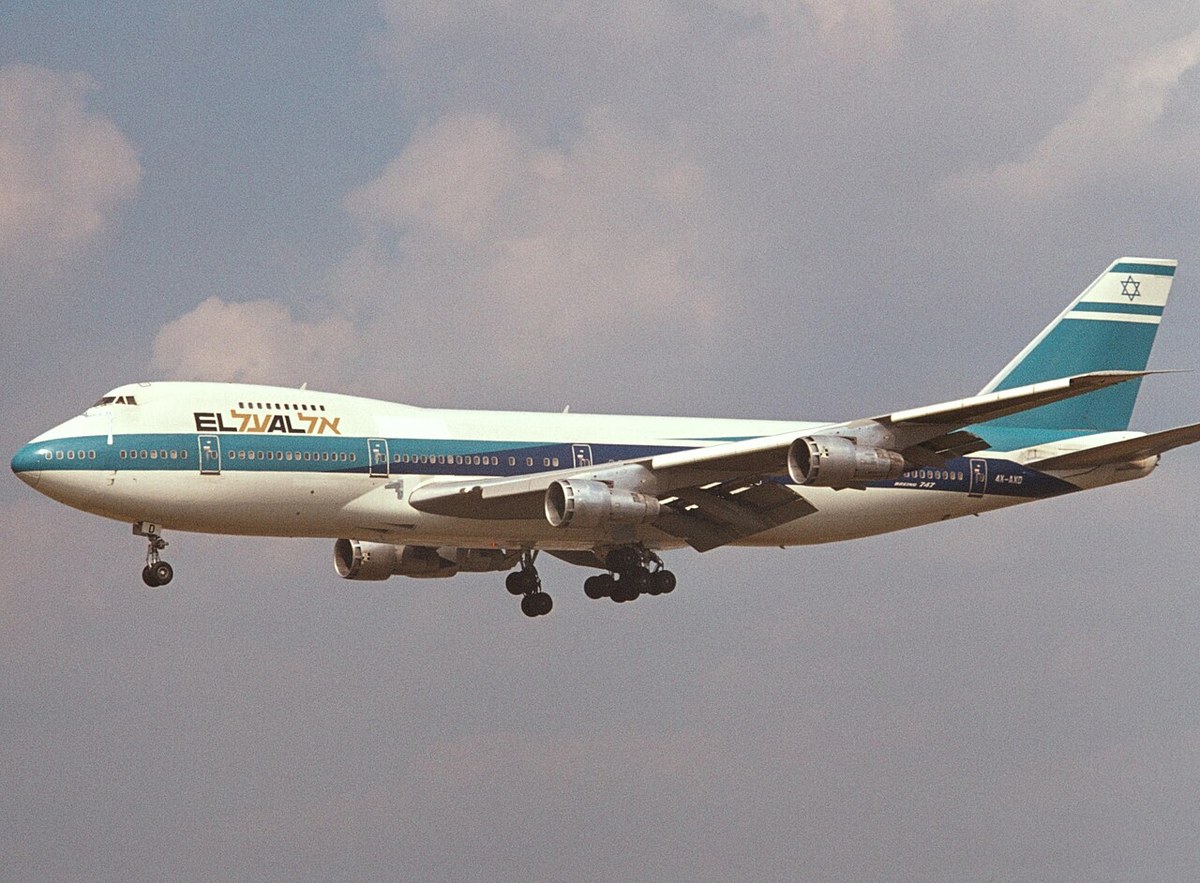
El Al 747 decompression, 1977
An El Al 747 lost cabin pressure over Belgrade in November 1977. Read the documented facts, source limitations and historical context.
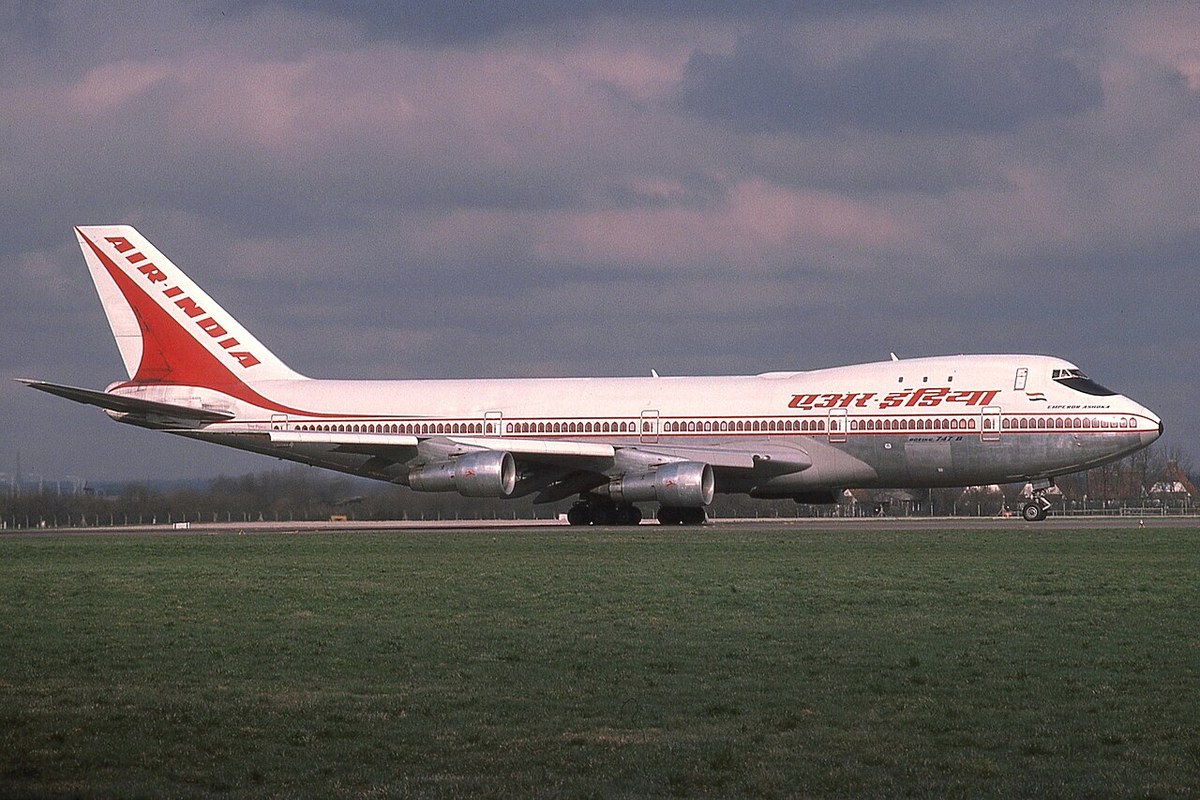
Air India 855, 1 January 1978
A failed attitude indicator disorientated the captain of a 747 over dark sea off Bombay. All 213 aboard died 101 seconds after takeoff.
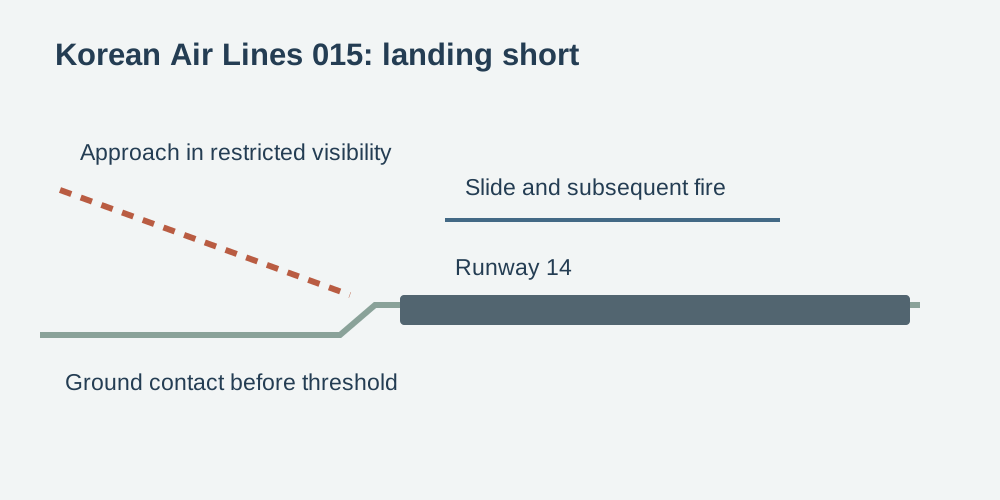
Korean Air Lines Flight 015
Korean Air Lines Flight 015 landed short at Seoul in 1980. Explore the landing and fire, aircraft details and conflicting historical fatality counts.