El Al 1862, Amsterdam, 4 October 1992
Fatigued fuse pins let two engines separate from the wing of an El Al 747 freighter, which crashed into flats in Amsterdam. 47 died, 43 on the ground.
On 4 October 1992, El Al Flight 1862, a Boeing 747-258F freighter, lost both right-wing engines shortly after taking off from Amsterdam Schiphol and crashed into apartment buildings in the Bijlmermeer.
47 people died: three crew and one passenger aboard, and 43 people on the ground.
What happened
Fatigue cracks in the fuse pins attaching the number 3 engine pylon to the wing gave way. The pylon and engine separated — and did so in a way that tore off the number 4 pylon and engine with it.
Fuse pins are meant to work like a mechanical fuse: in a severe event they are designed to fail so the engine departs cleanly, rather than twisting the wing structure and rupturing the fuel tanks. Here they failed from fatigue rather than from an overload, and the departing engine took its outboard neighbour with it.
The damage to the leading edge and the loss of hydraulic systems left the aircraft very difficult to control. Approaching to land, at low speed and with the right wing badly damaged, control was lost.
What changed
Fuse pin inspection. The accident prompted urgent inspections and redesign of engine pylon attachment fittings across the 747 fleet, and much closer attention to fatigue in components whose purpose is to fail in a controlled way.
Freighter loading and documentation. The cargo manifest became a long-running public controversy in the Netherlands, and the handling of information about the load contributed to changes in how dangerous goods on freighters are documented.
It also remains one of the clearest illustrations of a risk unique to freighters: they fly the same routes as airliners but over cities, and their loads are concentrated, heavy and — as National Airlines 102 later showed — dangerous if they are not held down.
Related
Sources
Facts on this page are checked against the primary and institutional references below.
- El Al Flight 1862 final accident report — Netherlands Aviation Safety Board
Related topics
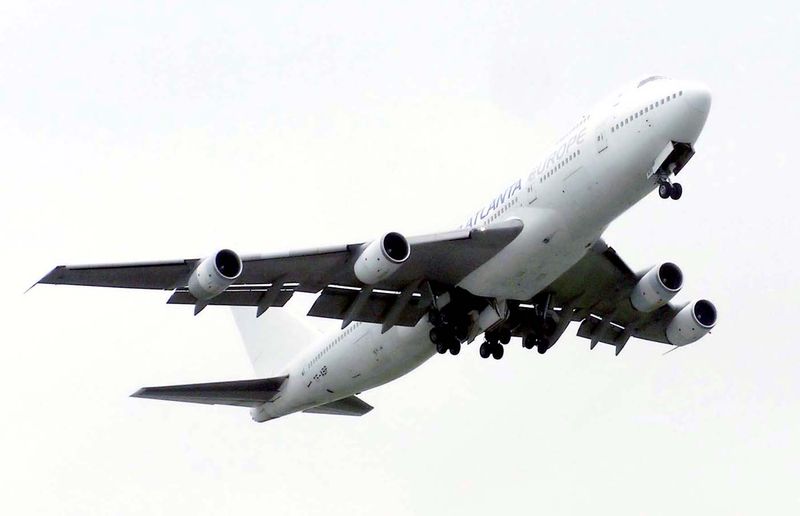
747-200
The 747-200 brought more powerful engines, higher takeoff weights and greater range than the -100, and spawned freighter, combi and convertible models.
747-200B
The 747-200B added fuel capacity and more powerful engines from February 1971, giving a full-load range of roughly 6,857 nautical miles.
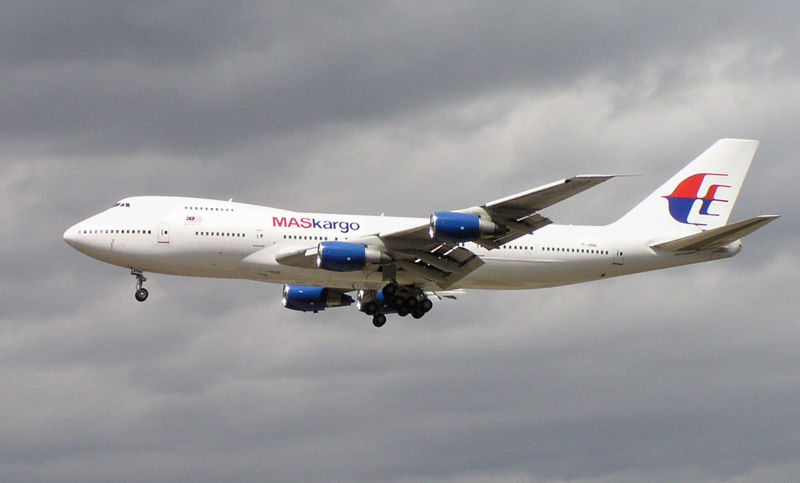
The Boeing 747-200F
Cargo specification for the Boeing 747-200F, listing main-deck and underfloor volumes, LD3 container counts and pallet capacity.
El Al Boeing 747 fleet history
El Al flew 26 Boeing 747s across the -100, -200, -300 and -400, retiring its last passenger 747 in November 2019.
El Al Boeing 747 Seat Maps
El Al's Boeing 747-400 flew two documented cabins — a 408-seat original and a 403-seat refurbishment, both with business class on the upper deck.
Factory freighters vs converted 747 freighters
A factory 747 freighter is built for cargo from the start — nose door, no windows, a short upper deck. A conversion re-engineers a retired passenger 747 instead.
More in Accidents
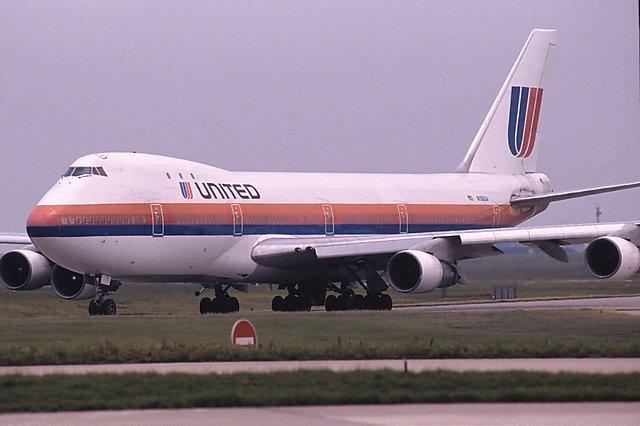
Boeing 747 accidents
The major Boeing 747 accidents, what caused them, and the changes to aviation that followed — from Tenerife to the end of production.
Tenerife, 27 March 1977
Two Boeing 747s collided in fog at Tenerife, killing 583 people. It remains the deadliest accident in aviation history, and it changed how crews talk.
Japan Air Lines 123, 12 August 1985
A faulty repair failed seven years later, destroying the tail and all four hydraulic systems. 520 died; four survived. The deadliest single-aircraft crash.
Pan Am 103, Lockerbie, 21 December 1988
A bomb in the forward hold destroyed a 747 over Lockerbie, killing 259 on board and 11 on the ground, and reshaped aviation security.
TWA 800, 17 July 1996
The centre fuel tank of a 747 exploded shortly after takeoff from New York, killing 230. It led to fuel tank inerting being mandated worldwide.
Air India 855, 1 January 1978
A failed attitude indicator disorientated the captain of a 747 over dark sea off Bombay. All 213 aboard died 101 seconds after takeoff.