Korean Air 8509, Stansted, 22 December 1999
A 747-2B5F rolled into the ground after takeoff from Stansted when the captain's attitude indicator showed wings level. All four crew died.
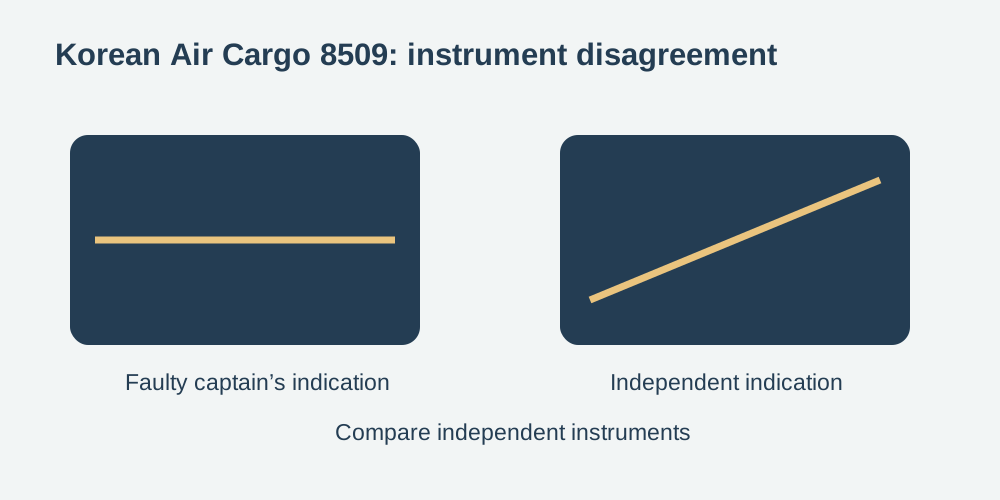
On 22 December 1999, Korean Air Cargo Flight 8509 - a Boeing 747-2B5F, registration HL7451 - rolled into the ground shortly after taking off from London Stansted. All four crew died.
The instrument
The captain's attitude director indicator was being fed faulty roll information by a failed inertial navigation unit. It showed the aircraft wings level while it was in fact banking steeply left.
Taking off into darkness, with no outside horizon to check against, the captain flew the instrument. The aircraft rolled past 90 degrees and struck the ground.
This is the same trap that destroyed Air India 855 in 1978, in almost exactly the same way: a failed attitude reference, a dark departure with no visual horizon, and a captain flying an instrument that was lying to him.
The repair that did not fix it
The fault had already been reported on the inbound sector.
At Stansted, maintenance staff did not have the correct manual. They tested the ADI itself, saw it respond, and concluded the problem was resolved. But the test button they used checked only the ADI, not the inertial navigation unit feeding it - and the INU was the actual fault.
The aircraft was released with the defect intact.
The flight deck
Two other people knew something was wrong.
The first officer's own ADI was working correctly and showed the true bank angle. He did not intervene.
The flight engineer repeatedly called out that the instruments disagreed. He was not heeded.
What changed
The AAIB's recommendations went to crew resource management. It urged Korean Air to update its training and flight quality assurance programmes, and - pointedly - to adapt imported Western CRM training so that it worked within Korean cultural norms rather than against them, because a steep authority gradient on the flight deck had again stopped junior crew from being effective.
That is the same conclusion reached after Korean Air 801 two years earlier. Korean Air subsequently undertook a widely studied safety overhaul, and its record since is entirely different.
Related
Sources
Facts on this page are checked against the primary and institutional references below.
- Korean Air Cargo Flight 8509 aircraft accident report 3/2003 - UK Air Accidents Investigation Branch
Related topics
What Boeing 747 accidents taught aviation
Three patterns run through 747 accidents - fuel-tank safety, crew resource management and improper repairs. Each one changed rules that still govern aviation.
747-200
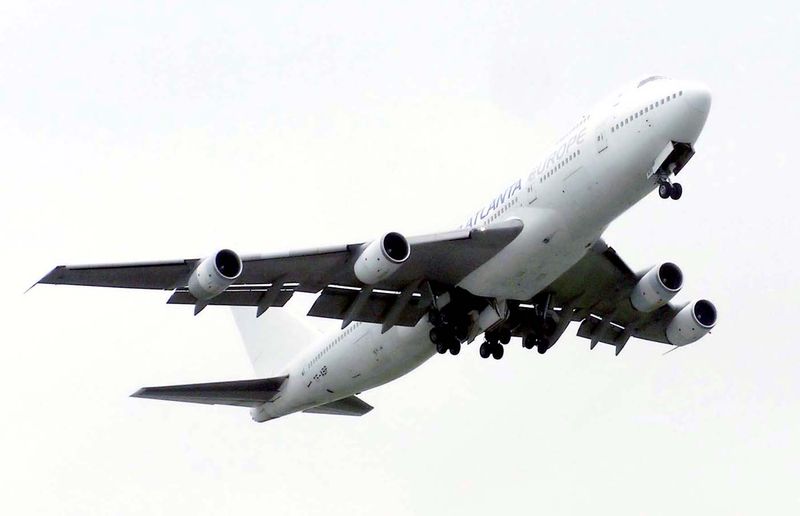
The 747-200 brought more powerful engines, higher takeoff weights and greater range than the -100, and spawned freighter, combi and convertible models.
747-200B
The 747-200B added fuel capacity and more powerful engines from February 1971, giving a full-load range of roughly 6,857 nautical miles.
The Boeing 747-200F
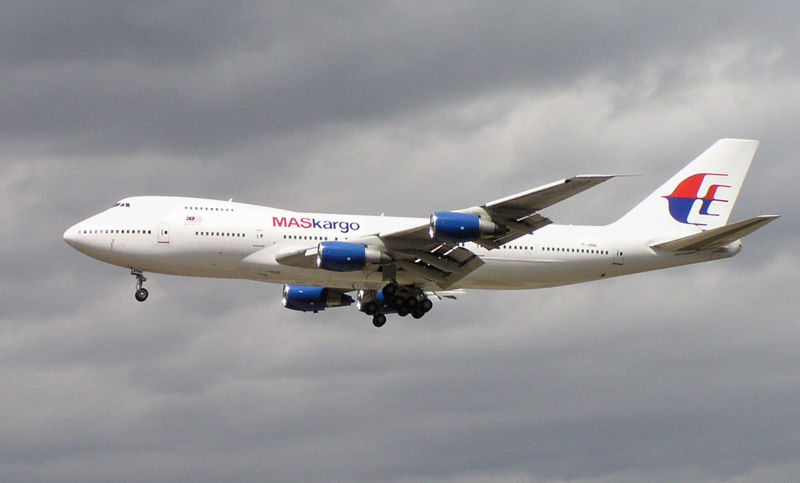
Cargo specification for the Boeing 747-200F, listing main-deck and underfloor volumes, LD3 container counts and pallet capacity.

Active Boeing 747 Fleet Tracker
Track confirmed passenger and cargo Boeing 747 operators with dated fleet counts, primary sources, methodology and downloadable records.
Boeing 747 Airlines: Launch Customers and Retirements
Explore Boeing 747 airline history, from Pan Am and the largest fleets to retirement milestones, with links to current operator evidence.
More in Accidents
Boeing 747 accidents and incidents
Explore 22 Boeing 747 accidents and incidents in date order, with individual accounts, historical images, investigation findings and sources.
Lufthansa Flight 540
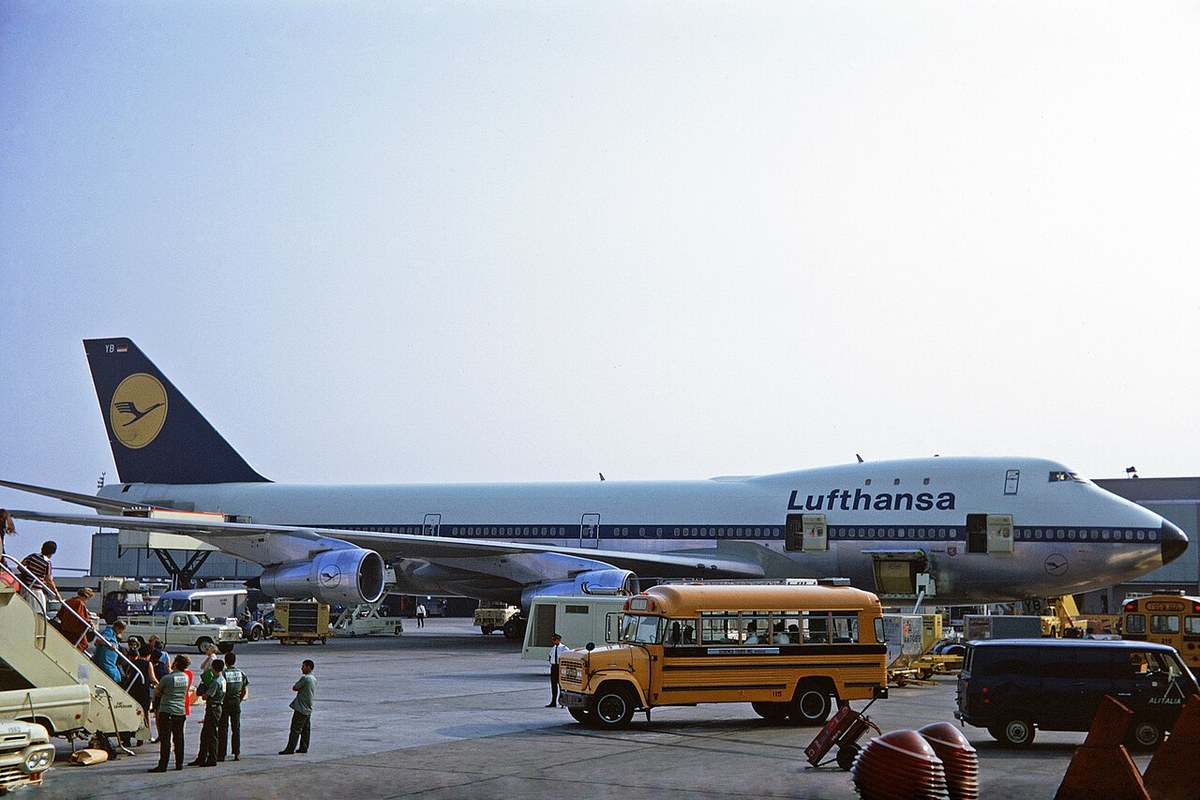
Lufthansa Flight 540 crashed after takeoff at Nairobi in 1974. Read the aircraft details, leading-edge configuration findings and survival figures.
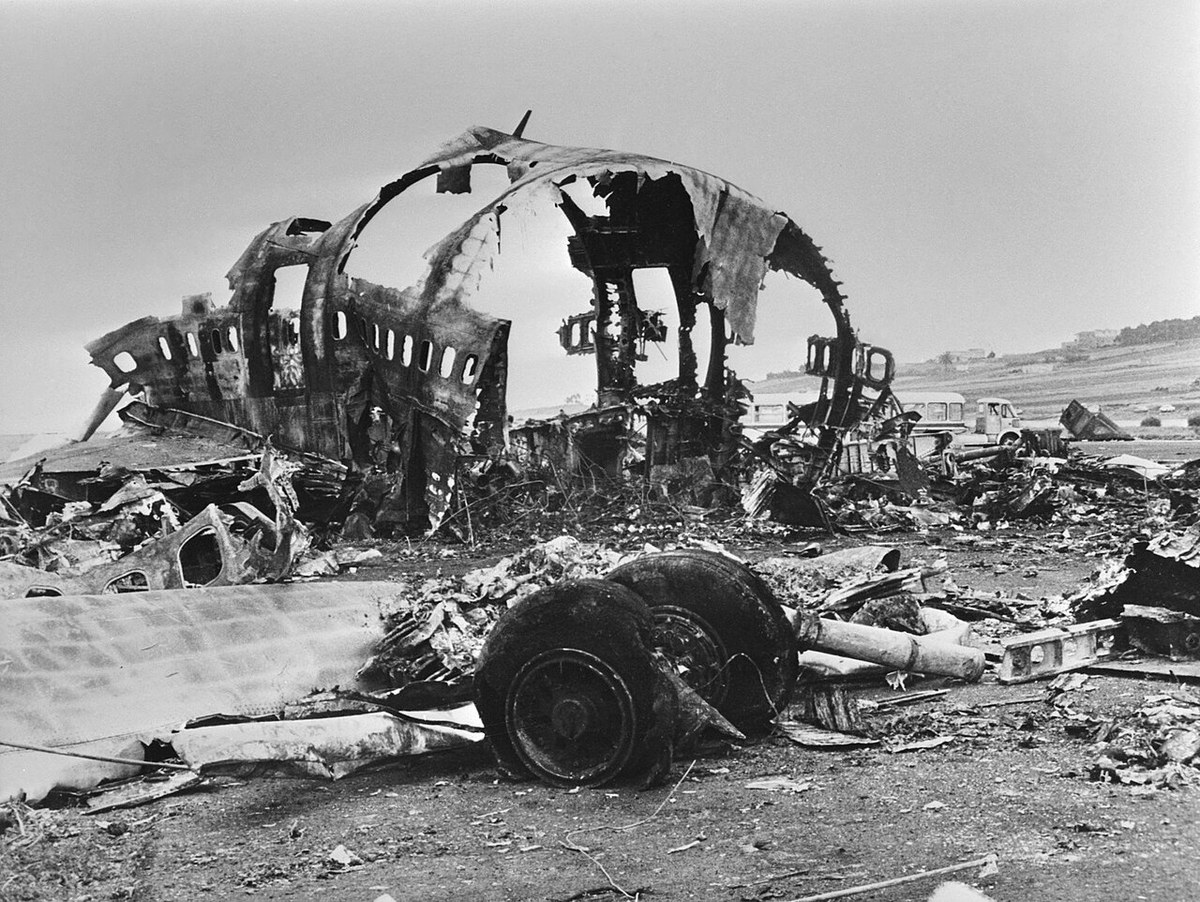
Tenerife, 27 March 1977
Two Boeing 747s collided in fog at Tenerife, killing 583 people. It remains the deadliest accident in aviation history, and it changed how crews talk.
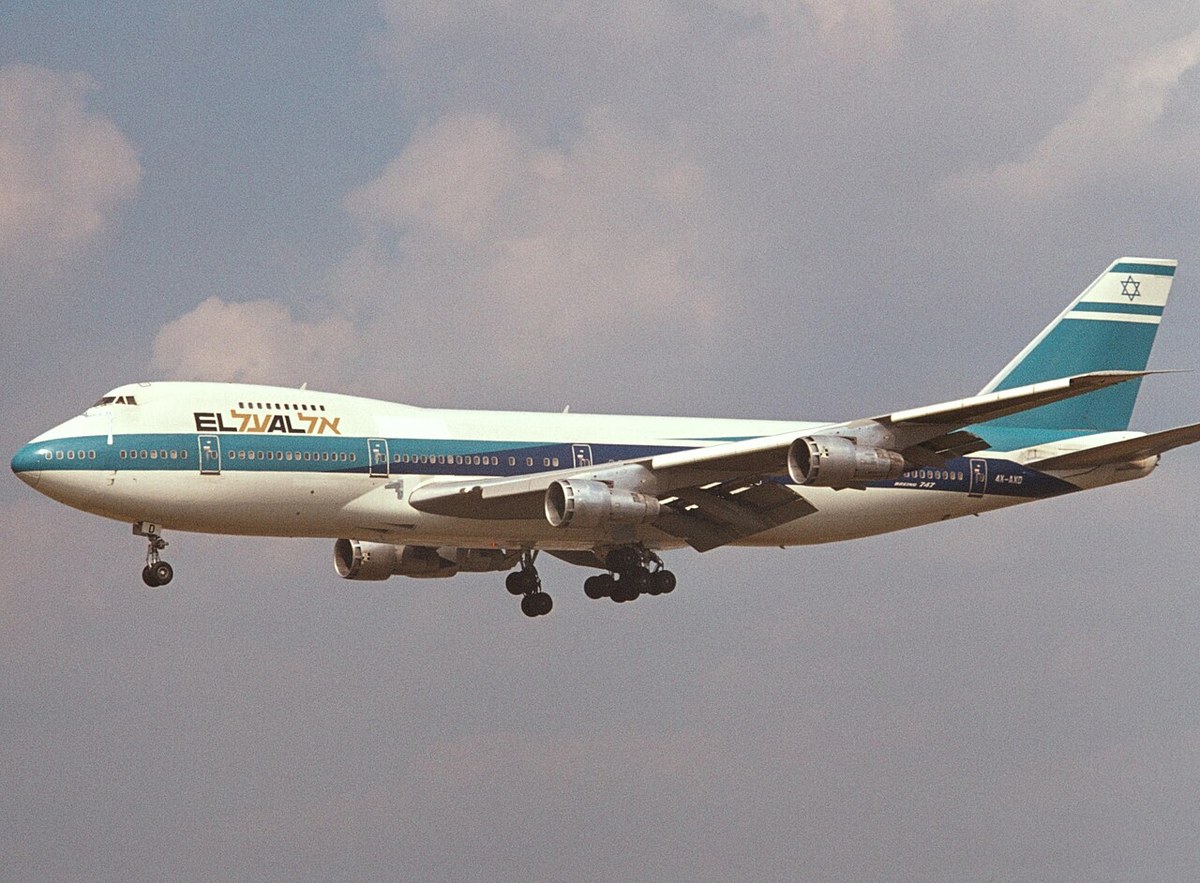
El Al 747 decompression, 1977
An El Al 747 lost cabin pressure over Belgrade in November 1977. Read the documented facts, source limitations and historical context.
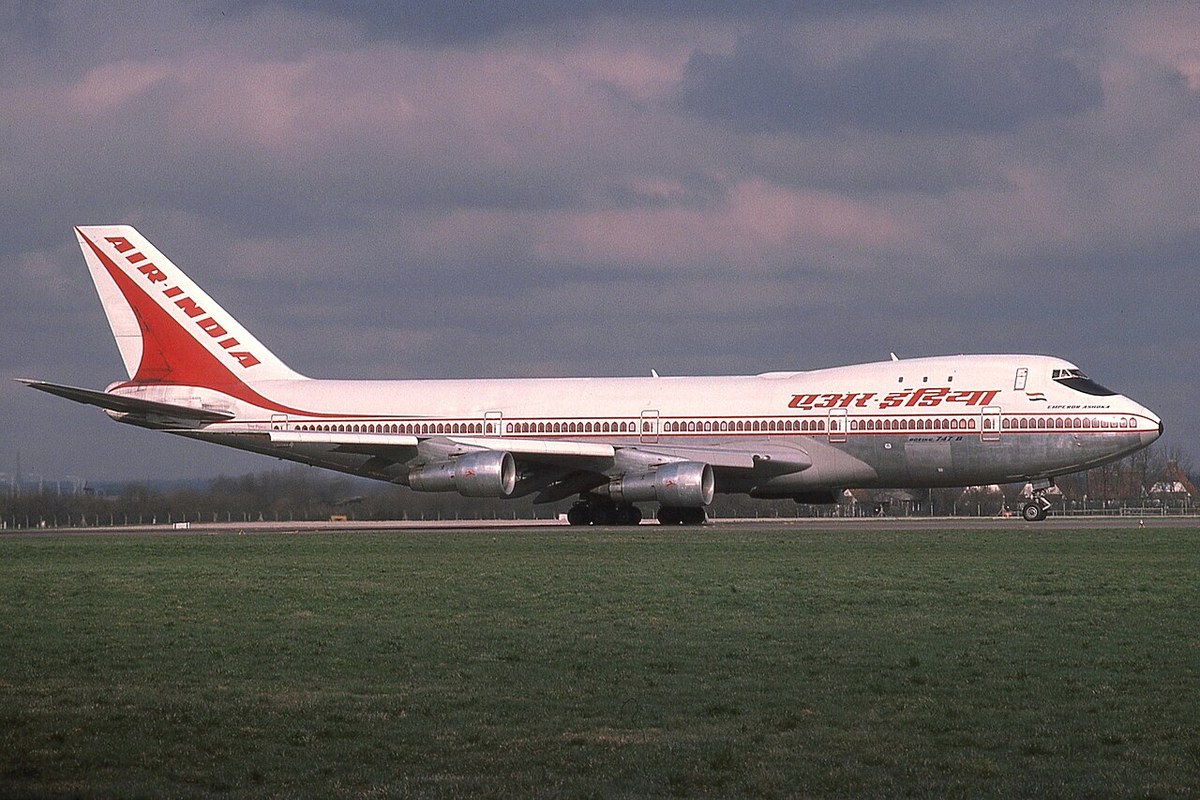
Air India 855, 1 January 1978
A failed attitude indicator disorientated the captain of a 747 over dark sea off Bombay. All 213 aboard died 101 seconds after takeoff.
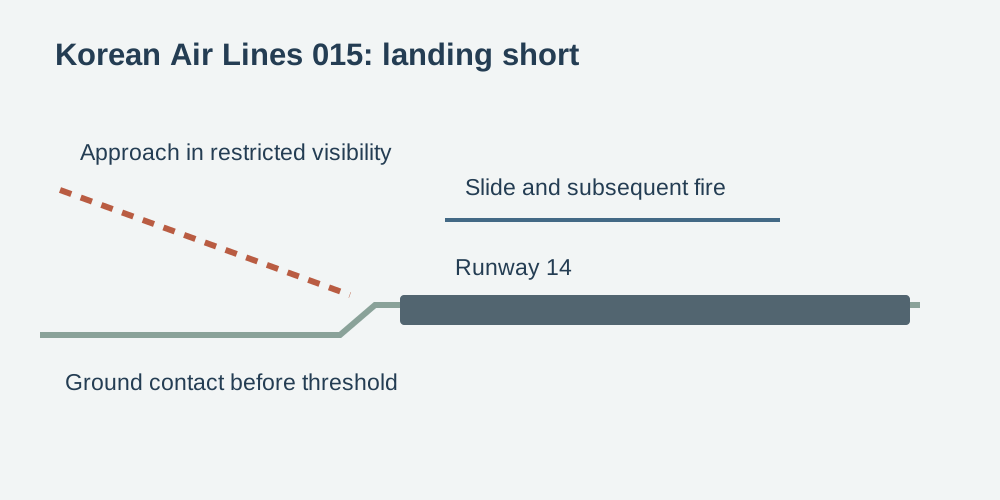
Korean Air Lines Flight 015
Korean Air Lines Flight 015 landed short at Seoul in 1980. Explore the landing and fire, aircraft details and conflicting historical fatality counts.