Iberia
Iberia operated roughly 22 Boeing 747s — -100s, -200s, -300s and two -400s — between 1970 and 2006, using them on its Madrid-based transatlantic and Latin American network.
Iberia was one of the earliest 747 operators in Europe, taking its first aircraft in October 1970 — barely nine months after the type entered service. It flew the 747 for 36 years, retiring its last example in 2006.
A fleet of all four classics
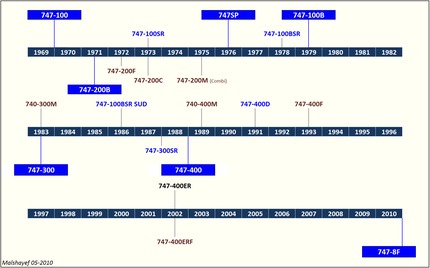
The airline operated roughly 22 jumbos across every classic variant: a handful of 747-100s, the bulk as 747-200s including a Combi, four leased 747-300s, and finally two leased 747-400s. Only about eight of the 22 were ever owned outright; the rest were leased, many from Air Atlanta Icelandic, which is a reminder of how the 747 could be brought into a fleet without the capital cost of buying one.
The 747s served Madrid’s transatlantic and Latin American routes — New York, Buenos Aires, Miami and Mexico City among them — the long, thin sectors where a large aircraft with a big premium cabin made sense.
Named after writers
Every Iberia 747 carried the name of a Spanish literary figure, a convention the airline applied across the type. The first was Cervantes. It was an Iberia 747 that carried Picasso’s Guernica back to Spain from New York in 1981, a homecoming for the painting after decades abroad.
The end
The last two Iberia 747s, both leased -400s, left the fleet around July 2006. Iberia replaced them with the Airbus A340 and A330 on the same routes. No Iberia 747 was lost in an accident, and none was preserved.
Related
Sources
Facts on this page are checked against the primary and institutional references below.
- What happened to Iberia's Boeing 747s? — Simple Flying
- Historic aircraft — Boeing B-747 — Iberia
- Iberia — Wikipedia
Related topics
Boeing 747 Family
Every Boeing 747 variant built between 1968 and 2023 — the 747-100, -200, -300, -400 and 747-8, with freighter, combi and short-range models explained.
Boeing 747 Fuel System
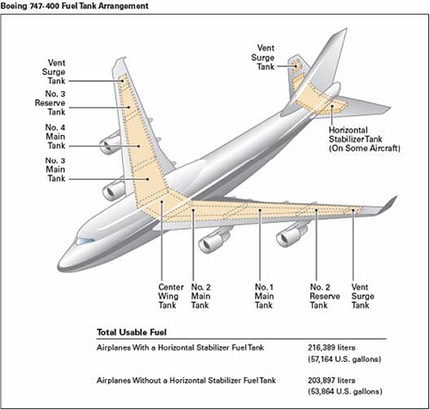
Detailed Boeing 747 fuel system guide covering tank layout, pumps, transfer, crossfeed, refuelling, jettison, safety and every major 747 variant.
Boeing 747 Production Data
Download Boeing 747 production totals by generation, with a transparent method and links to Boeing's final programme record and technical documents.
Saudia Boeing 747 Seat Maps
Saudia's Boeing 747-300 seated 424 with the entire upper deck as economy, while its later 747-400s carried 434 in business and economy.
Boeing 747 specifications compared
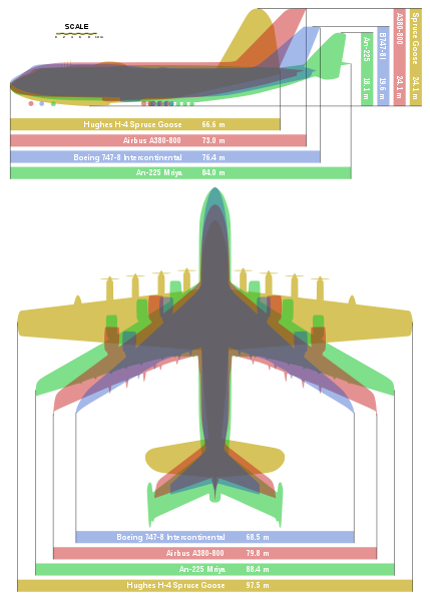
Every Boeing 747 variant side by side — length, wingspan, weights, capacity, range, cruise speed and engines, with sources noted.
Air India Boeing 747 Seat Maps
Air India's Boeing 747-400 kept a 423-seat layout for nearly three decades, with the entire upper deck given over to business class.
More in Airlines
Airlines that flew the 747
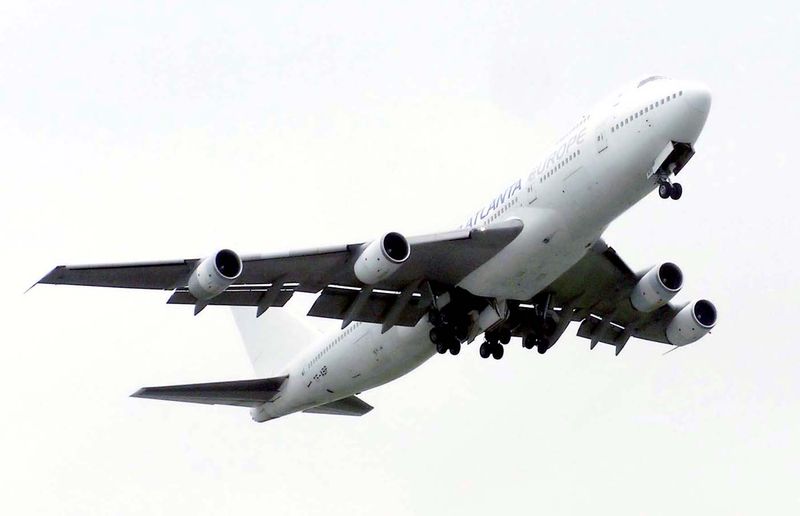
Every major Boeing 747 operator — the launch customer, the biggest fleets ever flown, who still flies the 747 in 2026, and when the rest said goodbye.
Active Boeing 747 Fleet Tracker
A dated, source-backed tracker of airlines still operating passenger and cargo Boeing 747s, using the latest official fleet disclosures available.
Pan American World Airways
The airline that ordered the 747 into existence, flew the first service in 1970, took 65 aircraft, and was gone by 1991.
Japan Airlines
The largest 747 operator in history at 108 aircraft, and the airline Boeing built three special high-density variants for.
British Airways
94 Boeing 747s, the largest 747-400 fleet in the world, and a retirement brought forward four years by COVID-19.
Singapore Airlines
93 Boeing 747s, the Megatop 747-400s, and a retirement in 2012 in favour of the 777 and A380.