Jumbo myths lab
Some of the most ordinary parts of flight look extraordinary when the aircraft is this large. Move the controls to explore a flexible wing, steering gear and the difference between thrust and lift.
08 / Jumbo myths lab
Move a control. Test an idea.
Explore three things that look surprising from the cabin window: bending wings, turning wheels and flight without full engine thrust.
“A bending wing must be weak.”
Elastic wings change shape under load.
Structures can be both strong and flexible. Aerodynamic loads bend and twist a wing; designers account for this interaction. Bending alone is not evidence of a damaged wing. This visual does not assess the condition of a real aircraft.
“Only the nose wheels steer a 747.”
The body landing gear assists tighter turns. Boeing’s airport-planning diagram shows maximum nose steering of 70° and body steering of 13°, with body gear straight through the first 20° of nose steering. Wing gear stays aligned.
The animation interpolates between those endpoints to explain the idea; it is not the actual steering control law or a taxiing instruction.
“Lose thrust and the aircraft falls straight down.”
Thrust helps overcome drag.
Lift depends on airflow and the aircraft’s configuration. With no engine thrust, a controlled glide trades altitude for the energy needed to overcome drag. Losing one engine is different from losing all thrust, and does not automatically mean level flight is impossible.
This is a general flight principle, not a 747 engine-out performance calculator. Actual capability depends on weight, altitude, configuration, conditions and the applicable procedures.
Read the diagrams as explanations
The wing bends by an illustrative amount; it is not a prediction of 747 deflection. The steering model uses Boeing's 747-400 airport-planning endpoints and a simplified interpolation between them. The flight-path sketch shows an energy principle rather than engine-out capability.
Questions lead to better models
A wing can be flexible and strong. Body-gear steering helps a large aircraft negotiate tighter ground turns. Engines supply thrust, while lift depends on airflow and configuration. Those statements explain the animations, but none replaces aircraft-specific performance data or operating procedures.
Explore the interactive cockpit and aircraft cutaway for more systems context.
Sources
Facts on this page are checked against the primary and institutional references below.
- 747-400 airplane characteristics for airport planning - Boeing
- Four forces on an airplane - NASA
- Airplane flexibility - NASA / NACA
- Flight-performance lessons from N160US - FAA
Related topics
What Boeing supplied, and what the airline chose
Almost everything inside a 747-400 cabin was buyer-furnished and fitted under STC, which is why approved cabin modifications run to dozens.
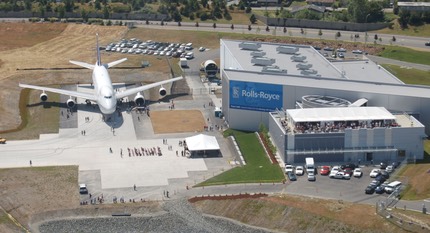
The 747 as a flying testbed
General Electric, Rolls-Royce and Pratt & Whitney all fly engines on 747s - because a four-engined aircraft can carry a strange engine safely.
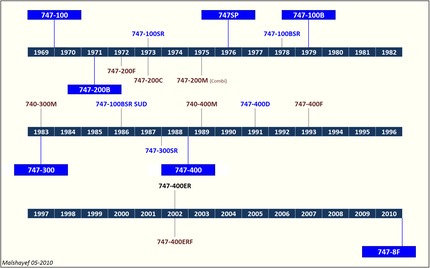
747 Timeline
A Boeing 747 chronology from the 1963 design study to the final delivery in January 2023, with rollout, first flight and delivery dates.
About Alykhan Virani
Meet Alykhan Virani, the Boeing 747 enthusiast who researches, writes and reviews the independent reference pages on Boeing-747.com.
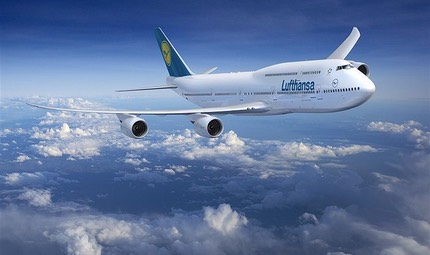
Active Boeing 747 Fleet Tracker
Track confirmed passenger and cargo Boeing 747 operators with dated fleet counts, primary sources, methodology and downloadable records.
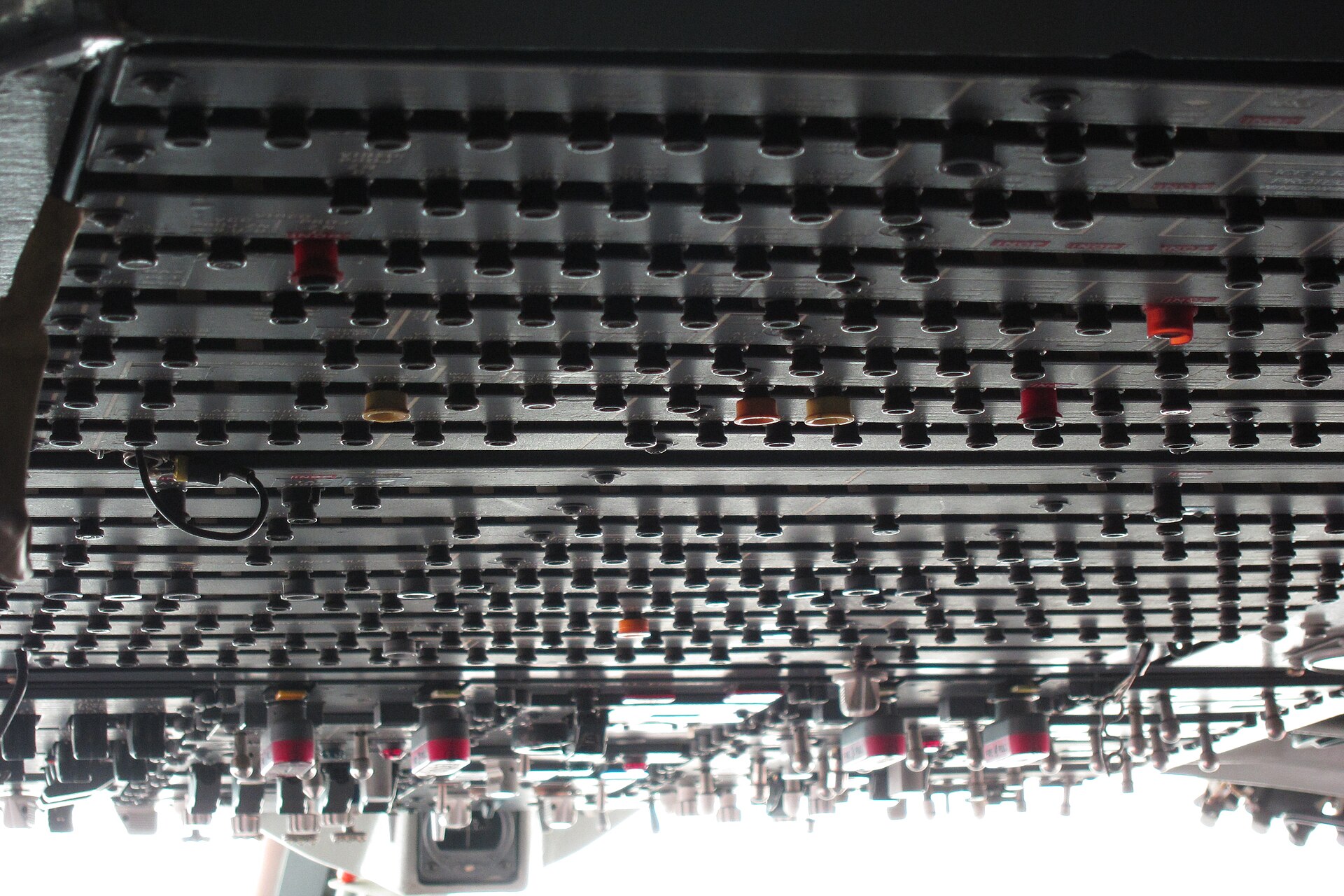
When the 747 tells the crew something is wrong
Master caution, TCAS, GPWS and windshear alerting - how the 747 warns the crew, and what each warning actually means.
More in Features
Features
Explore Boeing 747 stories and interactive tools, including a livery designer, cargo game, cockpit displays, engine audio, spotting guides and memories.
Explore the Boeing 747
Design a 747 livery, load a freighter, explore cockpit instruments, find flights and spotting locations, hear engines and share aircraft memories.
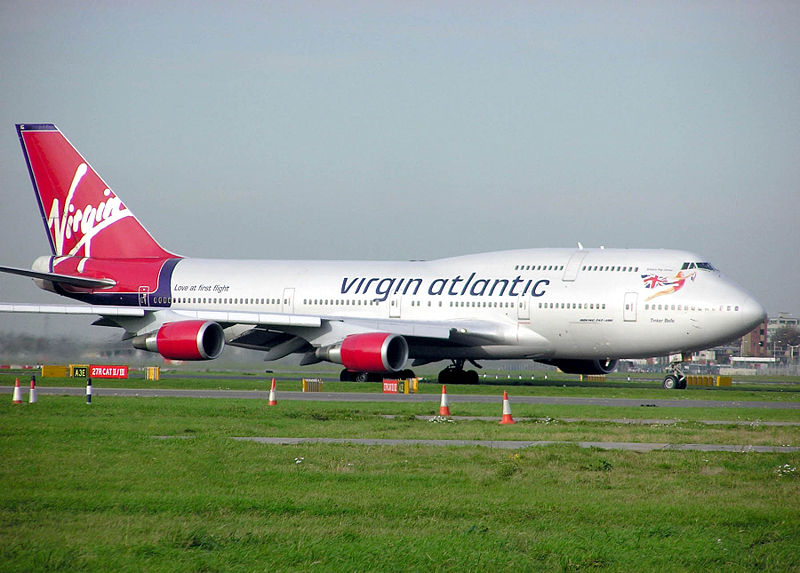
How to Identify Boeing 747 Variants
Identify Boeing 747 variants from photographs using upper-deck length, wingtip shape, fuselage length, engine nacelles and freighter doors.
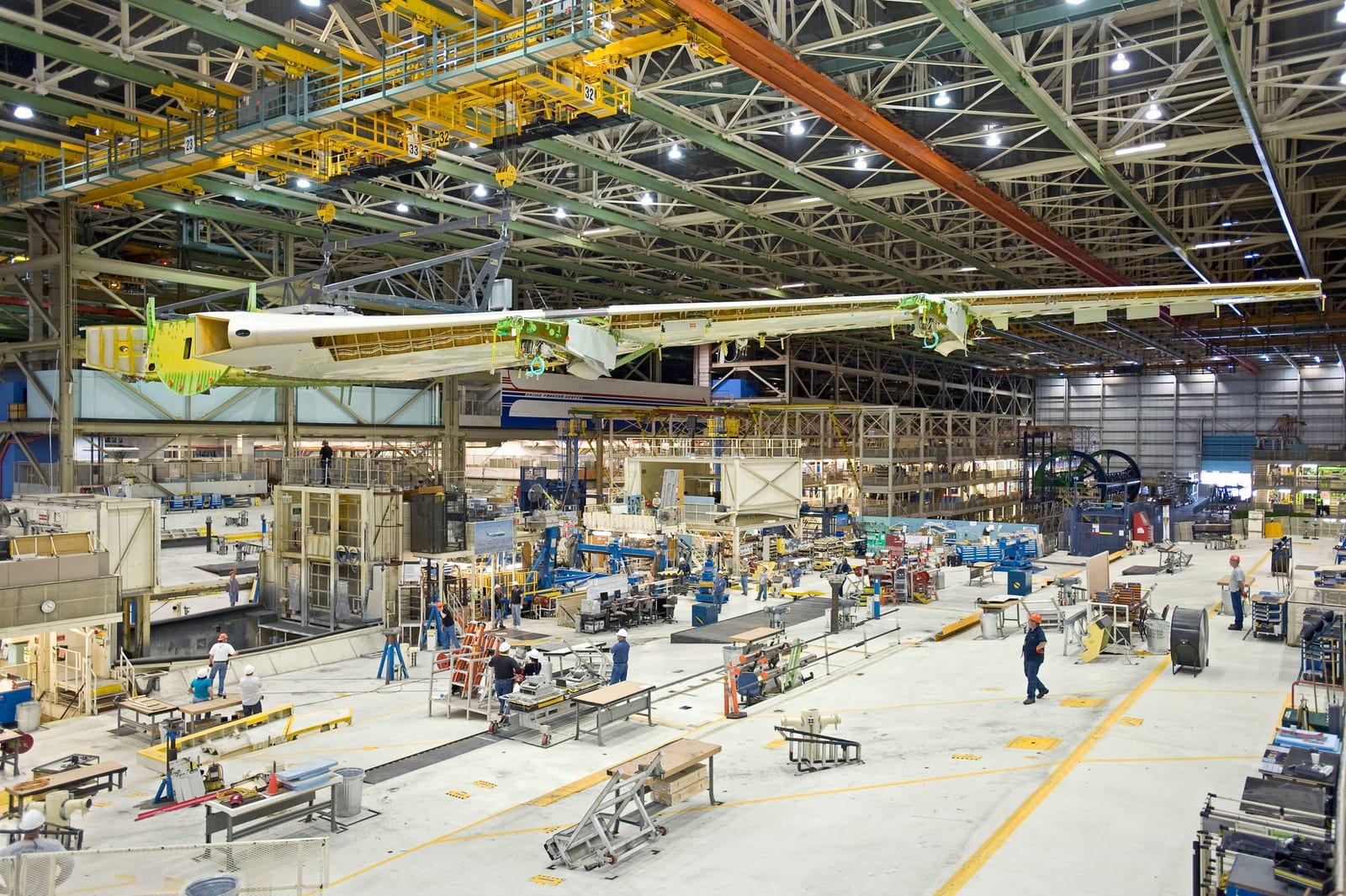
The building that had to be built first
Boeing had no building big enough for the 747, so it built the largest building in the world by volume - and assembled the aeroplane while it was going up.
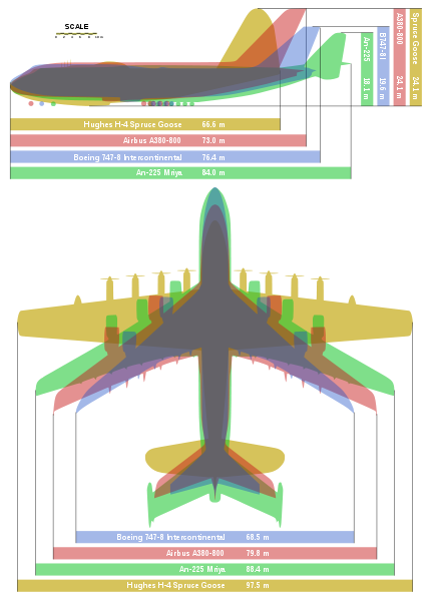
747 versus A380
The two largest airliners ever built, compared - size, capacity, economics, and why both are now out of production.
Where Can You Still Fly on a Boeing 747?
Find reported passenger Boeing 747 routes, check schedule dates and aircraft changes, and browse airline seat maps before choosing a flight.