Colour your airline
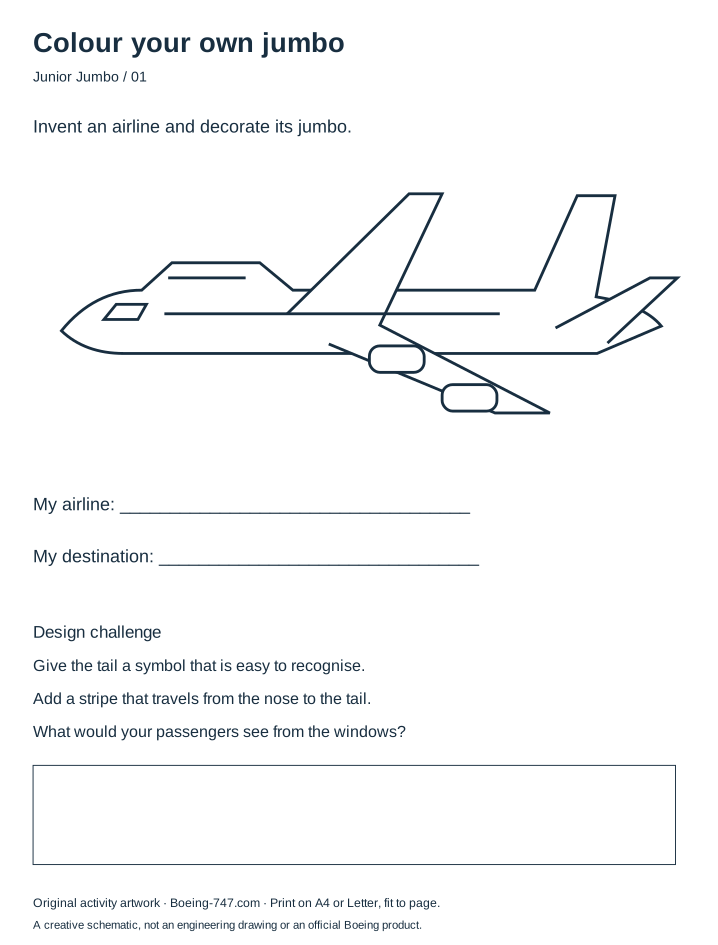
Invent a name, a tail symbol and a destination.
Download colouring sheetA giant aircraft is a good place to start asking questions. These activities combine making, observing and explaining, with printable sheets for time away from a screen.
06 / Junior Jumbo
Colour a jumbo, build a tabletop model and discover how a simple fold can make paper stronger.
Invent a name, a tail symbol and a destination.
Download colouring sheet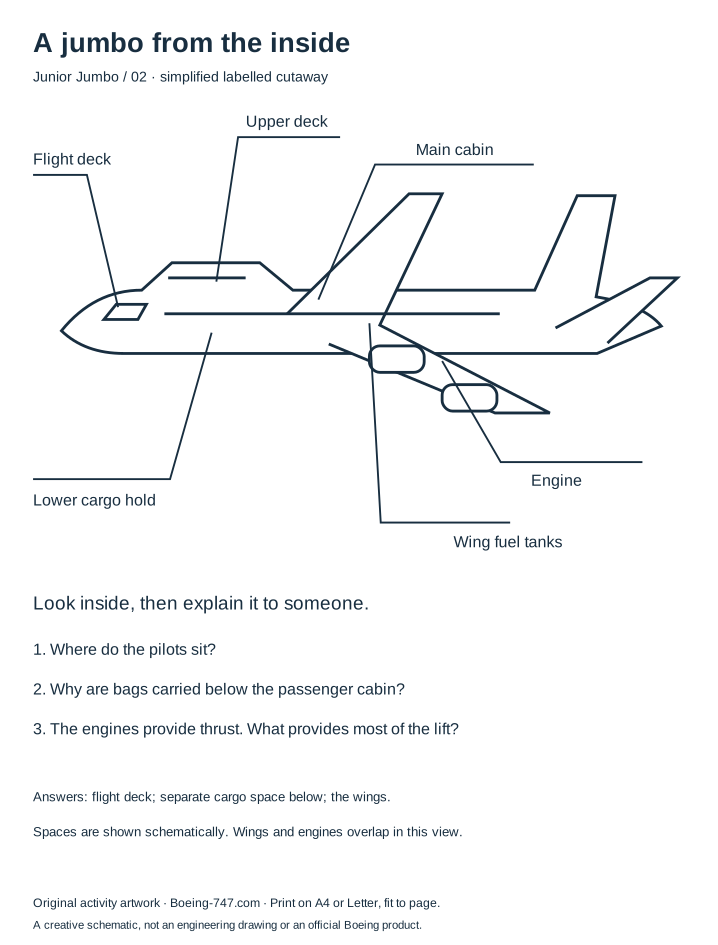
Find the people, bags and fuel inside the aircraft.
Download cutaway sheet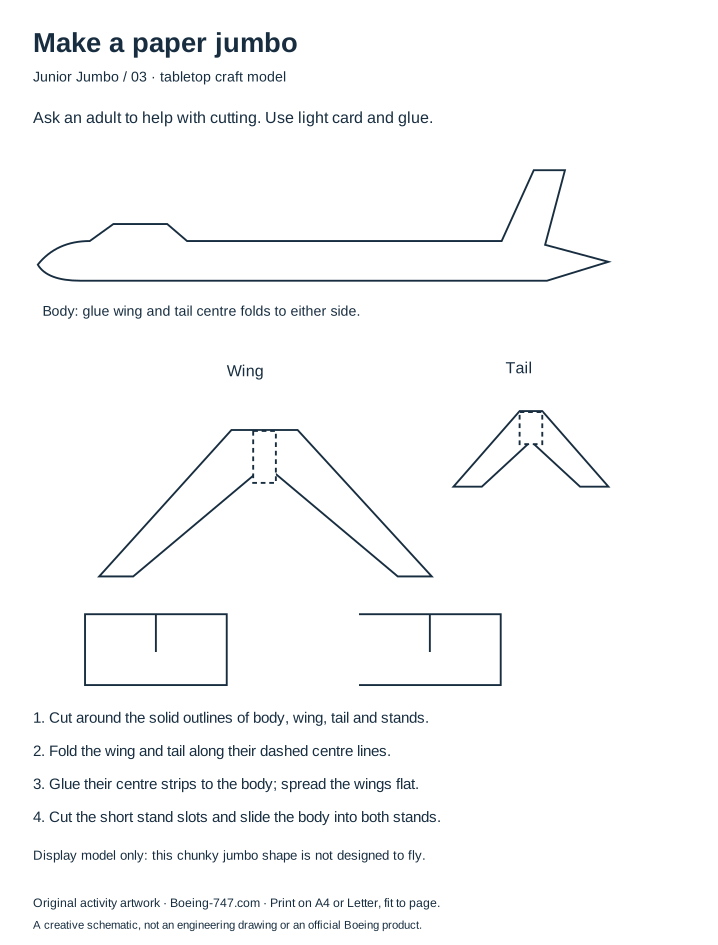
Use light card, scissors and glue. Ask an adult to help cut out the parts. This is a display model, not a flying glider.
Download model templateYou need two books, two equal sheets of paper and a few identical coins.
Prediction: which shape will hold more coins?
Record both results after your experiment.
Keep paper, gap and coin size the same. The experiment explores structural shape, not aerodynamic lift. Keep coins away from small children.
Print the downloaded SVG sheets from a browser at “fit to page” on A4 or Letter. The illustrations are original simplified drawings.
What gives the 747 most of its lift?
The colouring sheet is open-ended. The cutaway introduces the aircraft's main spaces. The paper model is a tabletop craft requiring scissors, glue and adult help. All three downloads use original simplified artwork and fit either A4 or Letter paper when printed from a browser.
The paper experiment changes one thing: the sheet's shape. Keep the paper, gap between the books and coins the same. Count what happens rather than aiming for a particular score. If the result surprises you, repeat it and compare. Folded paper explores structural stiffness; it does not demonstrate how a wing creates lift.
NASA's explanation of the four forces is a useful next step for older children. The myths lab adds moving diagrams of flexibility, steering and flight.
Facts on this page are checked against the primary and institutional references below.
Almost everything inside a 747-400 cabin was buyer-furnished and fitted under STC, which is why approved cabin modifications run to dozens.
General Electric, Rolls-Royce and Pratt & Whitney all fly engines on 747s - because a four-engined aircraft can carry a strange engine safely.
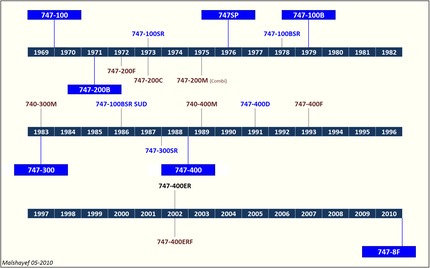
A Boeing 747 chronology from the 1963 design study to the final delivery in January 2023, with rollout, first flight and delivery dates.
Meet Alykhan Virani, the Boeing 747 enthusiast who researches, writes and reviews the independent reference pages on Boeing-747.com.
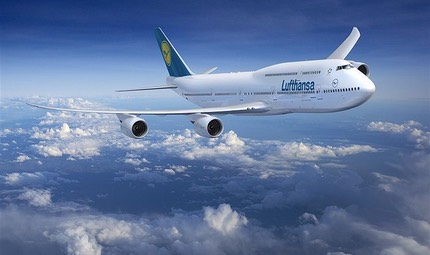
Track confirmed passenger and cargo Boeing 747 operators with dated fleet counts, primary sources, methodology and downloadable records.
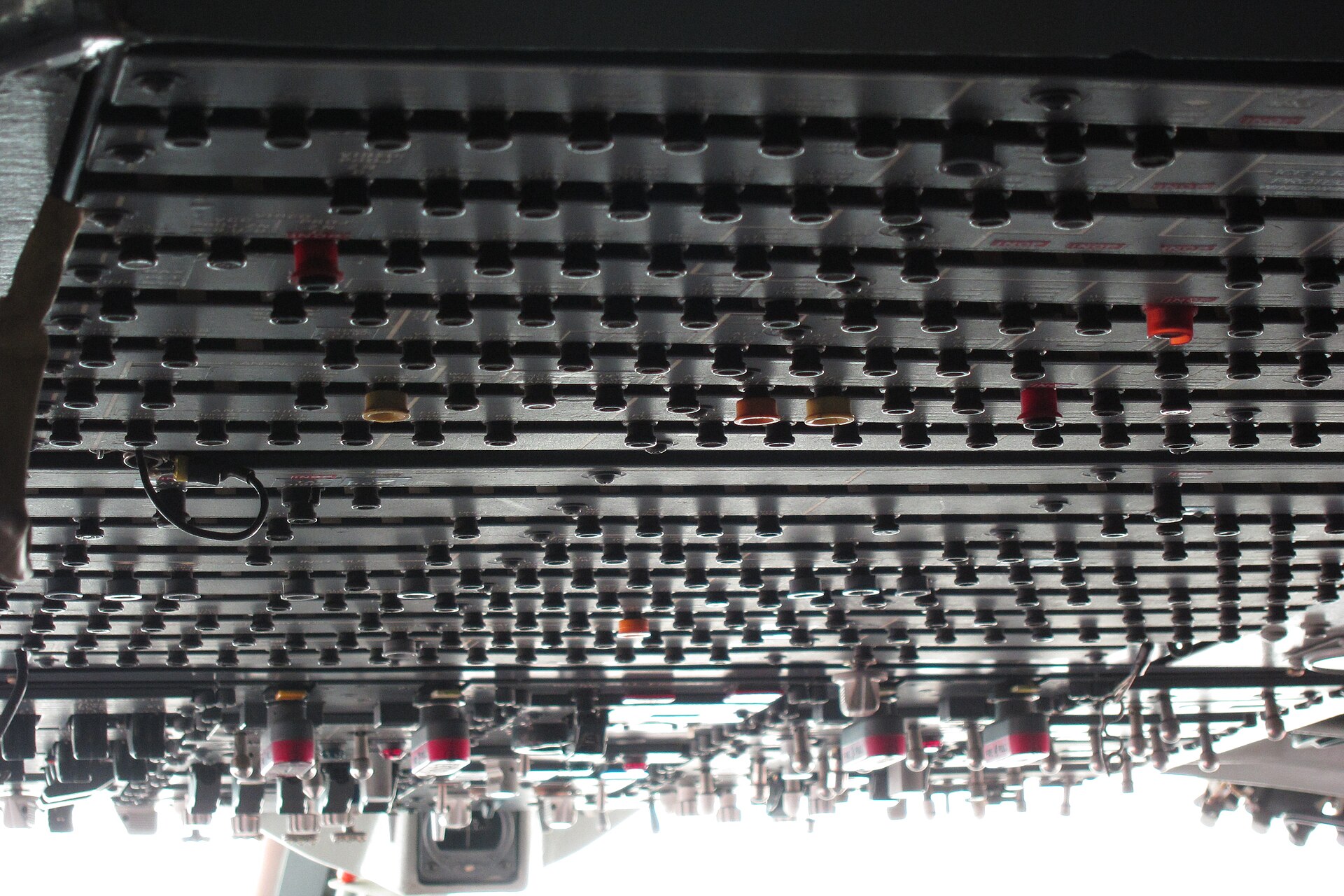
Master caution, TCAS, GPWS and windshear alerting - how the 747 warns the crew, and what each warning actually means.
Explore Boeing 747 stories and interactive tools, including a livery designer, cargo game, cockpit displays, engine audio, spotting guides and memories.
Design a 747 livery, load a freighter, explore cockpit instruments, find flights and spotting locations, hear engines and share aircraft memories.
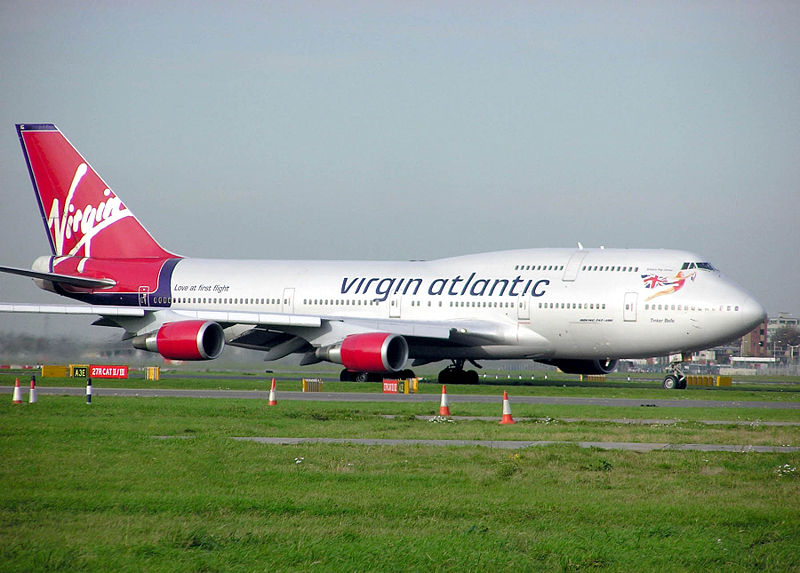
Identify Boeing 747 variants from photographs using upper-deck length, wingtip shape, fuselage length, engine nacelles and freighter doors.
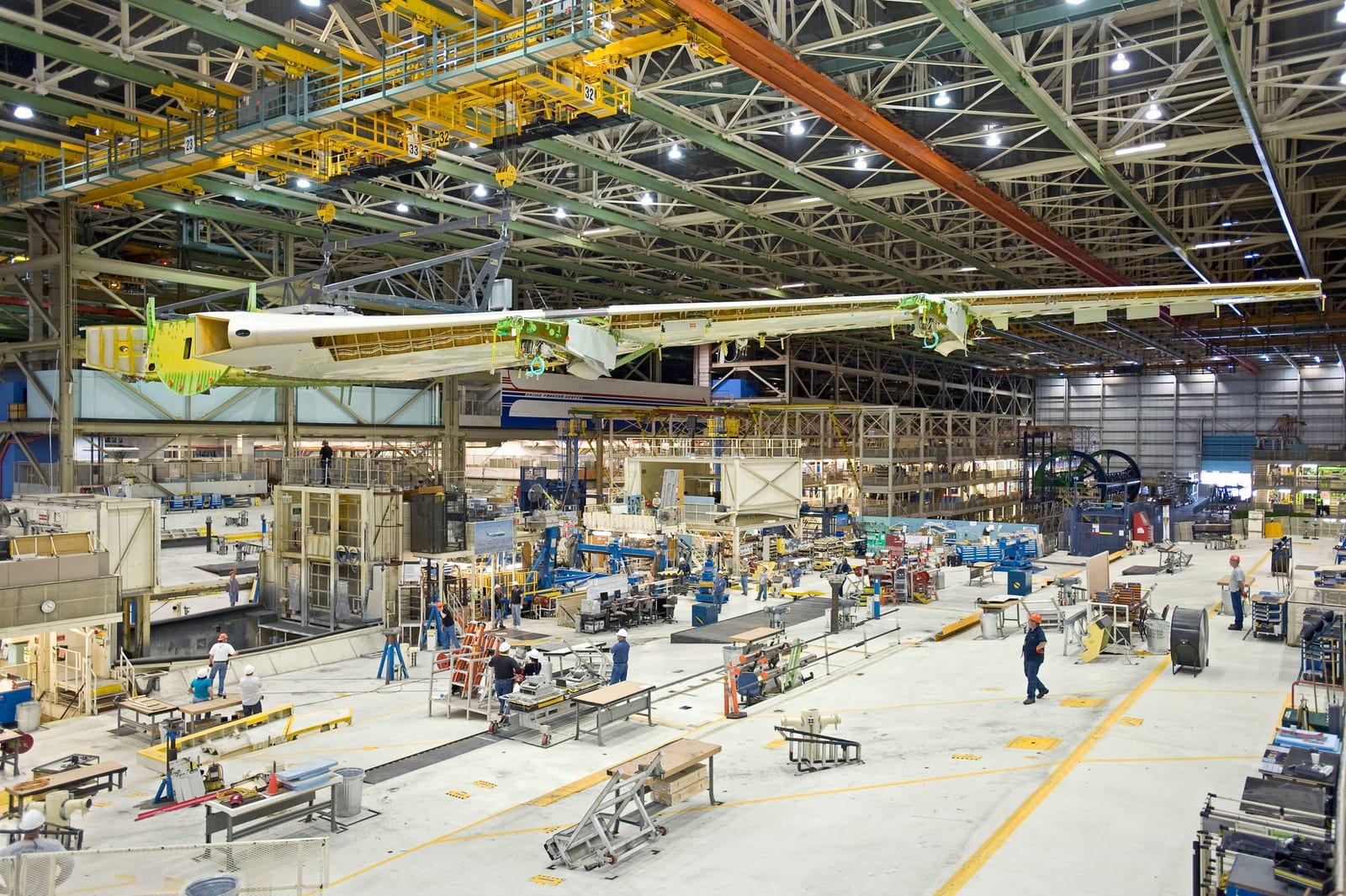
Boeing had no building big enough for the 747, so it built the largest building in the world by volume - and assembled the aeroplane while it was going up.
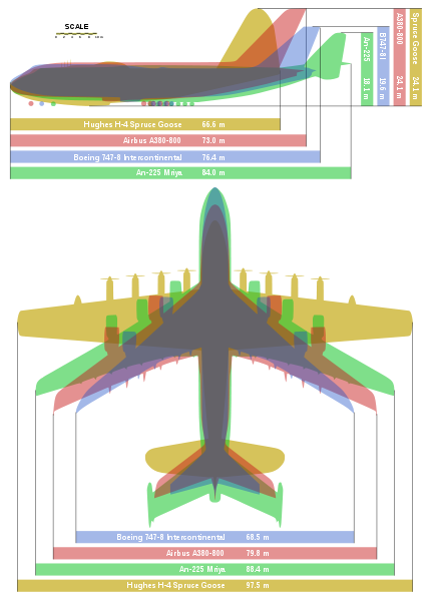
The two largest airliners ever built, compared - size, capacity, economics, and why both are now out of production.
Find reported passenger Boeing 747 routes, check schedule dates and aircraft changes, and browse airline seat maps before choosing a flight.