Load a Boeing 747 freighter
Three cargo-loading puzzles use a clearly simplified deck to teach door choice, space, weight allowance and the effect of moving cargo fore, aft and between sides.
The 747 freighter's raised flight deck leaves room for a cargo door in the nose. Pallets can also enter through the main-deck side door. Choosing the opening is only the start: the load must fit, stay within its weight allowances and be distributed appropriately.
Can you fit and balance the load?
Teaching model: 12 positions, a fictional 12-tonne cargo allowance and 4-tonne limit per position. The real 747-400F has layouts with 30 main-deck pallet positions. This puzzle uses invented balance zones and excludes aircraft weight, fuel, floor limits, restraint and operational loading procedures.
Load all four pallets. Keep heavy pieces spread fore and aft, and balance left against right.
Cargo waiting to load
Select a cargo card, then select an empty position. You can also drag a card onto the deck. Select an occupied position to unload it.
Nose door · forward
Aft · tail
Side door
What the real aircraft can carry
Boeing's 747-400F cargo-arrangement sheet shows 30 main-deck positions for 96 × 125-inch pallets, approximately 2.44 × 3.18 metres. Its door chart gives a main-deck side opening approximately 3.40 metres wide and 3.12 metres high, while the nose opening has a shaped clearance profile. The actual cargo contour and the ability to manoeuvre a load matter as well as the nominal opening.
The nose door provides a straight route for certain long items. A side opening may require the cargo to turn after entering. Passenger-to-freighter conversions differ: the 747-400BCF uses side-door loading rather than the factory freighter's nose door.
About the puzzle model
The game compresses the deck into twelve marked positions. Its 12-tonne total allowance, 4-tonne position allowance and balance zones are invented teaching rules. The balance calculation considers the cargo pieces alone and shares a long crate's weight equally between its two positions. Real calculations include the empty aircraft, fuel, lower-deck load, restraint, position-specific floor limits and approved weight-and-balance data.
Try moving a heavy pallet from the front to the rear and watching the feedback change. The long-crate exercise treats the nose door as its permitted entrance; it is an illustrative turning problem rather than a measured cargo-clearance calculation.
Explore the 747-400F, 747 freighter specifications and how the 747's systems work.
Sources
Facts on this page are checked against the primary and institutional references below.
Related topics
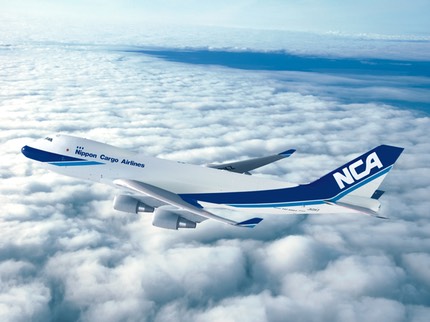
747-400F
The all-freight 747-400F used the 747-200F fuselage. It first flew in May 1993 and entered service with Cargolux that November.
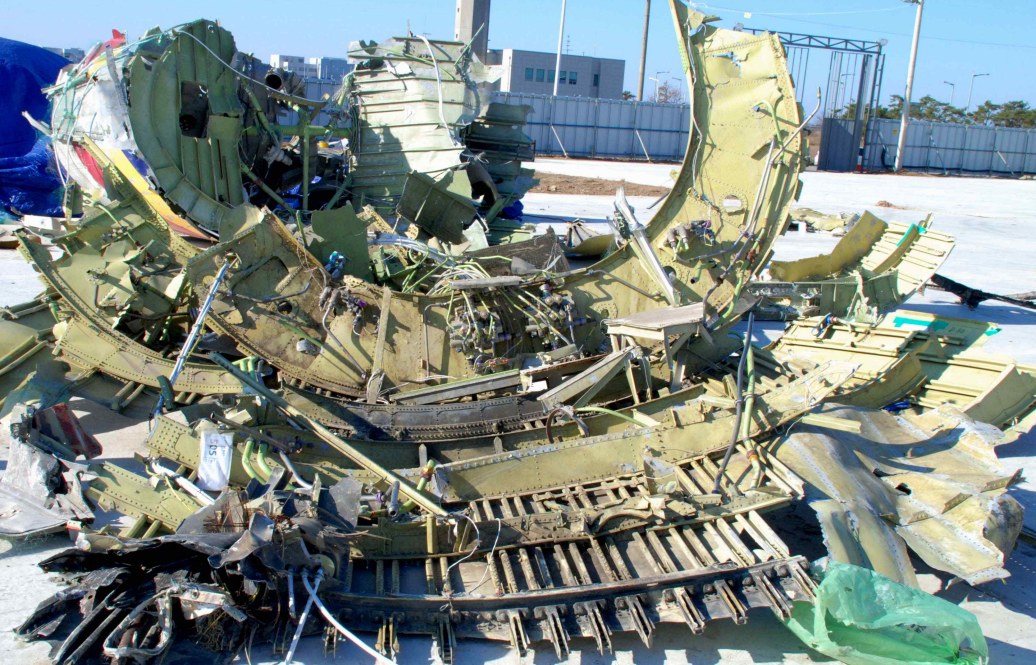
Asiana 991, 28 July 2011
A 747 freighter was destroyed by an in-flight cargo fire in 18 minutes, helping to force new rules on carrying lithium batteries by air.
Atlas Air
The largest 747 fleet in the world, and the airline that took delivery of the very last 747 ever built.
Boeing 747 Freighter Specifications
Compare Boeing 747-400F, 747-400ERF and 747-8F weights, structural payload, fuel and cargo volumes using identified Boeing planning configurations.

Inside the 747-8 Freighter
The 747-8F is 18.4 ft longer than the 747-400F, carries 16 percent more revenue cargo volume, and keeps the nose door that defines the 747 freighter.
The Boeing C-33
A proposed military 747-400 freighter meant to supplement the C-17 fleet. Congress studied it, then bought more C-17s instead.
More in Features
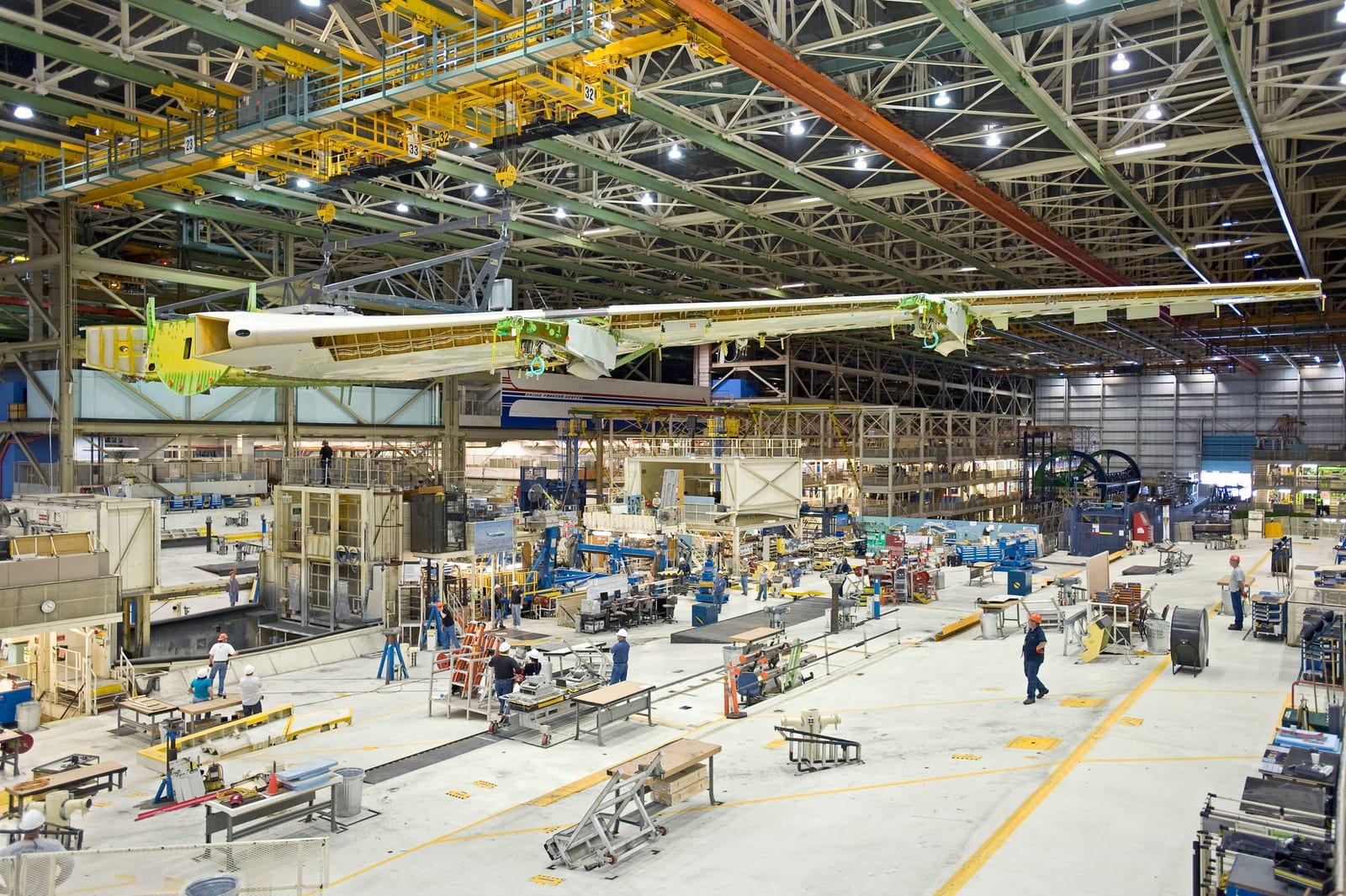
Features
Explore Boeing 747 stories and interactive tools, including a livery designer, cargo game, cockpit displays, engine audio, spotting guides and memories.
Explore the Boeing 747
Design a 747 livery, load a freighter, explore cockpit instruments, find flights and spotting locations, hear engines and share aircraft memories.
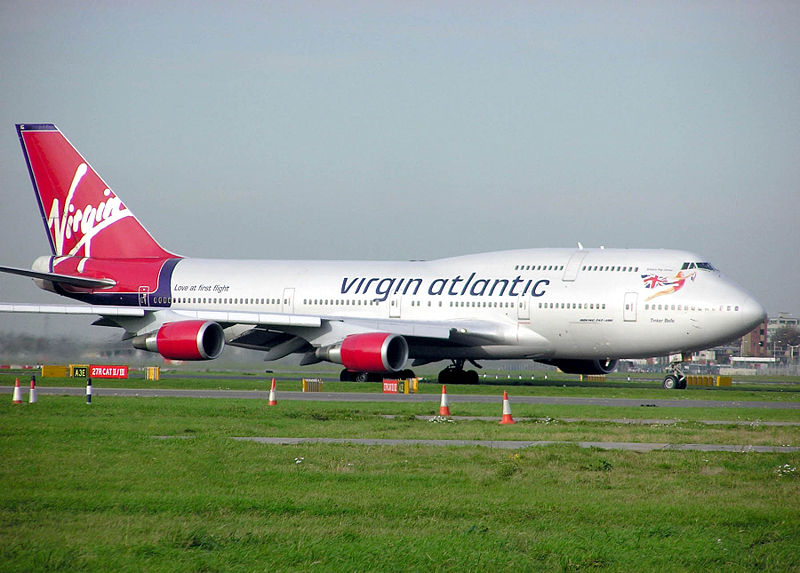
How to Identify Boeing 747 Variants
Identify Boeing 747 variants from photographs using upper-deck length, wingtip shape, fuselage length, engine nacelles and freighter doors.
The building that had to be built first
Boeing had no building big enough for the 747, so it built the largest building in the world by volume - and assembled the aeroplane while it was going up.
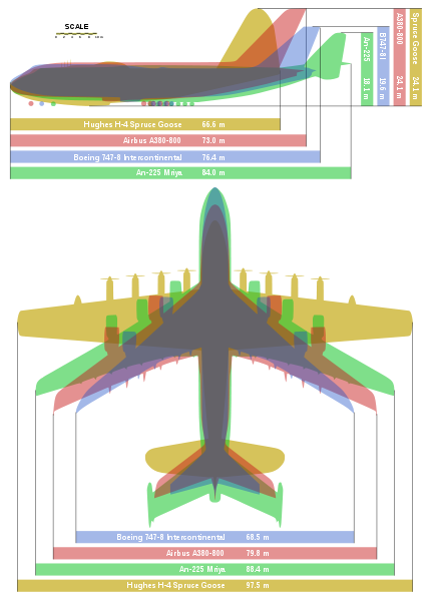
747 versus A380
The two largest airliners ever built, compared - size, capacity, economics, and why both are now out of production.
Where Can You Still Fly on a Boeing 747?
Find reported passenger Boeing 747 routes, check schedule dates and aircraft changes, and browse airline seat maps before choosing a flight.