Boeing 747 units converter
An interactive converter for the units Boeing 747 specification tables use worldwide — airspeed, altitude, range, weight and fuel loads — with the conversion factors quoted openly.
Units mix on any 747 specification sheet: altitude in feet or metres, airspeed in knots or km/h, range in nautical miles or kilometres, weights in pounds or kilogrammes, and fuel in US gallons, litres or tonnes. This page converts between them, counting every rule-of-thumb out loud. All conversion factors are the internationally defined standards (nautical mile 1,852 m, international foot 0.3048 m, international pound 0.45359237 kg); Jet A fuel density is the 0.80 kg/L planning rule of thumb, the same one used across the 747 fuel capacity converter.
Airspeed
| Kn | — |
|---|---|
| km/h | — |
| MPH | — |
| ft/s | — |
Altitude
| Feet (ft) | — |
|---|---|
| Metres (m) | — |
Distance / range
| Nautical miles (nmi) | — |
|---|---|
| Kilometres (km) | — |
| Statute miles (mi) | — |
Weight
| Pounds (lb) | — |
|---|---|
| Kilogrammes (kg) | — |
| Tonnes | — |
Fuel volume / weight
| US gallons | — |
|---|---|
| Litres | — |
| Kilogrammes (Jet A) | — |
| Pounds (Jet A) | — |
Jet A fuel density is taken as the planning rule of thumb of 0.80 kg/L (~6.7 lb/US gal); real loads vary with fuel temperature and batch. For the tank capacities of each variant, use the747 fuel capacity converter.
Which units which 747 table uses
| Quantity | Common on 747 spec sheets | Site default |
|---|---|---|
| Airspeed | knots (kt), Mach, km/h, MPH | knots and Mach |
| Altitude | feet (ft), metres (m) | feet |
| Range | nautical miles (nmi), km, statute miles | nautical miles |
| Weight | lb, kg, tonnes | lb and kg |
| Fuel | US gallons, litres, kg/lb of Jet A | US gallons |
The site’s own Boeing 747 specifications and payload-range explorer quote feet, knots, nautical miles and lb, with km and kg alongside. When a figure on this site appears in one system only, use the converter above to flip it to the other before comparing with a source that uses the second system.
The factors, stated
- 1 nautical mile = 1.852 km exactly (ICAO).
- 1 statute mile = 1.609344 km exactly.
- 1 international foot = 0.3048 m exactly.
- 1 international pound = 0.45359237 kg exactly.
- 1 US gallon = 3.785411784 L exactly.
- Jet A ≈ 0.80 kg/L at 15 °C; a commonly quoted heavier figure of 0.804–0.806 kg/L shifts full-tank weights by well under one percent.
Citation of conversion constants: NIST SI guide and ICAO Annex 5.
Why 747 numbers need both systems
Two examples from the site show the split. The site’s cruise figure for the -400 and -8 is Mach 0.855; at cruise altitude that works out to roughly 490 knots of true airspeed — the converter’s airspeed row turns that into km/h or MPH. And the same aircraft’s range figures, quoted as 7,730 nmi (14,310 km) on the payload-range explorer, become about 8,895 statute miles for readers who think in miles. Both numbers describe the same aircraft; neither is more correct.
Frequently asked questions
- How do you convert knots to km/h?
- Multiply by 1.852 — one knot is exactly one nautical mile per hour, and one nautical mile is exactly 1.852 km. The 747's published cruise speed is Mach 0.855 on the -400 and -8, which in round figures is about 490 knots or 907 km/h in true airspeed at cruise altitude.
- Why do aviation publications mix metric and imperial units?
- Disciplines settled on different conventions decades ago: ICAO recommends metres for altitude and altitude reports, but speeds are quoted in knots worldwide, runways in feet in most countries, and range in nautical miles. Operators keep their own national habits, so both systems appear in the same specification sheet.
Sources
Facts on this page are checked against the primary and institutional references below.
Related topics
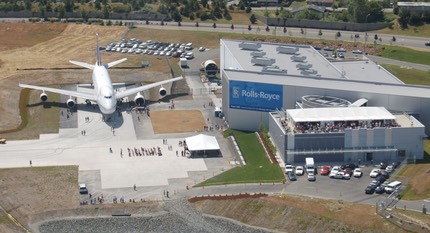
The 747 as a flying testbed
General Electric, Rolls-Royce and Pratt & Whitney all fly engines on 747s — because a four-engined aircraft can carry a strange engine safely.
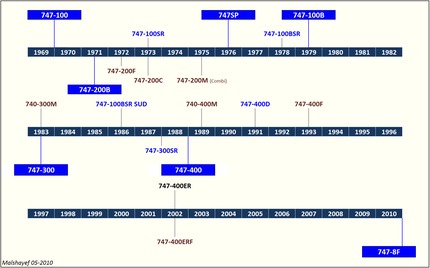
747 Timeline
A Boeing 747 chronology from the 1963 design study to the final delivery in January 2023, with rollout, first flight and delivery dates.
About Alykhan Virani
Meet Alykhan Virani, the Boeing 747 enthusiast who researches, writes and reviews the independent reference pages on Boeing-747.com.
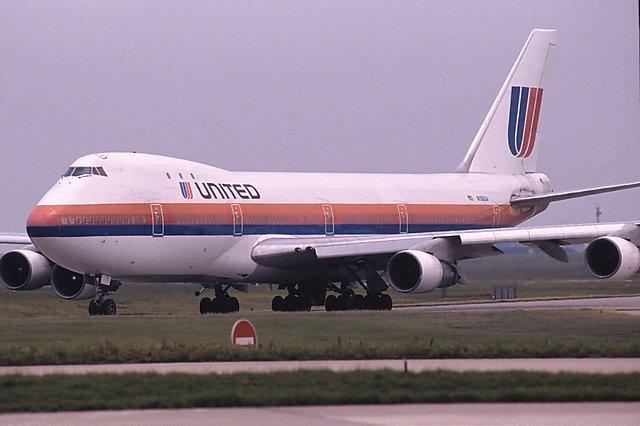
Boeing 747 accidents
The major Boeing 747 accidents, what caused them, and the changes to aviation that followed — from Tenerife to the end of production.
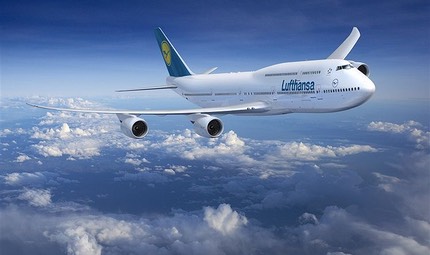
Active Boeing 747 Fleet Tracker
A dated, source-backed tracker of airlines still operating passenger and cargo Boeing 747s, using the latest official fleet disclosures available.
ANA to retire its last two Boeing 747s
All Nippon Airways retired its last two passenger Boeing 747s in 2014, ending decades of jumbo operations in Japan.
More in Features

Features
Longer pieces on the Boeing 747 — the factory built to make it, how it compares to the A380, what became of the retired fleet, and what it is like to fly.
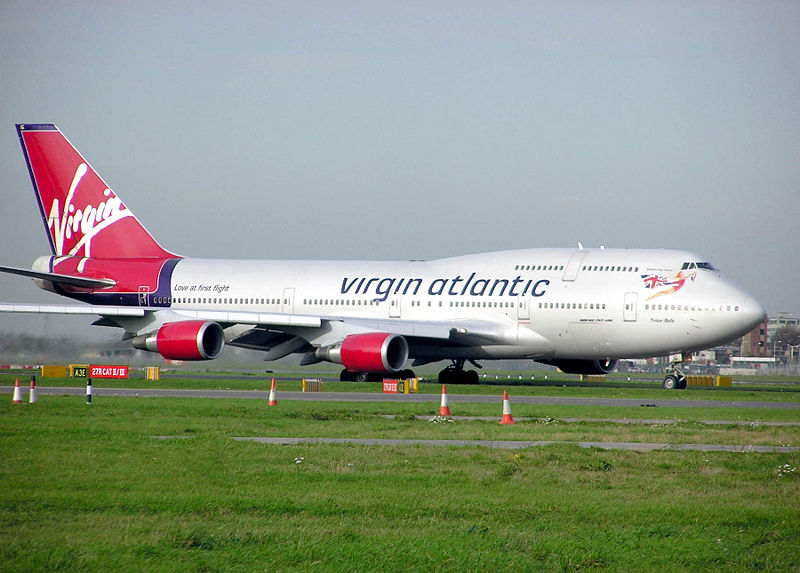
How to Identify Boeing 747 Variants
Identify Boeing 747 variants from photographs using upper-deck length, wingtip shape, fuselage length, engine nacelles and freighter doors.
The building that had to be built first
Boeing had no building big enough for the 747, so it built the largest building in the world by volume — and assembled the aeroplane while it was going up.
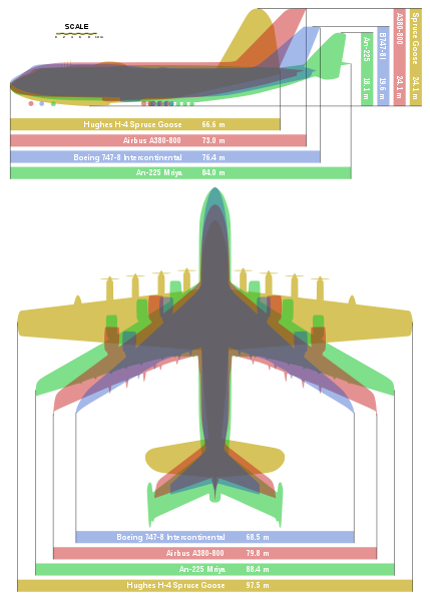
747 versus A380
The two largest airliners ever built, compared — size, capacity, economics, and why both are now out of production.

Where the 747s went
Most retired 747s were scrapped. Others became freighters, museum pieces, restaurants, a hotel — and one launched satellites into orbit.
Flying the 747
What the 747 is like to fly — the type rating, the view from 30 feet up, the handling, and why pilots talk about it the way they do.
