Boeing 747 brakes, autobrake and anti-skid
Early 747s stopped with heavy steel disks and an anti-skid system that prevented wheel lockup. The 747-400 introduced carbon brakes on all 16 main-gear wheels, saving about 1,800 lb, plus an autobrake that holds a selected deceleration rate on landing.
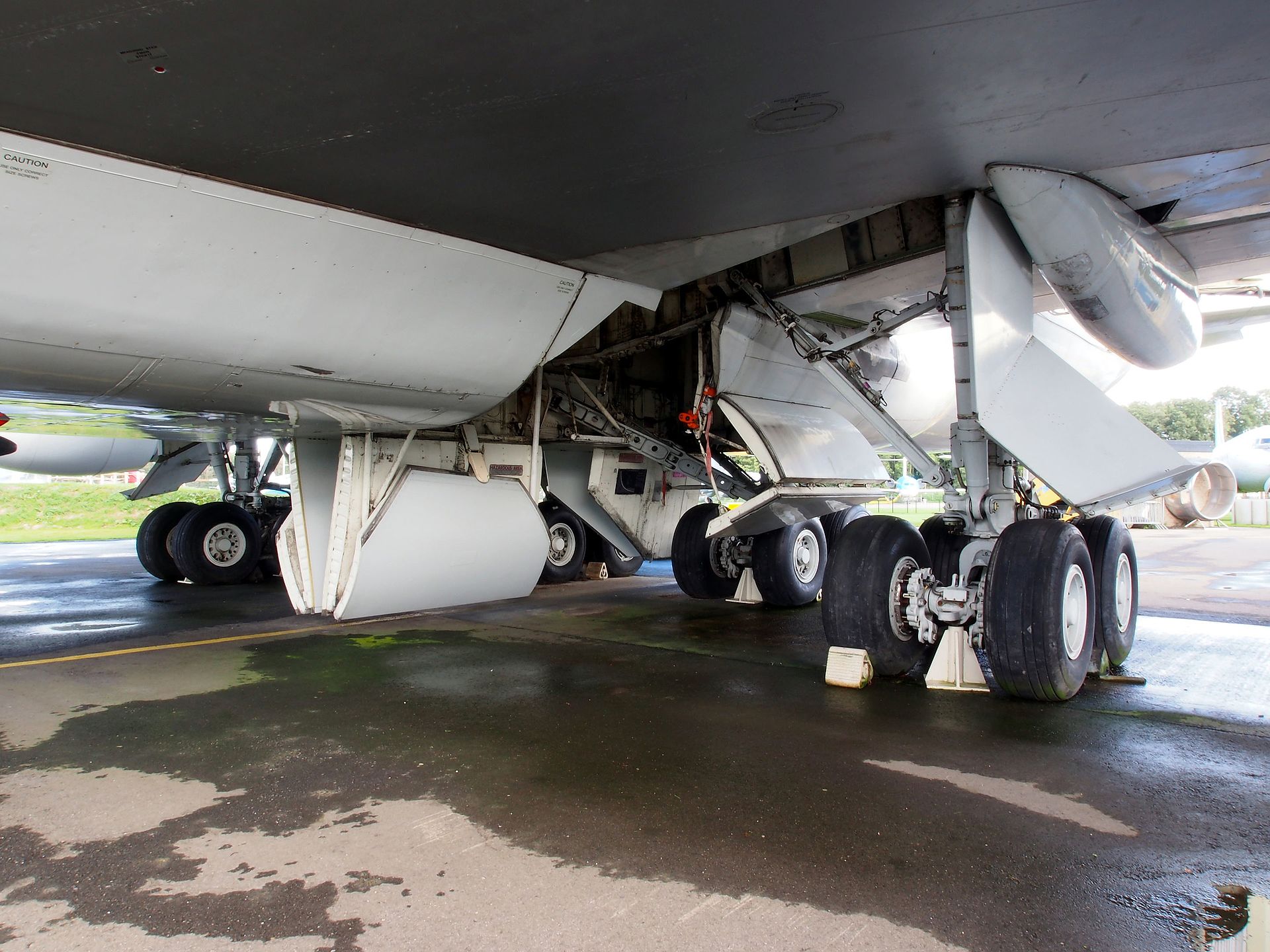
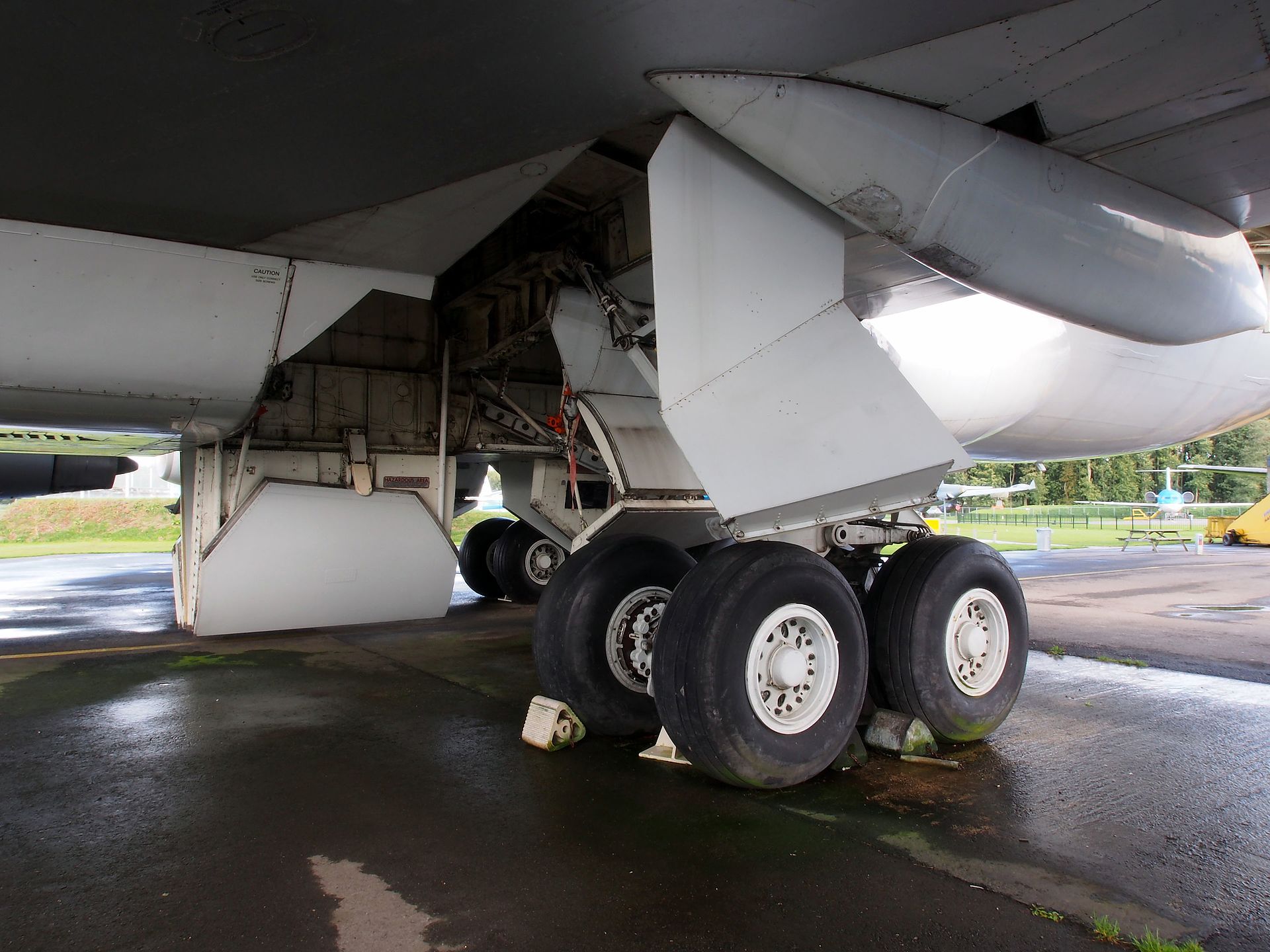
A 747 landing at weight stops using brakes on all four main-gear bogies — sixteen wheels under the -400. Anti-skid cycles the brakes to prevent locked wheels, and on the -400 an autobrake holds a precise deceleration rate automatically.
| Key facts | |
|---|---|
| Main-gear wheels | 16 on the 747-400 |
| Brake material | Structural carbon on the -400 vs steel on earlier 747s |
| Weight saving | About 1,800 lb (820 kg) of unsprung weight vs steel |
| Autobrake | Holds a selected deceleration rate; introduced with the -400 |
Carbon brakes on the 747-400 saved almost a tonne versus the steel brakes of classics while absorbing far more kinetic energy — carbon actually grows stronger into the temperature range where steel begins to fade.
The -400’s autobrake and anti-skid system combines hydraulic brake power with digital monitoring and automatic pressure control to hold consistent deceleration across varying runway conditions, including reduced braking on wet or icy surfaces.
Sources
- Boeing 747-400 guide — Aircraft Commerce
- 747-400 Airplane Characteristics for Airport Planning — Boeing
- Autobrake/antiskid system on the 747-400 — Transglobal
Sources
Facts on this page are checked against the primary and institutional references below.
- Boeing 747-400 guide — Aircraft Commerce
- 747-400 Airplane Characteristics for Airport Planning — Boeing
- Autobrake/antiskid system on the 747-400 — Transglobal
Related topics
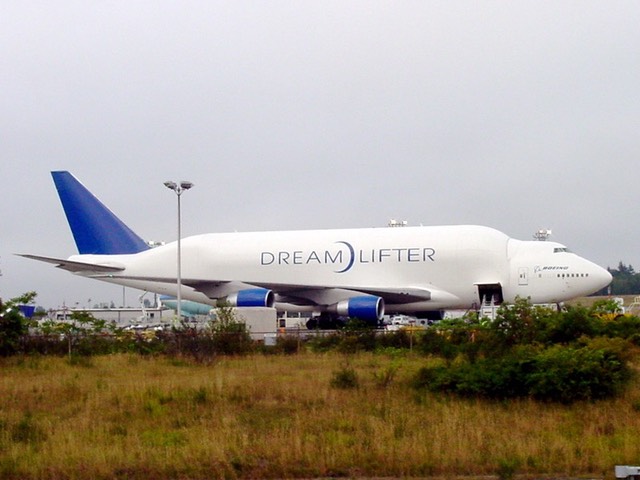
The Boeing Dreamlifter
Four 747-400s rebuilt with a swollen fuselage and a swing tail to carry Boeing 787 wings and fuselage barrels between factories.
747 versus 777
The aircraft that replaced the 747 was built by the same company — how a twin came to do the four-engined aeroplane's job, and why.
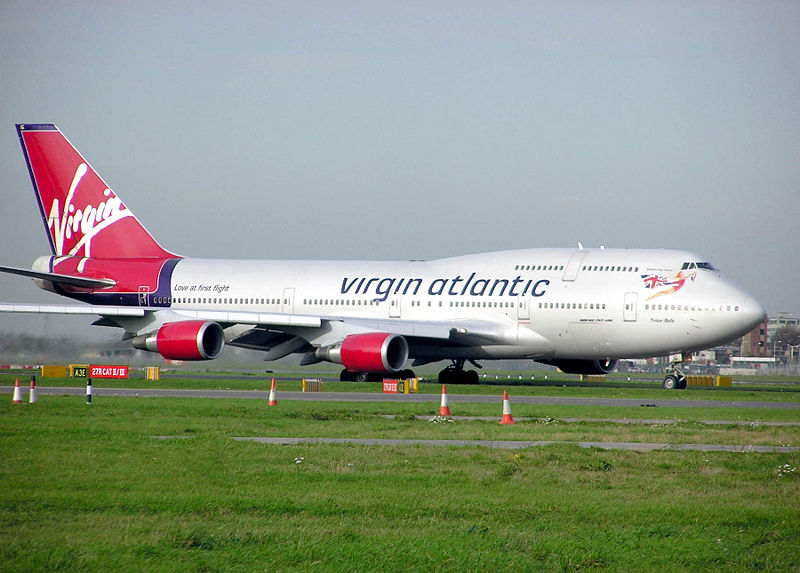
747-400
Announced in 1985, the 747-400 added winglets, a two-crew glass cockpit and a new interior, becoming the best-selling 747 generation.
Boeing 747-400 vs 747-8
The 747-8 is bigger, heavier and quieter than the 747-400, with a new wing, GEnx-2B engines and a stretched fuselage — but it sells a fraction as well.
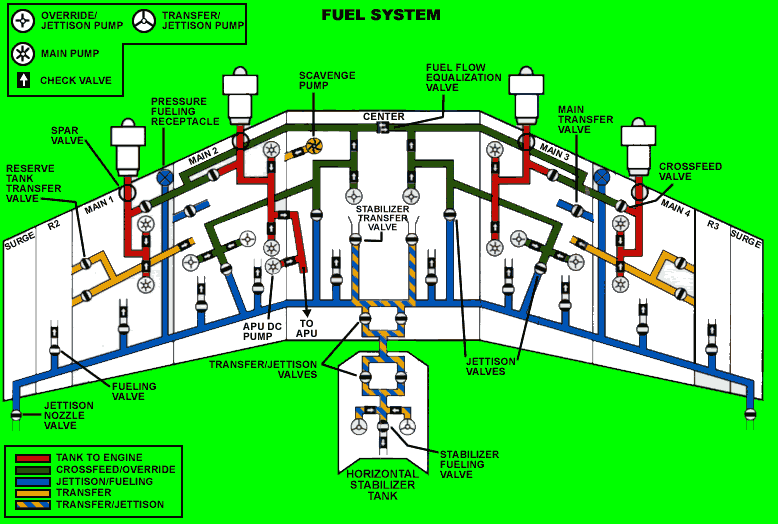
747-400ER
A complete Boeing 747-400ER guide: specifications, range, fuel tanks, engineering changes, Qantas's six-aircraft fleet, service history and FAQs.
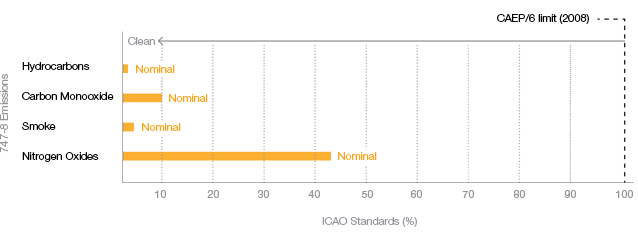
The 747-8 and the environment
The 747-8 meets emissions limits for hydrocarbons, carbon monoxide, smoke and nitrogen oxides, with a noise footprint about 30 percent smaller than the 747-400.
More in Aircraft Systems
How the 747 works
The systems that make a 747 fly — fuel, hydraulics, landing gear, electrics and pressurisation, explained one at a time.
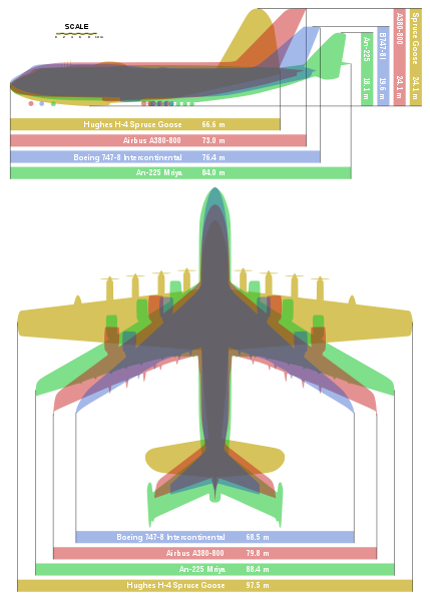
Boeing 747 specifications compared
Every Boeing 747 variant side by side — length, wingspan, weights, capacity, range, cruise speed and engines, with sources noted.
The four hydraulic systems
The 747 has four independent hydraulic systems, one per engine, each with a backup pump — and the reasoning behind splitting them that way.
Eighteen wheels
The 747's five landing gear legs and 18 tyres, why the load is spread that way, and the body gear steering that stops it tearing up taxiways.
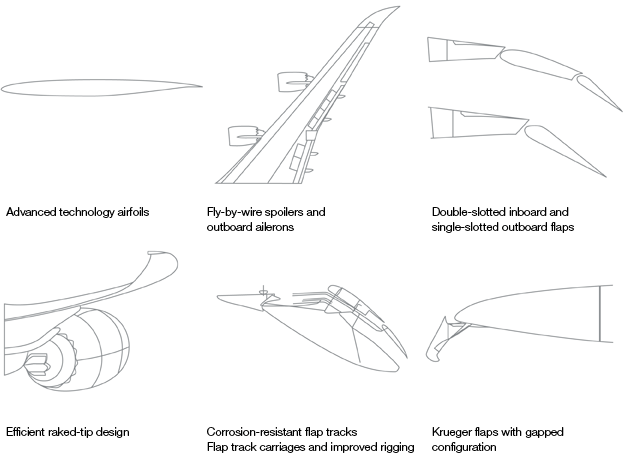
Flight controls and high-lift devices
How a 747 is flown — split ailerons, spoilers, triple-slotted flaps and Krueger leading edge devices, and what the 747-8 changed.
The electrical system
Four 90 kVA generators, one per engine, running in parallel through a tie bus — plus two APU generators for the ground.