The 747 nearly killed Boeing
The 747 programme took Boeing to the brink. Employment fell by more than 60 percent between 1967 and 1971, and Seattle went into a deep recession.
The 747 is remembered as one of the most successful aircraft ever built. It very nearly destroyed the company that built it.
The size of the bet
Boeing committed to an aircraft larger than anything flying, on a roughly four-year schedule, and had to build the world’s largest building to assemble it in — clearing forest at Everett while the design was still being finished.
Doing that required borrowing around $2 billion, something like $20 billion in today’s money. It was, in the phrase of the time, a bet-the-company decision, and the banks were exposed alongside Boeing.
The engineering team under Joe Sutter delivered the aircraft in about 28 months and became known as “the Incredibles”. The financial side did not go as well.
The Boeing Bust
The debt came due exactly as the market collapsed. Airliner demand fell sharply at the end of the 1960s, orders dried up, and the JT9D engine problems meant early aircraft sat at Everett without engines, unable to be delivered or paid for.
Boeing began cutting in 1969, and kept cutting.
| Peak employment, 1967 | 100,800 |
| Employment, April 1971 | 38,690 |
| Workforce lost | more than 60 percent |
Seattle went into a deep local recession, since the region’s economy was heavily dependent on one employer.
The billboard
On 16 April 1971, two Seattle estate agents, Bob McDonald and Jim Youngren, put up a billboard near Sea-Tac airport reading:
Will the last person leaving SEATTLE — Turn out the lights
It was meant as a joke, and it became the defining image of the period. McDonald later said out-of-town clients had arrived expecting a ghost town with weeds in the streets, and the pair had wanted to answer that with humour.
The 747 was flying by then. The company that built it was down to a third of its people.
How it turned out
Boeing survived, orders recovered, and the 747 went on to sell 1,574 aircraft over 54 years — the last delivered in January 2023.
But it is worth being precise about what nearly went wrong. The 747 was not a bad aircraft that got lucky. It was a good aircraft that arrived with enormous debt attached at the exact moment its market paused — and the pause lasted longer than the balance sheet could comfortably take.
That is also why the same company never launched the 747X in 1996 when a new wing was costed at over $5 billion, and why the 747-8 reused as much as it could. Boeing had learned exactly what a clean-sheet very large aircraft costs.
Related
Frequently asked questions
- Did the Boeing 747 nearly bankrupt Boeing?
- Yes. Developing the 747 required Boeing to borrow around $2 billion — some $20 billion in today's money — and when airliner sales collapsed at the same time, the company came close to failing. Employment fell from a peak of 100,800 in 1967 to 38,690 by April 1971.
Sources
Facts on this page are checked against the primary and institutional references below.
- Boeing 747 — Wikipedia
- Boeing 2707 — Wikipedia
Related topics
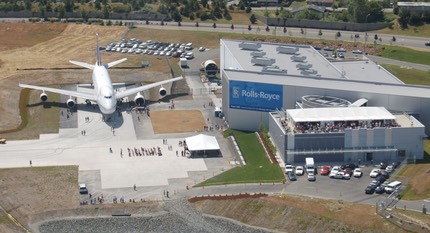
The 747 as a flying testbed
General Electric, Rolls-Royce and Pratt & Whitney all fly engines on 747s — because a four-engined aircraft can carry a strange engine safely.
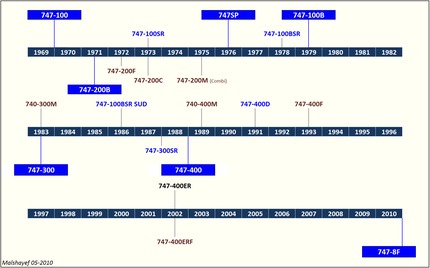
747 Timeline
A Boeing 747 chronology from the 1963 design study to the final delivery in January 2023, with rollout, first flight and delivery dates.
About Alykhan Virani
Meet Alykhan Virani, the Boeing 747 enthusiast who researches, writes and reviews the independent reference pages on Boeing-747.com.
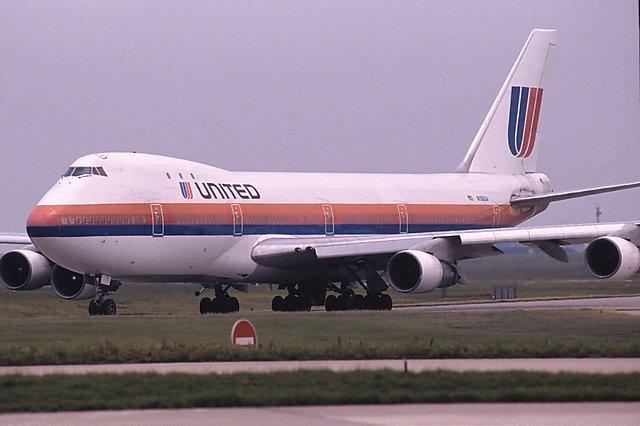
Boeing 747 accidents
The major Boeing 747 accidents, what caused them, and the changes to aviation that followed — from Tenerife to the end of production.
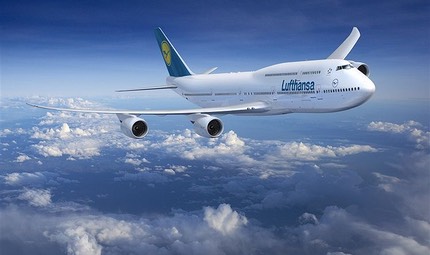
Active Boeing 747 Fleet Tracker
A dated, source-backed tracker of airlines still operating passenger and cargo Boeing 747s, using the latest official fleet disclosures available.
ANA to retire its last two Boeing 747s
All Nippon Airways retired its last two passenger Boeing 747s in 2014, ending decades of jumbo operations in Japan.
More in Features
Features
Longer pieces on the Boeing 747 — the factory built to make it, how it compares to the A380, what became of the retired fleet, and what it is like to fly.
How to Identify Boeing 747 Variants
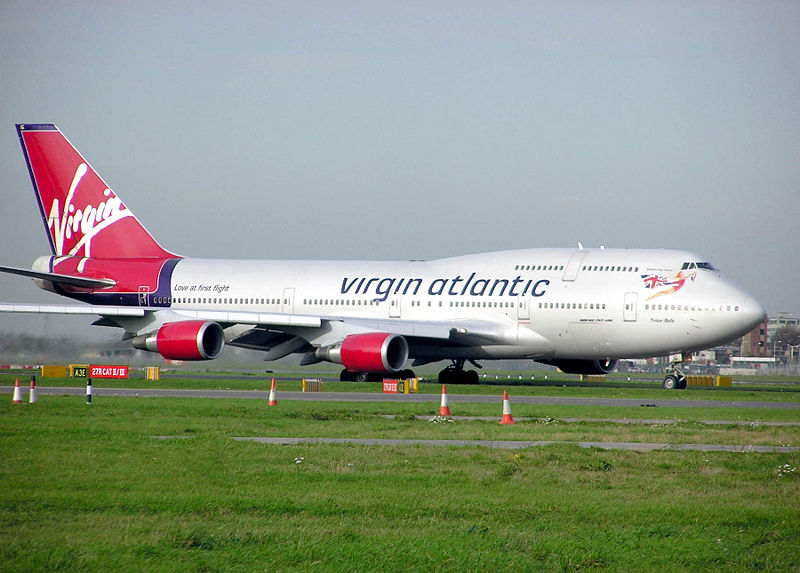
Identify Boeing 747 variants from photographs using upper-deck length, wingtip shape, fuselage length, engine nacelles and freighter doors.
The building that had to be built first
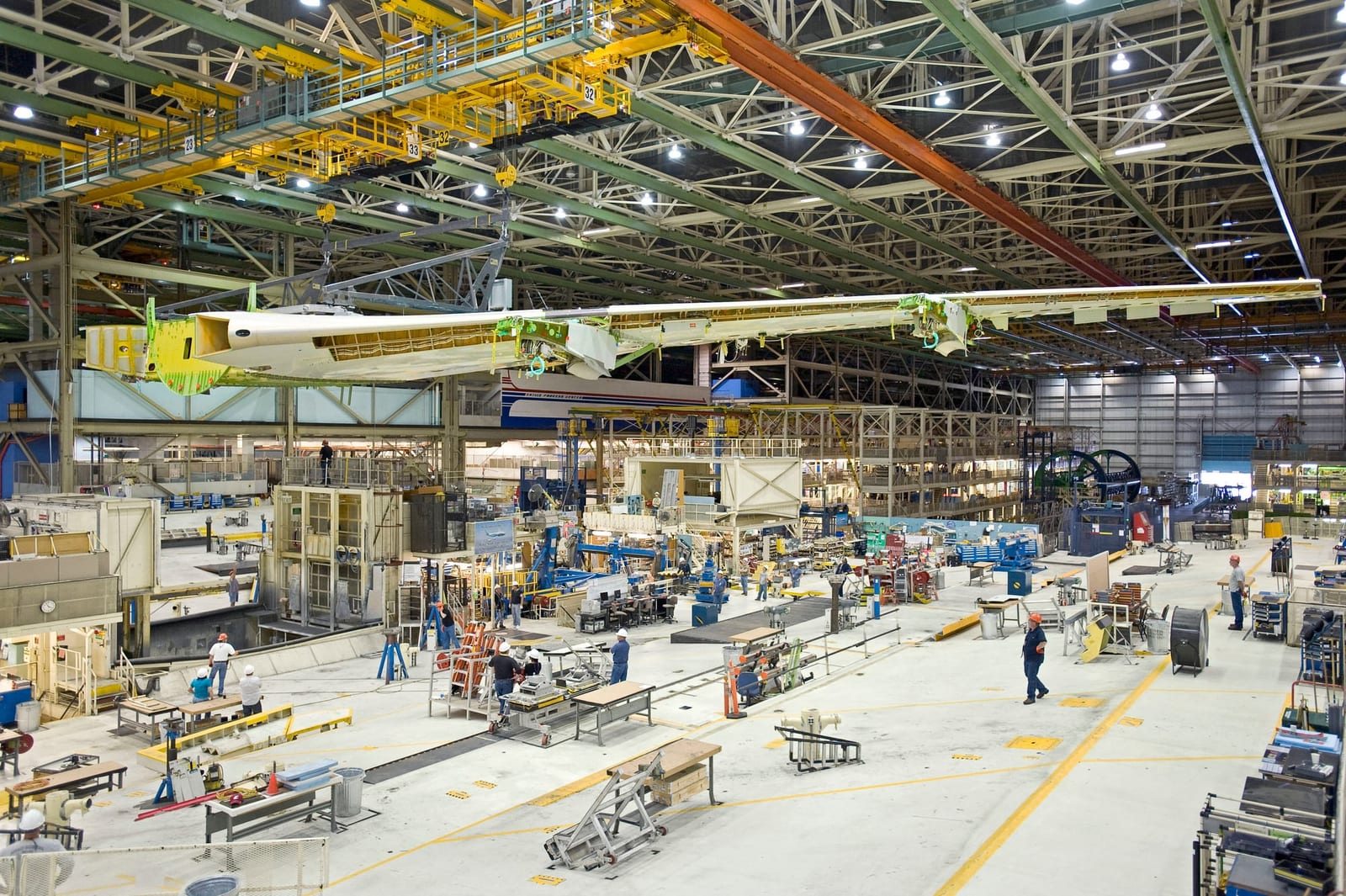
Boeing had no building big enough for the 747, so it built the largest building in the world by volume — and assembled the aeroplane while it was going up.
747 versus A380
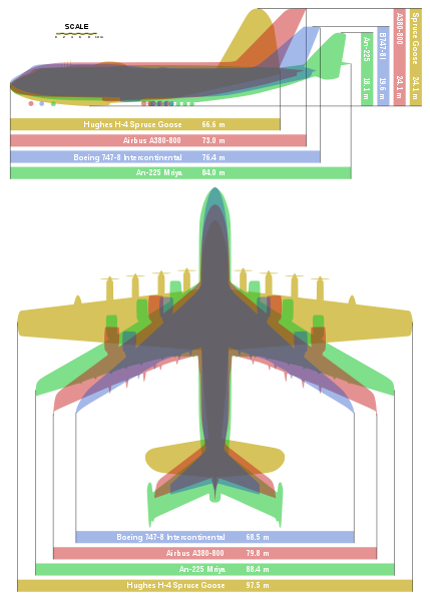
The two largest airliners ever built, compared — size, capacity, economics, and why both are now out of production.
Where the 747s went
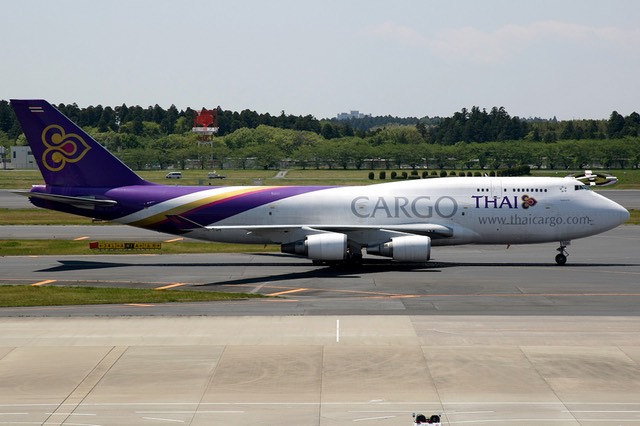
Most retired 747s were scrapped. Others became freighters, museum pieces, restaurants, a hotel — and one launched satellites into orbit.
Flying the 747
What the 747 is like to fly — the type rating, the view from 30 feet up, the handling, and why pilots talk about it the way they do.
