Boeing 747-400 EICAS
EICAS (Engine Indication and Crew Alerting System) consolidated the 747-400’s engine parameters and system alerts onto two of six display units, splitting messages into advisories, cautions and warnings. A Central Maintenance Computer records faults for mechanics.
On the 747-400, entire panels of mechanical gauges were replaced by EICAS — a pair of CRT displays showing engine parameters and every system alert the crew needs, ordered by urgency.
| Key facts | |
|---|---|
| Full name | Engine Indication and Crew Alerting System |
| Displays | Main and auxiliary EICAS among the six display units (PFDs, NDs, EICAS ×2) |
| Alert levels | Advisory, caution and warning, shown as text and graphics |
| Maintenance | Central Maintenance Computer (CMC) records LRU-level faults |
EICAS cut the classic 747’s dense instrument landscape down to six display units — the captain’s and first officer’s PFDs and NDs plus two EICAS screens. Because all six share display electronics, a single electronics unit failure blanks the whole deck, an important design constraint for the type.
The 747-400 was the first Boeing airliner with a centralised maintenance system: its Central Maintenance Computer gathers fault records from every system and shows mechanics exactly which line-replaceable unit failed — the ancestor of today’s onboard diagnostics.
Sources
- Letters on 747-400 display-unit failure handling — NTSB
- The 747-400 from the maintenance perspective — Aircraft Commerce
Sources
Facts on this page are checked against the primary and institutional references below.
- Letters on 747-400 display-unit failure handling — NTSB
- The 747-400 from the maintenance perspective — Aircraft Commerce
Related topics

The Boeing Dreamlifter
Four 747-400s rebuilt with a swollen fuselage and a swing tail to carry Boeing 787 wings and fuselage barrels between factories.
747 versus 777
The aircraft that replaced the 747 was built by the same company — how a twin came to do the four-engined aeroplane's job, and why.
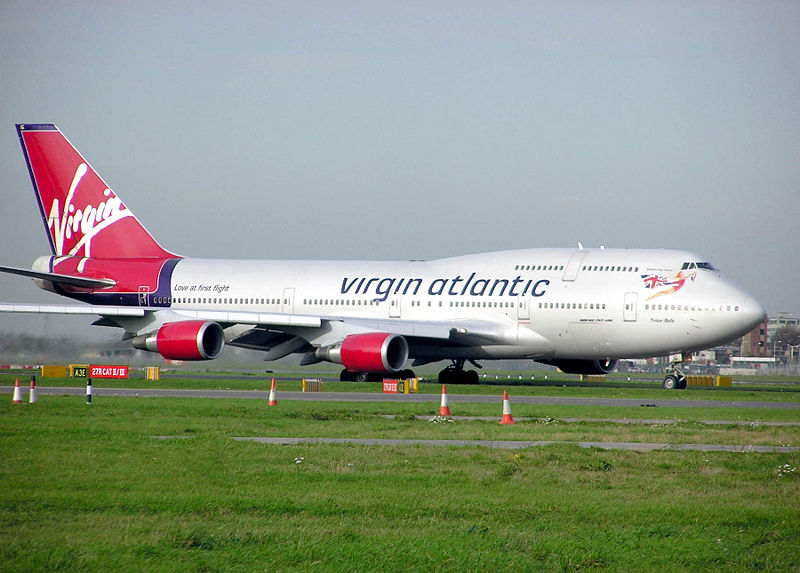
747-400
Announced in 1985, the 747-400 added winglets, a two-crew glass cockpit and a new interior, becoming the best-selling 747 generation.
Boeing 747-400 vs 747-8
The 747-8 is bigger, heavier and quieter than the 747-400, with a new wing, GEnx-2B engines and a stretched fuselage — but it sells a fraction as well.
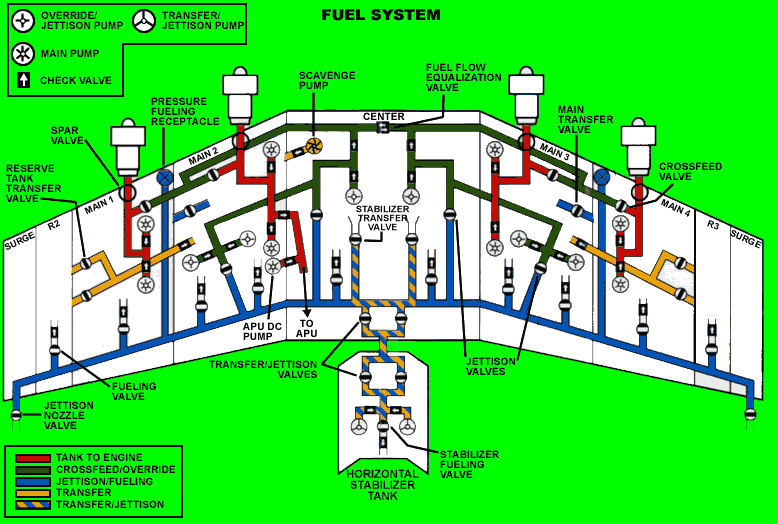
747-400ER
A complete Boeing 747-400ER guide: specifications, range, fuel tanks, engineering changes, Qantas's six-aircraft fleet, service history and FAQs.
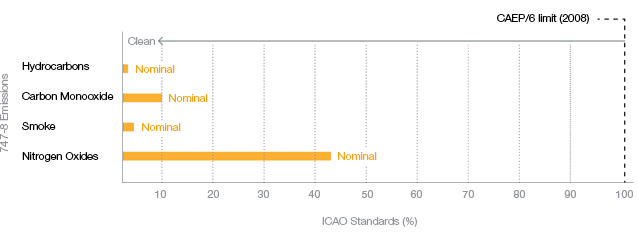
The 747-8 and the environment
The 747-8 meets emissions limits for hydrocarbons, carbon monoxide, smoke and nitrogen oxides, with a noise footprint about 30 percent smaller than the 747-400.
More in Aircraft Systems
How the 747 works
The systems that make a 747 fly — fuel, hydraulics, landing gear, electrics and pressurisation, explained one at a time.
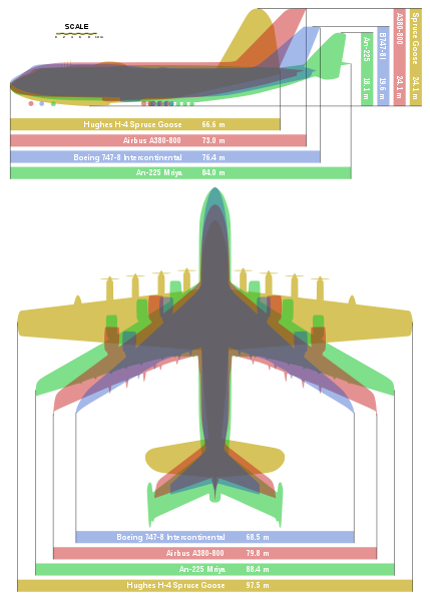
Boeing 747 specifications compared
Every Boeing 747 variant side by side — length, wingspan, weights, capacity, range, cruise speed and engines, with sources noted.
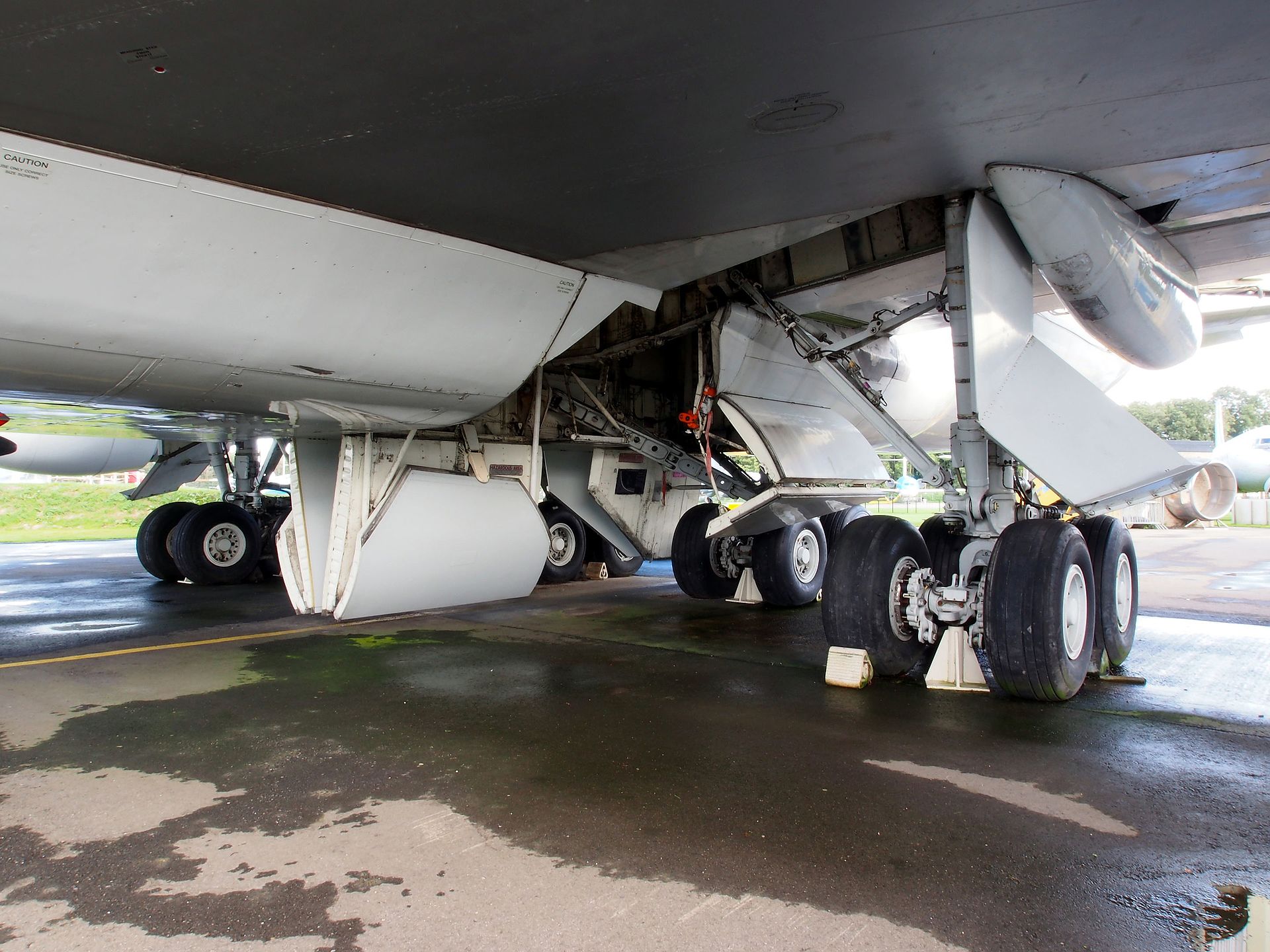
The four hydraulic systems
The 747 has four independent hydraulic systems, one per engine, each with a backup pump — and the reasoning behind splitting them that way.
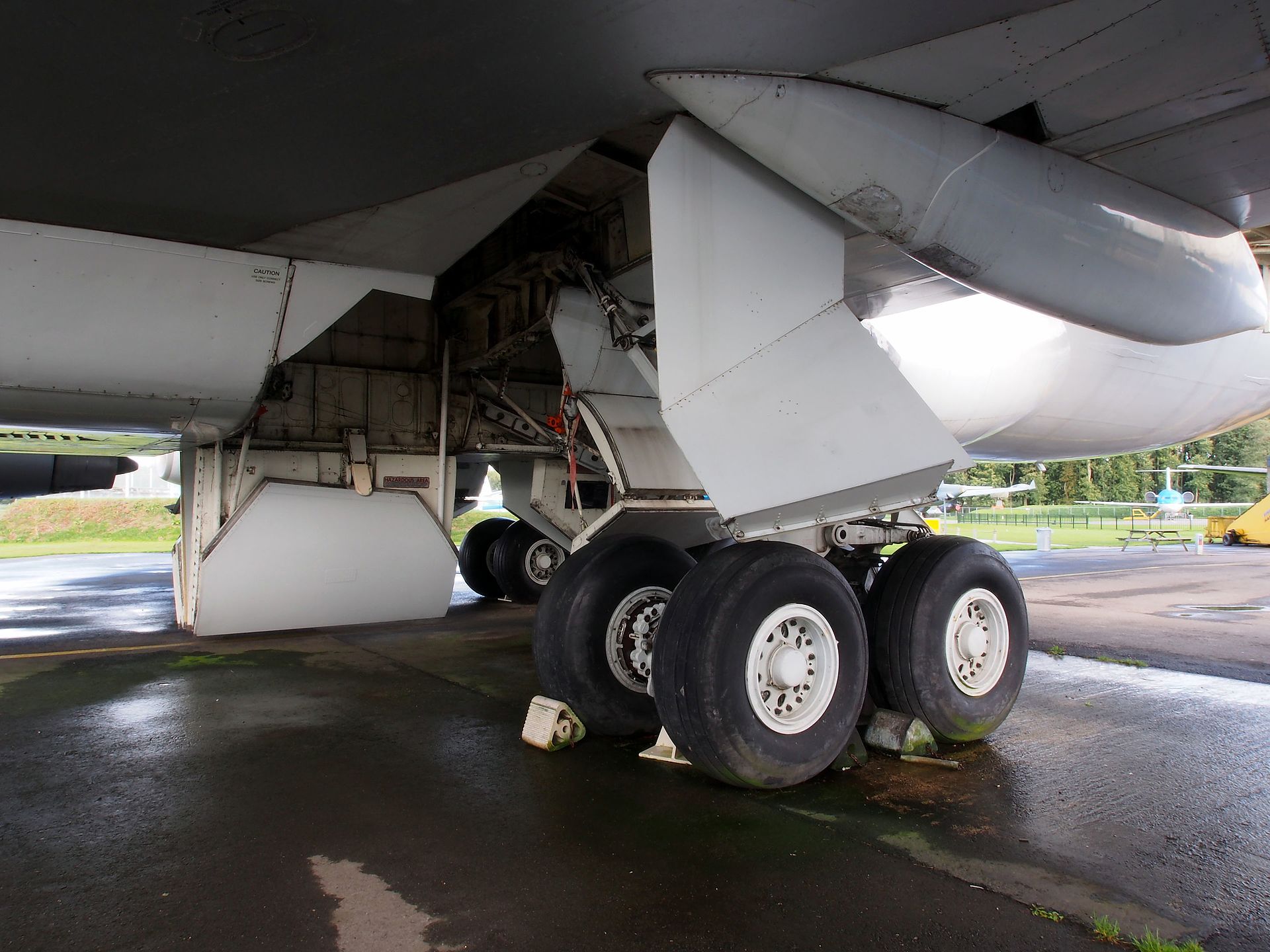
Eighteen wheels
The 747's five landing gear legs and 18 tyres, why the load is spread that way, and the body gear steering that stops it tearing up taxiways.
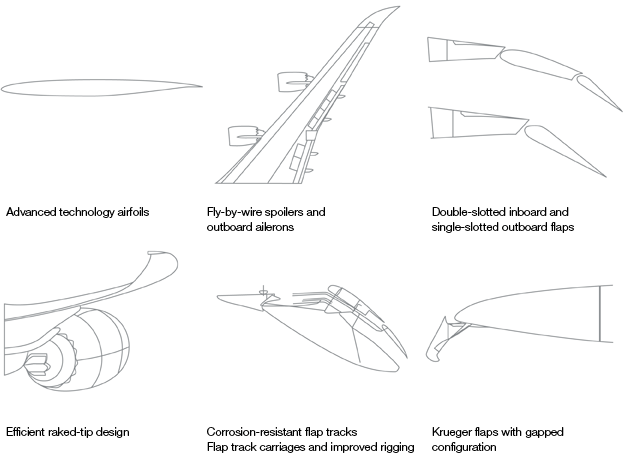
Flight controls and high-lift devices
How a 747 is flown — split ailerons, spoilers, triple-slotted flaps and Krueger leading edge devices, and what the 747-8 changed.
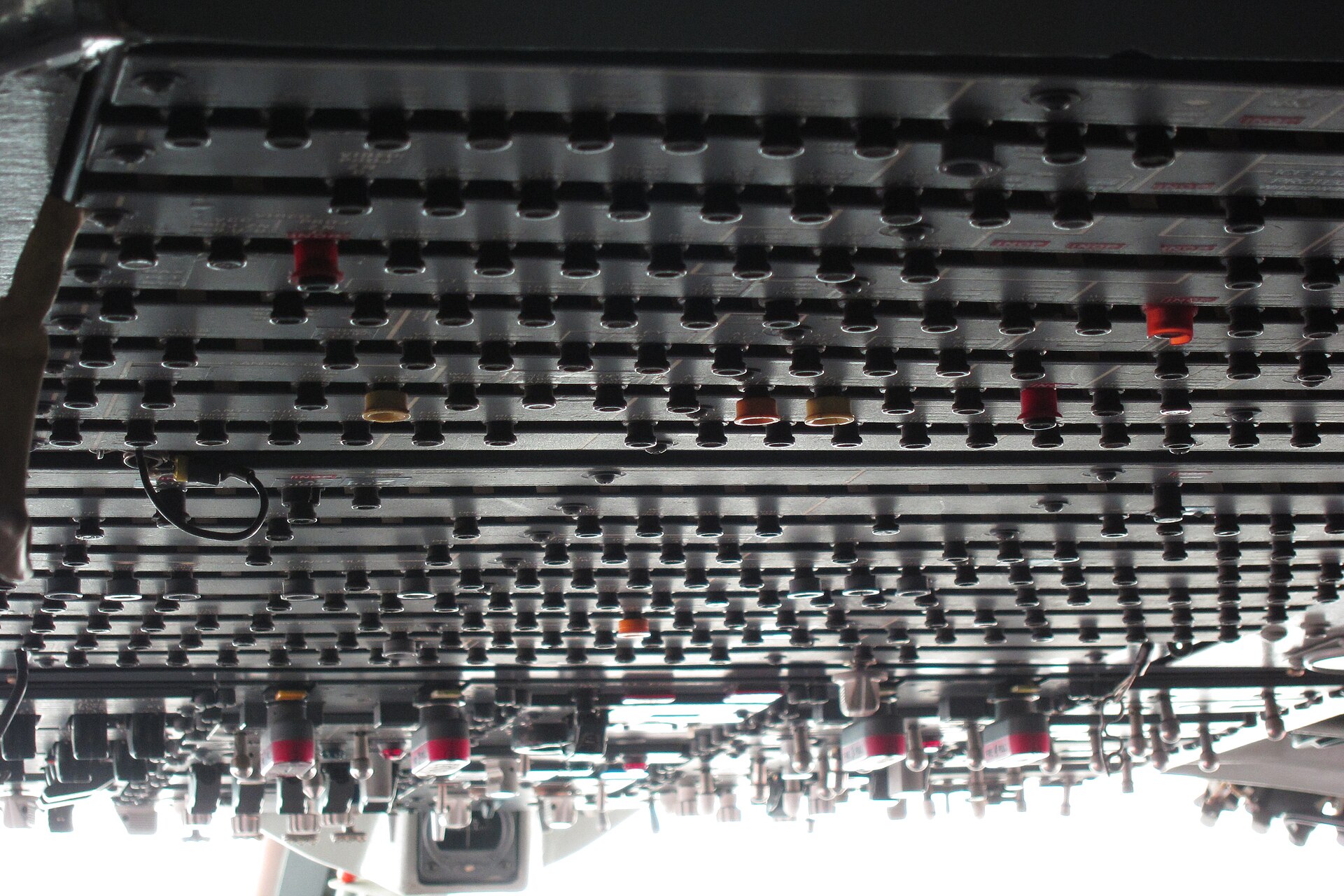
The electrical system
Four 90 kVA generators, one per engine, running in parallel through a tie bus — plus two APU generators for the ground.