The engine that made the jumbo possible
The Pratt & Whitney JT9D was the first high-bypass turbofan in airline service and the only engine on the 747-100. It launched on RA001 in 1969, powered 747SPs and many classics, and kept improving until the CF6 and RB211 offered choice.
The JT9D made the Boeing 747 possible. When RA001 first flew on 9 February 1969 it ran on four JT9Ds rated at 43,500 lbf (193 kN) each - the first high-bypass turbofans ever to fly on an airliner, and far quieter and more economical than the turbojets the 747 was meant to replace.
| Key facts | |
|---|---|
| Applications | 747-100, -100B, -200, -200B, -200F, 747SP, -300 (never -400 or -8) |
| Thrust classes | JT9D-3/-3A 43,500 lbf; -7A 46,150 lbf; -7F 48,650 lbf; -7J 50,000 lbf; -7R4G2 54,750 lbf |
| Bypass / fan | 4.8:1 ratio; 92.3 in fan (-3A), 93.4 in (-7 series) |
| Launch customer | Pan Am - first revenue JT9D 747 flight 22 January 1970, JFK - LHR |
The JT9D entered airline service on Pan Am 747-100s in January 1970 and was the only engine offered on the 747-100. Early reliability was poor: compressor stalls, fatigue cracks and a distinctive casing distortion nicknamed "ovalization" caused serious delays in 1970 - 71. A catastrophic engine-and-wing fire on a Pan Am 747 at JFK in July 1970 forced FAA inspections across the fleet.
Pratt & Whitney redesigned the titanium thrust frame that carried the engine, curing the ovalization problem, and later JT9D variants grew steadily in thrust. The JT9D-7R4G2 at 54,750 lbf took the engine onto the 747-300, while the 747SP was powered by JT9D-7 variants up to 50,000 lbf - the NASA/DLR observatory SOFIA, a 747SP, still flies on four JT9D-7Js.
The JT9D family ultimately logged more than 169 million flight hours across all applications, proving the high-bypass concept the whole industry now uses.
The engine that made the jumbo possible
The JT9D is inseparable from the 747 because for the first three years it was the only engine on the type. When RA001 first flew in February 1969 it ran on four JT9Ds, and for a 747-100 there was no alternative - which gave Pratt & Whitney extraordinary leverage in the type's early commercial life, with Pan Am as launch customer.
The early engine was also a difficult one. The first years of 747 operation were marred by compressor stalls, fatigue cracking and casing distortion - the "ovalization" that came to characterise early JT9D-powered 747s - producing serious delays in 1970 and 1971. A catastrophic engine-and-wing fire on a Pan Am 747 at JFK in July 1970 grounded the fleet and forced inspections across the type. Pratt's redesign of the titanium thrust frame that carried the engine cured the structural distortion that had been behind much of the trouble.
Long life and long reach
What makes the JT9D remarkable is how long it kept mattering. Variants grew in thrust through the -200, the -200B, the -200F, the 747SP and the -300, the -7R4G2 variant taking the engine to 54,750 lb on the -300. The NASA/DLR SOFIA observatory, a converted 747SP, still flies on four JT9D-7Js. The family ultimately logged more than 169 million flight hours, and it proved the high-bypass turbofan concept that the entire industry now builds on. By the time the 747-400 arrived, the CF6, RB211 and PW4000 had ended the JT9D's exclusivity, but the engine had already defined the type.
Related
Frequently asked questions
- Did the JT9D power the first 747?
- Yes, the first 747 flew on four JT9Ds in February 1969.
- Was the JT9D offered on the 747-400?
- No, by the -400 the CF6, RB211 and PW4000 had replaced it.
Sources
Facts on this page are checked against the primary and institutional references below.
- Boeing 747-121 RA001 - The Museum of Flight
- Pratt & Whitney JT9D article - Wikipedia
- Superjet challenges: the first service year - Pan Am Digital
- JT9D programme history - Pratt & Whitney
- SOFIA aircraft facts - NASA / USRA
Related topics
Boeing 747-100 vs 747-200
What the 747-200 added to the original 747-100: more thrust, higher takeoff weights, a ten-window upper deck and freighter, combi and convertible variants.
Boeing 747SP vs 747-100
The 747SP traded forty-plus seats for nearly 48 ft of fuselage and a 5,830-nautical-mile range - the first 747 built to fly further, not carry more.
Braniff International Airways
Braniff's orange 747s made the Dallas - Honolulu 'Great Pumpkin' run famous before a post-deregulation buying spree helped bring the airline down in 1982.
Iran Air
Iran Air flew more than twenty 747s from 1974 to 2018, its 747SPs setting a nonstop Tehran - New York record and serving as the world's last passenger SPs.
Boeing 747 engines compared
The three 747 engines - Pratt & Whitney's JT9D, General Electric's CF6 and Rolls-Royce's RB211 - and the multi-engine choice that saved the programme.
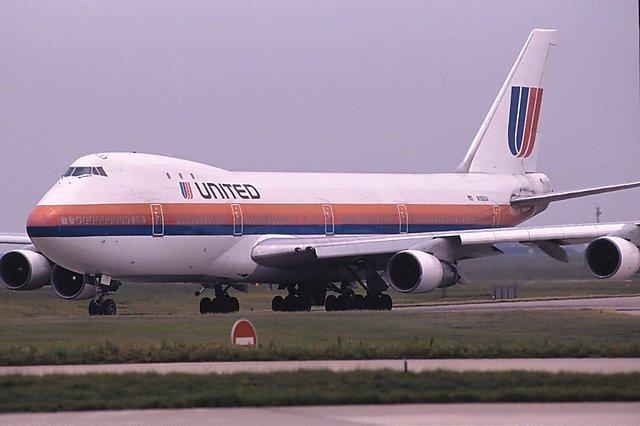
747-100
The original Boeing 747-100 entered service in 1970 with six upper-deck windows and a lounge; later aircraft offered a ten-window upper deck.
More in Aircraft Systems
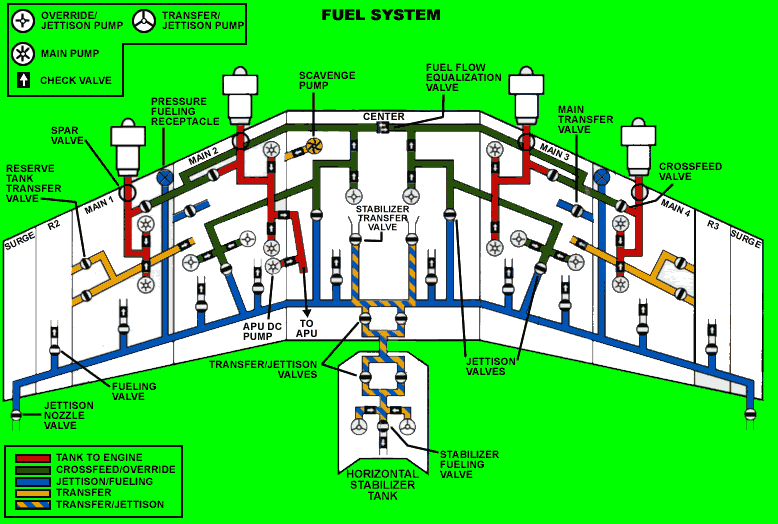
How the 747 works
The systems that make a 747 fly - fuel, hydraulics, landing gear, electrics and pressurisation, explained one at a time.
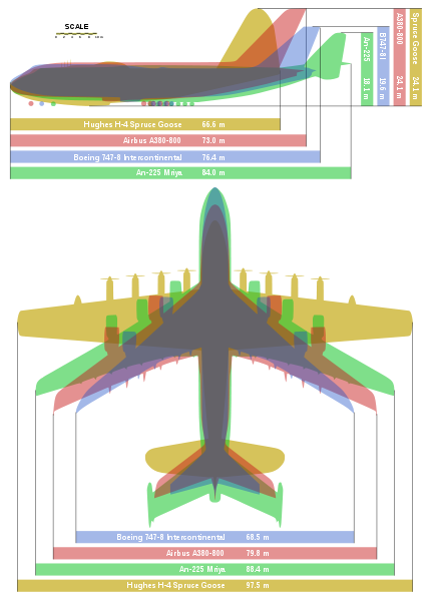
Boeing 747 specifications compared
Compare Boeing 747 dimensions, performance and detailed later-variant weights, fuel and cargo capacities, with Boeing planning configurations identified.
Boeing 747 Freighter Specifications
Compare Boeing 747-400F, 747-400ERF and 747-8F weights, structural payload, fuel and cargo volumes using identified Boeing planning configurations.
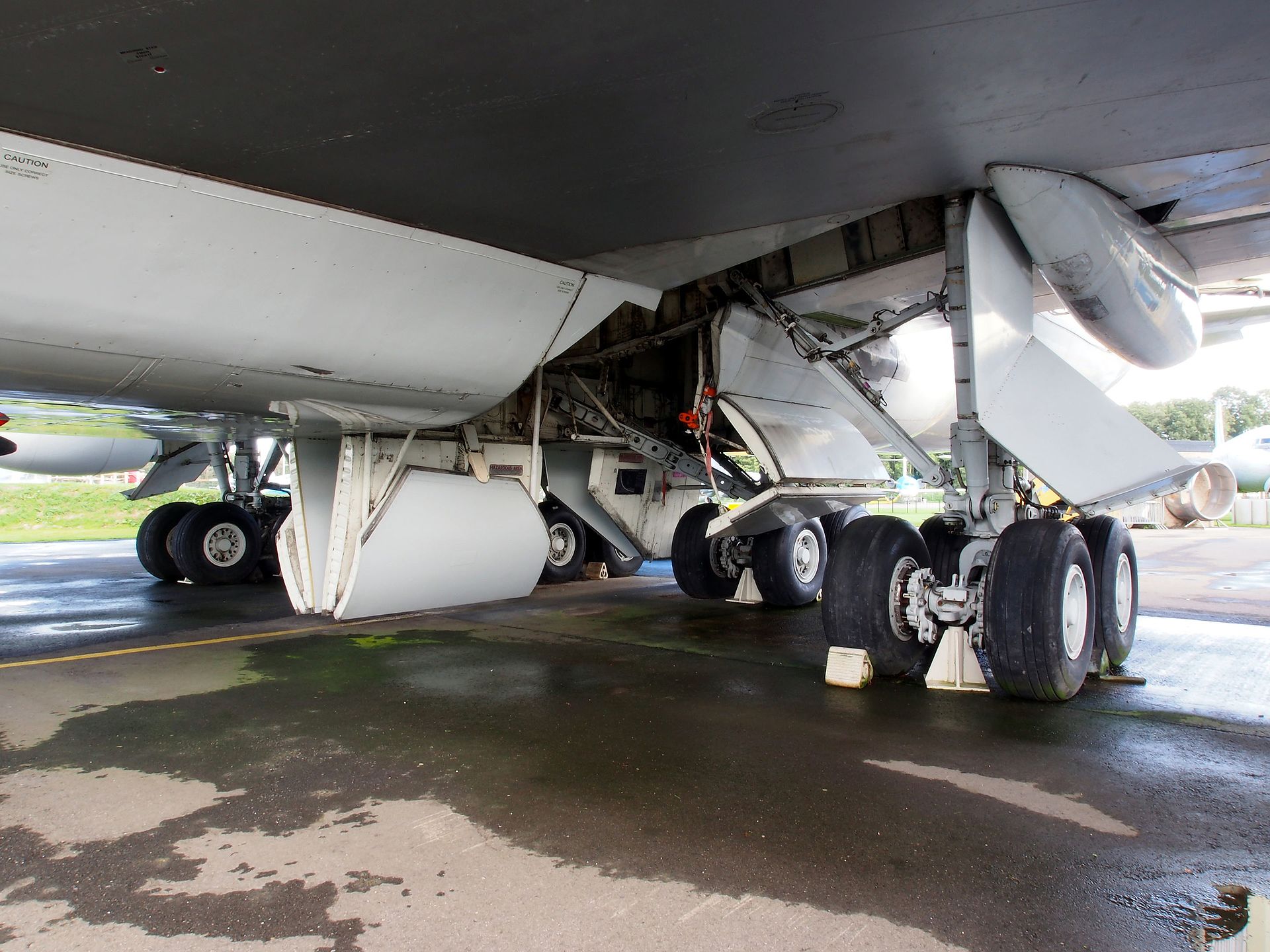
The four hydraulic systems
The 747 has four independent hydraulic systems, one per engine, each with a backup pump - and the reasoning behind splitting them that way.
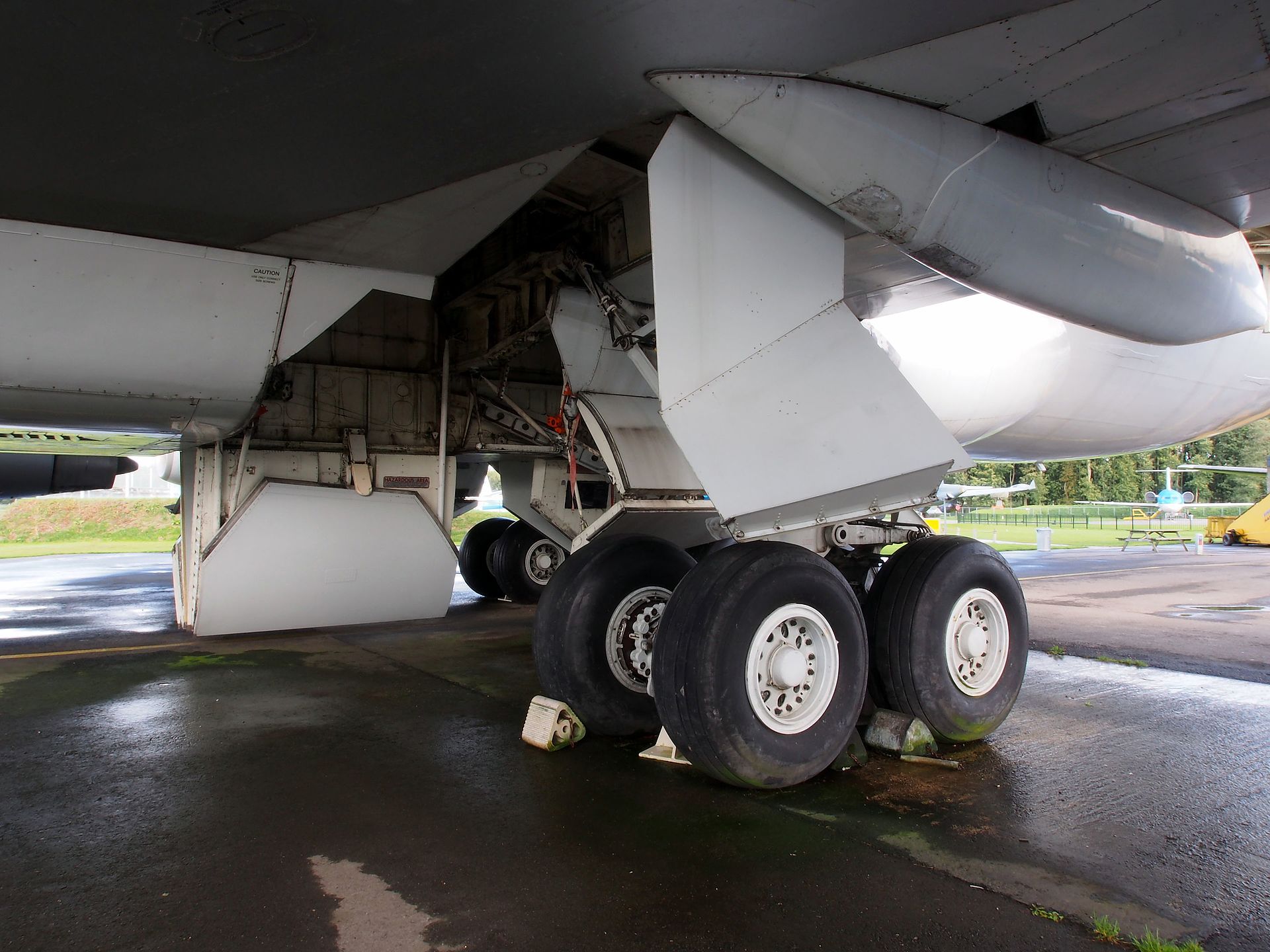
Eighteen wheels
The 747's five landing gear legs and 18 tyres, why the load is spread that way, and the body gear steering that stops it tearing up taxiways.
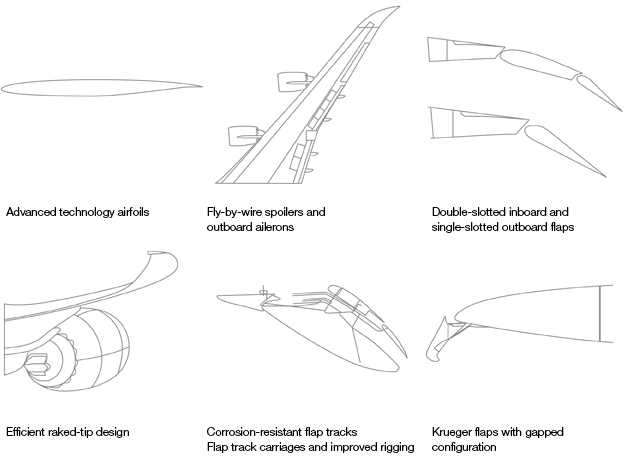
Flight controls and high-lift devices
How a 747 is flown - split ailerons, spoilers, triple-slotted flaps and Krueger leading edge devices, and what the 747-8 changed.