Boeing 747 water and waste system
Classic 747s flushed with recirculating chemical toilets that reused blue flushing fluid. The 747-400 introduced vacuum lavatories that use differential pressure to move waste into a holding tank, all drained through one ground servicing panel.
Waste management is a case study in how the 747 changed. Classic 747s carried tanks of blue, recirculated flushing fluid; the 747-400 brought in vacuum toilets that pull waste along narrow pipes with air, not water.
| Key facts | |
|---|---|
| Classic 747 | Recirculating chemical toilets, blue holding fluid |
| 747-400 | Vacuum lavatories with single-point servicing |
| How vacuum works | Differential pressure between cabin and waste tank pulls waste along the line |
| Ground handling | One central servicing panel drains the whole waste system |
Aircraft train classes separate three water types: pressurised potable water for sinks and galleys, grey waste water from sinks, and black water from lavatories. Classic 747s used the recirculating-chemical approach for toilets, filtering and reusing the same fluid.
The 747-400 changed the game with vacuum lavatories and single-point servicing: differential pressure draws waste into a holding tank, far less water is needed, and every lavatory on the aircraft empties through one ground panel. The same vacuum architecture became standard across the 737, 757, 767 and 777 fleets.
Sources
- 747-400 Airplane Characteristics for Airport Planning — Boeing
- Simplifying aircraft waste and water system maintenance — Aviation Week
- Aircraft water and waste systems training notes — HAW Hamburg
Sources
Facts on this page are checked against the primary and institutional references below.
- 747-400 Airplane Characteristics for Airport Planning — Boeing
- Simplifying aircraft waste and water system maintenance — Aviation Week
- Aircraft water and waste systems training notes — HAW Hamburg
Related topics
Air Canada
Air Canada flew 15 Boeing 747s for 33 years, from 1971 -100s and -200 Combis to a -400 era that ended in October 2004.
Air France 747 Seat Maps
Air France's Boeing 747 cabins — the 1970 three-class flagship and the 436- and 432-seat two-class 747-400 layouts that closed the airline's jumbo era.
Air France Boeing 747 fleet history
Air France flew 747s from 1970 to the final passenger flights of January 2016, also operating one of the largest 747 freighter fleets.
All Nippon Airways Boeing 747 fleet history
ANA created the world-first 500+ seat all-economy 747SR in 1979 and flew 45 new-build 747s until the last 747-400D retired.
ANA 747 seat maps
ANA's Boeing 747 cabins — the 528-seat domestic 747SR, the 569-seat 747-400D and the 287-seat long-haul 747-400.
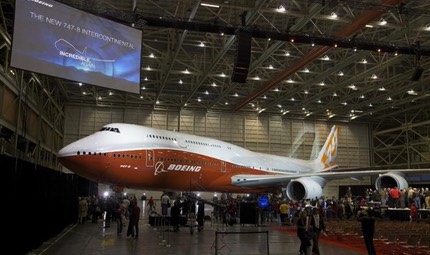
Boeing 747: History, Variants and Legacy
A complete reference to the Boeing 747, built from 1968 to 2023 — every variant from the 747-100 to the 747-8, plus special-mission jumbos and photos.
More in Aircraft Systems
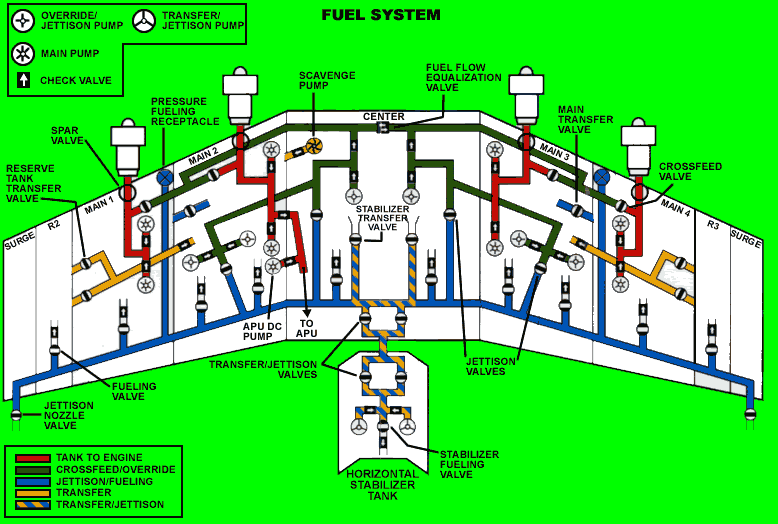
How the 747 works
The systems that make a 747 fly — fuel, hydraulics, landing gear, electrics and pressurisation, explained one at a time.
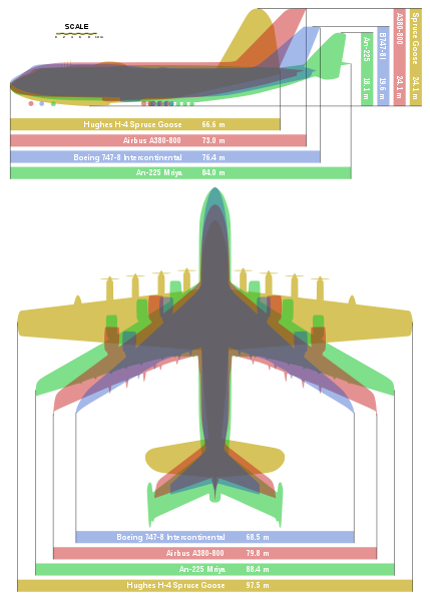
Boeing 747 specifications compared
Every Boeing 747 variant side by side — length, wingspan, weights, capacity, range, cruise speed and engines, with sources noted.
The four hydraulic systems
The 747 has four independent hydraulic systems, one per engine, each with a backup pump — and the reasoning behind splitting them that way.
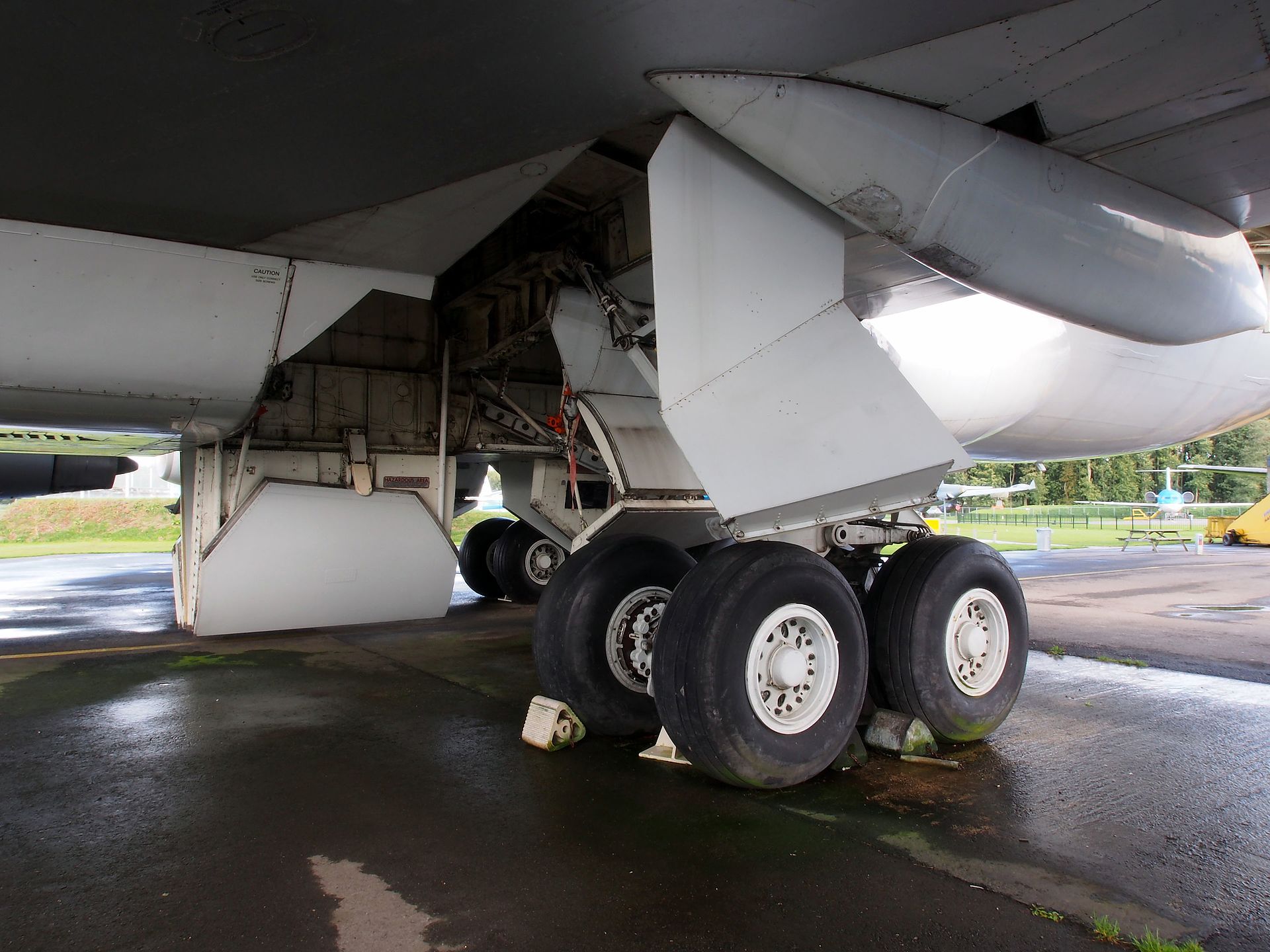
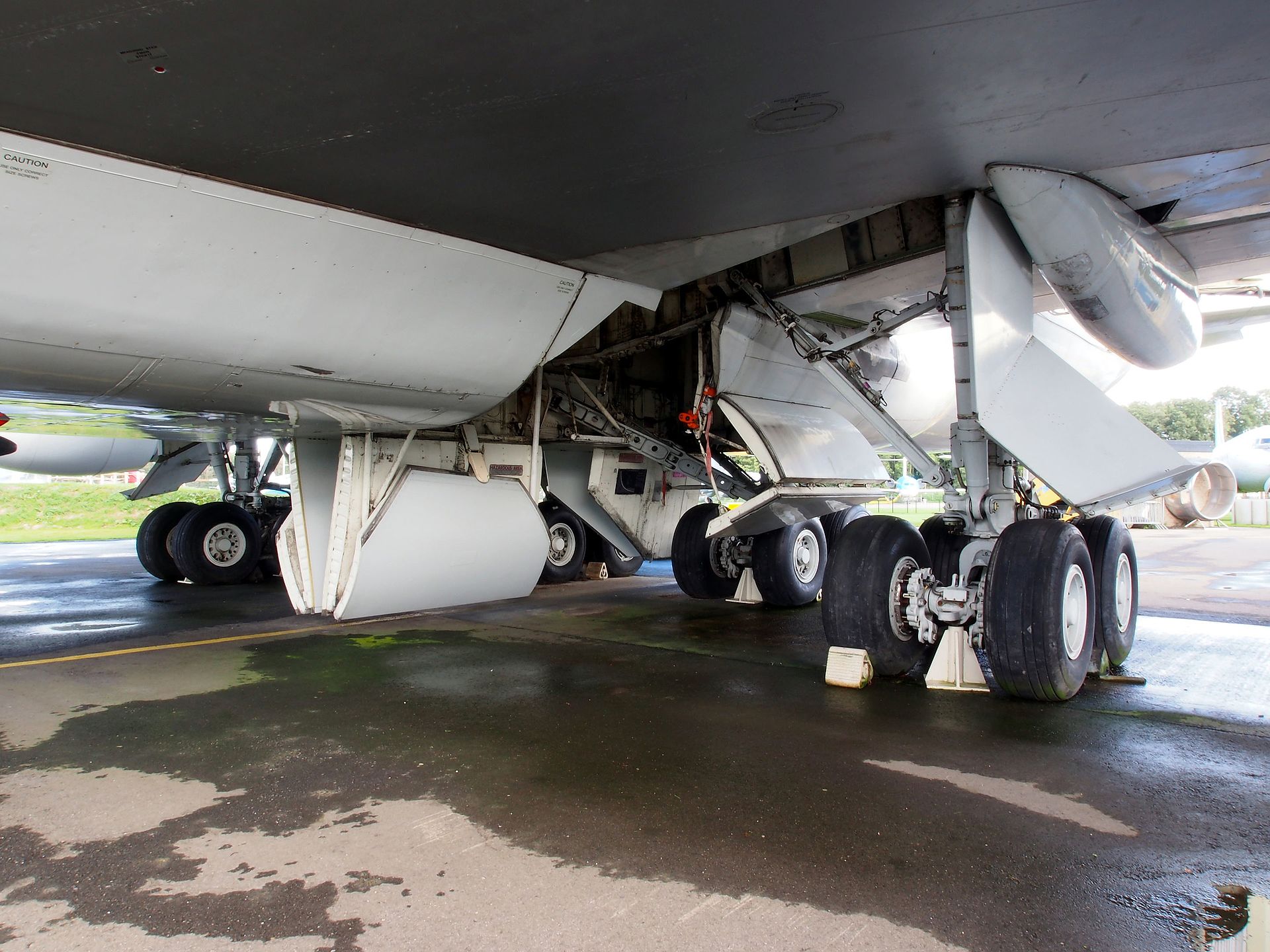
Eighteen wheels
The 747's five landing gear legs and 18 tyres, why the load is spread that way, and the body gear steering that stops it tearing up taxiways.
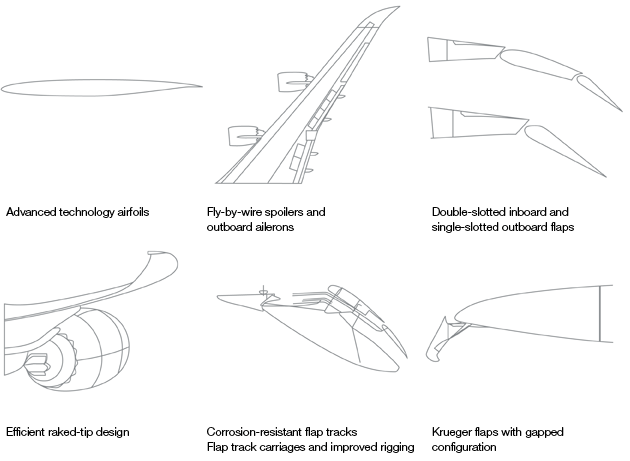
Flight controls and high-lift devices
How a 747 is flown — split ailerons, spoilers, triple-slotted flaps and Krueger leading edge devices, and what the 747-8 changed.
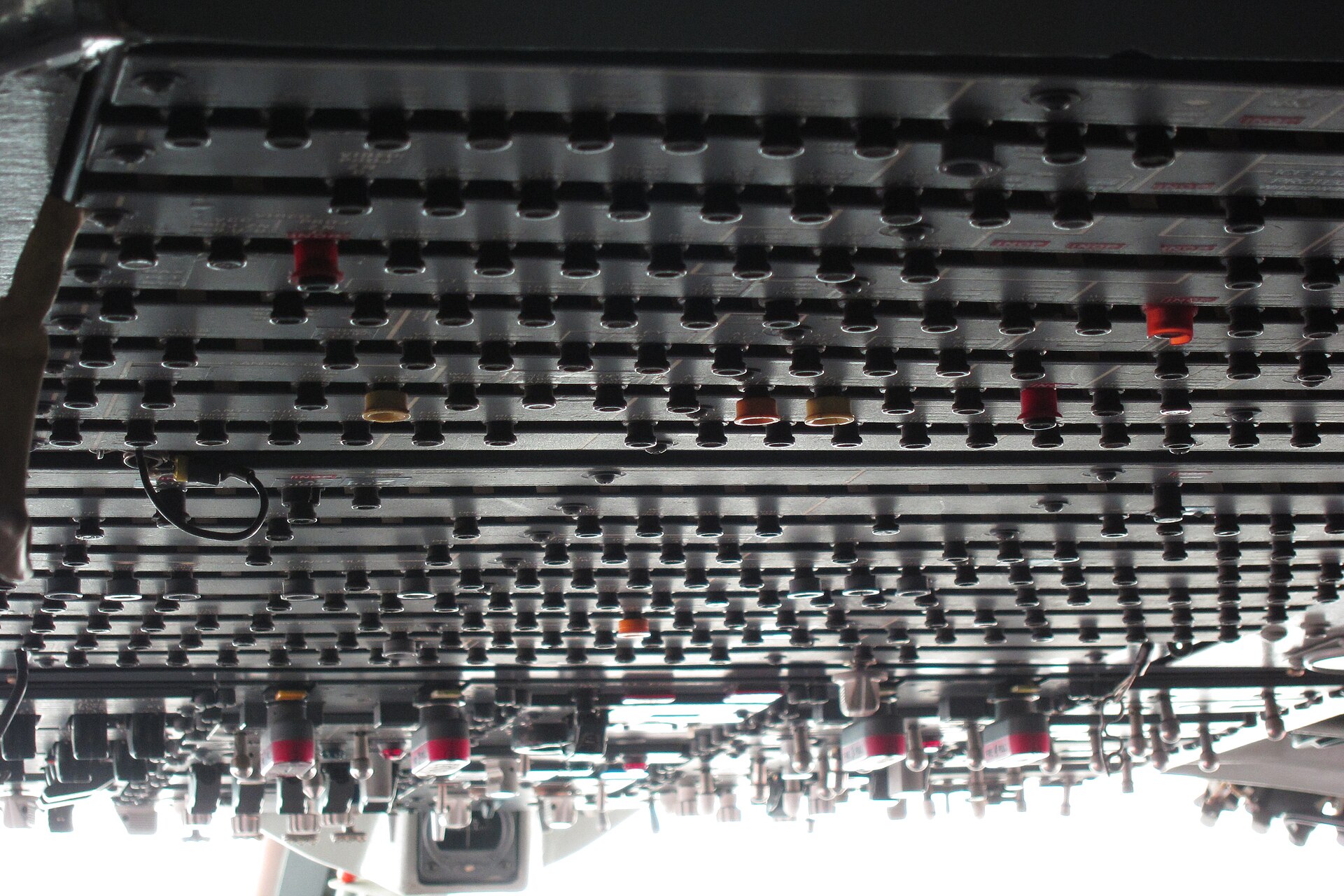
The electrical system
Four 90 kVA generators, one per engine, running in parallel through a tie bus — plus two APU generators for the ground.