Classic 747 flight-engineer station
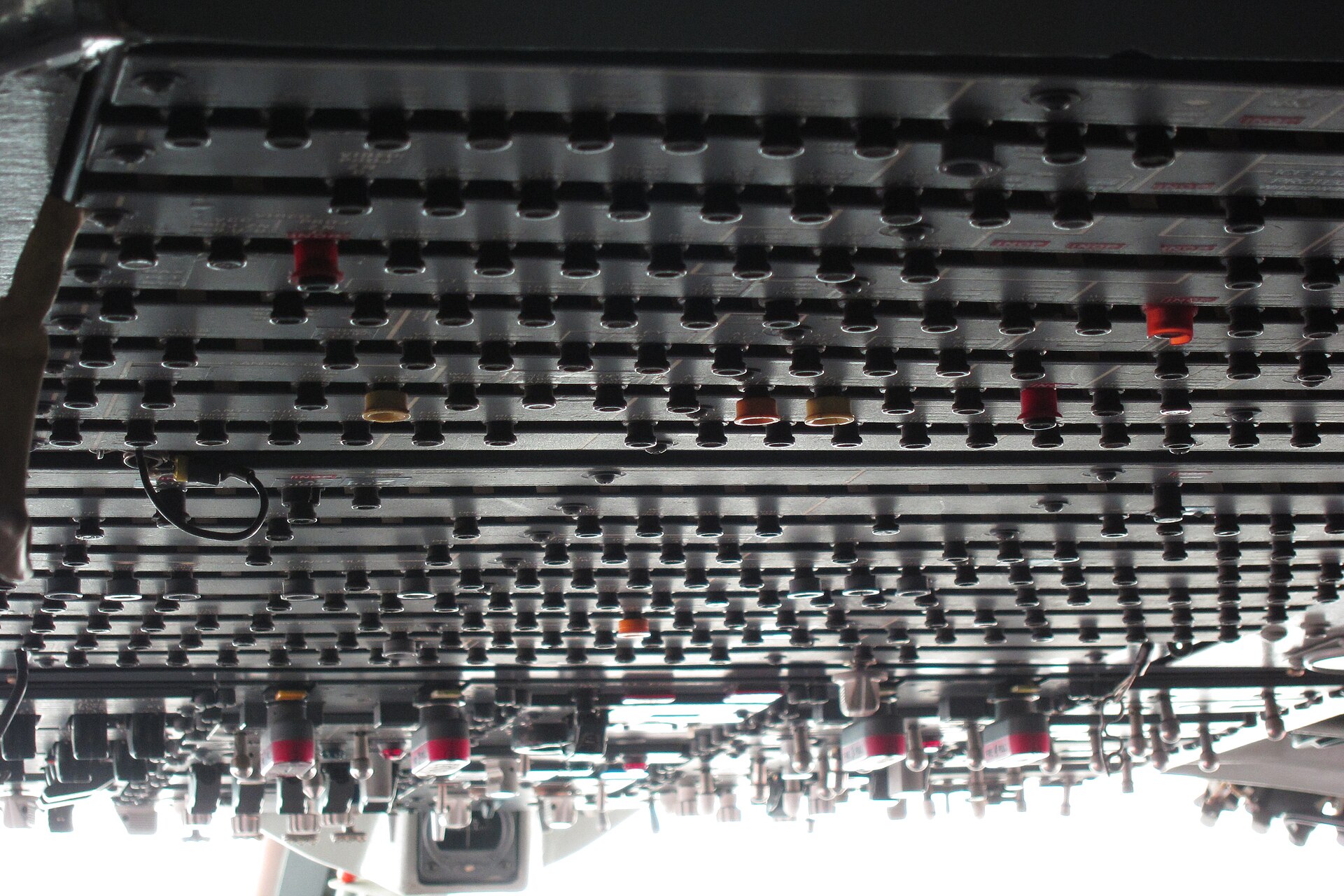
Classic 747-100/-200/-300s were certified for a three-person crew. The flight engineer, seated sideways at the rear of the deck, managed fuel, electrics, pressurisation, hydraulics and air-conditioning panels that demanded full-time attention — the -400’s automation later eliminated the seat.
Behind the two pilots in a classic 747, a third crew member sat sideways before a wall of panels — fuel pumps, electrical buses, pressurisation, hydraulics and air conditioning. That flight engineer was not optional; the job was too busy for two.
| Key facts | |
|---|---|
| Certified crew | 3 (pilot, co-pilot, flight engineer) on the classic 747 |
| Duties | Fuel management, electrical, pressurisation, hydraulics, air conditioning |
| Position | Sideways at the rear of the flight deck |
| End of the role | The 747-400’s glass cockpit removed the seat and cut panel density by about two-thirds |
The classic 747 handed the flight engineer a stack of discrete, high-workload tasks: operating boost pumps and filter valves, managing fuel jettison, cycling electrical buses, and monitoring the air-conditioning and pressurisation panels.
The 747-400 dispensed with the flight engineer entirely, consolidating everything onto EICAS screens the two pilots could supervise, and shrinking the number of switches, lights and gauges by roughly two-thirds. It was the single biggest crew-change between the classic and modern 747s.
Sources
- Boeing 747-100 technical data — Flugzeuginfo
- Boeing 747-400 article — Wikipedia
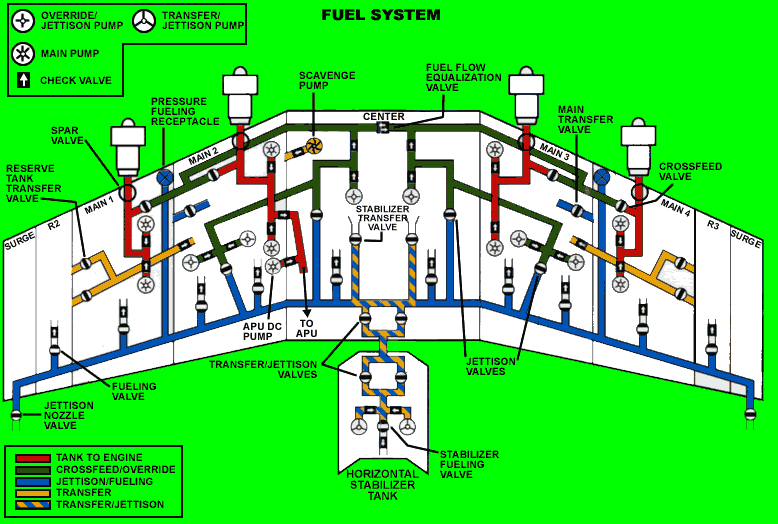
- Fuel system study for 747 cargo fire investigations — FAA
Sources
Facts on this page are checked against the primary and institutional references below.
- Boeing 747-100 technical data — Flugzeuginfo
- Boeing 747-400 article — Wikipedia
- Fuel system study for 747 cargo fire investigations — FAA
Related topics
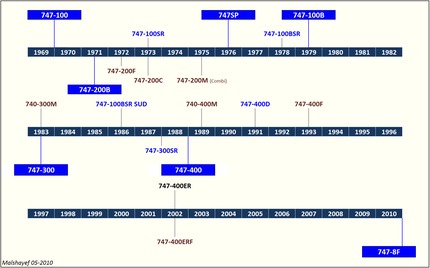
Boeing 747 Family
Every Boeing 747 variant built between 1968 and 2023 — the 747-100, -200, -300, -400 and 747-8, with freighter, combi and short-range models explained.
Boeing 747 Production Data
Download Boeing 747 production totals by generation, with a transparent method and links to Boeing's final programme record and technical documents.
El Al Boeing 747 fleet history
El Al flew 26 Boeing 747s across the -100, -200, -300 and -400, retiring its last passenger 747 in November 2019.
Polar Air Cargo Boeing 747 fleet history
Polar Air Cargo has flown 44 Boeing 747s since 1994 and currently operates two 747-8 freighters for Atlas Air.
Boeing 747-100 vs 747-200
What the 747-200 added to the original 747-100: more thrust, higher takeoff weights, a ten-window upper deck and freighter, combi and convertible variants.
Boeing 747-200 vs 747-300
The 747-300's stretched upper deck gave it about ten percent more capacity than the 747-200, with quieter engines and no change in length or weight limits.
More in Aircraft Systems
How the 747 works
The systems that make a 747 fly — fuel, hydraulics, landing gear, electrics and pressurisation, explained one at a time.
Boeing 747 specifications compared
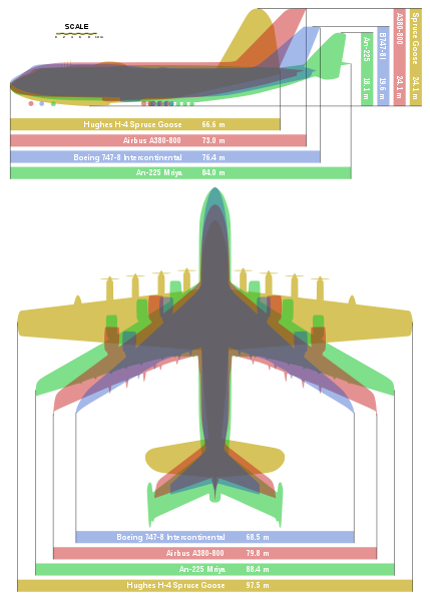
Every Boeing 747 variant side by side — length, wingspan, weights, capacity, range, cruise speed and engines, with sources noted.
The four hydraulic systems
The 747 has four independent hydraulic systems, one per engine, each with a backup pump — and the reasoning behind splitting them that way.
Eighteen wheels
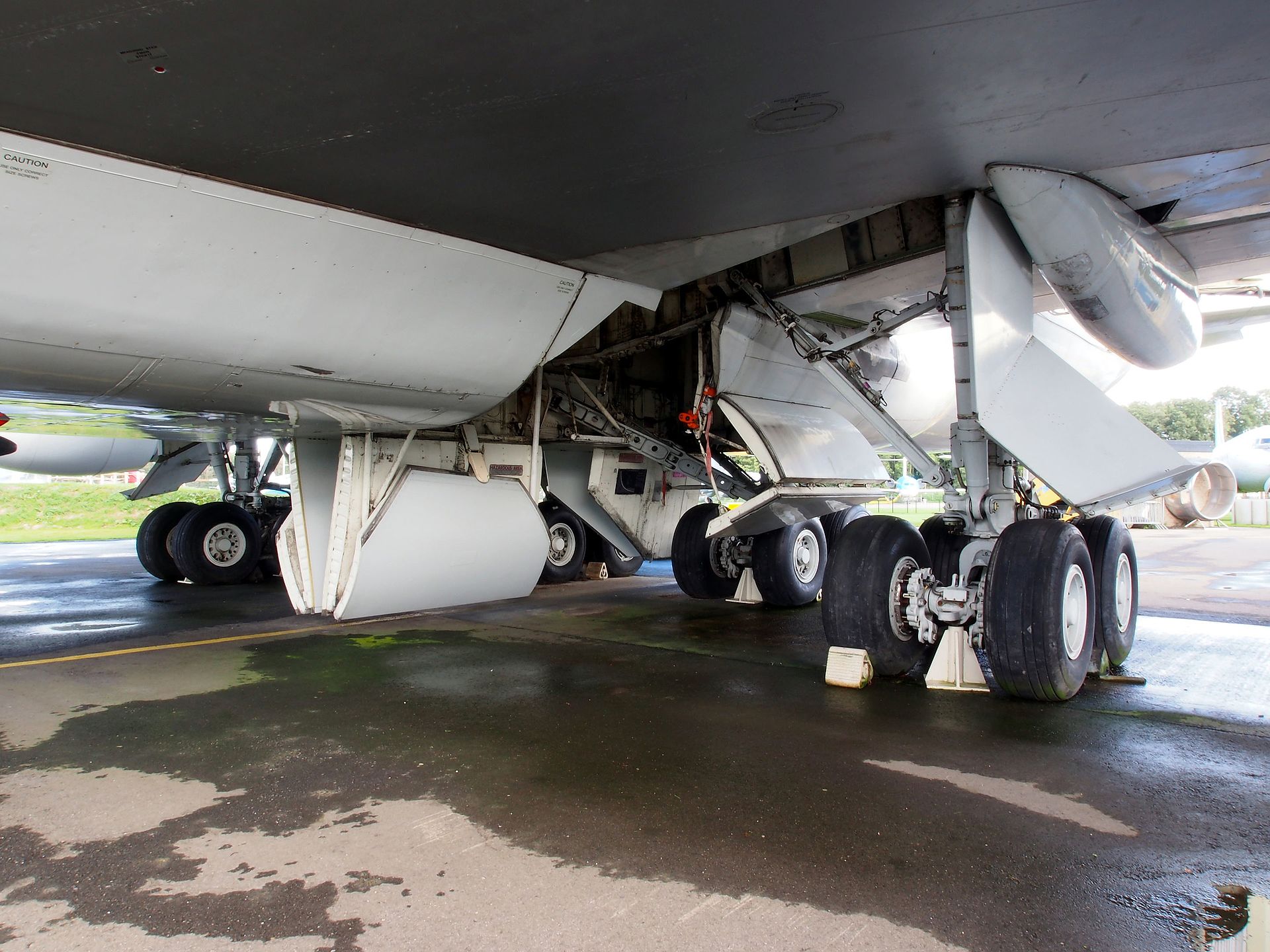
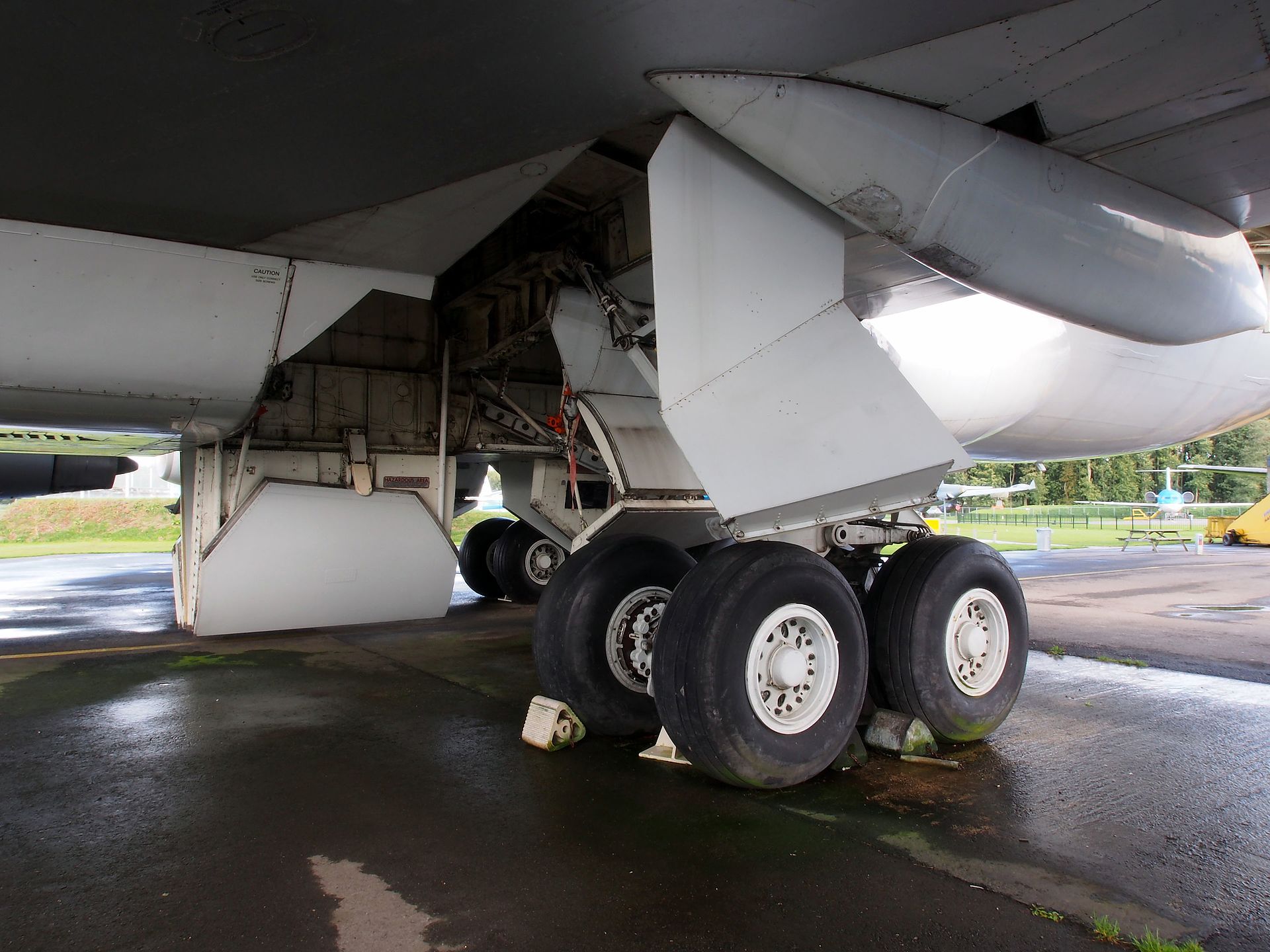
The 747's five landing gear legs and 18 tyres, why the load is spread that way, and the body gear steering that stops it tearing up taxiways.
Flight controls and high-lift devices
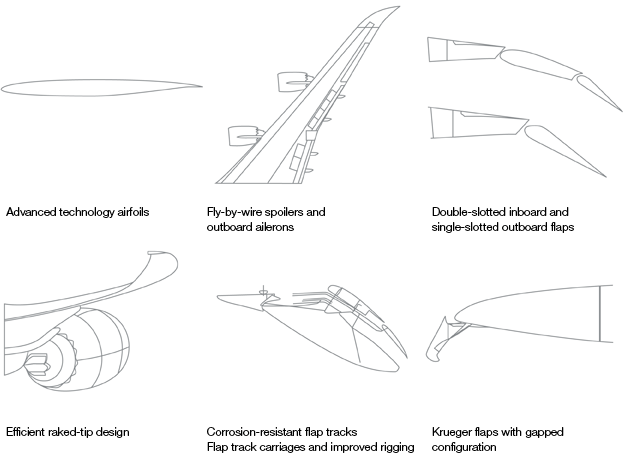
How a 747 is flown — split ailerons, spoilers, triple-slotted flaps and Krueger leading edge devices, and what the 747-8 changed.
The electrical system
Four 90 kVA generators, one per engine, running in parallel through a tie bus — plus two APU generators for the ground.