Boeing 747 ice and rain protection
The 747 protects against icing in two ways: hot bleed air heats the wing and engine leading edges, while electric heating guards the cockpit windows, pitot tubes and air-data probes. Rain is handled by heated windshields and wipers.
A 747 rushes a warm stream of bleed air through its wing leading edges and engine inlets to stop ice before it forms, while electrically heated windowpanes and pitot heads cover the parts bleed air cannot reach.
| Key facts | |
|---|---|
| Wing / engine | Hot bleed air warms the leading edges and inlets |
| Cockpit / probes | Electric heat on windshields, pitot tubes and air-data sensors |
| Crew actions | Wing and engine anti-ice are armed when descending in visible moisture near 0 °C |
| Rain | Heated windshields plus wipers |
Large-jet practice reserves hot bleed air for wing leading edges, engine inlets, radomes and empennage surfaces, and uses electrical heating for windshields and pitot-static probes. The 747 follows that pattern exactly, with PPG “Nestar”-type heating in the glass.
On the 747-400, in visible moisture with the total air temperature below 10 °C, engine-nacelle anti-ice must be selected on before thrust is reduced for descent, and wing anti-ice must be on at or below 22,000 ft in certain icing conditions (FAA AD 2011-16-02).
Sources
- Aircraft Icing Handbook — FAA
- Boeing 747 windshield heating — PPG Aerospace
- Pitot-static systems — Boeing
Sources
Facts on this page are checked against the primary and institutional references below.
- Aircraft Icing Handbook — FAA
- Boeing 747 windshield heating — PPG Aerospace
- Pitot-static systems — Boeing
Related topics
Air Canada
Air Canada flew 15 Boeing 747s for 33 years, from 1971 -100s and -200 Combis to a -400 era that ended in October 2004.
Air France 747 Seat Maps
Air France's Boeing 747 cabins — the 1970 three-class flagship and the 436- and 432-seat two-class 747-400 layouts that closed the airline's jumbo era.
Air France Boeing 747 fleet history
Air France flew 747s from 1970 to the final passenger flights of January 2016, also operating one of the largest 747 freighter fleets.
All Nippon Airways Boeing 747 fleet history
ANA created the world-first 500+ seat all-economy 747SR in 1979 and flew 45 new-build 747s until the last 747-400D retired.
ANA 747 seat maps
ANA's Boeing 747 cabins — the 528-seat domestic 747SR, the 569-seat 747-400D and the 287-seat long-haul 747-400.
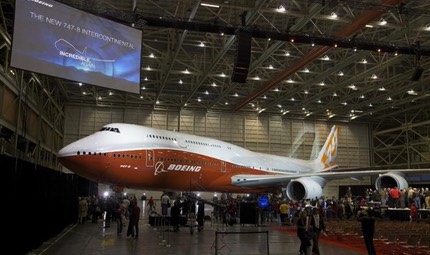
Boeing 747: History, Variants and Legacy
A complete reference to the Boeing 747, built from 1968 to 2023 — every variant from the 747-100 to the 747-8, plus special-mission jumbos and photos.
More in Aircraft Systems
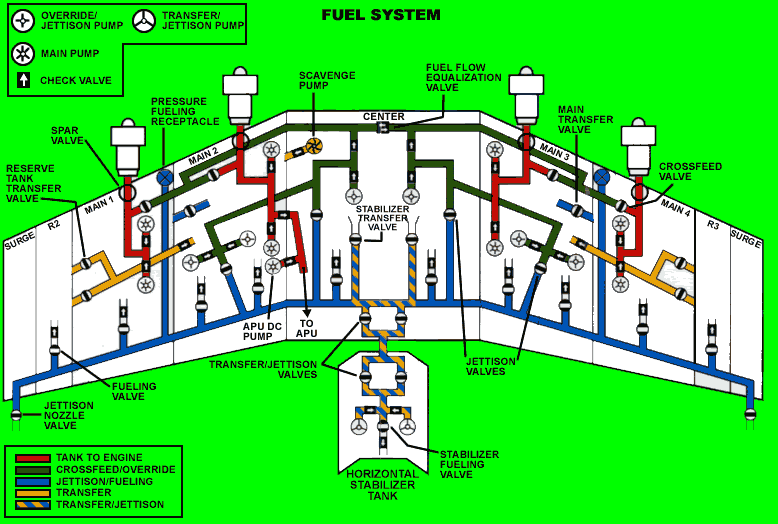
How the 747 works
The systems that make a 747 fly — fuel, hydraulics, landing gear, electrics and pressurisation, explained one at a time.
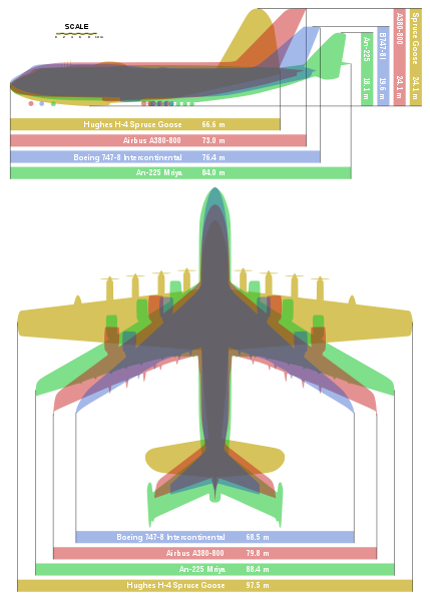
Boeing 747 specifications compared
Every Boeing 747 variant side by side — length, wingspan, weights, capacity, range, cruise speed and engines, with sources noted.
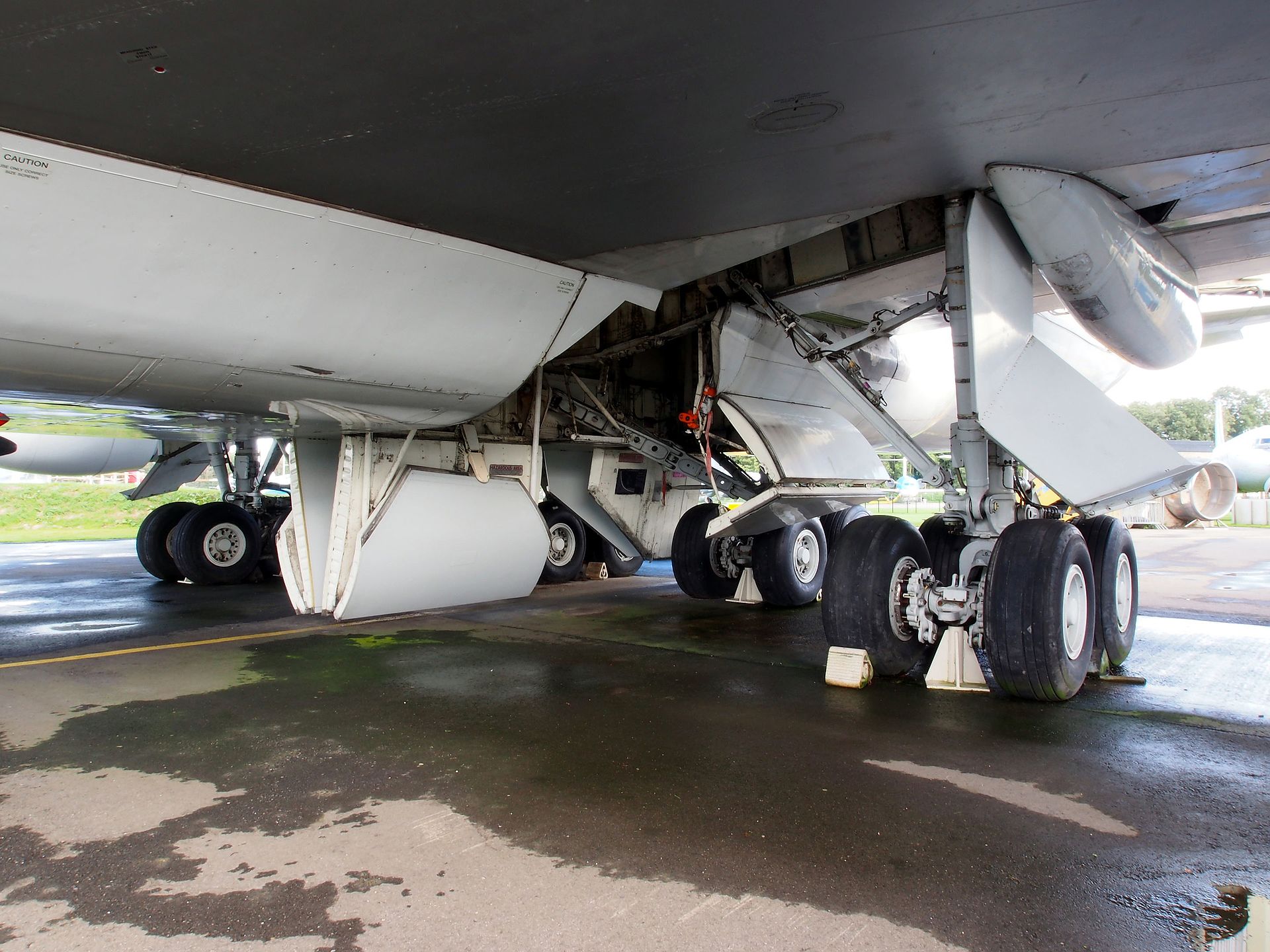
The four hydraulic systems
The 747 has four independent hydraulic systems, one per engine, each with a backup pump — and the reasoning behind splitting them that way.
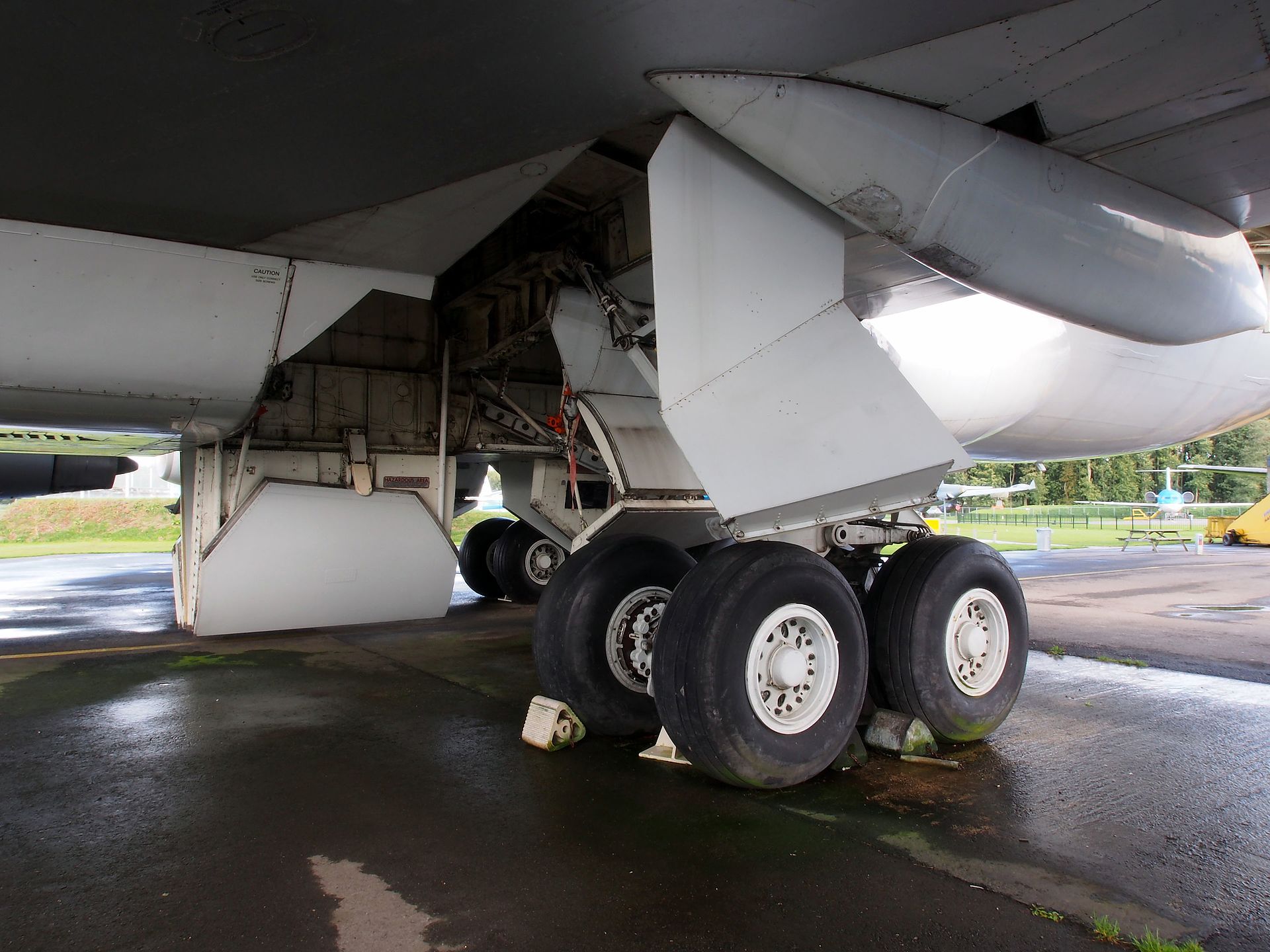
Eighteen wheels
The 747's five landing gear legs and 18 tyres, why the load is spread that way, and the body gear steering that stops it tearing up taxiways.
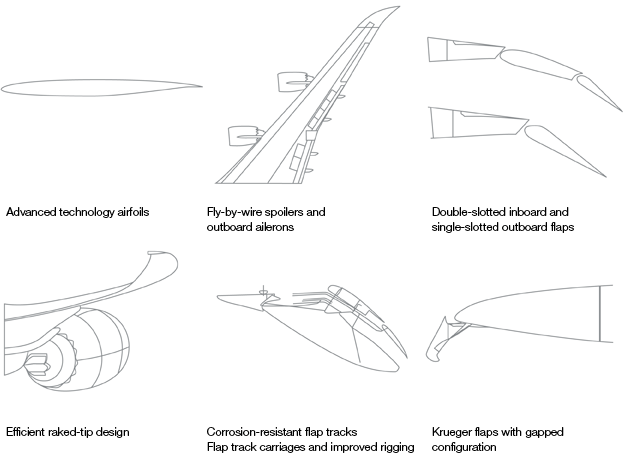
Flight controls and high-lift devices
How a 747 is flown — split ailerons, spoilers, triple-slotted flaps and Krueger leading edge devices, and what the 747-8 changed.
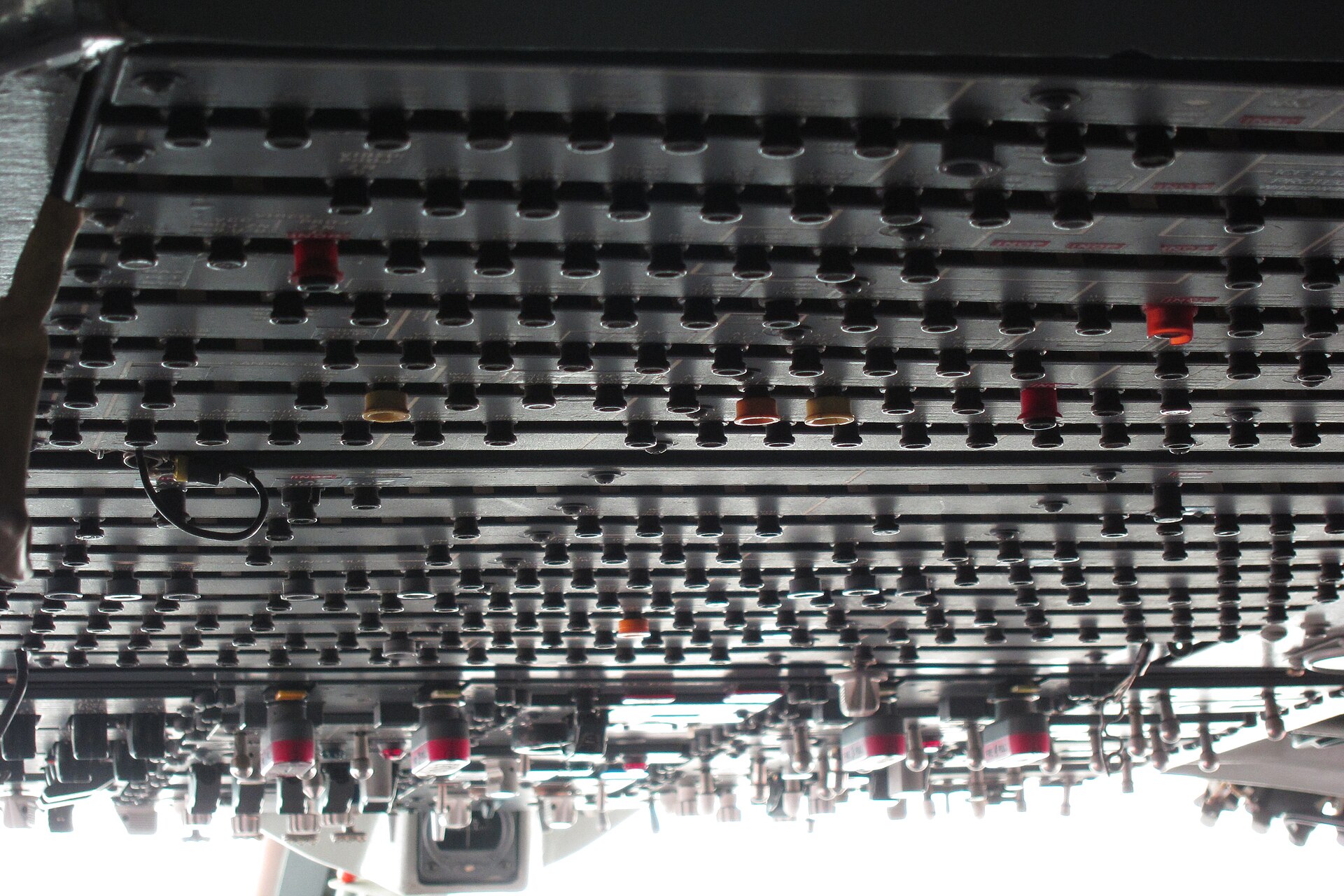
The electrical system
Four 90 kVA generators, one per engine, running in parallel through a tie bus — plus two APU generators for the ground.