Boeing 747-8 Intercontinental vs 747-8F
Both 747-8s share the GEnx-2B engines, the raked-tip wing and a 987,000 lb MTOW. The freighter trades the stretched upper deck for a swing-up nose door and 308,000 lb of payload; the Intercontinental keeps the passengers.
The two 747-8s look almost interchangeable in silhouette, and mechanically they very nearly are. Boeing designed one airframe, one new wing and one engine type, then let the customer choose what goes in the middle: seats or freight. Almost every visible difference follows from that choice.
What the two aircraft share
Start with the common ground, because it is most of the aircraft.
- A fuselage stretched 18 ft 3 in (5.6 m) over the 747-400, for a total length of 250 ft 2 in (76.25 m).
- An all-new wing with raked wingtips and a 224 ft 5 in (68.40 m) span.
- Four General Electric GEnx-2B67 engines, 66,500 lbf each — the first 747 with a single engine option since the original.
- A maximum takeoff weight of 987,000 lb (447.7 t), the heaviest ever built in the United States.
- A two-crew flight deck derived from the 747-400, with fly-by-wire spoilers and a common type rating.
That common airframe is the whole story of the programme. The 747-8 was not a clean-sheet aircraft; it was the 747-400 modernised around a new wing and a new engine.
Where they part company
| 747-8 Intercontinental | 747-8 Freighter | |
|---|---|---|
| Upper deck | Stretched — longer, more windows | Standard-length, crew rest |
| Load in | Passenger doors and jet bridges | Swing-up nose door plus side door |
| Cabin | 467 seats in three classes | None — bare main deck |
| Payload | Passengers and belly freight | 308,000 lb (139,700 kg) |
| Range | 7,730 nmi (14,310 km) | 4,120–4,390 nmi at max payload |
| Cruise | Mach 0.855 | Mach 0.845 |
| Entered service | 1 June 2012 (Lufthansa) | 12 October 2011 (Cargolux) |
The stretched upper deck is the quickest way to tell them apart from the ground. The Intercontinental carries the stretched upper deck that began with the 747-300, lengthening the “hump” and adding cabin space upstairs. The freighter reuses the shorter upper deck — there are no premium passengers to seat, and the space is better spent on crew rest and avionics.
The nose door is the freighter’s signature feature. The entire nose section swings up and out of the way so that outsized cargo can be loaded straight onto the main deck, in line with the fuselage. It is an inheritance from the original 747-100F and the reason the 747 has always been the freighter of choice for awkward, long loads. The freight page walks through the loading process.
Reading the range figure correctly
The 747-8F’s range looks poor next to the Intercontinental’s, and taken out of context it is. But the two figures are quoted at different payloads:
- The Intercontinental figure is a typical passenger-and-belly-freight load.
- The freighter figure is at maximum payload — 308,000 lb of revenue cargo.
A freighter’s useful range is the range it has when it is full, so that is the number operators care about. Flown at a lighter payload, the same airframe trades cargo for fuel and flies considerably further. The specifications page makes the same point about the 747-400ERF, whose weight increase went almost entirely into fuel rather than payload — the opposite of the -8F’s design choice.
The payload-range explorer lets you compare the figures across the family.
Why the freighter won
Both versions arrived into a market that no longer wanted four-engine passenger jets. The Intercontinental’s problem was not performance — it was the economics of burning four engines when a twin could do the trip. The 747-8 compared to the 747-400 explains how the aircraft improved and still lost the passenger market.
The freighter had no such rival. Nothing else combined the 747’s payload, its nose-door loading and its range, and the -8F went on to outsell the Intercontinental by 107 airframes to 48. The final 747 ever made, delivered in January 2023, was a freighter for Atlas Air — covered in the farewell.
Related
- The 747-8 family — the aircraft in detail
- 747-8I and 747-8F
- 747-400 vs 747-8 — the generational leap
- How 747 freight works
- Registration and customer-code decoder — decode suffixes such as 747-8B5
| Manufacturer | Boeing |
|---|---|
| Variant | 747-8I vs 747-8F |
| Introduced | 1 June 2012 (747-8I, Lufthansa) vs 12 October 2011 (747-8F, Cargolux) |
| Status | both still in service, but the Intercontinental is the rarer aircraft |
| Engines | 4× General Electric GEnx-2B67, 66,500 lbf each |
| Typical capacity | 467 passengers (3-class) vs 308,000 lb (139,700 kg) payload |
| Range | 7,730 nmi (14,310 km) vs 4,120–4,390 nmi at maximum payload |
| Length | 250 ft 2 in (76.25 m) — identical on both |
| Wingspan | 224 ft 5 in (68.40 m) |
| Max takeoff weight | 987,000 lb (447.7 t) |
| Cruise speed | Mach 0.855 vs Mach 0.845 |
| Number built | 107 freighters against 48 Intercontinentals (155 total) |
Frequently asked questions
- Are the 747-8I and 747-8F the same length?
- Yes. Both have the same 250 ft 2 in (76.25 m) fuselage, stretched 18 ft 3 in over the 747-400. The difference is what sits on top and how the freight gets in: the Intercontinental has a longer stretched upper deck, while the freighter keeps a shorter upper deck and adds a swing-up nose door.
- Why does the 747-8F fly so much less far than the 747-8I?
- Because its range is quoted at maximum payload. The freighter's 987,000 lb takeoff weight is spent on 308,000 lb of freight rather than fuel, leaving about 4,120–4,390 nmi. Flown lighter, the same airframe can fly much further.
- Which 747-8 sold better?
- The freighter. The 747-8F entered service in October 2011, eight months before the passenger version, and outsold it by 107 airframes to 48. The Intercontinental found few buyers once the twin-engine Boeing 777 and Airbus A350 could do the same job on less fuel.
Sources
Facts on this page are checked against the primary and institutional references below.
- 747-8 Airplane Characteristics for Airport Planning — Boeing
- List of Boeing customer codes — Wikipedia
Related topics
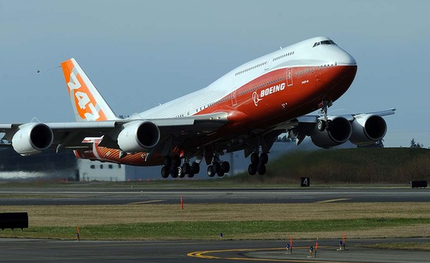
The Boeing 747-8
A guide to the final 747 — the stretched fuselage, new wing, GEnx-2B engines, 787-derived flight deck and the freighter that closed the production line.
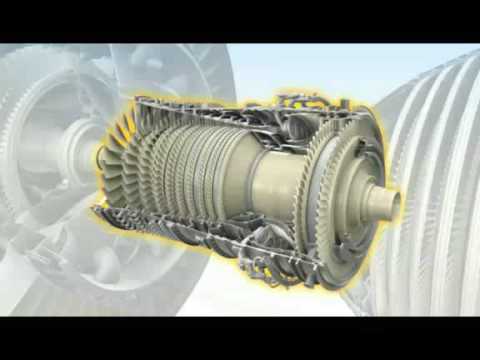
Boeing 747-8 Engine Overview from GE Aviation
GE Aviation explains the GEnx-2B engine that powers the Boeing 747-8, covering its fan, core and noise-reducing chevrons.
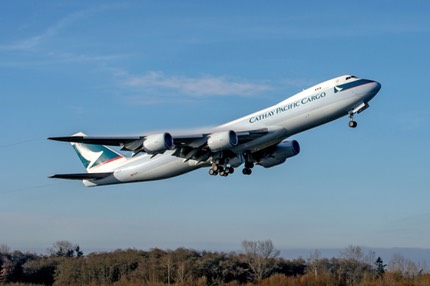
Boeing Delivers First 747-8 with Improved GEnx-2B Engines
Cathay Pacific took the first Boeing 747-8 fitted with performance-improved GEnx-2B engines under the PIP programme.

Boeing Hangs GEnx-2B Engines on the 747-8 Freighter
Boeing installed the GEnx-2B engines on the first 747-8 Freighter as the aircraft moved through assembly and testing.
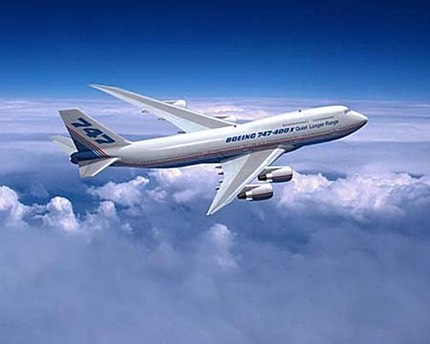
747-400XQLR
Announced at Asian Aerospace 2002, the 747-400XQLR studied quieter, longer-range improvements. It was dropped in favour of the 747-8.
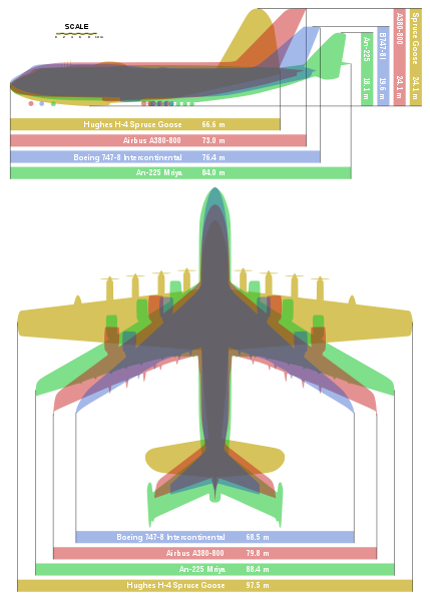
747-8
Announced in 2005, the 747-8 was the final 747 generation, with a new wing, GEnx-2B engines and a 987,000 lb maximum takeoff weight.
More in Features
Features
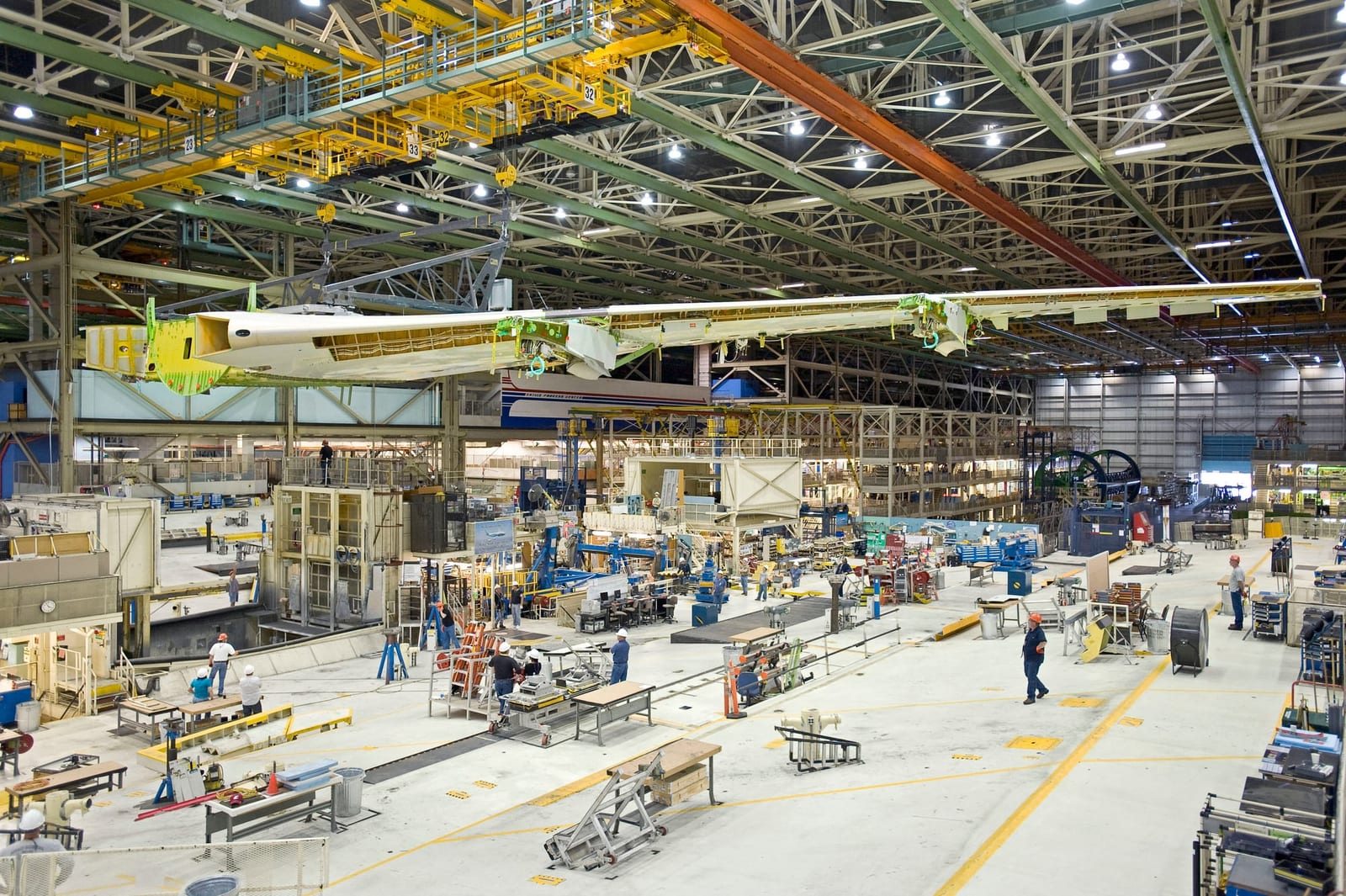
Longer pieces on the Boeing 747 — the factory built to make it, how it compares to the A380, what became of the retired fleet, and what it is like to fly.
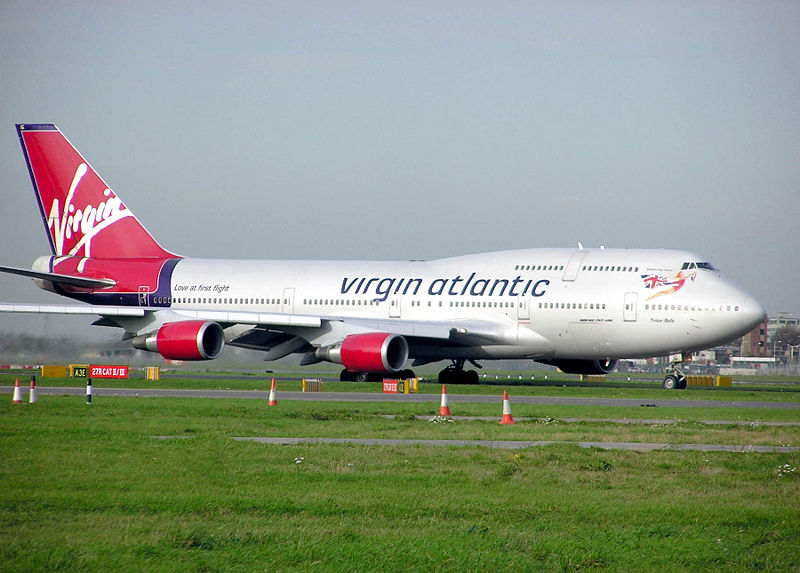
How to Identify Boeing 747 Variants
Identify Boeing 747 variants from photographs using upper-deck length, wingtip shape, fuselage length, engine nacelles and freighter doors.
The building that had to be built first
Boeing had no building big enough for the 747, so it built the largest building in the world by volume — and assembled the aeroplane while it was going up.
747 versus A380
The two largest airliners ever built, compared — size, capacity, economics, and why both are now out of production.
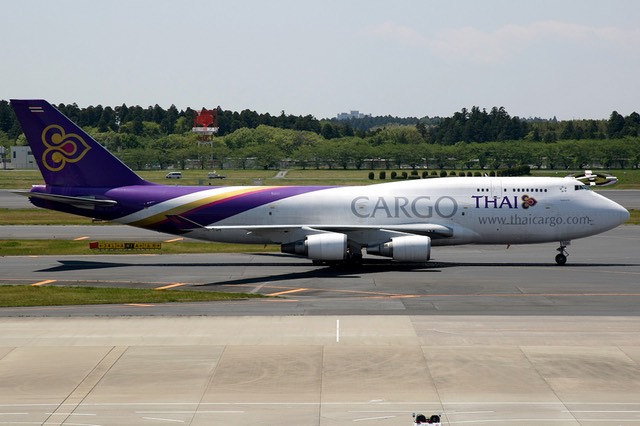
Where the 747s went
Most retired 747s were scrapped. Others became freighters, museum pieces, restaurants, a hotel — and one launched satellites into orbit.
Flying the 747
What the 747 is like to fly — the type rating, the view from 30 feet up, the handling, and why pilots talk about it the way they do.
